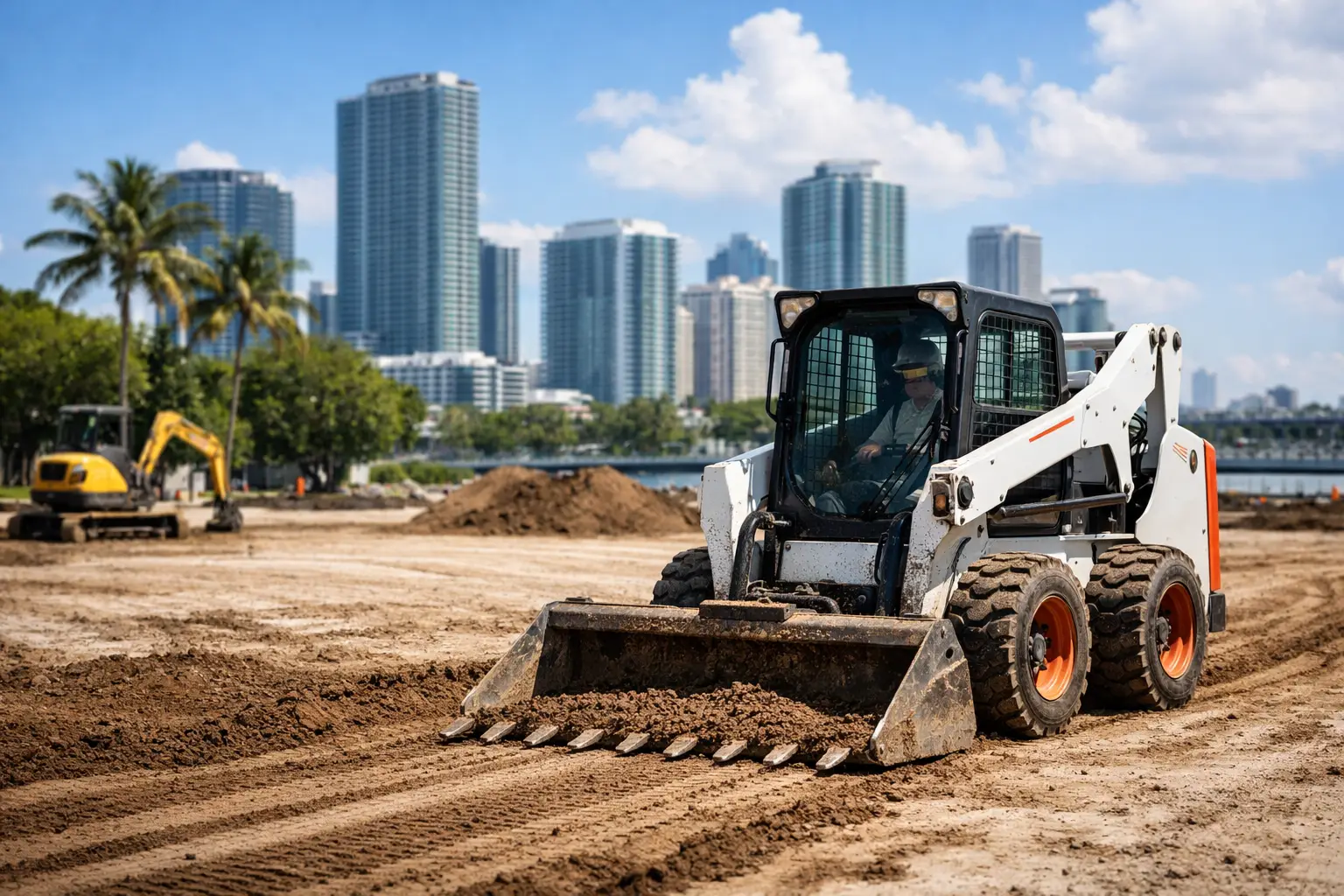
Bobcat Grading Service Miami for Clean Site Prep

A yard can look level from the driveway and still cause expensive problems once the rain starts. Water may settle beside the foundation, a new paver area may shift, or a construction project may stall because the base is uneven. A reliable bobcat grading service miami property owners can schedule quickly takes the heavy work off your hands and helps create a clean, usable surface for what comes next.

Grading is more than pushing dirt around. It is the process of shaping land so water moves in the right direction, surfaces have a stable base, and your project starts on solid ground. For homeowners, contractors, property managers, and business owners, the right equipment and operator can save a major amount of time, labor, and cleanup.

What Bobcat Grading Does for Your Property

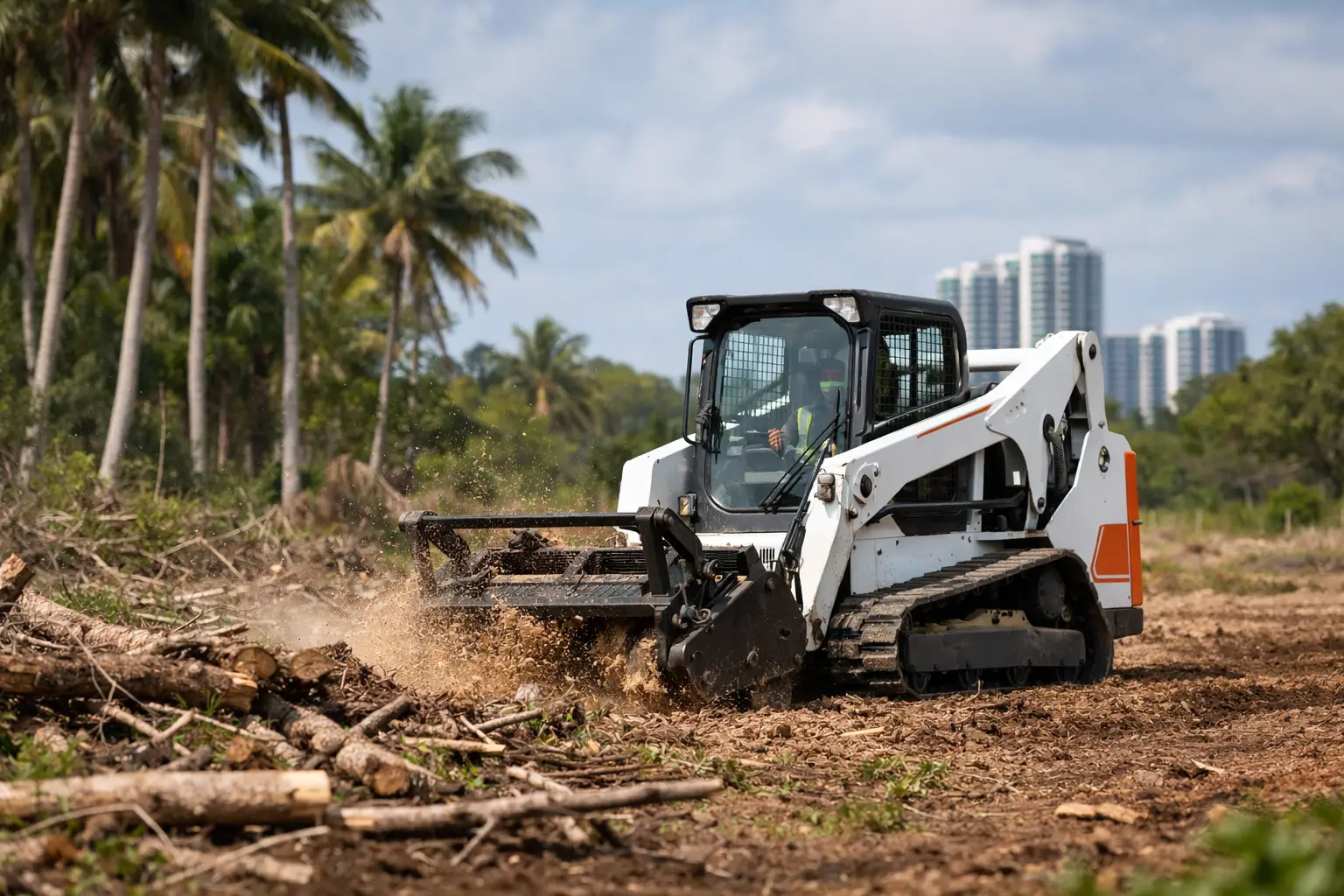
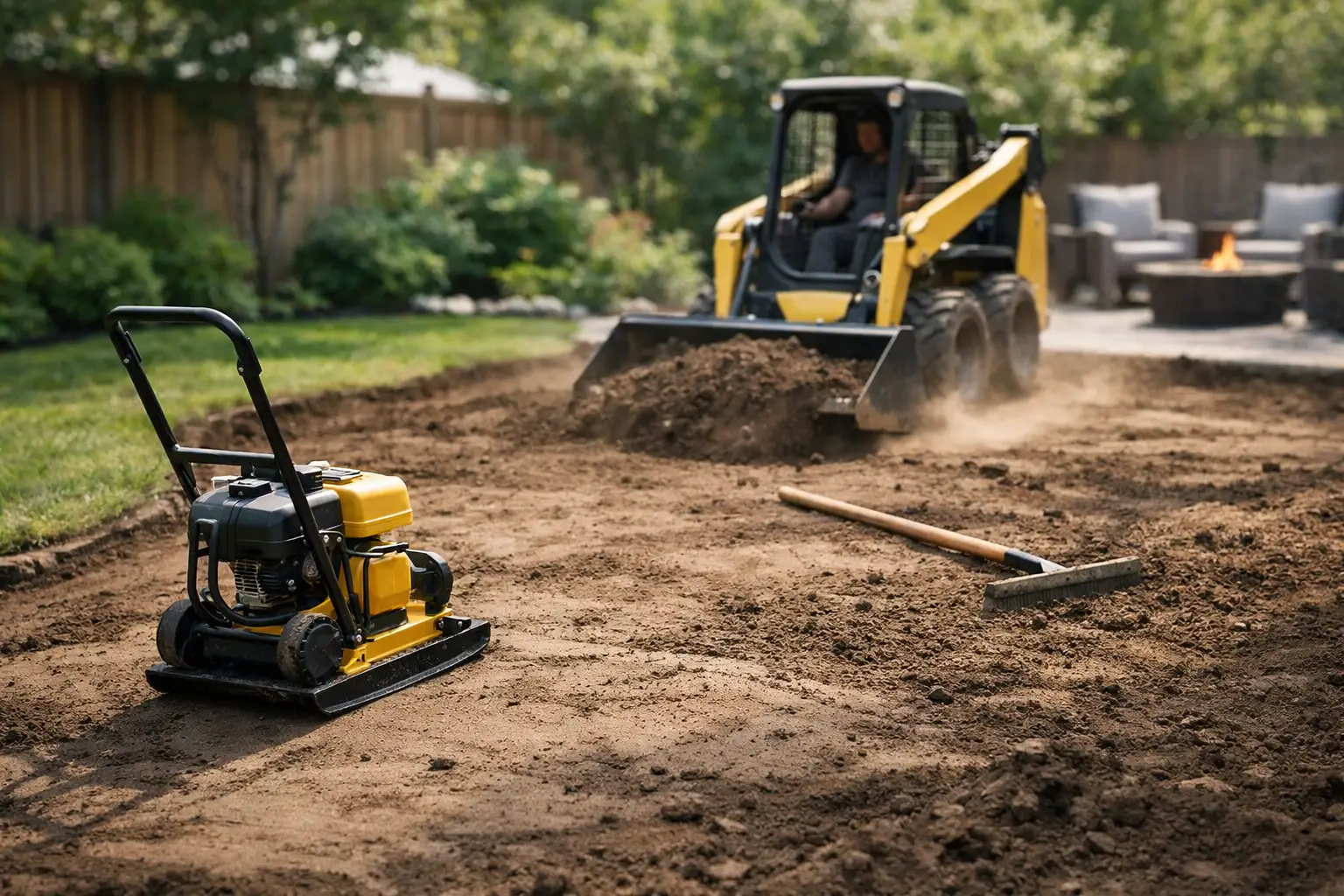
A Bobcat is compact enough to work in many residential yards, side access areas, parking lots, and tighter job sites where larger equipment may be impractical. With the proper attachment and a skilled operator, it can cut down high spots, fill low areas, spread material, remove loose debris, and shape the ground for a specific purpose.

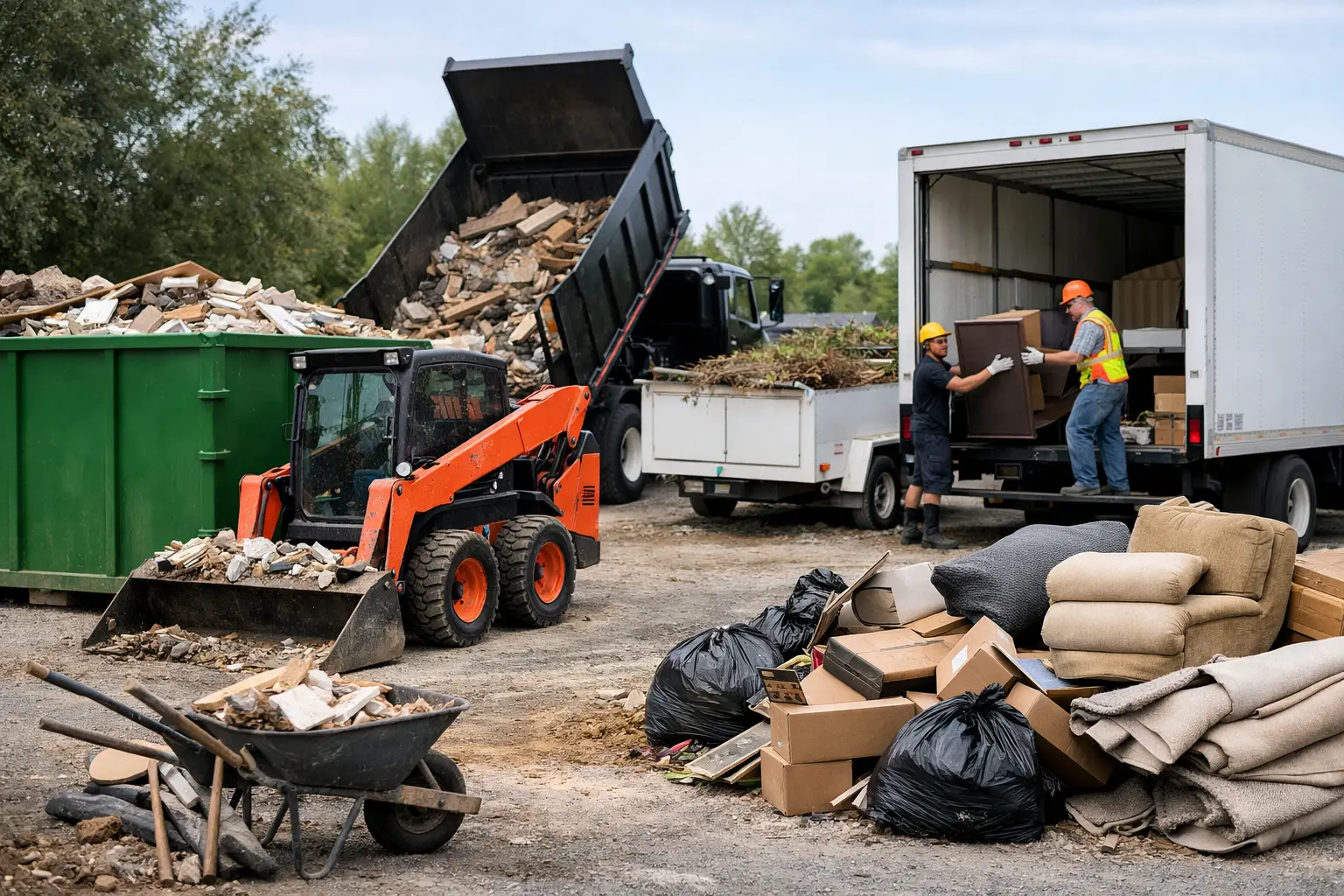
The goal depends on the job. A backyard may need a smoother surface before sod or artificial turf installation. A driveway may need fresh aggregate spread and compacted. A contractor may need the site cleared and leveled before a slab, walkway, fence, or paver project begins. On demolition and cleanup jobs, grading can also help restore a site after broken concrete, dirt piles, roots, and leftover materials are removed.

Miami-area soil conditions make planning especially valuable. Heavy rain can expose poor drainage fast, while sandy or loose material may need careful shaping and compaction. A quick pass with a machine is not always the answer. The surface needs to be graded with the project, the drainage path, and the finished elevation in mind.

When You May Need Bobcat Grading Service in Miami

Most customers call for grading when they can see an obvious issue: standing water, deep ruts, uneven dirt after construction, or piles of fill that need to be moved. But grading is often most valuable before a visible problem becomes worse.

If you are planning a driveway refresh, patio, shed pad, pool-area work, landscaping, drainage correction, or new sod, the site should be prepared first. Installing a finished surface over uneven ground can lead to drainage trouble, cracking, shifting, and extra labor later. Taking care of the base early is usually more affordable than tearing out completed work to fix what sits underneath.

Property managers also benefit from quick site support between tenants, after storm cleanup, or during exterior repairs. A messy lot, broken-up ground, or leftover material pile makes a property look neglected and can slow down other vendors. A Bobcat can help get the area back to a clean, workable condition without asking your maintenance team to handle equipment they do not use every day.

The Right Grade Is About Drainage, Not Just Appearance

A flat-looking yard is not necessarily a properly graded yard. In many cases, the surface needs a controlled slope so rainwater travels away from structures and does not pool in low areas. The exact approach depends on the property layout, nearby elevations, existing drains, soil, and the type of work being completed.

This is where a site walk-through matters. Some areas need material removed to lower the grade. Others need clean fill brought in and spread. A small swale or drainage path may be enough for one yard, while another property may need a more involved plan from a drainage or landscaping specialist. Grading can support drainage, but it does not replace permit requirements, engineered plans, or utility-related work when those are needed.

Be clear about the outcome you want. Tell the operator whether the area is being prepared for sod, pavers, concrete, gravel, landscaping, or general cleanup. That information affects the finish, material needs, and how precisely the surface must be shaped.

What to Prepare Before the Equipment Arrives

Good preparation keeps the job moving and helps avoid surprises. First, make sure the work area is accessible. Gates, parked vehicles, trailers, stored items, and loose debris can limit where equipment can travel. If access is tight, share that information before scheduling so the right machine and plan can be selected.

It also helps to mark or identify anything that should not be disturbed, including irrigation heads, utility lines, septic components, landscape lighting, pool equipment, and buried drainage features. Do not assume a line is deep enough to be out of the way. If digging, cutting, or substantial earth movement is involved, utility locating and site verification should be handled before work begins.

Finally, decide what happens to the excess material. Dirt, broken concrete, brush, old pavers, and demolition debris may need to be hauled away. In some cases, material can be relocated elsewhere on the property. In others, new fill, gravel, or base material needs to be delivered. Coordinating grading, material delivery, and debris removal through one dependable team can make the project far easier to manage.

Why Equipment and Cleanup Should Work Together

A grading job rarely exists by itself. The property may first need junk removed, a shed or patio demolished, construction debris hauled away, or aggregate delivered for the next phase. When those services are split among several vendors, the schedule can get complicated quickly. One crew leaves piles behind, another waits for access, and the homeowner ends up coordinating every detail.

A&D Junk Removal LLC helps simplify that kind of project support. The team can remove unwanted materials, handle debris hauling, assist with demolition cleanup, deliver needed material, and provide Bobcat services when the site needs to be cleared, shaped, or leveled. That means less back-and-forth for customers who want to move from a cluttered or uneven space to a job-ready area.

There is still a trade-off to consider. A small touch-up may not require a full grading service, while a large commercial site may require heavier equipment, engineering direction, or specialized drainage work. The practical answer is to match the machine and service scope to the property instead of paying for more than the job needs.

Choosing a Bobcat Grading Team You Can Trust

Price matters, but the lowest quote is not always the lowest final cost. An inexperienced operator can damage landscaping, leave a poor slope, create more cleanup, or fail to account for access and hauling needs. Look for a local team that asks practical questions before arriving: What is the finished use of the area? Is there access for equipment? Are materials staying or being removed? Is drainage a concern?

You should also expect clear communication about what is included. A straightforward estimate should distinguish between equipment work, labor, material delivery, disposal, and any additional hauling. That helps you compare options fairly and avoid a job that looks inexpensive until extra trips or debris charges appear.

For busy property owners and contractors in Dade and Broward counties, responsive scheduling can matter just as much as the equipment itself. A project can lose momentum when debris sits in the way or the site is not ready for the next crew. Prompt, professional support keeps the work area cleaner and helps your timeline stay on track.

Start With the Finished Result

Before booking a bobcat grading service, picture how the space should work when the job is done. Should water drain away from the building? Does a driveway need a firm, even base? Is the yard being prepared for new landscaping or a clean outdoor space? A clear answer helps the work stay focused, the materials stay organized, and the finished ground support the project instead of creating the next problem.
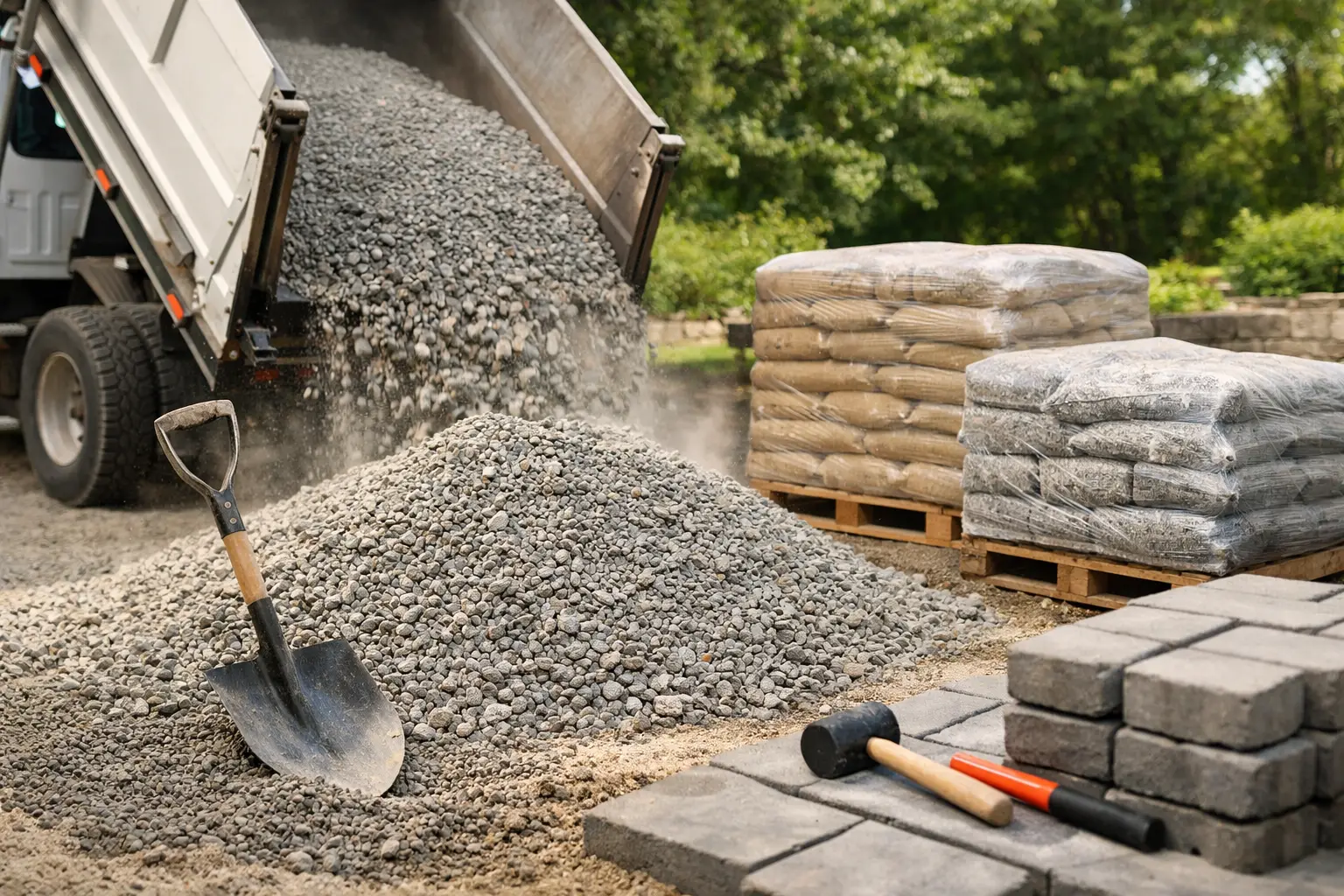
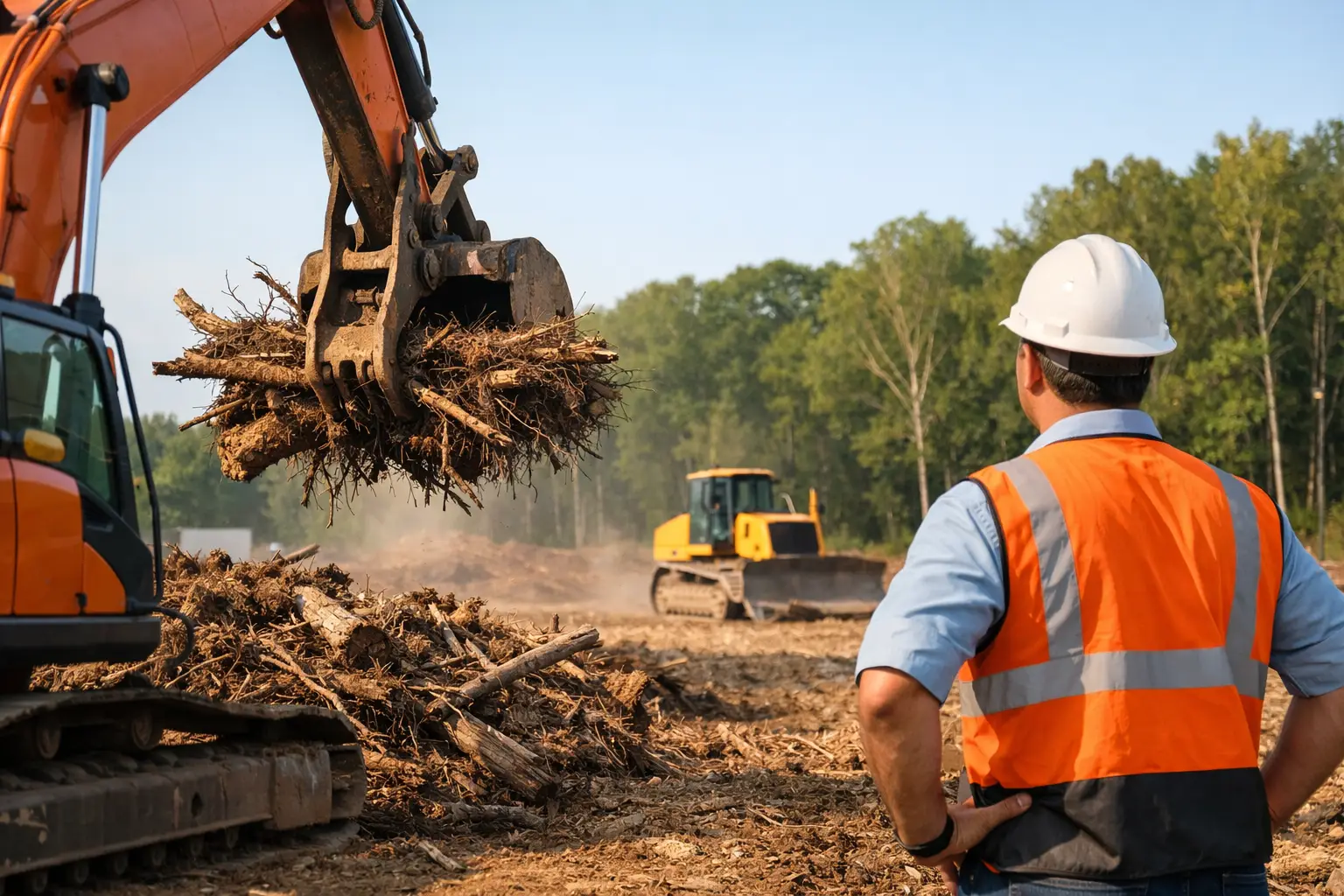
Paver Base Material Delivery Made Simple

A patio, walkway, or driveway can look simple on paper. The work gets harder when you realize how much crushed stone, sand, and base material must get from the supply yard to your property. Paver base material delivery takes that heavy hauling off your plate so you can keep the project moving instead of making multiple truck-bed trips.

For homeowners and contractors, delivery is not just about convenience. It helps protect the schedule, avoids overloaded personal vehicles, and puts the material where the crew needs it before installation begins. Whether you are refreshing a small backyard patio or preparing a larger hardscape area, getting the base right starts with getting the material there.

Why the Base Matters Before Any Pavers Go Down

Pavers are only as dependable as the surface underneath them. A proper base supports the finished surface, helps distribute weight, improves drainage, and reduces the chance of shifting, low spots, or uneven pavers later. Skipping steps below the paver may save time for a day, but it can create an expensive repair job after rain, traffic, and normal settling take over.

South Florida projects also need to account for heavy rain and sandy soil conditions. The right base depth, compaction, edge restraints, and drainage plan depend on the use of the space. A pedestrian walkway has different demands than a driveway where vehicles will pass over the same area every day.

Base material is usually placed over a properly excavated and graded area. Many installations also use geotextile fabric between the soil and the aggregate base to help separate the layers. A bedding layer of concrete sand is typically added above the compacted base before pavers are set. The exact build-up should follow the paver manufacturer’s specifications, local requirements, and the recommendations of an experienced installer.

What Paver Base Material Delivery Can Bring

The word “base” can mean different materials depending on the job. Before booking paver base material delivery, confirm exactly what your installer needs and how the supplier measures it. Material may be ordered by the cubic yard, ton, bag, or pallet, and those measurements are not interchangeable.

For many paver jobs, crushed limestone, road base, or another compactable aggregate is used for the structural layer. The material needs angular particles and fines that lock together when compacted. Round gravel may look clean, but it generally does not compact into the same stable surface for a paver base.

Concrete sand is commonly used as the thin leveling layer directly under the pavers. Polymeric sand is a separate product used to fill the joints after installation. These materials have different jobs, so ordering “sand” without being specific can lead to a frustrating delay once the work is underway.

Your project may also require pavers, edging, drainage rock, geotextile fabric, or fill material. Combining material needs into one planned delivery can simplify logistics, but it depends on available truck space, material types, and where each item must be unloaded. Ask about delivery options before assuming everything can arrive together.

How Much Base Material Should You Order?

The most common delivery mistake is ordering based only on the finished paver area. You need to calculate the excavated area and planned compacted depth, then allow for compaction and a reasonable margin for grading adjustments.

Start by measuring the length and width of the area in feet. Multiply them to find square footage. Then multiply the square footage by the planned base depth in feet to find cubic feet. Divide that number by 27 to estimate cubic yards.

For example, a 20-foot by 15-foot patio is 300 square feet. A 4-inch base is about 0.33 feet deep. That works out to roughly 3.7 cubic yards before accounting for compaction, material type, and site conditions. An installer or material provider can help convert the order into the correct quantity and weight.

Do not guess on driveway depth. A driveway, parking area, or commercial access path may need a thicker base and more careful preparation than a patio. Existing soil, drainage, expected loads, and local requirements all affect the final plan. Ordering too little can stop the job halfway through. Ordering far too much can leave you with a pile that must be moved or hauled away later.

Plan the Drop-Off Before the Truck Arrives

Delivery day goes smoothly when the unloading area is ready. Aggregate is heavy, and the delivery driver needs a safe, accessible place to dump or stage material. A spot that seems close enough can still create extra labor if it blocks the driveway, sits on soft ground, or is too far from the work area.

Before scheduling, check the width of gates and driveways, overhead clearance from trees or utility lines, parked vehicles, low-hanging rooflines, and the turning space available for a truck and trailer. Let the delivery team know about tight access, steep slopes, homeowner association restrictions, or a narrow street. Clear communication helps avoid surprises at the curb.

Think carefully about where loose aggregate will be dumped. A pile on grass can damage the lawn, especially after rain. A pile placed in the middle of the only driveway may trap vehicles until it is moved. If the material will be delivered on pavement, use a protected location if possible and make sure it will not block traffic, drainage paths, or garage access.

For larger jobs, delivery timing matters just as much as placement. Schedule material after excavation is close to complete, but before the crew is standing by waiting for it. If rain is expected, protect the prepared excavation and avoid allowing runoff to wash soil into the work area.

Paver Base Material Delivery vs. Hauling It Yourself

Picking up material yourself can work for a very small repair, especially when you only need a few bags. Once a project requires bulk aggregate, the math changes quickly. A cubic yard of compactable base can weigh well over a ton depending on moisture and material type. That is more weight than many personal trucks and trailers can safely carry.

Multiple supply-yard trips also use time you could spend preparing the site, compacting layers, or setting pavers. You may need to load, secure, unload, sweep out the vehicle, and repeat the process several times. Delivery puts the bulk load where it belongs without asking you to turn your vehicle into a work truck.

There are trade-offs. Delivery has a scheduling window and may include a delivery charge, while bagged material gives you more flexibility for tiny jobs. But for most patios, driveways, and full walkway installations, bulk delivery is often the more practical and cost-conscious choice when you consider fuel, rental equipment, labor, and time.

Make the Installation Easier From the Start

Once material arrives, it still needs to be spread in manageable lifts and compacted properly. Dumping an entire pile directly into a prepared excavation can make access difficult and leave more raking and wheelbarrow work than expected. Plan a route for moving material and make sure the crew has the equipment needed to spread and compact it.

A plate compactor is usually needed to compact aggregate base in layers, not just at the end. Water may be lightly added depending on the material and conditions, but soaking the area is not the answer. The goal is a dense, level base with the planned slope for drainage.

If your project also creates old pavers, broken concrete, dirt, or renovation debris, plan removal at the same time. A&D Junk Removal LLC can support projects in Dade and Broward counties with material delivery, debris hauling, dumpster rental, and Bobcat services, helping keep the jobsite clear instead of turning it into another obstacle.

Before you book, have your material type, estimated quantity, preferred drop-off location, access details, and delivery date ready. A few minutes of planning can keep your paver project clean, organized, and ready for the next layer of work.

How to Get a Lot Cleared Without Delays

An overgrown lot can hold up a sale, delay a build, attract illegal dumping, or make a property look neglected. If you are figuring out how to get a lot cleared, the fastest route is not simply sending in heavy equipment. A clean result starts with knowing what is on the property, what must stay, where the debris will go, and whether permits or utility checks are needed first.

For homeowners, investors, property managers, and contractors, lot clearing is about making the next step easier. That may mean preparing for construction, opening up a yard, removing storm debris, or getting a vacant property ready to show. The right plan keeps the work moving without creating a bigger cleanup problem later.

Start With a Clear Goal for the Property

Lot clearing can mean very different things depending on the job. One property may only need brush, loose debris, and a few unwanted items removed. Another may have fallen trees, old fencing, concrete, sheds, tires, construction material, or illegal dumping that requires sorting and hauling.

Before requesting a quote, decide what you want the finished lot to look like. Do you need the area cleared down to bare ground? Are mature trees, palms, fences, utility poles, or landscaping staying? Will the site need rough grading afterward, or does it simply need to be clean and accessible?

Photos and a quick walkthrough help answer these questions. They also help a removal crew bring the right trailer, tools, Bobcat, or demolition equipment instead of losing time with an undersized setup. If access is tight, point out gates, alleys, soft ground, overhead branches, and nearby parked vehicles. The more clearly the job is defined, the more accurate the pricing and schedule can be.

Check Ownership, Rules, and Utilities First

Do not assume a vacant or neglected parcel is ready for work. Confirm property boundaries and make sure you have authority to authorize clearing. This is especially important for rental properties, inherited land, commercial sites, and lots managed by an association or multiple owners.

Local requirements can vary based on the work involved. Removing loose junk and storm debris is different from demolishing a structure, removing protected trees, changing drainage, or excavating soil. In Miami-Dade and Broward County, permit needs may depend on the municipality, the size of the work, and what is being removed. A professional crew can help explain the scope of its work, but the property owner should make sure any required approvals are handled before the project starts.

Utility safety is non-negotiable. Underground electric, gas, water, sewer, irrigation, and communication lines may not be obvious from the surface. Contact the proper utility locating service before digging, grading, driving stakes, or using equipment near suspected lines. Overhead lines matter too, particularly when removing tall brush or trees with equipment.

Sort the Work Into Removal, Demolition, and Site Prep

A lot gets cleared efficiently when the work is separated into practical stages. First comes the removal of trash, bulky junk, loose construction debris, and items that can be loaded directly. Next may be light demolition, such as broken sheds, old decks, fencing, or small structures that need to be dismantled before hauling.

Vegetation is its own category. Brush, branches, invasive growth, and small trees can usually be cut, gathered, loaded, and hauled away. Large tree removal, stump grinding, or work near power lines may require a specialized tree service. It is better to identify that need early than to have a crew arrive and discover the project is beyond the planned scope.

Finally, there is site prep. A Bobcat can be useful for moving piles, loading heavy debris, spreading material, clearing surface growth, and creating better access. However, equipment is not always the right answer. Wet soil, poor drainage, septic systems, narrow access, and nearby structures can limit where machinery can go. Sometimes a smaller, careful approach protects the property better and costs less in repairs.

Choose the Right Disposal Plan

One reason lot clearing becomes stressful is that debris does not all go to the same place. Yard waste, household junk, scrap metal, concrete, dirt, treated lumber, appliances, and hazardous materials may have different disposal requirements. Mixing everything into one pile can slow loading, increase disposal costs, and create problems at the transfer station or landfill.

A reliable removal company will identify what it can haul and what requires special handling. For example, paint, chemicals, fuel, batteries, certain electronics, and other hazardous materials generally cannot be treated like ordinary junk. If you find unknown containers or materials that look unsafe, leave them alone until they can be evaluated properly.

For a large project, a dumpster rental may make sense when you need several days to clean out a site, renovate a building, or fill the container as work progresses. For a one-time cleanup, full-service junk removal is often easier because the crew loads the debris and takes it away. The best choice depends on how quickly debris will be generated, how much space the property has, and whether you have people available to do the loading.

Build a Realistic Schedule

The fastest lot-clearing jobs are usually the ones planned before the crew arrives. Start by setting a target date for the next phase, such as a property inspection, concrete work, landscaping, construction delivery, or listing photos. Then work backward to allow time for approvals, utility locates, weather delays, and disposal logistics.

South Florida weather deserves special consideration. Heavy rain can soften a lot quickly, making it unsafe for equipment and increasing the chance of ruts or drainage issues. Storm season can also create high demand for debris hauling. If the job has a deadline, booking early gives you more flexibility.

Ask for a clear scope of work that explains what will be removed, what will remain, how debris will be hauled, and whether sweeping or rough cleanup is included. A low quote that only covers a small portion of the pile is not a bargain. Good communication upfront prevents surprise charges and makes it easier to compare service options fairly.

Prepare the Lot Before the Crew Arrives

A little preparation can save time on the day of service. Remove personal items, documents, valuables, or equipment that could be mixed into the debris. Mark anything that must stay, including trees, plants, fences, irrigation heads, building materials, or salvageable items. Bright tape, cones, or a quick conversation during the walkthrough can prevent costly mistakes.

Make room for loading and hauling. Move vehicles out of the driveway or access path, unlock gates, and let neighbors know if a trailer or equipment may temporarily affect a shared entrance. If the lot is behind a home or business, confirm the crew has enough room to turn around and work safely.

If you are keeping materials such as pavers, lumber, doors, or metal, separate them from the trash before work begins. Crews can work faster when they do not have to guess what is meant to stay. Clear instructions also make reuse and responsible disposal more realistic.

Know When to Hire a Full-Service Crew

You may be able to handle a few bags of yard waste or a small pile of branches yourself. A full-service crew is usually the better choice when the lot has heavy debris, bulky items, demolition material, overgrowth, repeated dumping, or a tight deadline. It also makes sense when you do not have a truck, trailer, disposal access, or time to make multiple landfill runs.

Look for a company that asks questions about access, debris type, volume, and your end goal. That is a sign it is planning the job rather than guessing. The team should be able to explain whether junk removal, dumpster rental, light demolition, material delivery, or Bobcat support is the best fit for the property.

A&D Junk Removal LLC helps customers clear cluttered lots and prepare sites without making them manage the hauling details themselves. Whether the job is a small residential cleanup or a larger project with mixed debris, the goal is simple: show up ready, work safely, haul it away, and leave the property ready for what comes next.

A cleared lot is more than an empty space. It is a clean starting point for a sale, a renovation, a build, or a property you can finally use again. Plan the scope, protect what matters, handle safety checks early, and choose a crew that treats your timeline like it matters.

How to Prepare Property for Bulk Pickup

The fastest bulk pickup jobs usually start before the truck arrives. If you need to prepare property for bulk pickup, a little planning can save time, prevent extra fees, and make sure everything gets hauled away in one trip instead of two.

That matters whether you are clearing out a garage, emptying a rental, cleaning up after a renovation, or getting a property ready for sale or new tenants. The goal is simple: make the load easy to access, easy to identify, and safe to remove.

Why it helps to prepare property for bulk pickup first

Bulk pickup is not just about putting items outside and hoping for the best. Large furniture, yard debris, broken appliances, construction material, and mixed junk all come with different handling needs. When a property is not organized, crews spend more time sorting, checking access, and moving around obstacles.

That can slow down the job and create avoidable problems. Tight pathways, blocked gates, loose debris, and unclear pile separation are common reasons pickups take longer than expected. If you are paying for labor, truck space, or a scheduled service window, that extra time matters.

A prepared site also reduces stress on your side. You know what is leaving, what is staying, and what needs special handling. That is especially useful for landlords, contractors, and busy homeowners who do not want to stand outside making last-minute decisions while a crew waits.

Start by deciding what actually goes

Before you move a single item, walk the property and make clear decisions. The biggest source of delay is uncertainty. If a pile includes things you want to keep, donate, or move to storage, that pile usually has to be sorted on site.

Go area by area. Check the garage, side yard, backyard, shed, office, or vacant unit. If you are dealing with a larger cleanup, keep a simple system: remove, keep, donate, or set aside for special disposal. You do not need a complicated checklist, but you do need clear separation.

If more than one person is involved, this step matters even more. Family members, tenants, maintenance staff, or project managers often have different ideas about what should be hauled. Get agreement early so the pickup does not stall when the crew arrives.

Group items by type when possible

You do not need a perfect staging system, but grouping similar materials helps. Furniture in one area, bagged trash in another, yard waste in another, and renovation debris in its own pile is usually enough.

Why does this help? Some items stack differently in the truck. Some may need to be loaded first because they are heavy or awkward. Others may need separate disposal based on local rules or facility requirements. Mixed piles are slower to load and harder to price accurately.

This is one of those it-depends situations. If you only have a couch, a dresser, and a few boxes, strict sorting is probably unnecessary. But if you are clearing a whole property, handling construction debris, or combining indoor junk with outdoor waste, grouping saves real time.

Make access easy from the start

A bulk pickup crew can only work as fast as access allows. Look at the route from the street or driveway to the pickup area. If gates are locked, cars are blocking the path, or items are buried behind other items, the job becomes harder than it needs to be.

Move vehicles out of the way before the appointment window. Open side gates if the pile is in the backyard. If you live in a building with an elevator, loading zone, or access code, have that ready ahead of time. For commercial properties, make sure the right person on site can approve entry and direct the crew.

If you are placing items curbside, keep them in a spot that is visible and reachable without blocking sidewalks, mailboxes, or traffic. If you are keeping the items on private property for a full-service pickup, create a clean walking path so large pieces can be removed safely.

In South Florida, weather can also change the plan. Rain can soak cardboard, loosen bagged debris, and make yard areas muddy. If pickup is scheduled during a wet week, placing items on a firm surface can make a big difference.

Break down what you safely can

One of the easiest ways to prepare property for bulk pickup is to reduce volume before pickup day. Break down empty boxes, remove loose shelves from cabinets, and take apart lightweight furniture if that can be done safely and quickly.

This is not always worth doing. If you are dealing with heavy furniture, built-ins, demolition material, or anything that requires tools and extra labor, forcing a breakdown can waste time or create safety risks. But for simple items, less bulk means easier loading and better use of truck space.

Bag loose material whenever possible. Small scraps, clothing, paper, and non-sharp clutter should not be left blowing around the yard or driveway. Secure bags and bins also make the property look cleaner while you wait for service.

Separate items that may need special handling

Not everything belongs in a standard bulk load. Paint, chemicals, fuel, propane tanks, batteries, and some electronics may require separate disposal. Appliances can also be a gray area depending on the item, the condition, and local handling rules.

If you are not sure, ask before pickup day. That is much easier than discovering day-of that certain items cannot go on the truck. The same goes for very heavy materials like concrete, dirt, roofing debris, or large amounts of tile. These loads may still be removable, but they often need different planning, equipment, or pricing.

A good rule is simple: if something is hazardous, unusually heavy, or difficult to identify, flag it early.

Think about safety, not just convenience

People often focus on making the pile neat, but safety matters just as much. Remove nails, sharp metal edges, or broken glass when you can do so safely. Keep children and pets away from the staging area. Do not stack items so high that they can tip over.

If the property has stairs, uneven ground, narrow hallways, or low-hanging branches, take note of that before the crew arrives. You do not have to solve every challenge yourself, but you should communicate it. Hidden access issues are one of the main reasons a straightforward pickup turns into a longer job.

For property managers and landlords, safety also includes protecting what stays behind. Mark fixtures, doors, or appliances that are not part of the removal so there is no confusion.

Prepare differently for homes, rentals, and job sites

A single-family home cleanup usually comes down to access and sorting. Get the pile together, clear the route, and make sure everything intended for removal is easy to identify.

Rental properties need a little more control. If a tenant move-out is involved, check closets, patios, and exterior storage areas before scheduling the pickup. It is common for bulky leftovers to be spread across multiple spots instead of one central pile.

Construction and renovation sites are different again. Debris tends to build up fast and spread out. In those cases, keeping scrap in one loading zone throughout the project often works better than waiting until the end and dealing with a mess everywhere. If you need support beyond simple hauling, a company like A&D Junk Removal LLC can help keep the site moving without turning cleanup into another project of its own.

What to do the day before pickup

The day before service, do one final walk-through. Make sure the load is still accessible, the keep-items are separated, and any special items have been mentioned. This is also the time to confirm gates, parking, pets, and on-site contacts.

If you are not going to be present, leave clear instructions. Photos, simple notes, and marked piles can prevent confusion. That is especially helpful for landlords, business owners, and contractors managing a property remotely.

You do not need to overthink it. The best prep is practical. Clear path, clear pile, clear expectations.

When professional help makes more sense

Some pickups are easy enough to stage on your own. Others involve too much material, too little time, or items that are too heavy to move safely. If you are clearing an estate, handling a tenant turnover, cleaning up storm debris, or dealing with renovation waste, the right help can save you several rounds of loading, hauling, and figuring out disposal.

That is really the point of preparing well. You are not trying to create a perfect site. You are making the job faster, safer, and easier from the start so the property gets cleared without extra hassle.

If you are looking at a crowded garage, a pile of broken furniture, or debris spread across a property, start small. Pick what goes, make room to reach it, and group it in a way that makes sense. A cleaner space starts with a clear plan.

Land Clearing Bobcat Miami: What to Expect

A backyard full of brush, broken concrete, old fencing, and uneven ground can turn a simple project into a stalled one fast. If you are searching for land clearing bobcat Miami service, you are usually not looking for theory – you need the site cleaned up, access improved, and the next phase of work moving.

That is where Bobcat service makes a real difference. For the right job, it saves hours of hand labor, reduces repeated hauling, and helps clear space in a way that is cleaner and more controlled than trying to piece the work together with a pickup truck and a few weekends. Whether you are a homeowner getting ready for a new shed, a contractor opening up a work area, or a property manager trying to bring a lot back under control, the goal is the same: get the ground usable again without dragging the job out.

When land clearing Bobcat Miami service makes sense

Not every clearing job needs heavy equipment. If you are dealing with a few loose branches or a small pile of trash, manual cleanup may be enough. But once the site includes dense overgrowth, scattered debris, dirt piles, broken materials, or limited access for loading by hand, Bobcat work starts to make more sense.

A Bobcat is especially useful when the job is more than just removing junk. Many sites need a mix of clearing, pushing, scooping, loading, and leveling. That combination matters because most people do not want to hire one company for debris removal, another for light demolition cleanup, and another for moving materials around the lot. They want one crew that can show up and handle the site in a practical way.

That is often the difference between a cheap-looking quote and a job that actually gets finished properly. Clearing land is not just about making the mess disappear. It is about improving access, reducing hazards, and setting up the space for what comes next.

What a Bobcat can handle on a clearing job

A Bobcat is a good fit for a wide range of light to medium site work. It can move brush, soil, gravel, construction debris, tree limbs, and other bulky material much faster than hand loading. It also helps with pulling debris into organized piles, scraping off surface buildup, and cleaning areas where loose material is spread across the ground.

For residential jobs, that might mean cleaning out a neglected side yard, removing old landscape buildup, or clearing space before a renovation. For commercial properties, it can help open up storage yards, remove dumped debris, or prepare an area for repairs and tenant improvements.

There are limits, and that matters too. A Bobcat is not the answer for every tree removal job, deep root extraction, or major excavation project. If the land has large stumps, buried utility concerns, or major grading issues, the scope may require additional equipment or a different kind of contractor. A trustworthy service provider will tell you that up front instead of forcing the wrong machine onto the wrong job.

The real value is speed, cleanup, and control

Most customers think first about speed, and that is fair. Equipment moves material faster. But the bigger value is usually control.

With Bobcat clearing, debris can be gathered and loaded in a more organized way. That helps keep the site safer and less chaotic, especially when there are nails, concrete chunks, twisted fencing, or demolition material mixed in. Instead of workers dragging everything by hand across the property, the machine can reduce unnecessary movement and cut down on the mess left behind.

That matters on occupied properties. If people are living there, managing tenants, or trying to keep a business open, the work needs to move efficiently without turning the whole site into a bigger headache. A cleaner process usually means less downtime and less frustration.

What to expect before the job starts

A good land clearing job starts with the right questions. What exactly needs to be removed? Is it only vegetation and loose debris, or are there heavy materials mixed in? Is the goal just to clear the lot, or also to level parts of it and improve access? Can the machine get into the area easily, or is there a gate, tight alley, soft ground, or parked vehicles to work around?

These details affect the plan, the timeline, and the price. They also help avoid one of the most common problems with site work: customers and crews using the same words for different expectations. One person says clear the lot and means remove junk and brush. Another means strip everything down to bare dirt. That difference should be discussed before the machine arrives.

Photos help, but a clear walkthrough is even better when possible. It gives everyone a realistic understanding of what is on the ground and what needs to happen to finish the job properly.

How pricing usually works

For land clearing Bobcat Miami jobs, pricing depends on volume, material type, accessibility, and disposal needs. A clean pile of brush is different from a mixed site with wood, concrete, scrap, fencing, and buried debris. A wide-open front lot is different from a cramped backyard with limited entry.

The cheapest option is not always the best value if it leaves behind part of the mess or does not include hauling. Customers often run into trouble when they assume equipment work automatically includes debris removal, only to find out they still need another service after the clearing is done.

That is why bundled service matters. If the same team can clear, load, haul, and dispose of material responsibly, the process is simpler and usually more cost-effective than breaking the job into pieces. It also means less time coordinating multiple companies and fewer chances for delays.

Why local conditions matter in Miami-area clearing

Ground conditions in South Florida can change how a job is handled. Wet areas, dense brush growth, storm debris, and tight residential layouts all affect equipment access and cleanup strategy. In some neighborhoods, speed matters because properties need to be cleaned quickly after a storm or before code issues get worse. In others, the priority is protecting driveways, fences, and nearby structures while still moving fast.

That is why local experience counts. A crew that regularly handles site cleanup in Dade and Broward understands that not every property gives you perfect machine access or ideal dumping conditions. Sometimes the job calls for a mix of machine work and hand cleanup to do it right.

Combining Bobcat service with junk removal saves time

This is where many clearing jobs either stay simple or become a headache. If the site has overgrowth plus dumped junk, renovation debris, old materials, or leftover demolition waste, then land clearing alone is only half the solution.

Combining Bobcat work with junk removal keeps the project moving. The machine can gather and load material quickly, while the hauling side makes sure it actually leaves the property. That approach is practical for homeowners who want the yard back, for landlords turning over a property, and for contractors trying to keep crews working instead of stopping to deal with piles of debris.

A&D Junk Removal LLC fits well in that kind of job because the service is not limited to one narrow task. When clearing, hauling, and site support come from one provider, customers spend less time managing logistics and more time getting the property ready for the next step.

How to know if you are ready to book

If your lot or work area has gotten to the point where hand cleanup feels too slow, too heavy, or too scattered, it is probably time to bring in equipment. The same goes if the area needs more than cleanup – if it needs space opened up, debris pushed together, surface material moved, or access improved.

You do not need a massive construction site to benefit from Bobcat service. Plenty of jobs are straightforward residential or small commercial cleanups that simply need the right equipment and a crew that shows up ready to work.

The best results come from being clear about the goal. If you want a yard cleaned, say that. If you need brush removed, debris hauled, and the ground roughly leveled for the next phase, say that too. A good team can work with either request, but clear expectations lead to a smoother job.

When a property is cluttered, overgrown, or hard to use, waiting usually does not make it easier. The pile gets bigger, access gets worse, and the next project keeps getting pushed back. Sometimes the smartest move is the simple one – get the area cleared, get the debris out, and give yourself room to move forward.

When Should I Rent a Trailer?

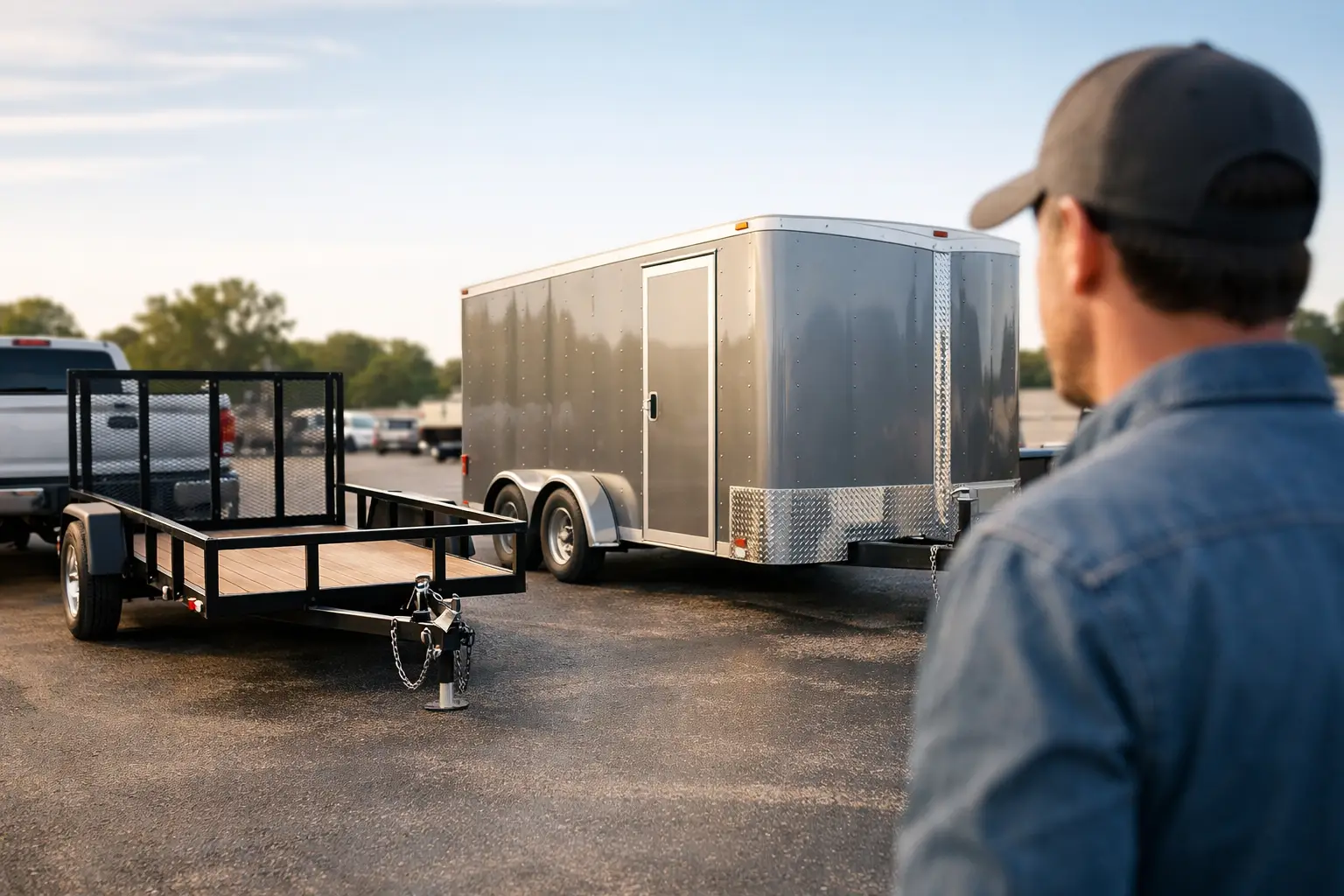
A garage cleanout usually starts small. Then you pull out a broken shelf, a pile of old paint cans, yard waste from last month, and suddenly your pickup bed is full before the real work even begins. That is usually the moment people ask, when should I rent a trailer instead of making trip after trip and losing a whole weekend to hauling.

The short answer is this: rent a trailer when the job is too big for your regular vehicle, too messy to keep piling up, or too time-sensitive to manage one load at a time. A trailer makes sense when you need room, flexibility, and a simple way to keep the project moving. For a lot of homeowners, contractors, and property managers, it is less about the trailer itself and more about avoiding delays, extra labor, and disposal headaches.

When should I rent a trailer for a home project?

If you are doing a project that creates debris over several hours or several days, a trailer rental is often the better call. Home cleanouts, remodels, landscaping work, roofing repairs, garage cleanups, and small demolition jobs all create more material than most people expect.

A trailer gives you one place to put everything as you work. That matters more than people realize. Instead of stacking junk in the driveway, stuffing your car, or making separate piles for “later,” you can load as you go and keep the space under control. That makes the job cleaner, safer, and easier to finish.

It is especially useful when the waste keeps coming in stages. A bathroom demo might not look like much on day one, but once tile, drywall, vanities, and old fixtures start coming out, the volume adds up fast. The same goes for yard projects. Trimming trees, pulling out old fencing, and clearing overgrowth can fill a trailer much faster than a standard trash pickup can handle.

The clearest signs it is time to rent a trailer

One good rule is to look at the number of hauling trips your project would take without one. If you are already thinking it might take two or three trips, a trailer is usually worth considering. Once you factor in loading time, unloading time, fuel, dump fees, and the wear on your vehicle, the “cheaper” option often stops being cheaper.

Another sign is when the material is bulky or awkward. Old furniture, cabinets, drywall, flooring, branches, fencing, and demolition debris do not load neatly into most vehicles. Even if they fit, they can damage interiors, scratch truck beds, or create a mess you then have to clean up.

You should also rent a trailer when the job has a deadline. Maybe you are getting a property ready for tenants, finishing a renovation before the next trade arrives, or clearing storm debris before it becomes a bigger problem. When time matters, having a trailer on site keeps the work moving instead of forcing you to stop and haul in the middle of the job.

When should I rent a trailer instead of a dumpster?

This depends on access, material type, and how the job is being handled. A dumpster is a good fit for some jobs, but a trailer can be the smarter option when placement, timing, or convenience matter more.

A trailer works well when you want easier loading height, faster drop-off and pickup, or a more flexible setup for a smaller space. For many residential customers, that lower loading access is a real advantage. Tossing debris into a trailer is often easier than lifting it over the high walls of a dumpster, especially with heavy materials like tile, concrete chunks, or torn-out cabinets.

A trailer can also be a better fit if you do not want a large container sitting in place for too long. Some customers want the debris gone quickly. Others are working in tighter driveways or shared properties where space is limited. In those cases, trailer rental can be the simpler and cleaner solution.

That said, it depends on the scale of the job. If you are gutting a full house or handling a large construction site, a dumpster may make more sense. If you are doing a focused cleanout, a moderate renovation, or a short-term debris project, a trailer often gives you the right amount of capacity without overcomplicating things.

Good times to rent a trailer

The best time to rent a trailer is before debris starts piling up. Waiting too long usually creates two problems. First, you lose usable space in the area you are trying to clean or work in. Second, the job starts feeling bigger than it needs to be because the mess builds faster than it leaves.

For homeowners, the best time is often right before a planned cleanout, remodel, landscaping push, or move-out. For contractors and property managers, it is usually before demo begins or before crews start generating material that needs to be cleared out fast.

It also makes sense to think seasonally. In South Florida, storm prep and storm cleanup can create sudden hauling needs. Yard waste, damaged fencing, ruined furniture, and soaked materials can pile up quickly after bad weather. Having a trailer delivered when time matters can save a lot of stress.

If you are coordinating multiple services, timing matters even more. A trailer can support demolition, material delivery, property cleanup, and site prep in a way that keeps the whole job more organized.

Jobs where renting a trailer saves the most hassle

Some projects benefit from a trailer more than others. Estate cleanouts are one example because the amount of unwanted material is usually larger than expected, and the work tends to move room by room. Rental property turnovers are another because speed matters, and leftover junk can delay repairs, painting, or new occupancy.

Renovation jobs also benefit because debris shows up in waves. You may clear out cabinets one day, flooring the next, and drywall after that. A trailer gives you a steady place for all of it. The same is true for landscaping and outdoor work. Dirt, branches, fencing, pavers, and old sheds create awkward loads that are hard to manage with a personal vehicle.

Small business owners can benefit too. If you are clearing storage, replacing fixtures, remodeling a storefront, or getting rid of damaged inventory, a trailer helps you keep business disruption to a minimum.

What to think about before you book

Start with volume. Not exact measurements, just a realistic look at how much material you expect. Most people underestimate. If you already have a pile started, and more is still coming, that is a strong clue that a trailer is the right move.

Next, think about the type of debris. Household junk, yard waste, construction debris, and demolition material all load differently and may affect what service setup makes the most sense. It helps to be upfront about what you are throwing away so the rental fits the job.

Then consider access. Is there room in the driveway or at the site? Do you need something easy to load? Are you trying to avoid repeated traffic in and out of a residential property? Those details matter because the best rental is not just about size. It is about how smoothly the job gets done.

Finally, think about labor. A trailer solves the disposal side, but some jobs also need help loading, demolition, or cleanup. If one company can handle more than one part of the project, that usually saves time and back-and-forth scheduling.

The real question is not just cost

A lot of people wait because they are focused on whether renting a trailer is “worth it.” That is fair, but cost is only one part of the decision. The bigger question is what happens if you do not rent one.

If skipping the trailer means multiple dump runs, project delays, debris sitting around for days, or damage to your own vehicle, the cheaper option may actually be the more expensive one. The value is in keeping the work moving and keeping your property cleaner while it happens.

That is why trailer rental makes sense for so many cleanup and project situations. It removes friction. You get a place for the mess, a plan for disposal, and one less problem to manage.

If you are looking at a cleanup, renovation, turnover, or debris-heavy job and thinking you might be able to tough it out with your own vehicle, that is usually the moment to pause. A trailer is often the difference between dragging the job out and getting it done without the usual hassle. If the mess is growing faster than your time, rent the trailer and keep moving.

When Should You Rent Dumpsters?

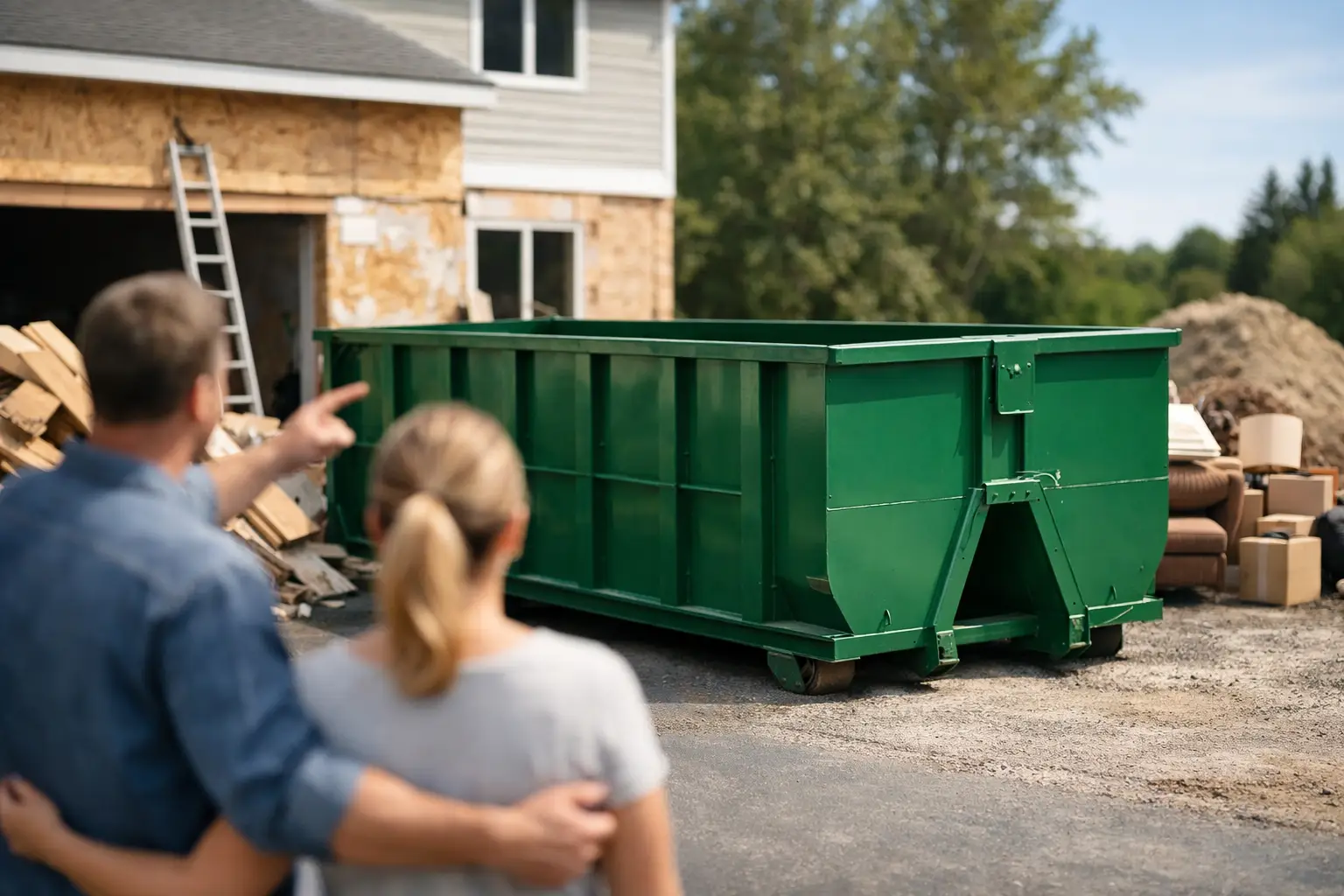
A pile of debris usually starts small. A few old boxes from the garage, broken drywall from a bathroom update, tree limbs after a weekend cleanup. Then it grows fast, and suddenly your regular trash service is not even close to enough. That is usually when people start asking when should you rent dumpsters instead of trying to haul everything away a little at a time.

The short answer is this: rent a dumpster when the amount of waste is too much for your normal trash pickup, when cleanup will take more than one trip, or when having debris on-site will slow down your project. The better answer depends on what kind of job you are doing, how quickly you need it gone, and how much hassle you want to avoid.

When should you rent dumpsters for a home project?

For most homeowners, dumpster rental makes sense any time a project creates steady waste over a few days or more. If you are clearing out one closet, you probably do not need one. If you are cleaning out a whole house, replacing flooring, tearing out cabinets, or emptying a garage that has not been touched in years, it can save a lot of time and frustration.

One of the biggest signs is when debris keeps piling up faster than you can bag it, stack it, or haul it. A dumpster gives you one place to put everything as you work. That keeps the driveway, yard, or job area cleaner and safer.

It also helps when the waste is bulky. Old furniture, carpet, shelving, fencing, broken appliances, and renovation debris take up space fast. Even if you own a truck, multiple dump runs eat up your day. You have loading time, driving time, unloading time, disposal fees, and cleanup after each trip. At a certain point, renting a dumpster is just the simpler option.

The most common times to rent a dumpster

Some jobs almost always justify a dumpster because the waste is predictable and the volume adds up quickly.

During a renovation or remodel

Kitchen remodels, bathroom tear-outs, flooring replacement, roofing work, and interior demolition all create debris that needs to go somewhere right away. Drywall, tile, wood, cabinets, insulation, and packaging can overwhelm a space in one day.

If contractors are working around piles of debris, the job slows down. If you are doing the work yourself, the mess gets exhausting. A dumpster keeps the project moving and gives you a clean way to manage the waste as it happens.

During a major cleanout

Estate cleanouts, foreclosure cleanups, hoarding situations, downsizing, and moving prep are all strong reasons to rent a dumpster. These jobs usually involve a mix of items that are too large or too numerous for curbside pickup.

A dumpster is especially useful when you need to make decisions quickly. Instead of sorting every item into separate trips, you can clear the property efficiently and keep momentum. That matters when you are on a deadline to sell, lease, renovate, or hand over a property.

After a storm or yard project

Storm debris can be heavier and messier than people expect. Branches, fencing, damaged outdoor furniture, and soaked materials can pile up fast. The same goes for large landscaping projects, tree trimming, shed removal, and fence replacement.

If the cleanup will fill a trailer more than once, renting a dumpster often makes more sense than trying to manage it piece by piece.

For construction and commercial jobs

Contractors, property managers, and small business owners often rent dumpsters when keeping a site clean is part of keeping work on schedule. Demolition debris, packaging, old fixtures, broken materials, and general job site waste can create safety issues if they sit too long.

On active job sites, convenience matters. Having a dumpster on location means crews can load debris immediately instead of stacking it in corners and dealing with it later.

When a dumpster may be better than junk removal

This is where it depends.

If you want a team to do the lifting, loading, and hauling for you, junk removal is often the better fit. If you want time to work through a cleanup at your own pace, a dumpster is usually the better choice. Both solve the same problem, but the right option depends on how hands-on you want to be.

Dumpster rental works well when you have an ongoing project, want flexibility, or know you will keep generating debris over several days. Junk removal works well when everything is already piled up and you want it gone fast without doing the labor yourself.

Some customers are not sure which way to go at first, and that is normal. A reliable local company should help you figure out what makes the most sense based on the volume, material, timeline, and access to the property.

Signs you should rent a dumpster sooner, not later

A lot of people wait until the mess becomes a problem. Usually, that ends up costing more time and adding stress.

You should think about renting early if debris is going to block a driveway, take over a garage, create a safety issue for kids or workers, or sit outside long enough to become an eyesore. In South Florida, weather is another factor. Rain can turn a manageable pile of debris into a heavier, messier cleanup.

There is also the issue of momentum. Projects tend to move better when waste has a clear exit plan. When people have to stop working just to figure out where to put broken tile, old lumber, or torn-out materials, everything drags.

When timing really matters

If you are coordinating contractors, a move-out, a sale, or a tenant turnover, delays can get expensive. Having the dumpster delivered before demo starts or before a cleanout begins can keep everyone on track.

Waiting too long can also leave you with fewer scheduling options, especially during busy times. If you know a project is coming up, it is smart to arrange waste removal early instead of treating it like an afterthought.

What to consider before renting

The best dumpster rental decision is not just about whether you need one. It is also about choosing the right timing and size for the job.

First, think about what you are throwing away. Household junk, construction debris, yard waste, and heavy materials all have different loading patterns. A small volume of concrete weighs a lot more than a large volume of cardboard and old clothes.

Second, think about where the dumpster will go. You need a spot that is accessible for delivery and pickup and practical for your cleanup. If the placement is awkward, the job gets harder than it needs to be.

Third, think about how long the project will run. If it is a one-day demolition, your needs may be different than a weeklong cleanout or multi-stage renovation.

This is where working with a responsive local provider helps. In busy areas across Dade and Broward counties, fast scheduling and clear communication can make the difference between a smooth job and one that gets backed up.

When should you not rent dumpsters?

Not every job needs one, and being honest about that helps customers make better decisions.

If you only have a few items, if the material is not allowed in a container, or if the waste can be removed in one quick pickup, a full dumpster rental may be more than you need. The same applies if you do not have enough space for safe placement.

That does not mean you are stuck. It just means another service may fit better. Sometimes a simple junk removal appointment is the faster and more cost-effective route.

The real value is less stress

Most people do not rent dumpsters because they are excited about waste management. They rent one because they want the cleanup to stop taking over the project.

That is the real answer to when should you rent dumpsters: when the mess is big enough to slow you down, create extra work, or turn a straightforward job into a drawn-out headache. If a container on-site saves you multiple trips, keeps the area cleaner, and helps you finish faster, it is probably the right call.

A good rental should feel simple. You get the container where you need it, load it as the work gets done, and move on without chasing dump runs or staring at debris for another week. For homeowners, contractors, and property managers alike, that kind of convenience is often what keeps a project under control.

If you are looking at a growing pile and wondering whether to keep pushing through or get help, that question usually answers itself pretty quickly. The easier path is often the one that keeps your space clear and your time focused on the job that actually matters.

When to Book a Backyard Leveling Service

A backyard that looks only slightly uneven can cause bigger problems than most people expect. Water starts pooling near the house, patio plans get delayed, fences go in crooked, and mowing turns into a chore. That is usually when a backyard leveling service stops being a nice-to-have and becomes the smart next step.

If your goal is to make the space usable, safer, and easier to build on, leveling is often the first job that needs to happen. It creates a better base for everything that comes after, whether that is sod, gravel, a play area, a shed pad, or a full outdoor upgrade.

What a backyard leveling service actually fixes

Leveling is not always about making a yard perfectly flat. In many cases, the real goal is to create the right grade so water flows away from structures and the surface feels stable underfoot. A good yard can still have a gentle slope. What it should not have is low spots, soft areas, and uneven ground that keeps causing problems.

This kind of work is often needed after tree removal, demolition, pool removal, drainage issues, construction traffic, or years of patchwork yard repairs. In South Florida especially, heavy rain can make a small grading issue much more obvious. What looked like a harmless dip in dry weather can turn into standing water after one storm.

A professional backyard leveling service can help correct those trouble spots with the right equipment and fill material, then shape the area for practical use. That matters if you are trying to avoid repeat problems instead of just covering them up.

Signs your backyard needs leveling

Some signs are obvious. Others get ignored until another project forces the issue.

If water sits in the same area for days after rain, that is a red flag. If the yard feels bumpy when you mow, if sections stay muddy, or if you notice exposed roots and washed-out soil, the grade may be off. The same goes for patios that hold water around the edges, fences that no longer line up with the ground, or a yard that seems to shift after every rainy season.

Leveling also comes up when homeowners want to install something new. A shed, pavers, turf, playground equipment, or even a clean gravel area all work better on properly prepared ground. Trying to build on uneven soil usually leads to more labor, more material, and more frustration.

For landlords, property managers, and contractors, yard leveling can also be part of turnover and site prep. If the property needs to be cleaned up, debris removed, and the ground reshaped before the next phase begins, handling it early keeps the schedule moving.

Why DIY yard leveling is not always cheaper

On paper, leveling a backyard yourself can seem simple. Rent equipment, bring in fill, spread it out, and smooth the surface. In reality, the hard part is knowing how much material is needed, what type of fill makes sense, and how the grade should move across the property.

Too little fill does not solve the problem. Too much in the wrong place can push water somewhere worse, including toward the house or a neighbor’s fence line. If the area has buried debris, roots, broken concrete, or old construction waste, the job gets more complicated fast.

That is where working with a crew that already handles site cleanup, hauling, and Bobcat work makes a difference. You are not just paying for dirt to be moved. You are paying to avoid rework, drainage mistakes, and the hassle of juggling multiple vendors.

What the leveling process usually looks like

Every yard is different, but most jobs follow the same basic path. First comes an evaluation of the area. The main questions are where water is collecting, how the yard is currently sloped, what the space will be used for, and whether any debris or obstructions need to be removed before grading begins.

Next comes prep work. That may include clearing junk, hauling out yard waste, removing concrete fragments, scraping high spots, or bringing in fill dirt or other material. If the backyard has been neglected or used as a dumping area for leftover project debris, cleanup can be a major part of the job.

Then the ground gets reshaped with the right equipment. For many properties, compact equipment is the practical choice because it can move through tighter residential spaces while still getting serious work done. Once the grade is adjusted, the surface may need to be compacted and fine-tuned depending on what comes next.

That final use matters. A yard being prepped for sod is different from one being prepped for pavers or a shed pad. The best results come from planning the leveling work around the end goal, not treating every backyard the same.

Backyard leveling service and drainage go together

One of the biggest mistakes property owners make is treating leveling as a cosmetic fix. A smooth-looking yard is great, but drainage is usually the reason this work matters.

If water has nowhere to go, you can end up with mosquito-prone standing water, soggy turf, soil erosion, and extra wear near foundations and walkways. In some cases, improper grading can also make outdoor living spaces less usable because the ground stays soft or slippery.

That does not mean every yard needs major drainage construction. Sometimes correcting a few low spots and reshaping the grade is enough. Other times, it makes sense to pair leveling with additional cleanup, material delivery, or site prep so the entire area functions better instead of just looking cleaner for a week or two.

When leveling should happen before other projects

Backyard improvements tend to go smoother when leveling happens first. If you already know you want a patio extension, gravel pad, turf install, fence line cleanup, or storage area, handling the ground prep upfront usually saves money later.

It is much harder to fix grade issues after materials are installed. Pavers may settle unevenly, sod may fail in wet spots, and a shed can end up on unstable ground. Even simple upgrades like decorative rock or stepping stones can look off if the base underneath was never corrected.

This is especially true after demolition or heavy cleanup work. Once old structures, debris, or unwanted materials are removed, the yard often needs reshaping before it is really ready to use again. A one-call approach is easier than hiring one company to clear it, another to haul it, and another to level it.

How to know if the job is small or more involved

A few shallow dips in an otherwise healthy lawn are one thing. A yard with repeated drainage issues, buried debris, washout areas, or years of uneven settlement is another.

The size of the space matters, but access matters too. A compact backyard with tight side access can take more planning than a larger open lot. Soil condition, existing landscaping, and nearby structures also affect the scope. If the grade near the home is wrong, the work needs extra care because changing one area can affect the whole flow of the yard.

That is why quick pricing over the phone only tells part of the story. The real cost depends on labor, access, material needs, disposal, and whether cleanup has to happen first. Straight answers and a clear scope matter more than a vague low quote that grows once the work starts.

Choosing the right crew for backyard leveling service

You want a company that understands more than just grading. Backyard work often overlaps with junk removal, debris hauling, demolition cleanup, and material delivery. When one team can handle the messy parts before and after leveling, the whole project gets simpler.

Look for a provider that communicates clearly, shows up when scheduled, and explains what the job includes. That sounds basic, but it is what keeps a stressful yard project from dragging out. Reliability matters just as much as equipment.

For homeowners and contractors in Dade and Broward County, that local responsiveness can make a real difference when weather shifts or project timing changes. If a crew can adjust quickly, remove waste, deliver material, and prep the site without making you coordinate every step, that is real value.

A&D Junk Removal LLC fits that kind of job well because the work does not stop at hauling things away. When a backyard needs to be cleared, reshaped, and made ready for what comes next, having one dependable team handle the support work saves time and cuts down on headaches.

Before you book, think about the end use

The best way to approach yard leveling is to be clear about what you want the space to do. A play area, drainage fix, clean open yard, parking pad, or future patio all call for slightly different prep. If you know the goal from the start, the work can be done in a way that supports it.

That is the difference between a temporary patch and a useful result. A backyard should not just look better from the fence line. It should drain better, feel better underfoot, and make the next project easier instead of harder.

If your yard has become one more thing on a growing to-do list, start with the ground. Once the surface is right, the rest of the space gets a whole lot easier to use.

7 Best Debris Removal Options for Any Job

A pile of broken drywall, old furniture, yard waste, and leftover renovation material can turn a simple project into a headache fast. The best debris removal options depend on what you are getting rid of, how much space it takes up, how quickly it needs to go, and whether you want to do any of the heavy lifting yourself.

That is where a lot of people get stuck. They know the mess has to go, but they are not sure whether they need a full-service junk crew, a dumpster rental, city pickup, or something else. The right answer is not always the cheapest option on paper. It is the one that saves time, avoids damage, keeps the property safe, and actually fits the job.

How to choose the best debris removal options

Start with volume. A few bags of yard debris and a broken chair are a very different job from a kitchen remodel or a rental property cleanout. If the debris is heavy, bulky, sharp, or mixed, disposal gets more complicated fast.

Next, think about labor. Some options are affordable because you do the loading, sorting, and hauling. Others cost more because a crew handles everything from pickup to disposal. For many homeowners, property managers, and contractors, the real value is not just removal. It is getting the mess gone without losing half a day doing it.

Timing matters too. If debris is blocking a driveway, slowing down a renovation, or making a property look neglected, waiting for a future pickup date can cost more in frustration than a faster paid service.

1. Full-service junk removal

For mixed debris and fast cleanup, full-service junk removal is often one of the best debris removal options. A crew comes to the property, loads the material, hauls it away, and handles disposal.

This works especially well for garage cleanouts, move-outs, storm debris, foreclosure cleanup, office cleanups, and renovation leftovers that are too much for a normal trash day. It is also a good fit when the debris is inside the house, upstairs, behind a building, or spread across the property.

The biggest advantage is convenience. You do not need to rent a truck, find a dump site, lift heavy items, or figure out what goes where. The trade-off is cost. Full-service removal usually costs more than options where you do some of the work yourself. But for many people, that extra cost buys speed, labor, and less stress.

2. Dumpster or trailer rental

If you are working on a project over several days, a dumpster or trailer rental may be the better call. This is one of the best debris removal options for remodels, roofing jobs, cleanouts, and construction work where debris builds up steadily.

A rental gives you time. You can load it as the job moves along instead of stacking debris in the yard or garage. That helps keep the site cleaner and safer, especially when crews are coming in and out.

This option makes the most sense when you are comfortable handling the loading yourself or already have labor on site. It is often more cost-effective than scheduling multiple separate pickups. The downside is that you need space for placement, and you need to be realistic about how much debris the project will create. Renting too small can lead to overflow and added cost. Renting too large means paying for space you did not need.

3. Curbside municipal pickup

For smaller jobs, municipal bulk pickup can work. If you only have a limited amount of debris and your city allows scheduled pickup, this can be one of the lowest-cost choices.

It usually works best for basic household junk, light yard waste, or a few bulky items. It is less reliable for construction debris, demolition waste, concrete, dirt, or mixed loads. Many cities have strict rules about what they will take, how it must be bundled, and when it can be placed at the curb.

The problem is speed and flexibility. If you are trying to clear space quickly, manage a property turnover, or keep a project moving, waiting on city scheduling can slow everything down. There is also the issue of appearance. Leaving debris at the curb for days is not ideal if you are dealing with tenants, neighbors, buyers, or customers.

4. Hauling it yourself

If the load is small and you have a truck, trailer, and time, self-hauling may be the simplest route. This can work for a few pieces of junk, a light garage cleanout, or small yard cleanup.

It sounds straightforward, but people often underestimate the real effort involved. You still have to load the material, secure it, drive it, unload it, and pay disposal fees. Heavy or awkward debris can also damage your vehicle or create a safety issue if it is not packed properly.

Self-hauling makes the most sense when the volume is low and the dump site is easy to access. It is less practical for large cleanouts, renovation debris, or jobs with mixed materials. Once you factor in fuel, time, disposal costs, and physical labor, the savings are not always as big as expected.

5. Specialized construction debris removal

Construction and demolition waste is its own category. Drywall, lumber, tile, shingles, cabinets, concrete, and fixtures add up fast, and not every disposal option is set up to handle that kind of material.

This is one of the best debris removal options when a job site needs to stay organized and productive. Contractors and renovators often need more than just a haul-away service. They need responsive scheduling, room for heavy material, and a provider that understands site access, loading needs, and turnaround times.

For this kind of work, reliability matters as much as price. A missed pickup can stall a job. A container delivered late can create clutter and safety issues. If the project has phases, it helps to work with a provider that can adjust quickly instead of forcing the job into a rigid schedule.

6. Yard debris and storm cleanup services

Not all debris is construction debris. Tree limbs, brush, fencing, soaked furniture, and storm-damaged material require a different kind of cleanup plan. Yard and storm debris can be bulky, muddy, and scattered across the property, which makes it harder than a simple curb pile.

A removal service is often the right fit when the debris is too much to bag, bundle, or drag out yourself. This is especially true after storms, seasonal cleanups, or major landscaping work. If the debris is wet and heavy, labor becomes the biggest factor.

Some people try to handle this gradually, but piles sitting for too long can create access problems and make a property look neglected. Fast removal gets the space usable again and helps prevent one cleanup project from lingering for weeks.

7. Combined site support services

Sometimes debris removal is only part of the job. You may also need light demolition, material delivery, skid steer work, or help preparing a site before the next phase starts. In those cases, the best debris removal options are often the ones that come from a company that can do more than one thing.

This matters because every extra vendor adds scheduling, cost, and communication. If one team can tear out an old shed, load the debris, bring in base material, and clear the area for the next step, the whole process gets easier.

That is especially useful for property managers, landlords, and contractors who are juggling multiple tasks at once. In Dade and Broward County, where turnaround speed often matters, working with one dependable provider can save a lot of back-and-forth.

What option makes the most sense for your situation?

If you want the easiest solution and do not want to lift a thing, full-service junk removal is usually the best choice. If you have an active project and need time to fill a container, a dumpster or trailer rental is often the better value. If the job is small and there is no rush, curbside pickup or self-hauling may be enough.

For renovation, demolition, and heavier site work, basic trash solutions usually fall short. That is when a professional debris removal company becomes less of a convenience and more of a practical necessity. The job gets done faster, the site stays cleaner, and you avoid the common problem of underestimating how much work debris actually creates.

A&D Junk Removal LLC works with the kind of customers who do not just want a pile gone eventually. They want the space cleared, the project moving, and the process handled without hassle.

The best choice is the one that fits your timeline, your labor capacity, and the kind of debris you are dealing with. When cleanup is slowing you down, paying for the right help is often what gets everything back on track.

Bulk Trash Pickup Dade County: What to Know

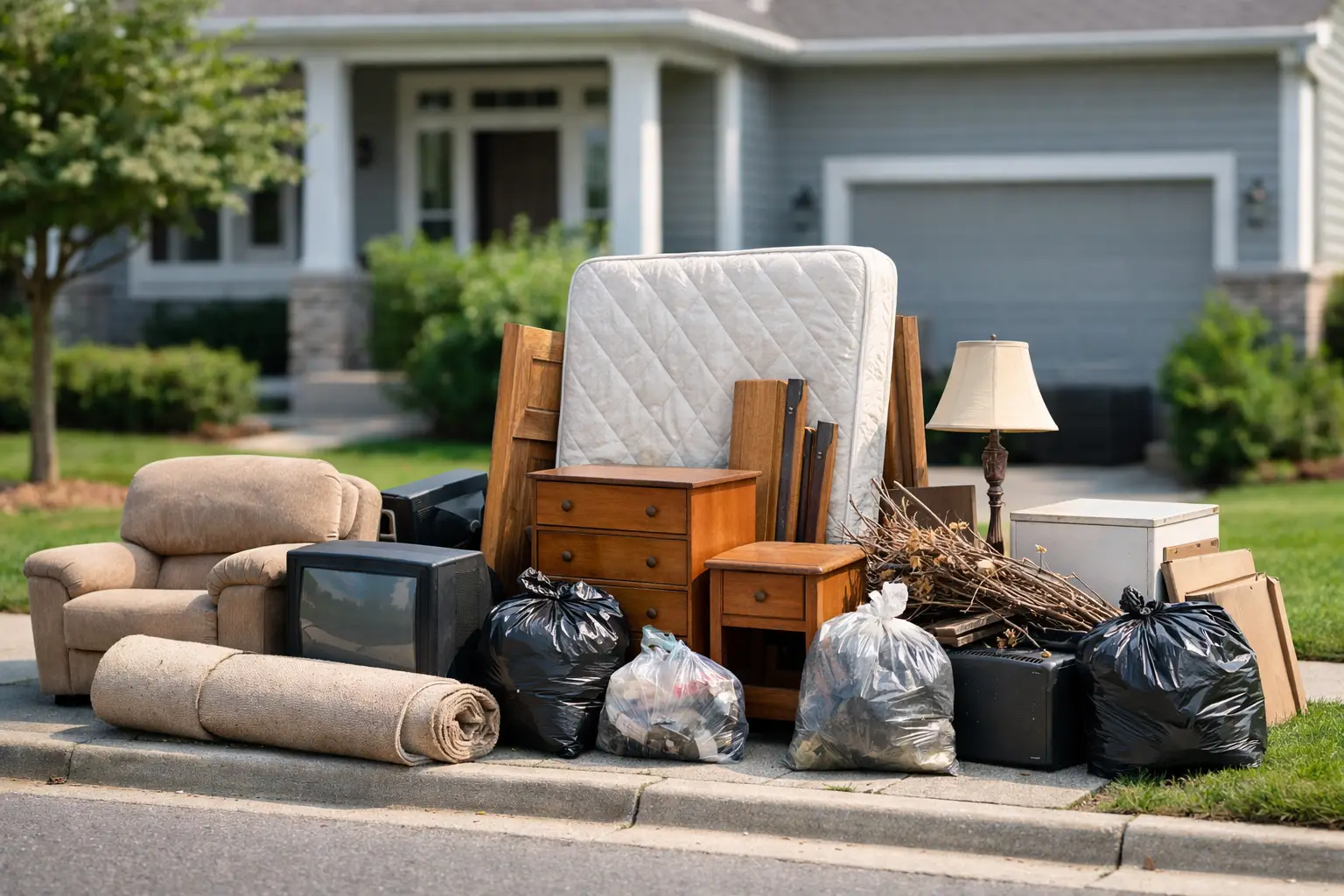
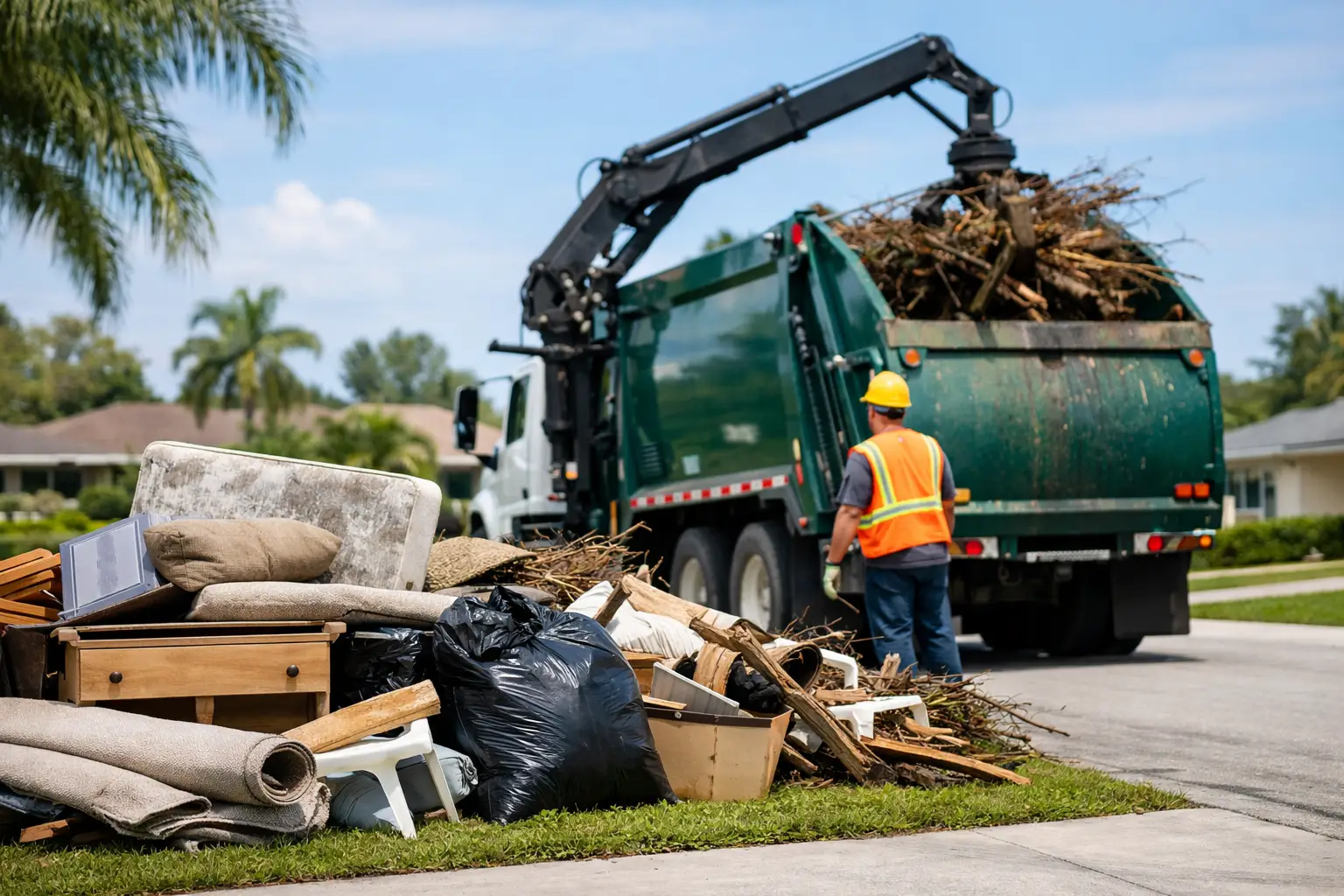
A pile of old furniture on the curb sounds simple until pickup day comes and nothing moves. That is usually when people start searching for bulk trash pickup Dade County options and realize there is a difference between regular waste service, municipal rules, and full-service junk hauling. If you are trying to clear space fast, avoid code issues, or keep a project moving, knowing that difference matters.

For some jobs, curbside pickup works fine. For others, it creates delays, extra lifting, and a bigger mess than expected. The right option depends on what you are throwing out, how much of it you have, and how quickly it needs to disappear.

How bulk trash pickup works in Dade County

Bulk trash usually means items too large for normal garbage service. Think couches, mattresses, broken dressers, shelving, appliances, yard debris, or renovation leftovers that do not fit in your cart. In many parts of the county, pickup rules depend on your municipality, your service schedule, and the type of material.

That is where people get tripped up. One neighborhood may allow scheduled bulky waste collection, while another has volume limits, special prep rules, or restrictions on certain items. Condos, apartment buildings, commercial properties, and rental units often have a different process altogether.

If you only have one or two accepted items and your area offers curbside service soon, waiting may be the cheapest route. But if you are dealing with a move-out, estate cleanout, remodel debris, or a property that needs to be cleared now, curbside service can feel slow and restrictive.

What qualifies for bulk trash pickup Dade County services

The short answer is large household junk, but the details matter. Most accepted bulk items fall into a few categories: furniture, mattresses, non-hazardous household clutter, yard waste, and some appliances. A small cleanout after replacing a bedroom set is very different from a garage packed with old shelving, paint cans, loose debris, and tile scraps.

The challenge is that not everything can go together. Household junk may be accepted, while construction debris is limited or excluded. Tree branches may need to be bundled a certain way. Appliances may need special handling. Electronics, chemicals, tires, and paint are commonly restricted or refused through standard bulk channels.

That is why a quick visual check is not enough. What looks like one junk pile often contains materials that belong in separate disposal streams. If you put out a mixed pile, part of it may stay behind.

When curbside pickup makes sense

Curbside service is a practical option when the load is small, the material is clearly accepted, and you can wait for the next scheduled collection. It works best for straightforward jobs like getting rid of an old couch, a couple of chairs, or a worn-out mattress after a delivery.

It also makes sense when you have enough help to move everything safely to the curb and the property gives you room to stage it neatly. Homeowners with driveways and easy access usually have a simpler time than people in tight urban lots, multi-unit buildings, or properties with limited frontage.

The trade-off is control. You work around the schedule you are given, not the timeline you want. If the pile is rejected or partially collected, you are left figuring out the rest.

When private junk hauling is the better option

Private hauling is usually the better fit when speed, labor, and flexibility matter more than waiting for a curbside date. If the junk is inside the house, up a flight of stairs, behind a fence, or scattered across a property, a full-service crew saves you from dragging everything out yourself.

This matters for landlords between tenants, contractors on a tight timeline, business owners trying to keep a site clean, and homeowners who do not want a pile sitting outside for days. The same goes for larger jobs where volume becomes the real problem. A few oversized items are one thing. A garage cleanout, demolition pile, or post-storm mess is another.

A private crew also helps when the waste stream is mixed. Instead of guessing what your local service will accept, you get a more direct answer about what can be removed, what needs special handling, and whether a dumpster, trailer, or labor-based removal makes the most sense.

Common items that cause problems

People usually run into trouble with materials that are heavy, dirty, regulated, or project-related. Construction debris is a big one. Drywall, tile, concrete chunks, cabinets, roofing materials, and lumber often fall outside basic bulky item pickup rules or exceed what curbside service is meant to handle.

Appliances can also be tricky, especially when they contain refrigerants or need to be prepared in a certain way. The same goes for TVs, computer monitors, paint, propane tanks, batteries, and automotive waste. These items are not just inconvenient. Some require specific disposal because of environmental and safety rules.

Mattresses deserve a mention too. They are common in bulk pickup requests, but they are awkward, hard to move, and not fun to leave outside in bad weather. If timing matters, waiting on a scheduled pickup is not always worth it.

Choosing the right cleanup option for the job

The best choice depends on the kind of job you are facing, not just the pile itself. If you are clearing a single room and only have a few bulky items, direct pickup may be enough. If you are renovating a kitchen, cleaning out a foreclosure, or removing debris from a commercial space, you may need something more flexible.

For ongoing work, a dumpster or dump trailer can be more efficient because you can load as you go. For one-time cleanup where you want everything gone immediately, full-service junk removal is usually easier. For heavier site work, including tear-outs or lot cleanup, it helps to work with a team that can handle both removal and support equipment instead of sending you to multiple providers.

That convenience is a big reason people choose a local company over piecing together county schedules, rental equipment, labor, and disposal on their own. A&D Junk Removal LLC fits that need well because the service is built around fast response, straightforward pricing, and handling the hard part for the customer.

Questions to ask before you book bulk trash pickup Dade County help

Before setting anything out or scheduling a crew, ask a few basic questions. What exactly is being removed? Where is it located? How fast does it need to go? Is it clean household junk, yard waste, or construction debris? Do you need labor, hauling, a trailer, or all three?

Those details affect cost, timing, and the right service type. They also help avoid the most common mistake, which is assuming every kind of waste can be handled the same way. It cannot.

Photos help a lot. So does being honest about access. Narrow gates, elevators, upstairs units, and soft ground can change how a job is done. A good provider will want that information upfront so there are no surprises on site.

What matters most: speed, labor, or price

Every customer prioritizes something different. If price is the only factor and the load is small, waiting for municipal pickup may be worth it. If your priority is getting the job done today without lifting a couch, clearing debris, or making multiple trips, private hauling earns its keep quickly.

There is also the hidden cost of delay. A blocked garage, a messy rental turnover, or a construction site piled with debris can slow down everything else. In those cases, fast removal is not just a convenience. It keeps the next step moving.

The best bulk trash solution is the one that matches the job in front of you. If curbside pickup works, great. If it does not, there is no reason to waste a week staring at junk that could be gone in a few hours. Clear space, keep the property clean, and make the next step easier on yourself.