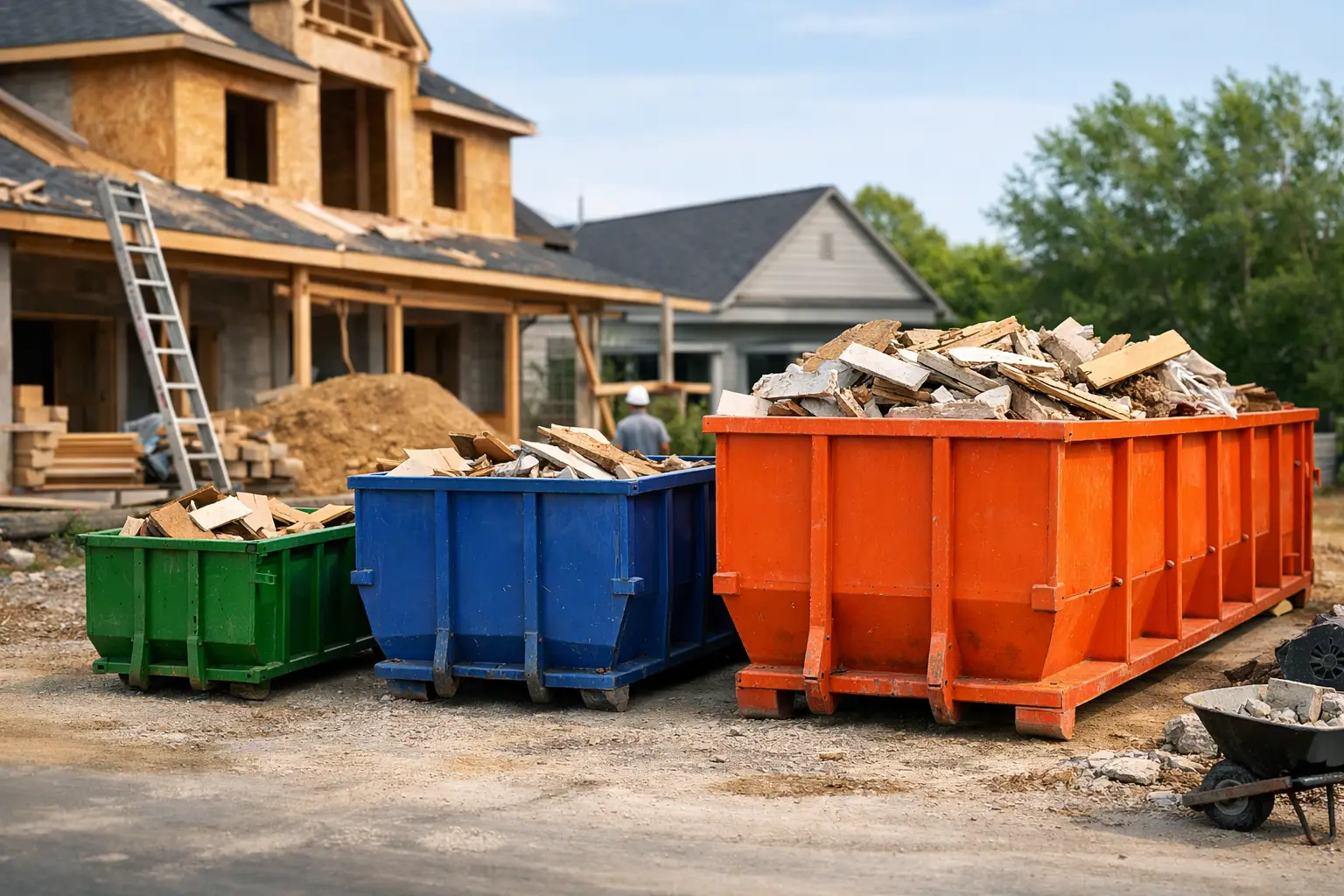
A dumpster that is too small turns a simple cleanup into a headache fast. You end up stacking debris too high, making extra trips, or paying for another haul when one container should have done the job. If you’re asking, how big dumpster do I need, the right answer depends less on square footage alone and more on what you’re throwing away, how heavy it is, and how much room you have on-site.
For most people, the mistake is not being wildly off. It is being just a little off. A garage cleanout might fit comfortably in one size if it is mostly boxes, old shelving, and small furniture, but the same space can require a larger container if it includes busted cabinets, tile, or soaked drywall. That is why dumpster sizing works best when you think in terms of debris type and project scope together.
How big dumpster do I need for common jobs?
A small cleanup usually needs less container space than people expect, but heavier debris changes that quickly. If you are cleaning out a single room, getting rid of old furniture, or clearing a modest amount of household junk, a smaller dumpster often makes sense. It keeps costs down and fits more easily in a driveway or tight property.
A medium-size dumpster is usually the safer choice for multi-room cleanouts, flooring removal, kitchen tear-outs, or moderate renovation work. This is the size many homeowners and property managers end up needing because it gives enough room for bulky material without going so large that you are paying for empty space.
Large dumpsters are better for major remodels, estate cleanouts, roofing jobs, construction debris, and bigger property turnovers. Contractors often choose larger sizes because labor moves faster when crews are not trying to conserve every inch of space.
The real question is not only how much debris you have. It is also how quickly it adds up once demolition starts. A bathroom demo looks small on paper until the tile, vanity, drywall, and subfloor are all sitting in one pile.
Think about volume first, then weight
Dumpster size is usually discussed in cubic yards, which is a volume measurement. That tells you how much material can fit inside the container. But weight matters just as much because certain debris fills the weight allowance long before it fills the dumpster.
Household junk, cardboard, old clothing, and yard waste are relatively light. Concrete, dirt, roofing shingles, brick, and dense demolition debris are much heavier. So if your project involves heavy material, you may need a smaller container than you expected, simply because loading a large one with dense debris can push weight limits too far.
This is where people get tripped up. They assume bigger is always better. Sometimes it is. But for heavy debris, the smarter move is often the right size with the right hauling plan, not the biggest container available.
Match the dumpster to the material
If you are clearing out a house before a move, volume is usually the main issue. Couches, mattresses, bags of trash, broken shelves, and old toys take up space fast but are not usually the heaviest loads. In that case, going a little larger can save you from cramming items in awkwardly.
If you are replacing flooring, tearing out a kitchen, or removing fencing, both weight and shape matter. Cabinets and lumber stack differently than loose junk. Flooring materials, especially tile, can get heavy fast. A medium dumpster often works well, but if the project covers a large area, you may need more room than expected.
If the job is roofing, concrete, masonry, or dirt removal, you need to be especially careful. These materials are dense, and the right choice often depends on the number of squares of roofing or the amount of hard material being removed. Bigger is not automatically the better option here.
Yard work sits somewhere in the middle. Branches, brush, palms, and storm debris can take up a lot of room, but green waste may not be as heavy as renovation debris unless you are mixing in dirt, stumps, or wet material.
Space on your property matters too
A dumpster can only help if it fits where you need it. Driveway length, gate access, overhead wires, low tree branches, HOA restrictions, and street placement rules all affect what works best.
A homeowner may have enough debris for a large dumpster but not enough room to place one comfortably. In that case, it may make more sense to use a smaller size with a planned pickup, especially if the cleanup is happening over several days. On a commercial site or a bigger renovation property, space is often less of an issue, so the larger size can improve efficiency.
This is one reason local service matters. A dependable company will ask where the container is going, what the access looks like, and what the job involves before suggesting a size.
When it makes sense to size up
If you are stuck between two sizes, sizing up is often the safer choice for bulky mixed debris. The price difference between sizes is usually smaller than the cost and delay of needing a second dumpster or extra haul.
That is especially true for whole-home cleanouts, landlord turnovers, office cleanups, and renovation jobs where surprises tend to show up once work begins. People rarely regret having a little extra room. They do regret running out of it halfway through the job.
There is also a labor benefit. When your crew, family, or tenants can toss material quickly without carefully packing every corner, the whole project moves faster and feels less stressful.
When a bigger dumpster is not the smart move
There are times when going bigger wastes money. A small garage cleanout, a few pieces of furniture, or a limited yard cleanup may not justify a larger rental. If the debris is dense, a larger container may also tempt overloading, which can create pickup issues or added charges.
That is why honest sizing advice matters. The goal is not to rent the biggest dumpster. It is to rent the one that fits the job without overpaying.
A quick way to estimate your project
If your debris would pile up like a few pickup truck loads, you are usually looking at the smaller end. If it is several rooms of junk, a moderate remodel, or a noticeable amount of demolition debris, you are likely in medium territory. If the job involves a full property cleanout, large renovation, roofing, or contractor-level debris, larger sizes are usually the better fit.
That said, pickup truck comparisons only help so much. Pickup beds do not measure debris the way dumpsters do, and most people underestimate how much room broken-down material really takes. Drywall, lumber, and furniture never stack as neatly as you think they will.
The easiest way to get the right answer
The fastest way to answer how big dumpster do I need is to describe the job clearly to a local provider. Tell them what materials are going in, whether the debris is light or heavy, and where the container will be placed. A good team can usually point you toward the right size quickly because they have seen the same kinds of jobs many times before.
If your project is in Dade County or Broward County, working with a company that handles both dumpster rentals and haul-away service can make the process easier. Sometimes a full dumpster rental is the best fit. Other times, especially with smaller jobs or tight access, a junk removal crew is the more practical option. A company like A&D Junk Removal LLC can help you figure out which route saves you the most time and hassle.
Don’t guess if the job has real volume
Dumpster sizing is one of those decisions that feels minor until it slows everything down. The right size keeps your cleanup moving, protects your budget, and makes the job feel manageable from day one.
If you are not sure, do not guess based on photos online or what a neighbor used for a different project. Your debris, property, and timeline are different. A quick conversation now can save you a second rental, an overloaded container, or a cleanup that drags on longer than it should. When the container fits the job, everything gets easier.