
Can Junk Removal Take Paint?

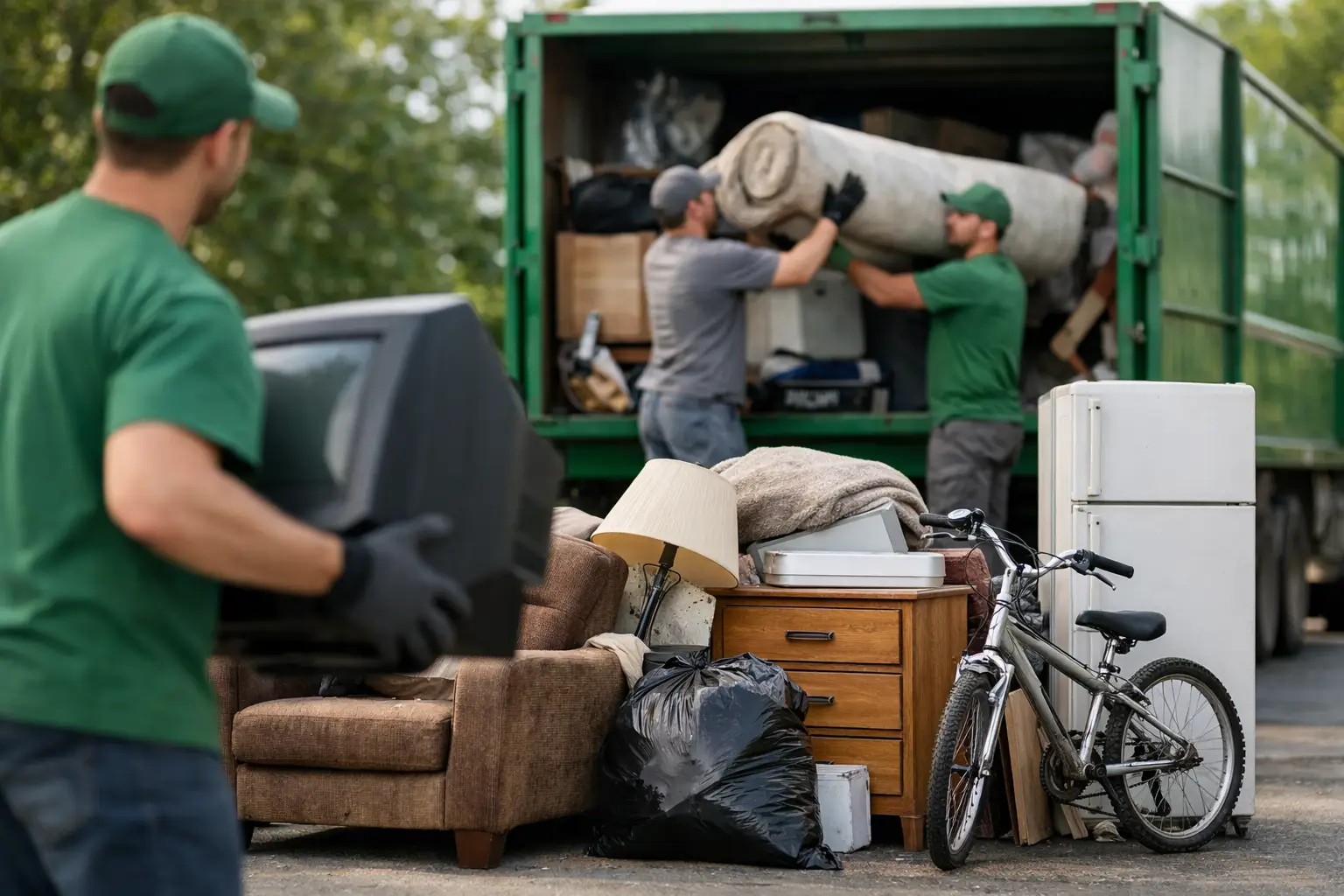
You finished the room, the garage shelf is finally visible again, and then you notice it – half-used paint cans stacked in the corner. It’s a common cleanup problem, and many people ask the same thing: can junk removal take paint? The short answer is sometimes, but it depends on what kind of paint you have, how much is left in the can, and local disposal rules.

Paint is one of those items that seems simple until it’s time to get rid of it. A broken chair or old mattress is easy to point at and say, “haul it away.” Paint is different because some types can be tossed out once they’re dried up, while others are treated as hazardous waste and need special handling. If you’re trying to clear out a home, rental, office, or job site, knowing the difference saves time and keeps you from loading up items that can’t legally go in a standard junk haul.

Can junk removal take paint or not?

In many cases, junk removal companies can take paint only if it meets certain conditions. Latex paint that has fully dried out is often much easier to remove as part of a standard cleanout. Oil-based paint, stains, solvents, and some specialty coatings are a different story because they may be considered hazardous materials.

That distinction matters. Most junk removal services are set up to haul bulky waste, household junk, renovation debris, furniture, and general clutter. Hazardous waste usually falls under a separate set of disposal rules. A company may still help you figure out the right next step, but it may not be able to load certain liquids onto the truck with everything else.

If you have only one or two cans, the answer may depend on whether the paint is empty, dried, or still wet. If you have shelves full of old products from years of home projects, the job takes more sorting. The best first step is always to identify what’s actually in those cans.

The type of paint makes all the difference

Latex paint is usually easier to deal with

Latex paint is water-based, and that makes disposal more flexible in many areas. If the can is empty or the remaining paint has been completely dried, it is often allowed with regular trash or junk removal loads. The key is that it cannot still be liquid.

If the can is half full, that changes things. Wet latex paint usually needs to be dried first before it can go out with normal waste. Some people leave the lid off in a safe, ventilated area. Others mix in paint hardener, cat litter, sawdust, or shredded paper to absorb the liquid. Once it becomes solid, disposal is usually much more straightforward.

Oil-based paint usually needs special disposal

Oil-based paint is where people run into trouble. This type of paint is commonly treated as hazardous waste because it contains chemicals that should not go into the regular trash. The same often applies to paint thinners, mineral spirits, varnishes, lacquers, and certain solvents.

A junk removal crew may not be able to take those materials at all, even if they are already coming out for a larger pickup. That is not a matter of convenience. It is about transportation rules, landfill restrictions, and environmental safety. If a company says no to wet oil-based paint, it is usually because the law or disposal facility says no first.

Specialty coatings can fall into the same restricted category

Spray paint, marine paint, industrial coatings, pool paint, epoxy products, and automotive finishes often need extra caution too. Some are flammable. Some are toxic. Some can’t be mixed in with general debris under any circumstances. If the label includes warnings about flammability, toxicity, or chemical solvents, assume it needs a closer look before pickup.

When paint can usually be removed with junk

There are a few situations where paint is more likely to be accepted during a junk removal job. Empty cans are often fine. Dried-out latex paint is also commonly allowed. In some cases, cans with only a thin layer of hardened paint at the bottom can go with regular junk, especially during a garage cleanout, move-out, or renovation cleanup.

The condition of the container matters too. A sealed, clearly labeled can is easier to assess than a rusty, leaking one with no readable label. If the paint is leaking, mixed with other chemicals, or completely unidentified, removal gets more complicated.

This is why photos help. Before scheduling a pickup, it’s smart to show the company exactly what you have. That avoids surprises on site and helps you get a clear answer before the truck arrives.

What junk removal companies will usually ask

If you call about paint, expect a few basic questions. They may ask whether the paint is latex or oil-based, whether the cans are full or empty, and how many you need removed. They may also ask if the paint is dried or still liquid.

That is not red tape. It helps determine whether your paint can go with a regular load, needs prep before pickup, or requires a separate hazardous waste drop-off. If you’re already clearing out other items like old shelving, flooring, boxes, broken furniture, or renovation debris, getting the paint sorted ahead of time keeps the whole job moving faster.

For property managers and contractors, this matters even more. A project can stall when one restricted item is mixed into a pile that is otherwise ready to go. A little sorting upfront can prevent delays and return trips.

If your paint cannot go with junk removal

If the paint is still liquid and classified as hazardous, you’ll likely need to use a county household hazardous waste program or a designated drop-off event. That may sound like a hassle, but it is usually the safest and most affordable route for restricted materials.

In Dade County and Broward County, disposal rules can change by municipality and waste program, so it’s worth checking local guidance before assuming all paint can go curbside or into a dumpster. This is especially true for contractors, landlords handling turnovers, and homeowners cleaning out older garages where the paint may have been sitting for years.

If you are dealing with a larger cleanup, a junk removal team can still take the non-hazardous items and help reduce the size of the job. That way, you only have a small batch of restricted materials left to handle separately.

Can paint go in a dumpster rental?

People often ask this right after asking whether junk removal can take paint. The answer is similar. Dried latex paint may be acceptable in some cases, but liquid paint, oil-based paint, and hazardous coatings usually cannot go into a dumpster.

Dumpster loads are still subject to disposal facility rules. If prohibited materials are found in the container, you could face extra fees or have the load rejected. That’s why being upfront about paint before the dumpster is dropped off is the smart move.

For renovation projects, this comes up all the time. You may be tossing drywall, trim, cabinets, flooring, and packaging, and it is tempting to throw old paint cans in with everything else. Sometimes that works if the cans are empty or fully dried. Sometimes it creates a problem you don’t want on pickup day.

A simple way to tell what you have

If you are not sure whether the paint is latex or oil-based, the label is the first place to look. If it says cleanup with soap and water, it is usually latex. If it mentions mineral spirits or paint thinner for cleanup, it is usually oil-based.

If the label is missing or unreadable, be careful. Old cans with no clear markings should be treated as questionable until identified. Mixing mystery liquids or trying to dump them out is a bad idea. It creates a mess and can turn a manageable cleanup into a hazardous one.

The best way to avoid delays

The easiest way to deal with paint is to separate it before your pickup day. Put all cans in one spot. Check labels. Set aside anything empty or fully dried. Keep liquid or questionable products separate from the regular junk pile.

If you’re booking a full cleanout, tell the company about the paint when you schedule. A dependable crew would rather know about it in advance than find it buried behind boxes and lumber on arrival. That keeps pricing accurate, prevents delays, and makes the whole job simpler.

At A&D Junk Removal LLC, that kind of straightforward communication is what helps customers get fast, no-hassle service instead of last-minute surprises.

So, can junk removal take paint? Sometimes yes, sometimes no, and the difference usually comes down to whether the paint is dried, what type it is, and where it’s headed for disposal. If you treat paint as its own category instead of just another can on the shelf, the rest of your cleanup gets a whole lot easier.

Post Renovation Cleanup Miami Done Right

Fresh paint on the walls, new floors underfoot, upgraded cabinets in place – and then you look around and see the real final step. Dust on vents, scraps in the corners, packaging stacked by the curb, and debris that still needs to go. That is why post renovation cleanup Miami property owners plan for from the start can make the difference between a project that feels finished and one that still feels like a job site.

Renovation cleanup is not the same as ordinary house cleaning. After construction or remodeling work, the mess is heavier, finer, and more spread out than most people expect. Even a small bathroom update can leave dust in nearby rooms, bits of tile in grout lines, caulk residue on surfaces, and bulky waste that will not fit in a regular trash bin. If the project was larger, cleanup can quickly turn into its own separate job.

What post renovation cleanup in Miami really includes

A proper cleanup starts with debris removal, but it does not stop there. The obvious waste usually goes first – drywall scraps, wood offcuts, tile pieces, broken fixtures, cardboard, plastic wrap, and leftover materials the crew did not use. That clears the space, but it still leaves fine dust and smaller messes behind.

Construction dust has a way of traveling. It settles on baseboards, window tracks, fan blades, counters, and even inside closets that stayed closed during the work. In South Florida homes and commercial spaces, that dust can mix with humidity and quickly become harder to deal with if it sits too long. What looked like a quick sweep-up can turn into wiping, vacuuming, hauling, and repeat passes through the same area.

For many property owners, the real challenge is not knowing where to start. Should you clean first and haul later, or clear the large debris before touching the dust? The practical answer is to remove the bulk waste first, then tackle the finer cleanup. Otherwise, you end up cleaning around piles, and dust gets stirred back into the air every time materials are moved.

Why DIY post renovation cleanup often takes longer than expected

A lot of homeowners and contractors assume cleanup will take an hour or two. Then they hit the first load of debris and realize the job is bigger than it looked. Heavy material needs to be carried out safely. Sharp edges, nails, and broken pieces need care. Bagging and stacking everything takes time, and hauling it away is a separate problem if you do not have the right vehicle.

There is also the issue of disposal. Not all renovation waste can be handled the same way. Some items are bulky, some are dense and heavy, and some need to be separated out. That matters when you are trying to avoid overloading your own truck, making multiple dump runs, or leaving materials piled up longer than you planned.

Then there is the simple fact that most people are already tired by the time renovation ends. Homeowners want to get back to normal. Property managers need the unit ready. Contractors want to move to the next job. Small business owners want to reopen the space. Cleanup gets pushed to the end, but the end is exactly when speed matters most.

When hiring help makes the most sense

If the project created more than a few contractor bags of debris, hiring help usually saves time and frustration. That is especially true when materials are heavy, the property has limited access, or the job needs to be turned over quickly.

For example, a kitchen remodel can leave cabinets, countertops, backsplash material, boxes, and flooring scraps all at once. A retail build-out might leave shelving, packaging, pallet wood, and mixed debris spread across the site. A rental turnover after renovation may need cleanup done fast so the next tenant or buyer can walk into a clean, usable space.

This is where a team that handles hauling and site support has a real advantage. Instead of juggling cleanup, loading, and disposal on your own, you can have the debris removed, the site cleared, and the next step moving without delay. If the project also needs demolition, material delivery, or equipment support, working with one provider is simply easier than coordinating several.

What to expect from reliable post renovation cleanup Miami service

The best cleanup service is not just about showing up with a truck. It should feel organized from the start. That means clear scheduling, honest pricing, and a team that understands job site conditions instead of treating the work like a basic trash pickup.

A reliable provider should be ready to handle renovation debris from homes, apartments, offices, retail spaces, and job sites. They should know that not every cleanup looks the same. Sometimes the main issue is bulky waste. Other times it is scattered material in multiple rooms, leftover demolition debris, or a site that needs to be cleared before final cleaning can happen.

Responsiveness matters more than people think. If your contractor is wrapping up tomorrow, or your tenant move-in is around the corner, waiting several days for debris removal slows everything down. Fast turnaround can keep the whole project on track.

Affordability matters too, but cheapest is not always best. A low quote can turn into delays, limited service, or extra fees once the crew arrives. A fair price with dependable service usually saves more in the long run because the job gets done right the first time.

Common renovation messes that should not be ignored

Some leftover mess is easy to spot, and some gets missed until later. Fine drywall dust is one of the biggest issues because it spreads far beyond the work zone. Tile and flooring jobs often leave sharp fragments tucked along edges and under paper coverings. Cabinet and fixture installs can leave cardboard, foam, plastic, and wood braces taking up more space than expected.

Outside the property, the mess may continue. Renovation projects often create curbside piles, driveway clutter, or backyard debris that sticks around after the main work is done. In neighborhoods where appearance matters, or in commercial spaces where customer access is important, that kind of leftover material affects more than convenience.

There is also a safety side to cleanup. Loose debris, nails, shattered pieces, and unstable stacks of waste create trip hazards and handling risks. If kids, tenants, employees, or customers are around the property, leaving debris in place for even a short time may not be worth the risk.

Choosing the right cleanup approach for your project

Not every renovation needs the same level of support. A single-room update might only need debris hauled away. A larger remodel may need a dumpster rental during the project, followed by final removal after the trades are done. On some jobs, light demolition, material movement, and cleanup all overlap.

That is why flexibility matters. The right approach depends on the size of the renovation, the type of materials, the access to the property, and how quickly the site needs to be usable again. A homeowner may want simple, no-hassle haul-away. A contractor may need a more consistent solution that keeps debris under control throughout the job.

For customers in Dade and Broward County, working with a local company that understands scheduling pressure and site logistics can make the process easier. A&D Junk Removal LLC fits that role well because the service goes beyond basic junk pickup. When one team can help with debris removal, dumpster rental, demolition support, and material delivery, the cleanup side of a renovation becomes much easier to manage.

The part most people remember

People rarely talk about the cleanup when they imagine a renovation. They picture the new kitchen, the updated office, the refreshed unit, or the opened-up floor plan. But the part they remember right after the project ends is whether the space actually felt ready to use.

That is the standard cleanup should meet. Not just removed enough. Not just piled somewhere else. Ready for the next step, whether that means moving furniture back in, handing keys to a tenant, opening your doors, or finally enjoying the work you paid for.

If your renovation is almost done, do yourself a favor and treat cleanup like part of the project, not an afterthought. It is one of the fastest ways to reduce stress, protect your time, and make the finished result feel finished.

How to Prepare for Junk Pickup

The fastest junk pickup jobs usually start before the truck arrives. If you know how to prepare for junk pickup, you can save time, avoid confusion, and make sure everything gets hauled away in one trip. A little prep also helps you get a more accurate quote and keeps the day stress-free.

Most people book junk removal because they want the problem gone, not because they want another project on their hands. That makes preparation feel optional. In reality, a few simple decisions ahead of time can make the whole job easier, especially if you are dealing with a garage cleanout, renovation debris, old furniture, yard waste, or a rental property turnover.

How to Prepare for Junk Pickup Before Your Appointment

Start by deciding exactly what needs to go. That sounds obvious, but it is where many delays happen. On pickup day, customers sometimes point to a pile and then realize a few items were meant to stay, or they remember extra material in the backyard, side yard, or storage room. The clearer you are upfront, the smoother the appointment will be.

Walk the property and make one firm keep-or-go decision for each item. If you are unsure about something, separate it from the junk pile. Mixing wanted items with unwanted items creates risk, especially during larger cleanouts where the crew is moving quickly.

If you are clearing out a home for a move, remodel, estate cleanout, or tenant turnover, it helps to handle personal papers, medications, cash, and sentimental items first. Junk pickup crews are there to remove material efficiently. They are not there to sort through family records or check every drawer for valuables.

Group items by type when possible

You do not need to organize everything perfectly, but some basic grouping helps. Put furniture together, bag loose trash, stack boxes, and keep construction debris in one area if you can. If you have appliances, mattresses, yard debris, or heavy materials like tile, concrete, or drywall, point those out early when booking.

This matters for two reasons. First, it helps with pricing and truck space. Second, some materials need different handling or disposal. Being upfront avoids last-minute surprises.

Make access easy

A pickup can only move as fast as access allows. Clear a path from the junk to the pickup area, whether that is a driveway, front curb, alley, garage, or side entrance. Move cars, unlock gates, and secure pets before the crew arrives.

If the items are inside, think about hallways, stairwells, elevators, and door widths. That old couch might fit out the front door, but not if there are boxes stacked in the way. If you live in a condo, apartment, or managed property, check any access rules in advance. Some buildings require elevator reservations or restrict loading hours.

What to Do the Day Before Junk Pickup

The day before the appointment is the best time to do a final pass. By then, you should know what is leaving and where it is located. This is also the right time to ask questions if you have unusual material, a large volume of debris, or a tight timeline.

Try to consolidate smaller items so they are not scattered across different rooms or corners of the yard. Loose material slows down the process. Bagging or boxing small debris can help, but do not overpack boxes with extremely heavy material. A box full of books or broken tile may be harder to move than you expect.

If weather is a factor, protect anything that should stay dry until pickup. South Florida storms can turn cardboard, fabric, and loose debris into a bigger mess overnight. For outdoor piles, a simple tarp can keep things contained and easier to load.

Take photos if needed

Photos can help if you are getting a quote ahead of time or managing a job remotely. This is especially useful for landlords, property managers, real estate agents, and contractors who may not be on-site during pickup. Good photos should show the full volume, not just close-ups of one item.

If the load includes debris from demolition, flooring removal, fencing, landscaping, or renovation work, wide shots are more useful than detail shots. The goal is to show how much space the material takes up and how easy or difficult it is to access.

Items That Need Special Attention

Not all junk is treated the same. Some items are simple household pickups. Others may require special handling, extra labor, or different disposal steps. That does not mean they cannot be removed. It just means you should mention them before the appointment.

Heavy debris is a common example. Concrete chunks, dirt, roofing material, pavers, tile, and plaster can add up fast. A pile that looks small can weigh much more than furniture or general household junk. If you are booking after a remodel or demolition project, give an honest description of the material.

Appliances can also vary. A mini fridge is one thing. A full commercial unit or an old shed packed with scrap metal is another. The same goes for hot tubs, swing sets, cabinets, and built-ins that may need disassembly before loading.

Hazardous materials are where people should be especially careful. Paint, chemicals, fuel, propane tanks, and certain automotive fluids often have disposal rules that are different from standard junk removal. If you are not sure whether something qualifies, ask before pickup day rather than assuming it can go on the truck.

How to Prepare for Junk Pickup if You Have a Large Job

Large jobs need a little more planning, but they do not need to become complicated. The key is being realistic about volume, labor, and timing. A single-room cleanout is different from a full property cleanout. A few stacks of renovation debris are different from an active construction site.

If your job involves multiple areas, such as a garage, backyard, and interior rooms, make a quick note of everything that needs attention. This helps avoid the common issue of booking for one pile and then adding several more once the crew arrives. Most teams can handle more than customers expect, but it is always better when the scope is clear from the start.

For contractor and renovation jobs, keep the work area as separated as possible from active construction. That protects both your crew and the pickup team. It also reduces the chance that usable materials get mixed into the debris pile by mistake.

If you are preparing a home for sale, rent, or a major cleanup, timing matters. Booking junk pickup before cleaners, painters, or flooring crews arrive can save money and cut down on double handling. Clear the clutter first, then let the next trade work with a clean space.

Common Mistakes That Slow Down Pickup

The biggest mistake is underestimating how much junk there is. A pile in the corner does not always look like much until it is measured by truck space, weight, and labor. If you think the amount may grow before pickup day, say so.

Another common issue is mixing trash with donatable items, personal keepsakes, or materials that need different disposal. The clearer the separation, the faster the job moves. It is also smart to avoid blocking access with parked vehicles or locking gates without sharing instructions.

Customers also sometimes wait until the crew arrives to start sorting. That usually creates stress and slows everything down. If you need time to decide, do it ahead of the appointment.

Make Pickup Day Easy on Yourself

You do not need to overprepare. You just need to remove the obstacles that turn a simple job into a long one. Decide what goes, group it clearly, make it accessible, and mention anything heavy, bulky, or unusual when you book.

That is usually enough to keep the process fast and straightforward. And if you are working with a dependable local team like A&D Junk Removal LLC, good preparation on your side pairs with responsive service on theirs. The result is what most people want from the start – less clutter, less hassle, and more room to move forward.

Top Items Junk Haulers Remove Most Often

The couch that has been sitting in the garage for six months usually tells the whole story. Most people do not call for junk removal because they enjoy cleanup projects. They call when the pile gets too heavy, too bulky, too messy, or too time-consuming to deal with alone. That is why understanding the top items junk haulers remove can help you figure out whether your cleanup job is quick and simple or part of a bigger project.

Some jobs are basic curbside pickups. Others involve stairs, broken materials, tenant move-outs, construction debris, or tight schedules. Either way, the most common items tend to fall into a few clear categories.

Top Items Junk Haulers Remove for Homes

Household junk makes up a big share of removal jobs because it builds up slowly and takes up valuable space fast. Furniture is one of the most common calls. Old couches, mattresses, dressers, dining tables, recliners, bed frames, and entertainment centers are hard to move and even harder to dispose of properly if you do not have a truck and extra help.

Mattresses deserve special mention because they are awkward in every possible way. They are bulky, heavy, and difficult to tie down for transport. In many cases, people keep them longer than they should simply because getting rid of them feels like a project. The same goes for box springs and bedroom sets that are too large for normal trash pickup.

Appliances are another frequent item. Washers, dryers, refrigerators, ovens, microwaves, and dishwashers often need more than just muscle. They may need to be disconnected, maneuvered through narrow spaces, and loaded carefully. Older appliances can also come with disposal rules that make DIY hauling less convenient than it first appears.

General household clutter is common too. This includes bags of unwanted items, broken shelving, toys, storage bins, old decor, damaged flooring materials, and random leftovers from years of putting things aside to deal with later. A garage, spare room, or shed can turn into a holding area faster than most people expect.

The Items That Show Up After Moving or Evictions

Move-outs create a different kind of junk problem. Once the furniture is gone, what is left behind is often the stuff no one wanted enough to pack. That can include worn chairs, cheap desks, damaged bed frames, stained rugs, old TVs, piles of clothing, and boxes of mixed junk.

For renters, landlords, and property managers, speed matters. A delayed cleanup can slow down repairs, staging, or the next lease. This is one reason junk haulers are often called in right after a tenant leaves. The goal is not just to remove trash. It is to get the property ready for what comes next.

Estate cleanouts can look similar on the surface, but they usually need more care and more time. Those jobs often include furniture, household goods, garage contents, yard waste, and storage areas packed over many years. In those situations, the biggest challenge is not just hauling. It is sorting what stays, what goes, and what needs to be handled responsibly.

Top Items Junk Haulers Remove on Outdoor Jobs

Outdoor cleanup jobs are common year-round, especially after storms, landscaping projects, or long periods of neglect. Yard debris is one of the top items junk haulers remove because it adds up quickly and is harder to bag and move than most people think.

Tree limbs, branches, palm fronds, brush, leaves, fencing, dirt-covered materials, and broken outdoor furniture all show up often. If you have ever finished trimming a yard and looked at the pile afterward, you know the problem. The work is not really done until the debris is gone.

Old hot tubs, sheds, swing sets, grills, and patio furniture also come up regularly. These items are tough because they are usually weathered, oversized, or partially broken. They may need to be taken apart before removal. That is where experience matters. A simple pickup can turn into a small demolition job depending on the condition of the item and where it is located.

Renovation and Construction Debris

Cleanup during remodeling is where many property owners realize regular trash service is not built for the job. Construction debris is heavy, messy, and often restricted by local pickup rules. Even a small bathroom or kitchen update can leave behind more waste than expected.

Common debris includes drywall, tile, wood, cabinets, vanities, sinks, toilets, flooring, insulation, doors, windows, and scrap lumber. Roofing materials, fencing, and concrete also come up, especially on larger exterior projects. These jobs are less about one bulky item and more about volume, weight, and repeat loads.

There is also a trade-off here. If the project is ongoing, a dumpster rental may make more sense than repeated junk pickups. If the work is already done and the debris is sitting in piles, hauling it away in one visit can be faster and easier. It depends on the size of the project, the amount of space on site, and how quickly you need the area cleared.

Business and Commercial Junk Removal

Small businesses and commercial properties deal with many of the same items as homeowners, just on a different scale. Office furniture, cubicles, desks, filing cabinets, waiting room chairs, display fixtures, shelving, and outdated equipment are common removal items.

Retail spaces often need help after a remodel, closure, or inventory reset. Restaurants may need old kitchen equipment or storage clutter removed. Warehouses and small commercial properties may have pallets, damaged materials, scrap, and abandoned equipment taking up room that should be used for operations.

In commercial settings, downtime matters. The value of junk removal is not only in clearing space. It is in helping a business move forward without pulling employees away from their actual work.

What Junk Haulers May Not Take

Most people are surprised by how much can be removed, but there are still limits. Hazardous waste is the biggest one. Paints, chemicals, oils, fuels, solvents, and certain batteries may require special disposal. The same goes for asbestos-containing materials or items that need licensed handling.

Electronics can be accepted in some cases and restricted in others depending on local rules and the type of item. Tires, propane tanks, and refrigerant-based equipment may also come with disposal requirements. This is why it helps to ask first instead of assuming everything in the pile can go in one load.

The good news is that an experienced team will usually tell you quickly what is straightforward, what needs special handling, and what alternative option makes the most sense.

How to Know If Your Job Needs a Junk Hauler

If an item is too heavy for one person, too large for curbside pickup, or too messy to bag and move safely, it is probably a good fit for junk removal. The same is true if you are dealing with multiple categories at once, like furniture, yard debris, and renovation waste in the same cleanup.

Time is another factor people underestimate. A do-it-yourself haul means lifting, loading, transport, unloading, and figuring out where each material can legally go. That may be worth it for a few light items. It usually stops feeling efficient once you are dealing with appliances, dense debris, or a packed-out garage.

For homeowners, renters, contractors, and property managers in Dade County and Broward County, convenience is often the real deciding factor. Getting the job done quickly, cleanly, and without extra trips saves more than effort. It keeps the whole project moving.

A&D Junk Removal LLC handles many of these common jobs because most cleanup problems are not really about junk. They are about getting your space back, keeping a project on schedule, and avoiding one more stressful task on an already full list.

If you are looking at a pile and wondering whether it is worth dealing with yourself, that is usually your answer. When the clutter is in the way of using your home, finishing a renovation, or turning over a property, getting it removed is not just cleanup. It is progress.

Estate Cleanout Checklist That Keeps You on Track

An estate cleanout usually starts the same way – with one room that looks manageable, then a closet, a garage, and years of paperwork that turn a hard day into a long project. A good estate cleanout checklist helps you slow the process down, make fewer costly mistakes, and keep the job moving without adding more stress.

This kind of cleanout is different from a normal decluttering job. You are not just getting rid of junk. You may be sorting family belongings, dealing with legal paperwork, preparing a house for sale, or trying to clear a rental quickly. Some items have sentimental value, some have resale value, and some simply need to be hauled away. The work goes faster when you know what to do first and what can wait.

Estate cleanout checklist: start before you lift anything

Before boxes come out and furniture starts moving, pause long enough to set the rules for the cleanout. That step saves time later. If multiple family members are involved, decide who has authority to make final decisions. If the property is part of probate or an estate sale process, make sure you understand what cannot be removed yet.

Walk the property once without loading a single item. Take photos of each room, open obvious storage spaces, and make note of anything that needs special handling, such as safes, file cabinets, medication, firearms, or water-damaged materials. This quick walkthrough helps you spot the difference between a cleanout that can be finished in a day and one that needs a more staged approach.

You will also want basic supplies ready before you begin. Heavy-duty trash bags, boxes, tape, gloves, labels, markers, and cleaning supplies are the minimum. If the house is packed, a dumpster rental or scheduled junk pickup may be the better move than relying on a personal vehicle and a few trash cans.

Handle documents, valuables, and personal items first

The first pass through the home should focus on what cannot be replaced. That means paperwork, financial records, legal documents, jewelry, family photos, keys, small collectibles, and anything that might have estate or tax importance. Do this before friends or helpers start carrying things out.

In most homes, the highest-risk areas are not always obvious. Important documents are often tucked into kitchen drawers, bookshelves, filing cabinets, bedside tables, purses, coat pockets, and desk organizers. Check boxes marked “miscellaneous” carefully. A lot of people store cash, bonds, deeds, insurance papers, and military records in ordinary containers.

If you are cleaning out a parent or relative’s home, it is smart to create one secured area for all sensitive items. That might be a locked room, a personal vehicle, or labeled bins that stay with one decision-maker. The point is simple: once the cleanup starts moving fast, small valuables are easy to lose.

Sort the property into clear categories

The easiest way to stall an estate cleanout is to make every item a fresh debate. Instead, sort belongings into practical groups. Most people do best with five categories: keep, donate, sell, recycle, and trash. You can label sections of each room or set up boxes and staging areas so helpers know where things belong.

This is where emotions and logistics usually collide. A couch may have no market value but still feel hard to part with. A garage full of tools may look useful but not be worth the time it takes to list and sell each piece. It depends on your goal. If speed matters because the home needs to be listed or turned over quickly, donation and hauling may be more realistic than trying to maximize every dollar.

When several people want input, set a deadline for decisions. If an item is still in question after that deadline, either move it to a short-term hold area or assign one person to decide. Without that rule, cleanouts can drag on for weeks.

Know what should not go in the regular trash

One of the most overlooked parts of any estate cleanout checklist is disposal planning. Not everything can be left at the curb or tossed into household garbage. Paint, chemicals, propane tanks, electronics, old batteries, appliances, mattresses, and some renovation debris may require separate handling.

Homes that have been occupied for many years often contain products that are no longer usable and may not be safe to store. Garages, sheds, and laundry rooms are common trouble spots. If there are signs of mold, pest activity, broken glass, sharp metal, or heavy water damage, take extra care. In some cases, the safest route is to bring in a team that can load and haul materials without you having to sort through disposal rules on your own.

The same goes for large furniture, old hot tubs, sheds, fencing, or built-in items. If the cleanout includes tearing out damaged structures or hauling bulky debris, a standard donation run will not cover it.

Clean room by room, not item by item

Room-by-room cleanouts usually work better than jumping around the house. Finish one space as fully as possible before moving on. That gives you visible progress and keeps the property from feeling just as overwhelming at the end of the day as it did at the start.

Bedrooms are often the easiest place to begin because the contents are more straightforward. Kitchens take longer because there are more small items, more expired goods, and more duplicate tools or containers. Garages, attics, and sheds often become the final stage because they hold the heaviest, dirtiest, or most random materials.

If the home is large, assign zones. One person handles paper items, another boxes donations, another pulls obvious trash, and another manages keep items. A simple system beats a perfect system. The goal is controlled progress.

Plan the hauling before the pile gets too big

A common mistake is waiting until the driveway is full before figuring out how the debris will leave the property. Large cleanouts create volume fast. Furniture, bagged trash, old appliances, yard waste, and loose garage items can pile up in a way that blocks access and slows everyone down.

That is why hauling should be part of the plan from day one. For smaller jobs, scheduled junk removal may be enough. For larger estate cleanouts, especially when you expect multiple days of work, a dumpster or trailer on-site can make the process much easier. It lets you load as you go instead of building temporary messes inside and outside the home.

If the property also needs light demolition, material removal, or help clearing exterior structures, working with one provider can simplify the schedule. That matters when you are trying to coordinate family, realtors, contractors, or a property handoff on a tight timeline.

Don’t forget the final property prep

Once belongings are sorted and unwanted items are gone, there is still a last phase that people often underestimate. Cabinets need to be checked one more time. Refrigerators and freezers should be emptied. Nails, hooks, and loose shelving may need removal. Basic sweeping and wipe-downs can make a big difference if the home is going to be shown, rented, or repaired next.

Utility areas deserve a final look too. Check behind washers and dryers, inside utility closets, and around outdoor storage. These are the places where leftover chemicals, cords, hardware, and small personal items often hide.

If the property is heading to market, ask what level of cleanout is actually needed. Some homes only need to be emptied. Others benefit from debris removal, minor teardown work, yard cleanup, or material delivery for the next phase. The right level of service depends on condition, budget, and timeline.

When it makes sense to get help

Some estate cleanouts are manageable with family help and a few weekends. Others are too large, too emotional, or too time-sensitive to handle that way. If the home is packed, the debris is heavy, the schedule is tight, or you simply do not want to deal with hauling logistics, bringing in professionals can save time and reduce strain.

That does not mean giving up control. It means deciding where your time matters most. You may want to personally sort photos, documents, and keepsakes while a removal crew handles furniture, trash, and bulk items. For many families and property managers, that balance works best.

In Dade County and Broward County, quick turnaround matters because property timelines are often tight. Whether you are preparing a home for sale, cleaning out after a move, or turning over a rental, the less time debris sits on-site, the easier the rest of the project becomes. Companies like A&D Junk Removal are often brought in at that stage to keep things moving without making the customer juggle multiple vendors.

An estate cleanout does not have to be perfect to be done well. It just needs a clear plan, a realistic timeline, and a way to move items out as decisions get made. When you break the work into stages and handle the hard parts in the right order, the property starts to feel manageable again.

7 Best Options for Mattress Disposal

That old mattress usually becomes a problem at the worst possible time – right after a move, during a bedroom upgrade, or in the middle of a property cleanout. If you are looking for the best options for mattress disposal, the right choice depends on its condition, your timeline, and how much work you want to handle yourself.

A mattress is awkward, heavy, and harder to throw away than most people expect. Many cities have rules about bulk pickup. Some donation centers will not accept stained or damaged bedding. And if you do have a truck, lifting and hauling one without making a mess or hurting your back is its own job. The good news is that you do have solid options. The key is choosing the one that fits your situation instead of wasting time on a route that will not work.

Best options for mattress disposal based on condition

The fastest way to narrow down the best option is to be honest about the mattress itself. If it is clean and usable, donation may make sense. If it is torn up, wet, infested, or badly worn out, recycling or junk removal is usually the smarter route.

A mattress that still has support, no major stains, no odors, and no pest issues may have a second life. A mattress that sags in the middle, has broken springs, or has been sitting in a garage collecting moisture is no longer a donation item. In that case, trying to give it away often just delays the real solution.

1. Donate it if it is clean and accepted

Donation is one of the best options for mattress disposal when the mattress is in genuinely good shape. Some charities, shelters, churches, and local reuse programs may accept mattresses, especially if they are newer and free from damage.

The trade-off is that donation sounds easier than it often is. Many organizations have strict rules for hygiene and liability reasons. Even a small stain, a pet odor, or visible wear can mean a quick rejection. Before moving the mattress anywhere, check whether the organization accepts mattresses at all and whether they offer pickup.

If donation works, it is a strong option because it keeps a usable item out of the waste stream and helps someone else. But it only works when the mattress is still fit for use.

2. Recycle it if local programs are available

Recycling is one of the best long-term mattress disposal options because mattresses contain materials that can often be separated and reused. Metal springs, foam, wood, and fabric can sometimes be processed instead of dumped in a landfill.

This route is especially worth checking if your mattress is too worn out to donate but not contaminated by mold or pests. The challenge is availability. Mattress recycling is not offered everywhere, and some programs require drop-off, fees, or advance scheduling.

If you are in the middle of a renovation, move-out, or cleanup, driving a mattress to a recycling facility may not feel realistic. Still, if you have the time and access, recycling is one of the more responsible choices.

When junk removal is the better choice

3. Use a junk removal service for speed and convenience

For many people, a full-service pickup is one of the best options for mattress disposal because it removes the hardest part of the job. You do not have to drag a bulky mattress through the house, figure out local disposal rules, or make multiple calls trying to find a facility that will take it.

This option makes the most sense when the mattress is damaged, when you need it gone quickly, or when there are other items to clear out at the same time. It is also a smart choice for landlords between tenants, property managers handling turnovers, and homeowners trying to keep a cleanup project moving.

The biggest advantage is time. A dependable removal team can handle lifting, loading, and disposal without turning your day into a hauling project. If you are in Miami-Dade or Broward and need a no-hassle solution, a local crew like A&D Junk Removal LLC can be the practical answer when speed matters.

4. Use bulk trash pickup if your city allows it

Municipal bulk pickup can be one of the best options for mattress disposal if your local service accepts mattresses and you are not in a rush. This is often the lowest-cost route, but it comes with more rules.

Some cities require appointments. Others only pick up on certain days. You may need to wrap the mattress in plastic, place it in a specific location, or follow size and quantity limits. Miss one requirement and the mattress may sit out longer than expected.

That may be fine if you are planning ahead. It is less helpful if you are replacing a bed today, managing a move-out deadline, or trying to keep a property looking clean.

Other mattress disposal options that can work

5. Ask the retailer about haul-away service

If you are buying a new mattress, retailer haul-away is worth asking about. Some mattress stores and delivery companies will remove your old one when they bring the new one in.

This is one of the easiest options because it is built into the replacement process. You avoid extra lifting and save a separate trip or pickup appointment. The catch is that not every retailer offers it, and some charge an added fee. Others will only take the old mattress if it is prepared a certain way.

If you are already spending money on a new bed, paying a little more for removal can be well worth it. It turns a two-step problem into one scheduled visit.

6. Post it for free pickup if it still has value

If the mattress is clean, usable, and honestly still decent, giving it away through a local community board or neighborhood group can work. This can be one of the best options for mattress disposal when the goal is simply to move it fast without paying for removal.

Still, this route depends on follow-through from strangers. People may say they are coming and never show up. You may answer a dozen messages just to get one serious taker. And if the mattress is not actually in good shape, posting it for free usually just creates extra hassle.

Be realistic and clear about condition. If there are stains, damage, or age-related wear, say so. That saves everyone time.

7. Rent a dumpster if you have other debris too

A dumpster rental is not the first choice for a single mattress, but it becomes one of the best options for mattress disposal when you are dealing with a bigger cleanup. If you are clearing a house, remodeling rooms, replacing flooring, or cleaning out a property after a tenant leaves, having one container for everything can simplify the whole job.

This option works best when the mattress is just one part of a larger pile. It gives you flexibility to load on your own schedule. The downside is that for one mattress alone, it is usually more than you need.

That is where it helps to think beyond the item itself. If the real job is a whole-room or whole-property cleanup, a dumpster may save more time than arranging separate disposal methods for every type of waste.

How to choose the best mattress disposal option for you

The best options for mattress disposal are not the same for every home or project. If the mattress is still in good shape and you have time to make calls, donation or free pickup may be worth trying. If it is worn out but your area offers mattress recycling, that can be a responsible next step.

If you need it gone quickly, do not want to lift it, or have other junk to remove at the same time, junk removal is often the most practical choice. If a new mattress is already on the way, retailer haul-away may be the easiest option of all.

The mistake most people make is trying the cheapest path first without considering time, effort, and whether the mattress will even be accepted. What looks free on paper can cost you half a day, a sore back, and a mattress still sitting in the driveway.

Before you decide, think about four things: the mattress condition, how fast it needs to go, whether you can transport it, and whether this is a one-item problem or part of a bigger cleanup. Those answers usually point you in the right direction fast.

Getting rid of a mattress does not need to turn into a drawn-out project. The right option is the one that clears the space, fits your schedule, and keeps the job simple from start to finish.

Trailer Rental vs Junk Hauling: Which Fits?

A garage cleanout sounds simple until you’re staring at old furniture, busted shelves, yard debris, and a pile that keeps growing every hour. That is usually when the real question shows up: trailer rental vs junk hauling. Both can solve the problem, but they work very differently, and the better choice depends on how much labor you want to handle, how fast you need the mess gone, and what kind of debris you are dealing with.

Trailer rental vs junk hauling: the real difference

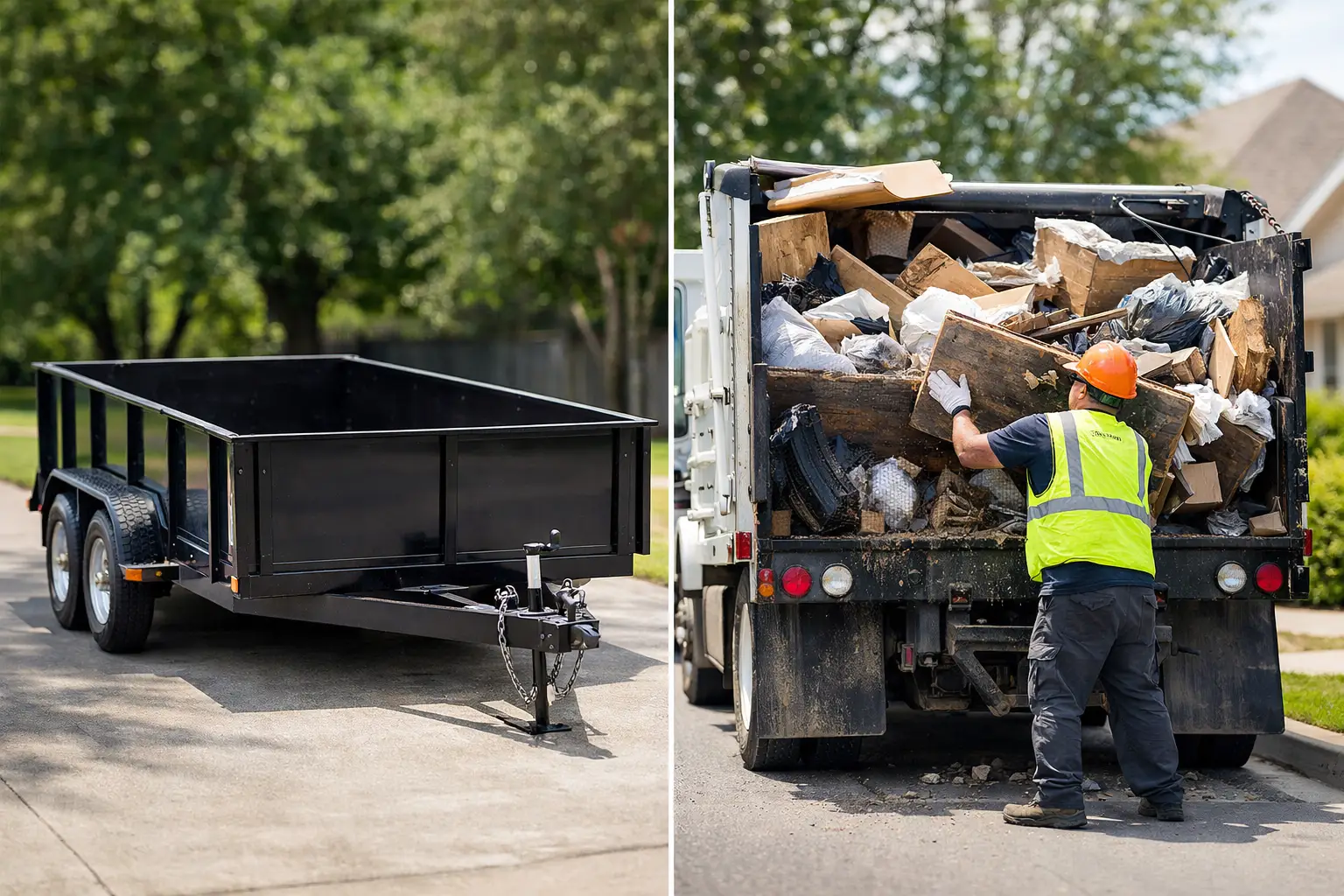
The biggest difference is who does the work and when it gets done. With a trailer rental, a trailer is dropped off at your property and you load it yourself over a set period of time. Once you are done, it gets picked up and the debris is hauled away. With junk hauling, a crew comes out, loads the unwanted items for you, and removes them right away.

That sounds straightforward because it is. The more useful question is which option matches your project.

If you want flexibility and do not mind loading debris yourself, a trailer rental can make a lot of sense. If you want speed, labor help, and as little disruption as possible, junk hauling is usually the better fit.

When trailer rental makes more sense

Trailer rental is often the better option when the cleanup is happening over a few days instead of all at once. If you are remodeling a bathroom, cleaning out a rental property room by room, or tackling a yard project over the weekend, having a trailer on-site gives you time to work at your own pace.

That extra time matters. You are not racing a pickup appointment while still sorting what stays and what goes. You can load debris as it comes up, keep your property cleaner during the project, and avoid making multiple dump runs in your own truck.

This option is also useful when the debris is predictable. Construction material, drywall, wood, fencing, flooring, and general cleanup waste are easier to manage when you know you will be steadily filling the trailer over time.

For contractors and property managers, trailer rental can be a practical middle ground between doing everything by hand and paying for full-service hauling every time a pile appears. It keeps the site moving without forcing a same-day all-or-nothing schedule.

Trailer rental works best if:

You have help available to load, your cleanup will take more than a day, or you want debris out of the way without stopping your project. It is also a smart choice when convenience matters, but you still want control over the pace.

When junk hauling is the better move

Some jobs are not worth stretching out. If you need bulky furniture gone today, have tenants moving out, are clearing an estate, or just want the pile gone without lifting a finger, junk hauling is usually the fastest and easiest route.

This is where labor makes the difference. You are not dragging a couch to the curb, cutting up old cabinets, or figuring out how to load awkward items safely. A crew handles the lifting, loading, and haul-away. That saves time, but it also saves your back, your driveway, and your weekend.

Junk hauling is especially useful for people who do not have enough manpower, do not want the debris sitting on the property, or need a cleaner finish. After a demolition, move-out, eviction, or office cleanout, most people are not looking for a multi-day project. They want a clear space and a fast reset.

For homeowners, this can be the least stressful option. For business owners and property managers, it can also be the most efficient because it cuts down on delays and keeps the property presentable.

Cost depends on more than the price tag

A lot of people compare trailer rental vs junk hauling by looking only at the quoted number. That is understandable, but it misses part of the picture.

Trailer rental can cost less in some cases because you are providing the labor. If you already have workers on-site, or if you are handling a DIY cleanup with help from family or a crew, renting a trailer may be the more affordable route.

But lower upfront cost does not always mean better value. If you need to take time off work, ask friends for help, risk injury lifting heavy items, or spend days dealing with cleanup you wanted done in hours, the math changes quickly.

Junk hauling often costs more because it includes labor, loading, and immediate removal. For many customers, that added service is exactly what makes it worth it. Paying for convenience is not wasted money when it saves a full day of work or keeps a project on schedule.

The best approach is to think about total effort, not just line-item price. Ask yourself what your time is worth and how much physical work you really want to take on.

The type of debris matters

Not every cleanup should be handled the same way. A pile of yard waste is different from a house full of old furniture. Renovation debris is different from a foreclosure cleanout.

Trailer rental is a strong fit for ongoing debris generation. That includes roofing tear-offs, flooring removal, small remodeling jobs, landscaping waste, and general construction debris. It gives you a place to keep tossing material as the job moves along.

Junk hauling is often better for bulky, mixed, or hard-to-handle loads. Think mattresses, appliances, couches, office furniture, hot tubs, playsets, and packed storage spaces. Those jobs benefit from labor and experience because the challenge is not just disposal. It is getting the items out safely and quickly.

There are also cases where the right answer depends on access. If your property has limited space for placement or your building has stairs, elevators, or tight pathways, full-service hauling can be a lot easier than expecting a self-load setup to solve everything.

Speed vs flexibility

This is usually the deciding factor.

If you need the debris gone now, junk hauling wins. It is built for quick turnaround. A crew arrives, removes the mess, and you move on.

If you need time, trailer rental wins. It gives you breathing room during a renovation, a move, or a long cleanup process.

Neither option is better in every situation. It depends on whether your job needs instant removal or a temporary on-site solution.

For many customers in Miami-Dade and Broward, weather is part of that decision too. When rain is in the forecast or you are trying to avoid debris piling up around a property, timing matters. Sometimes same-day removal is the cleaner and safer option.

Which option is less stressful?

Most people asking about trailer rental vs junk hauling are really asking a simpler question: what is going to make this easier on me?

If you do not mind loading, have a clear plan, and want to spread the work out, trailer rental keeps things manageable. It offers convenience without rushing you.

If you are overwhelmed by the amount of junk, short on labor, or just ready for the problem to disappear, junk hauling takes the pressure off fast. There is real value in being done the same day instead of staring at a trailer for three days while the job hangs over your head.

That is why a good provider should help you choose based on the job, not push one service every time. A&D Junk Removal LLC works with both types of customers – people who want the trailer dropped off and people who want the whole pile gone with no hassle.

How to decide without overthinking it

A simple rule helps. If your project creates debris over time, rent a trailer. If your project leaves you with a finished pile that needs to disappear now, book junk hauling.

There are exceptions, of course. A small cleanup may not need a trailer at all. A heavy demolition job may need both labor and a container strategy. That is why it helps to think in terms of workload, timing, and the type of material instead of treating every cleanup the same.

The right service should make your life easier, keep the property cleaner, and save you from extra trips, extra stress, and extra delays. That is the real decision.

If you are stuck between the two, do not start with what sounds cheapest. Start with what gets the job done cleanly, safely, and with the least headache. The best cleanup plan is the one that lets you get back to your project, your property, or your day without carrying the whole burden yourself.

How to Choose Debris Trailer Size Right

A trailer that is too small creates a second trip, extra labor, and a mess that sits longer than it should. A trailer that is too big can mean paying for space you never use. If you are trying to figure out how to choose debris trailer options for a cleanup, renovation, or property job, the right answer usually comes down to what you are loading, how heavy it is, and how easy the pickup process needs to be.

For most customers, this is not really about trailers. It is about keeping a project moving without wasting time. Whether you are cleaning out a rental, tearing out a kitchen, trimming a yard, or dealing with construction debris, the best choice is the one that fits your material, your timeline, and your property.

How to choose debris trailer for the job

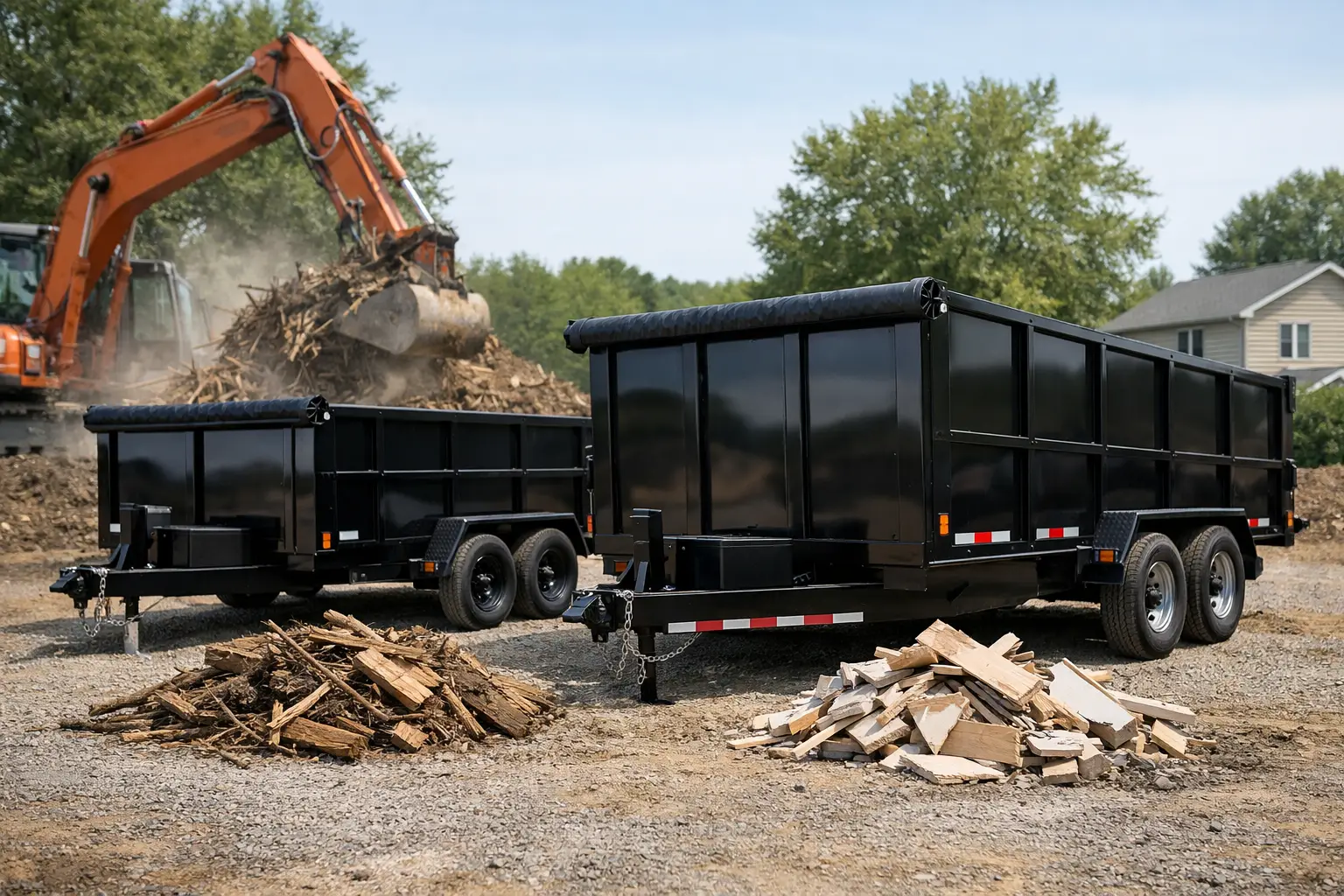
Start with the debris itself. Volume matters, but weight matters just as much. A trailer full of tree branches takes up a lot of room without adding a huge amount of weight. A trailer loaded with concrete, tile, shingles, dirt, or plaster can hit weight limits fast even when it does not look full.

That is where many people get tripped up. They estimate by how much space the pile takes up, but not by what the pile is made of. If your job is mostly household junk, furniture, packaging, or storm cleanup, you may need more volume than weight capacity. If it is a roofing tear-off or demolition project, a smaller trailer may still be the safer and smarter pick because the material is dense.

The easiest way to think about it is simple. Light and bulky debris usually calls for more space. Heavy debris calls for careful sizing and loading.

Match the trailer to the material

Household cleanouts are usually mixed loads. That means bags, boxes, old furniture, small appliances, and general junk. These jobs often benefit from a medium trailer because the material stacks unevenly and can eat up space quickly. The weight is usually manageable unless the load includes a lot of books, tile, or water-damaged contents.

Yard debris is different. Palm fronds, branches, brush, and fencing can look massive, but they do not always weigh that much. For these jobs, the main issue is how much room you need and whether the trailer allows easy loading for awkward pieces.

Remodeling debris can go either way. Drywall, cabinets, flooring, vanities, countertops, and framing lumber create a mixed load. One bathroom remodel might fit easily in a smaller trailer. A full kitchen demo might need much more room, especially if you are tearing out cabinets, backsplash, drywall, and old fixtures at the same time.

Construction and demolition debris needs more caution. Concrete, brick, block, tile, dirt, and shingles are heavy fast. This is where underestimating weight turns a simple cleanup into a problem. If you are unsure, always describe the material first before focusing on trailer size.

The three questions that matter most

Before you book anything, ask yourself three things. What are you throwing away. How quickly do you need it gone. Will you load it yourself or want help.

That first question affects size and pricing. The second affects scheduling. The third affects what kind of service makes the most sense. Some people want a trailer dropped off so they can load over a day or two. Others want the debris gone the same day with labor included. Both can be the right choice depending on the job.

If speed matters more than flexibility, a full-service haul-away may save more time than a trailer rental. If you are working in stages, a delivered debris trailer can make more sense because you can load as the project moves along.

Think about access before size

A bigger trailer is not always better if your property layout makes delivery or loading difficult. Driveway length, gate width, overhead wires, tree branches, parked cars, and soft ground all matter. You also want to think about where people will stand while loading and how far they need to carry debris.

For residential jobs, convenience matters more than people expect. A trailer placed close to the work area can save a lot of lifting and walking. That is especially helpful for garage cleanouts, backyard debris, and remodel work where materials add up throughout the day.

For commercial properties and managed sites, placement affects traffic flow, safety, and tenant access. In those situations, it helps to plan around loading windows and pickup timing so the trailer does not become an obstacle.

Common sizing mistakes to avoid

The biggest mistake is booking based on guesswork alone. People often see a pile and assume it is smaller than it really is, especially if the debris is spread out in a garage, side yard, or multiple rooms. Once everything gets stacked into a trailer, the volume becomes real fast.

The next mistake is ignoring prohibited or special materials. Not every trailer load is priced or handled the same way if it includes things like paint, chemicals, tires, appliances with refrigerant, or certain electronics. If your debris includes anything outside standard junk or construction material, say that up front. It avoids delays and keeps disposal compliant.

Another common problem is mixing very heavy material into a general load. A few buckets of concrete or stacks of old tile may not seem like much, but they can change the load completely. When that happens, the right move may be a separate trailer or a different haul plan.

How long will the job take

Trailer choice is not only about what fits. It is also about how your job unfolds. A one-day cleanout has different needs than a weeklong renovation. If debris will build gradually, you need enough room to keep the site clean without stopping work. If pickup needs to happen fast, scheduling matters just as much as size.

For contractors and property managers, timing often matters more than squeezing every possible item into one load. Delayed pickups can slow crews down, create safety issues, and leave a poor impression on tenants or clients. Paying a little more for the right trailer and reliable turnaround can save money overall.

For homeowners, the trade-off is usually between cost and convenience. A smaller trailer may be cheaper upfront, but not if you end up needing a second load. A larger trailer may cost more, but it can reduce stress and keep the project from dragging out.

When to rent a debris trailer vs. hire full-service removal

If you have labor available and want to load on your own schedule, a debris trailer rental is often the practical option. It gives you flexibility and keeps cleanup close to the work area. That works well for remodels, yard projects, estate cleanouts, and rental turnovers.

If the debris is already piled up and you just want it gone, full-service removal may be the better call. The same goes for heavy lifting, bulky items, or situations where you do not want to sort, load, and haul. There is no prize for doing the hard part yourself if the goal is simply to get the space cleared.

This is where working with a company that handles both can help. Instead of forcing one option onto every job, you can choose based on what actually makes your project easier.

A simple way to choose with confidence

If you are stuck, do not start by asking for the biggest trailer available. Start by describing the debris in plain terms. Say whether it is household junk, yard waste, renovation debris, roofing material, or heavy construction waste. Estimate how many rooms, how many pickup truck loads, or what part of the property it covers. Mention access issues and whether you want to load yourself.

That kind of information is far more useful than a rough guess on trailer size alone. It leads to better recommendations, more accurate pricing, and fewer surprises on pickup day. In Dade and Broward County, where weather, traffic, and tight property access can all affect scheduling, getting specific early saves time.

A good debris trailer choice should make your cleanup easier, not give you one more thing to manage. If you are unsure, ask questions before booking. The right provider will help you match the trailer to the job instead of pushing you toward something that is too much, too little, or simply inconvenient. Clear the clutter, keep the project moving, and choose the option that makes the work lighter from day one.

Can Dump Trailers Hold Concrete Safely?

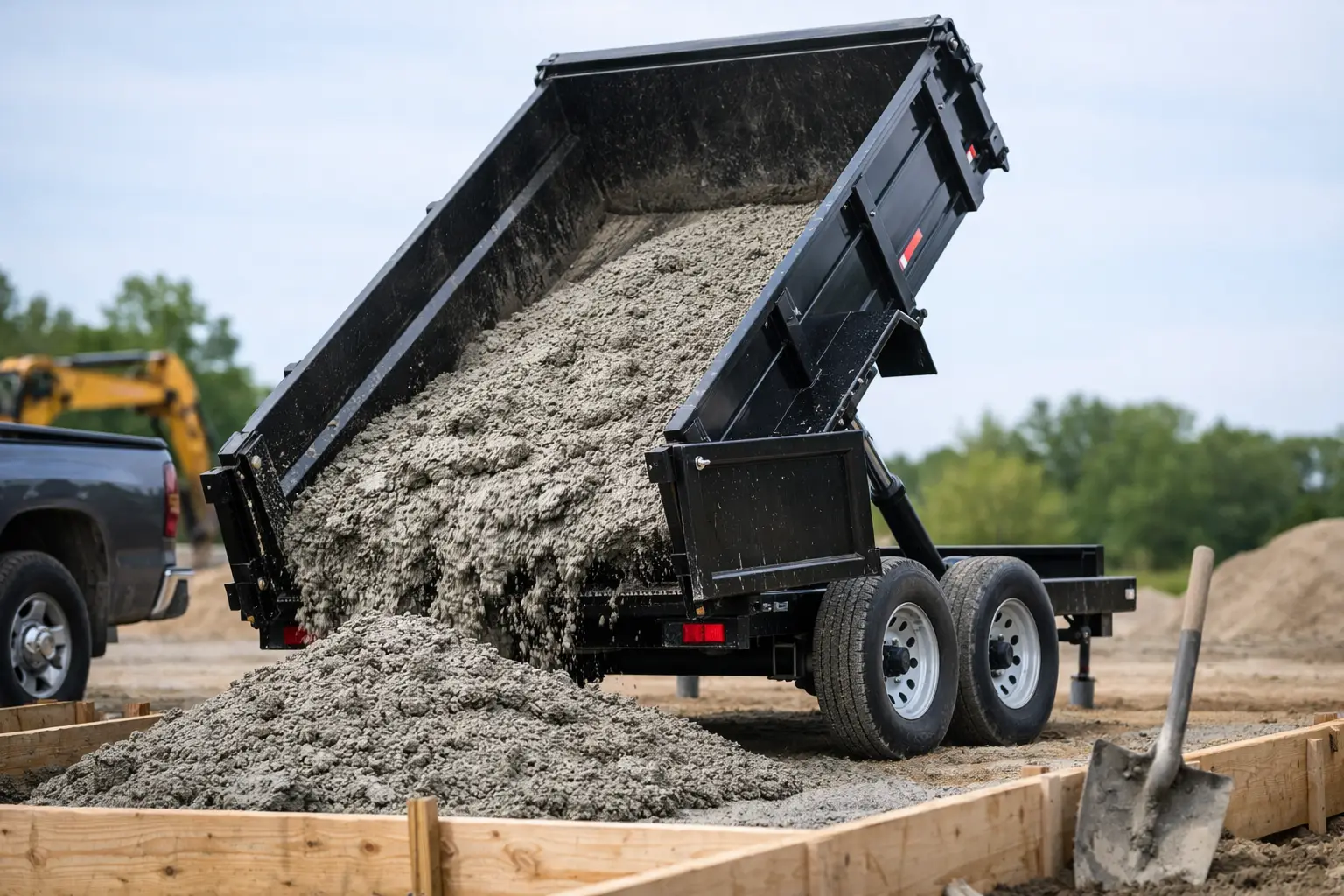
A lot of jobs look simple until the concrete shows up. What seems like a small patio pour, broken sidewalk removal, or leftover slab cleanup can turn into a serious weight problem fast. So, can dump trailers hold concrete? Yes, some can – but not every dump trailer should, and the difference comes down to weight capacity, trailer design, and how the concrete is being loaded.

That distinction matters whether you are a homeowner cleaning up after a project or a contractor trying to keep a job moving. Concrete is one of the heaviest materials you will ever load into a trailer. If you guess wrong, you can overload the trailer, stress the hoist, damage the bed, or create a dangerous towing situation on the road.

Can dump trailers hold concrete?

They can, but only within their rated limits and only if the trailer is built for that kind of load. A dump trailer is made to carry heavy material, but concrete is not the same as yard waste, household junk, or light demolition debris. Wet concrete is extremely dense, and broken concrete chunks can create hard point loads that hit the trailer floor differently than loose dirt or brush.

That is why the real question is not just whether a dump trailer can hold concrete. The better question is how much concrete that specific trailer can hold safely.

A heavy-duty dump trailer with a strong frame, proper axle setup, and a high payload rating may handle concrete just fine in smaller quantities. A lighter trailer, even if it looks large, may run out of payload long before the bed looks full. This is where people get in trouble. The trailer can appear half empty and still be overloaded.

Why concrete is tricky in a dump trailer

Concrete is heavy enough to make volume misleading. One cubic yard of concrete can weigh around 4,000 pounds. That means a trailer does not need to be filled very high before it reaches its limit. If the trailer itself already weighs several thousand pounds, your legal and safe payload shrinks even more.

Broken concrete also loads unevenly. Large chunks can slam into the bed during loading, and sharp edges can put extra stress on the floor. Wet concrete brings a different issue. It can shift, settle, and stick, which makes dumping and cleanup harder. If it begins to cure inside the trailer, the problem gets expensive fast.

For that reason, people handling concrete need to think beyond whether it fits. They need to think about total weight, balance over the axles, and whether the dumping system can lift that load without strain.

Wet concrete vs. broken concrete

If you are asking whether dump trailers can hold concrete, it helps to separate two very different situations.

Wet concrete is usually the riskier choice. A dump trailer is not a concrete mixer and is not designed for transporting ready-mix the way a dedicated concrete truck does. Wet concrete is dense, messy, and time-sensitive. It can leak through gaps, coat the trailer bed, and start setting before unloading if the timing goes wrong. Even if the trailer can technically hold the weight, that does not mean it is the right tool.

Broken concrete from demolition is more common in dump trailers. Sidewalk pieces, patio chunks, curb sections, and slab debris are often hauled this way. Even then, the load usually needs to stay much lower than people expect. The trailer may only be able to take a shallow layer of concrete rubble before reaching max payload.

What determines if your trailer can handle it

The biggest factor is payload capacity, not bed size. Payload is the amount of material the trailer can carry after accounting for the trailer’s own weight. Two trailers can look almost identical but have very different carrying limits.

Axles matter too. A dual-axle trailer rated for lighter jobs is not in the same class as a heavy-duty gooseneck dump trailer built for construction debris. Floor thickness, frame reinforcement, hoist design, tire rating, and coupler setup all play a part.

Tow vehicle capacity matters just as much. Even if the trailer itself is rated to carry concrete, the truck pulling it must also be rated to tow that total loaded weight. A trailer that is technically within its own limits can still be unsafe if the truck is undersized.

Then there is loading method. Dropping concrete chunks from a skid steer or excavator into one spot can create concentrated impact and uneven balance. Spreading the load carefully helps protect the trailer and improves dumping.

Common mistakes people make

The most common mistake is loading by sight instead of by weight. With lighter debris, people get used to filling a trailer near the top rail. That approach does not work with concrete. A partial load can already be too much.

Another mistake is assuming all dump trailers are built the same. They are not. Some are designed for general cleanup, mulch, brush, or mixed junk. Others are built for dense construction materials. If you do not know the trailer’s GVWR, empty weight, and payload, you are guessing.

People also underestimate cleanup. If wet concrete hardens in the bed, removing it can damage the trailer coating and waste hours of labor. Even broken concrete leaves dust, grit, and abrasive residue that should be cleaned out before the next use.

When a dump trailer makes sense for concrete

A dump trailer can be a practical option when you are hauling limited amounts of broken concrete and the trailer is properly rated for it. That might be a small demo job, a short driveway section, or a load of busted-up patio material that has been weighed and distributed correctly.

It also makes sense when you need fast load-and-go removal from a renovation or site cleanup. For contractors and property owners, that convenience matters. A trailer delivered to the site, loaded efficiently, and hauled away saves time and keeps the project area cleaner.

For jobs in Dade County and Broward County, where scheduling and turnaround often matter as much as price, having the right trailer for the material can keep the whole project moving instead of turning into a second cleanup problem.

When it is better to use another option

If you are dealing with large volumes of wet concrete, a dump trailer is usually not the best answer. A ready-mix truck, volumetric mixer, or other specialized setup is better suited for transport. If you are removing a major slab, commercial pad, or heavily reinforced concrete, you may need equipment and hauling built specifically for dense debris.

The same goes for jobs where weight is hard to estimate. If there is any doubt, it is smarter to underload and make more trips than to overload once. Overloaded trailers wear out components faster and create real safety issues with braking, steering, tires, and dumping.

A practical rule of thumb

Think heavy material means shallow loads. If the material is concrete, dirt, block, or roofing, the trailer often reaches weight capacity before it reaches visual capacity. That is why experienced operators pay attention to ratings first and volume second.

If you are renting or booking a trailer for concrete debris, ask what the load limit is for that material specifically. That is a better question than asking for the biggest trailer available. Bigger does not always mean more usable payload once the trailer’s own weight is factored in.

A dependable provider will tell you where the limit is, help you avoid overloading, and recommend a better option if concrete is not a good fit for that trailer. That kind of honesty saves money because it helps you avoid fines, damage, and wasted time.

The bottom line on concrete and dump trailers

So, can dump trailers hold concrete safely? Yes, if the trailer is rated for the load, the truck can tow it, and the material is loaded with weight in mind. But concrete is not forgiving. It gets heavy fast, it stresses equipment, and it punishes guesswork.

If you are dealing with concrete cleanup and want the job done without extra hassle, it helps to think less about filling space and more about managing weight the right way. The safest trailer load is usually smaller than people expect, and that is exactly why getting the setup right at the start makes the whole job easier.

How to Schedule Demolition Cleanup Right

Demolition cleanup usually gets treated like the last step. That is exactly why it causes so many delays.

If you are figuring out how to schedule demolition cleanup, the best time to plan it is before the first wall comes down. Waiting until debris is piled up, access is blocked, or the crew is ready to move on can turn a simple haul-away into a rushed, expensive problem. A cleaner schedule keeps the site safer, helps the next phase start on time, and saves you from scrambling for trucks, labor, or dumpster space.

How to schedule demolition cleanup before the work starts

The easiest cleanup jobs are the ones planned alongside demolition, not after it. Before the project begins, think through what is actually being removed, how much debris it will create, and where that material will go while the work is happening.

A small bathroom demo creates a very different cleanup schedule than a kitchen tear-out, office build-out, shed removal, or partial interior demolition. Drywall, tile, cabinets, flooring, concrete, wood framing, and fixtures all take up space differently. Some materials are heavy but compact. Others fill a trailer or dumpster fast even when the total weight is manageable.

That is why the first question is not just, “When do I want pickup?” It is, “What kind of debris will be on site, and how fast will it build up?” Once you know that, scheduling gets easier.

If you are a homeowner, this may mean walking through the project room by room and identifying what is being removed. If you are a contractor or property manager, it usually means matching cleanup to the demolition timeline so debris never slows down the crew.

Match cleanup timing to the size of the job

Not every demolition project needs the same cleanup approach. Some jobs are best handled with one final haul after all demolition is complete. Others need debris removal during the project so the site stays workable.

For a smaller residential demo, one scheduled cleanup at the end may be enough. If the debris can be staged neatly in a driveway, garage, or designated area without creating a hazard, a single pickup often keeps things simple and affordable.

For larger jobs, phased cleanup is usually the smarter move. If debris starts interfering with access, parking, equipment movement, or the next trade coming in, waiting until the end costs more than it saves. This is especially true when heavy materials like tile, concrete, or lumber are involved.

There is a trade-off here. More frequent pickups can increase coordination, but they often reduce labor slowdowns and keep the project moving. Fewer pickups may seem cheaper upfront, but if the site gets jammed up, the savings disappear fast.

Know what your cleanup provider needs from you

A good demolition cleanup schedule depends on clear job details. If you want accurate timing and pricing, be ready to give more than a rough guess.

The most helpful details are the type of debris, estimated volume, where the material will be located, and how easy it is to access. A ground-level garage cleanout is much different from debris stacked behind a building or inside a second-floor unit with stair-only access.

It also helps to explain whether debris will already be piled and ready for removal or if it still needs to be gathered, loaded, or separated. That affects crew size, time on site, and what equipment may be needed.

If there are materials that need special handling, mention that early. Not every load is the same, and some items may require separate disposal steps. Being upfront avoids rescheduling and keeps the day running smoothly.

How to schedule demolition cleanup without slowing down the next phase

The best cleanup schedule does not just remove debris. It protects the work that comes next.

If framing, flooring, painting, material delivery, or rebuilding is already booked, cleanup should happen with enough cushion to avoid overlap problems. You do not want demo debris sitting on site when new materials arrive. You also do not want crews working around piles of waste because pickup got pushed back.

A smart rule is to schedule cleanup before the site becomes critical to another trade. That may mean same-day service after demolition wraps up, next-day haul-away, or staggered pickups during a multi-day teardown.

For renovation projects, this matters even more in tight spaces. Driveways, alleys, loading areas, and entrances can only handle so much traffic. If demolition debris stays too long, it affects deliveries and crew flow.

This is one reason many customers prefer working with a provider that can handle more than one piece of the job. If the same team can support demolition, hauling, dumpster service, or site cleanup, scheduling tends to be faster and less stressful.

Decide between dumpster rental and full-service removal

One of the biggest scheduling decisions is whether you need a dumpster or full-service debris removal. The right option depends on how your project is moving.

A dumpster works well when demolition will happen over several days and you want debris removed as it is generated. It keeps material contained and gives your crew a place to throw debris immediately. That can be ideal for contractors, property managers, and homeowners doing staged renovations.

Full-service removal makes more sense when the debris is already piled up, when labor is needed to load everything out, or when you do not want a container sitting on site. It is also a good option for fast-moving projects where cleanup needs to happen quickly once demolition is finished.

Sometimes the answer is both. A project might start with a dumpster during active demolition, then finish with a final cleanup crew to remove leftover materials and sweep out the area. It depends on space, budget, timeline, and how hands-on you want to be.

Plan for access, safety, and weather

A cleanup date is only useful if the crew can actually get in, load out, and leave without issues. Before you lock in a time, look at the site like a hauling crew would.

Can a truck or trailer get close to the debris? Is there enough room to park without blocking traffic or damaging landscaping? Are gates unlocked, codes available, and pets secured? If the debris is indoors, is there a clear path out?

In South Florida, weather can also affect timing more than people expect. Heavy rain can slow loading, soften ground conditions, and turn a manageable pile into a mess. If your demolition is outdoors or partially exposed, leave some flexibility in the schedule.

Safety matters too. Sharp materials, broken glass, exposed nails, unstable stacks, and mixed debris can slow down removal. Keeping the pile organized during demolition makes final cleanup easier, faster, and safer for everyone involved.

Common mistakes that throw off demolition cleanup

Most cleanup delays come from a few predictable issues. The first is underestimating volume. People often guess based on floor size, but debris expands quickly once walls, flooring, cabinets, and fixtures are torn out.

The second is waiting too long to book. If you only start calling for cleanup once the site is overflowing, your preferred date may not be available. That can push the whole project back.

The third is assuming all debris can go together without asking. Some materials can be loaded together, while others may need to be handled differently. A quick conversation ahead of time avoids confusion.

Another common problem is poor staging. If debris is spread across multiple rooms, piled behind parked cars, or blocked by materials that are staying, cleanup takes longer and costs more in labor.

A simple way to build your schedule

If you want a practical approach, start with the demolition date and work backward. Figure out when tear-out begins, when the largest debris volume will hit, and when the area needs to be clear for the next step.

Then choose the cleanup style that fits the job. If demolition is a one-day event, end-of-day or next-day removal may be all you need. If demolition runs several days, plan at least one mid-project debris removal or have a container on site from the beginning.

Once you have that rough timeline, confirm access details, debris type, and who will be the main contact on pickup day. That small amount of planning prevents most scheduling headaches.

For homeowners, the goal is usually peace of mind. For contractors and property managers, the goal is keeping the project moving. Either way, cleanup should support the job, not chase after it.

If you are booking demolition cleanup in Dade County or Broward County, it helps to work with a responsive local team that understands short timelines, tight access, and the reality of jobsite changes. A&D Junk Removal LLC handles that kind of work every day, which makes scheduling easier when you need fast turnaround without a lot of back-and-forth.

The cleanest projects are not the ones with the least debris. They are the ones where cleanup was planned early, timed well, and handled before it became a problem. If you set it up that way, the whole job feels lighter from start to finish.