Appliance Removal Service Miami: What to Expect

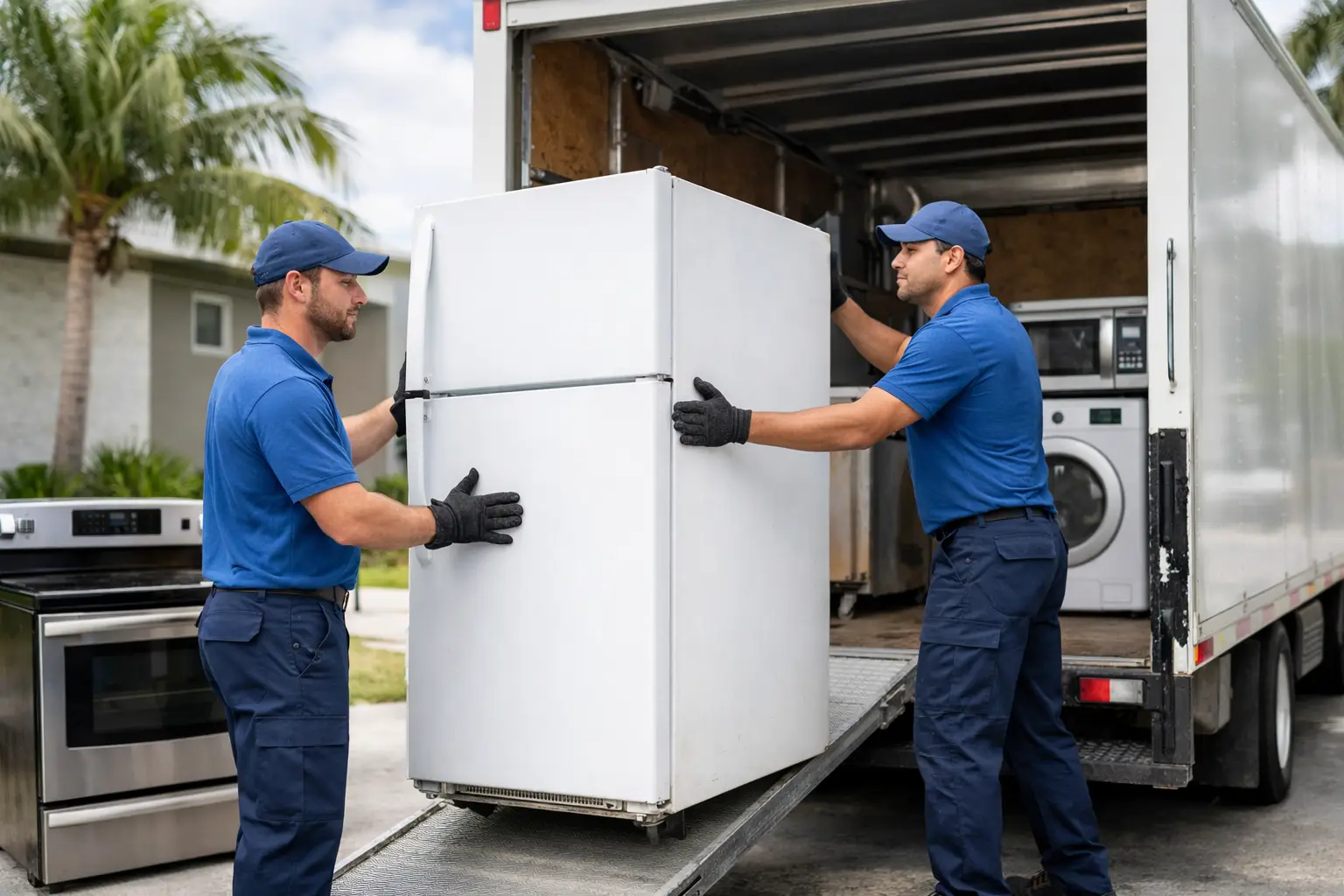
That old refrigerator usually becomes a problem right when you need space back fast. Maybe a tenant moved out and left a broken washer behind. Maybe your kitchen remodel is finally moving, but the outdated stove is still sitting in the way. If you need an appliance removal service Miami property owners can count on, the real value is not just hauling something heavy away. It is getting the job handled quickly, safely, and without adding more work to your day.

Large appliances are awkward, heavy, and harder to get rid of than most people expect. You cannot always leave them at the curb. You may need help moving them out of tight spaces, down stairs, through hallways, or off a job site without damaging floors, walls, or nearby fixtures. That is why many homeowners, landlords, contractors, and business owners choose a local team that can show up on schedule, do the lifting, and clear the area so the next step can happen.

Why appliance removal is not a simple curbside job

A dishwasher or dryer may not look like a major cleanup issue until it is time to move it. Then you are dealing with weight, disconnected lines, sharp edges, rust, and limited access. Refrigerators and freezers can be even more difficult because of their size and the way they are tucked into kitchens, garages, and utility rooms.

There is also the disposal side of it. Some appliances contain materials that should be handled carefully. Others may be recyclable, while some need to go to the right type of disposal facility. For the customer, the challenge is not just getting the item out. It is figuring out where it goes next and how to get it there without renting a truck, finding help, and losing half a day in the process.

A professional removal service solves that by making the job simple. You point to what needs to go, the crew handles the heavy lifting, and your space opens back up.

What an appliance removal service in Miami should actually include

Not every pickup is the same. Some customers need one old microwave removed from a garage. Others need multiple kitchen appliances cleared out before demolition starts. The best service is the one that adjusts to the job instead of treating every call like a one-size-fits-all appointment.

In most cases, appliance removal starts with basic scheduling and a clear estimate. From there, the crew arrives, confirms what is being removed, handles the loading, and hauls it away. If the appliance is inside the property, that should include carrying it out carefully rather than expecting the customer to drag it to the driveway.

For many people, speed matters just as much as price. A delayed pickup can hold up an installer, a renovation crew, a property turnover, or a move-out timeline. That is where responsive scheduling really matters. Fast service is not just convenient. Sometimes it keeps the whole project moving.

Common appliances that can be removed

Most customers call for larger household items, especially when replacing old units or clearing a property after a sale, rental turnover, or remodel. That often includes refrigerators, freezers, washers, dryers, ovens, stoves, dishwashers, microwaves, and water heaters.

Commercial customers may also need help removing office breakroom appliances, restaurant equipment, or old units left behind in a retail or rental space. The details can vary depending on size, access, and whether the item is already disconnected, but the goal stays the same: remove the item safely and get it off the property without delay.

If you are not sure whether your item qualifies, it usually comes down to a few practical questions. How large is it, where is it located, and does the removal require extra labor because of stairs, tight turns, or multiple pieces? Those are the kinds of details that help a junk removal team give a realistic answer from the start.

When calling an appliance removal service Miami customers should be ready with a few details

A fast pickup usually starts with a clear description of the job. You do not need to overcomplicate it, but a few details make scheduling easier and help avoid surprises when the crew arrives.

It helps to know what kind of appliance is being removed, whether it is inside or outside, and if there are stairs, elevators, gates, or narrow access points involved. If the unit is still connected to water, gas, or electric, that matters too. Many removal teams can haul the item away once it is ready, but disconnection may need to happen first depending on the appliance and the setup.

Photos can also help, especially for larger jobs or multi-item cleanouts. A quick look at the appliance and its location often tells more than a long explanation over the phone.

The difference between cheap and reliable service

Price matters. Nobody wants to overpay to get rid of an old stove or a broken dryer. But the lowest number is not always the best deal if the crew shows up late, reschedules at the last minute, or leaves damage behind.

Reliable service means getting a realistic arrival window, clear communication, and a crew that is ready to do the work. It also means respecting the property. That is especially important in condos, apartment buildings, managed properties, and active job sites where delays and messes create bigger problems.

A dependable company should also be straightforward about what affects the cost. Volume, weight, location, access difficulty, and the number of items all play a role. One appliance sitting in a garage is different from three heavy units on a second floor with no elevator. Honest pricing accounts for that without making the process confusing.

Who usually needs appliance removal

This kind of service helps more people than most think. Homeowners often book appliance pickup during renovations, upgrades, garage cleanouts, or after a unit stops working. Renters may need help removing an item before moving. Property managers and landlords call when tenants leave appliances behind or when units need to be turned over quickly.

Contractors also use appliance removal to keep projects on track. When old kitchen units or laundry equipment are still on-site, they take up working space and slow down the next phase. Business owners run into the same issue during remodels, closures, replacements, or back-of-house cleanups.

The common thread is simple: there is a bulky item in the way, and someone needs it gone without wasting time.

Why local service matters for appliance removal

A local team tends to understand the pace and logistics of the area better. That matters when traffic, building access, tight scheduling windows, and same-day needs are part of the job. In Dade and Broward County, customers often want quick turnaround and direct communication, not a drawn-out booking process.

That local responsiveness is part of what makes a service useful. If you are managing a property, coordinating installers, or trying to finish a cleanup before the weekend, you want to know whether the job can be handled now, not sometime next week.

For customers who want one company that can handle more than just appliance pickup, that flexibility can be even more helpful. A team that also manages junk removal, debris hauling, and site cleanup can often do more in one visit, which saves time and reduces the hassle of scheduling multiple providers.

How to make pickup faster and easier

If the appliance can be emptied and disconnected ahead of time, that usually speeds things up. Clear a path to the door if possible, move smaller obstacles out of the way, and let the crew know about parking restrictions or building requirements before arrival.

That said, every property is different. Some customers have a clean garage pickup. Others need a refrigerator brought down from a condo unit or out of a narrow utility room. A good removal team should be prepared for real-world conditions, not just ideal ones.

If you have more than one item to remove, mention everything upfront. Combining items into one visit is often more efficient than setting up separate pickups later.

A&D Junk Removal LLC works with the kind of customers who need that practical, no-hassle approach. The job is to show up, do the heavy lifting, and help clear the way for whatever comes next.

When an old appliance is taking up space, holding up a project, or creating stress you do not need, the best next step is usually the simplest one: get it removed by a team that knows how to handle it right the first time.
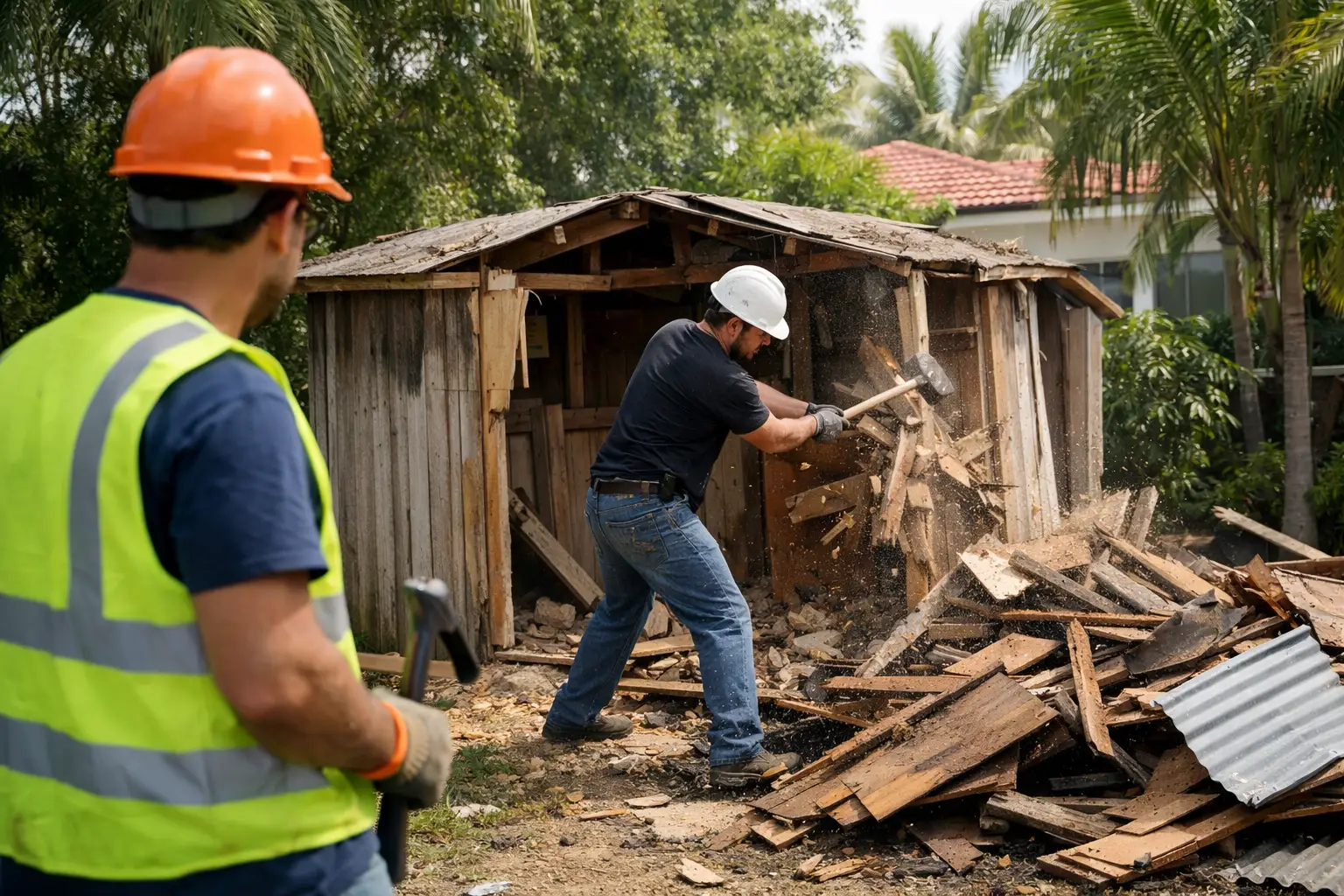
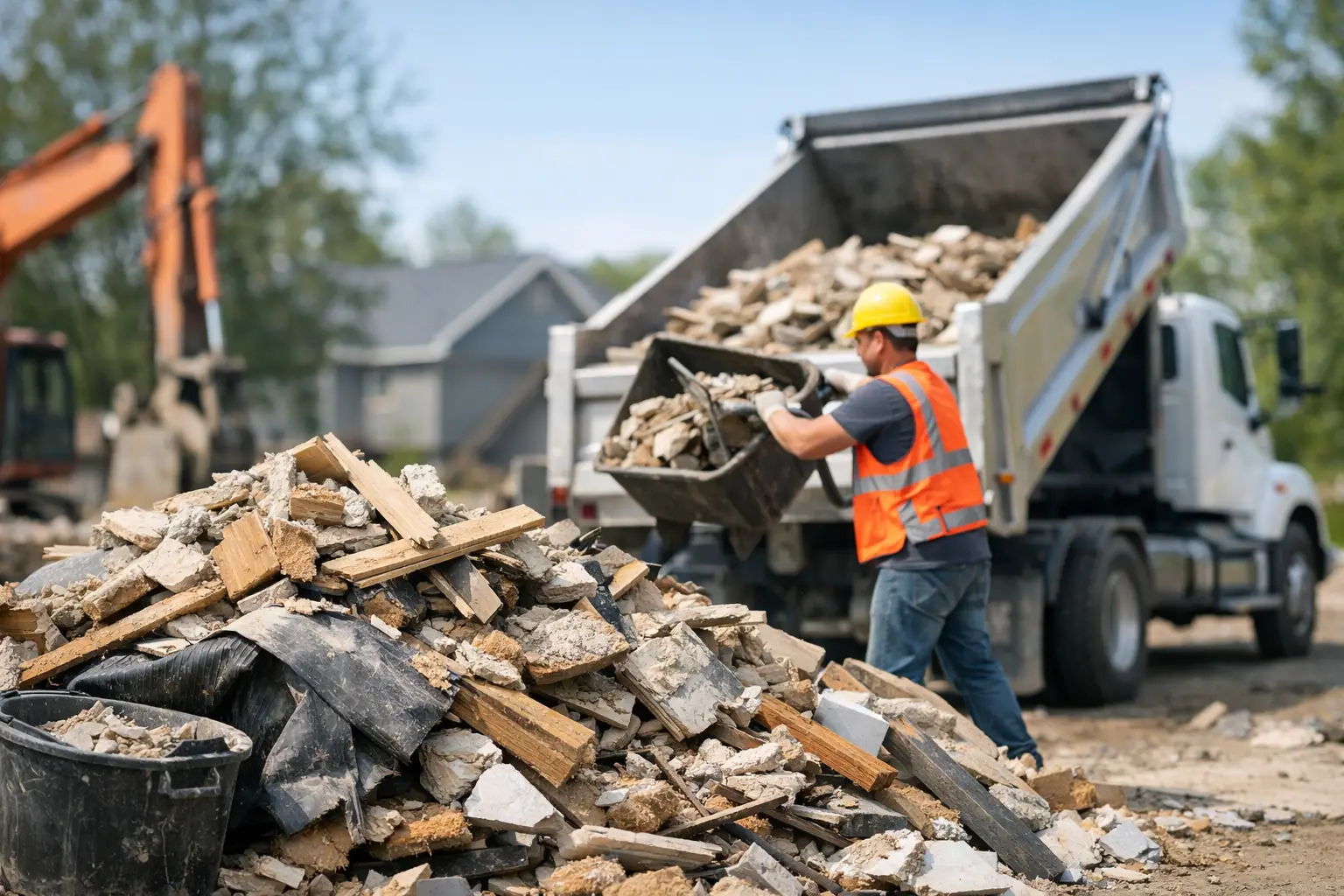
Shed Demolition Service Miami Homeowners Trust

That old shed usually stops being useful long before it actually falls apart. It turns into a place for broken tools, warped boxes, and things you meant to deal with months ago. If you are looking for shed demolition service Miami property owners can rely on, the real goal is not just tearing down a structure. It is getting your yard, side lot, or work area back without creating a bigger mess in the process.

In Miami, shed removal is rarely as simple as swinging a hammer for an hour and tossing debris in the back of a truck. Heat, humidity, tight property lines, fencing, buried utility lines, and the condition of the structure all matter. A shed that looks small from the outside can turn into a complicated cleanup once the roof comes off and the floor frame is exposed.

What a shed demolition service in Miami actually includes

A professional shed demolition service in Miami should cover more than the teardown itself. The work usually starts with a quick assessment of the shed’s size, what it is made of, how stable it is, and how easy it is to access. A wood shed sitting on soft ground is a very different job from a metal or prefab unit bolted to a concrete slab behind a locked fence.

From there, the process typically includes dismantling or demolition, loading the debris, hauling it away, and cleaning the area so you are not left with nails, splintered boards, sheet metal, or roofing pieces scattered around the property. That cleanup matters. For homeowners, it makes the yard usable again. For contractors and property managers, it helps keep the next phase of the project on schedule.

Some jobs also include light site prep after removal. If the shed was blocking access for landscaping, renovation, or a larger cleanup, having one team handle demolition and debris hauling saves time and avoids back-and-forth scheduling.

Why shed removal is often harder than it looks

A lot of people think of sheds as simple structures, and some are. Others are patched together over years, partly rotten, partly reinforced, and more dangerous once they start coming apart. What looks like a small weekend job can turn into a safety issue fast.

Roof panels can shift unexpectedly. Floor frames may be weak in one corner and heavily anchored in another. Old sheds also tend to hold more than yard equipment. Paint cans, scrap wood, rusted metal, broken furniture, and forgotten chemicals often show up once demolition starts. That changes both the labor and the disposal plan.

There is also the access problem. In many South Florida properties, sheds are tucked behind homes, near pools, next to fences, or in areas where parking and loading are tight. If the crew cannot pull up close, debris has to be carried out by hand or with smaller equipment. That affects the job more than square footage alone.

What affects the cost of shed demolition service Miami customers book

Cost depends on a few practical factors, not just the size of the shed. Material is one of the biggest. Wood, metal, resin, and mixed-material sheds all break down differently and create different disposal loads. A simple wood frame with shingles is usually more straightforward than a unit with heavy anchors, shelving, electrical components, or a thick concrete base.

Condition matters too. A stable shed can be dismantled more cleanly. A collapsed, leaning, or badly damaged one often takes more care because crews have to control how it comes apart. That slows things down, but it is usually the safer way to handle it.

The base under the shed can also change pricing. If the structure sits directly on dirt or pavers, removal is generally simpler. If it is attached to a slab or surrounded by other structures, more labor is involved. Add in distance from the truck, volume of debris, and whether the shed is empty or still full, and you get a more accurate picture of the job.

This is why quick phone estimates are helpful, but on-site or photo-based quotes tend to be more realistic. A fair price comes from seeing the real conditions, not guessing.

Should you empty the shed first?

If you can remove a few obvious items ahead of time, that can help. But many customers call because they do not want to sort through years of clutter before the work even begins. That is understandable. In plenty of cases, it makes sense to have the contents removed as part of the project.

The key is being clear about what is inside. Yard tools, storage bins, old shelving, broken equipment, and general junk are common. Hazardous materials are a different story and may need special handling depending on what is there. A good service will tell you upfront what can be hauled, what may require separate disposal, and how that affects the final price.

If you are a landlord, property manager, or contractor, this matters even more. Vacant properties and inherited properties often have sheds that are packed tighter than expected. Combining junk removal with demolition is often the fastest way to get the site cleared.

Timing matters when the shed is blocking your next project

Sometimes a shed is just an eyesore. Other times, it is holding up everything else. Maybe you are replacing a fence, pouring a slab, regrading the yard, or cleaning up after storm damage. In those cases, you do not need a drawn-out process. You need responsive scheduling and a crew that shows up ready to finish the job.

That is where working with a local, service-based team makes a difference. A company that already handles debris hauling, demolition, and site support can usually move faster than one trying to coordinate multiple subcontractors. If the shed comes down and leaves a pile of mixed debris, the same crew can often load out immediately instead of leaving you with a second appointment to manage.

For many customers, convenience is the whole point. One call, one schedule, one team, and the area is cleared.

When permits or extra planning may come into play

Not every shed demolition job needs the same level of paperwork, but it is smart to ask questions before work begins. Smaller detached sheds are often more straightforward. Larger structures, sheds with electrical service, or buildings that function more like workshops may require extra planning.

If utilities are connected, those should be addressed before demolition starts. If the shed is attached to another structure or sitting close to a neighbor’s fence or building, that can also affect how the job is handled. The right approach depends on the property and the structure itself.

This is one of those areas where cutting corners causes problems. A quick teardown is only helpful if it does not create damage, disposal issues, or delays for the next step of your project.

Choosing the right shed demolition service in Miami

The best shed demolition service in Miami is not just the cheapest number you can find online. It is the team that communicates clearly, shows up on time, explains what is included, and leaves the area clean when the work is done.

That means asking a few basic questions. Does the quote include hauling and disposal? Will the crew remove leftover debris and sharp materials? Can they handle a shed that is full of junk or partially collapsed? Do they have experience with tight access and residential properties? Those details matter more than flashy promises.

This is also where local experience helps. In Dade and Broward County, properties vary a lot. Some jobs are wide open and simple. Others involve narrow side yards, HOA restrictions, or limited parking. A crew that works in these conditions regularly is less likely to be surprised by them.

For customers who want a straightforward option, A&D Junk Removal LLC fits the kind of work this job calls for – practical scheduling, fair pricing, cleanup included, and no-hassle service from a team used to heavy lifting and debris removal.

The outcome most people actually want

Most customers are not shopping for demolition because they are excited about demolition. They want the problem gone. They want the unsafe structure removed, the junk hauled off, and the space opened up for something better.

Maybe that means room for a new patio, a cleaner rental property, easier landscaping, or just one less headache in the backyard. Whatever the reason, the best shed removal jobs feel simple from the customer side. The crew handles the hard part, the debris disappears, and the property looks usable again.

If your shed has turned into wasted space, a safety concern, or one more project you keep pushing off, getting it removed is often easier than you think. A clean yard and a clear plan tend to make everything after that move faster.

Contractor Debris Hauling Guide for Faster Jobs

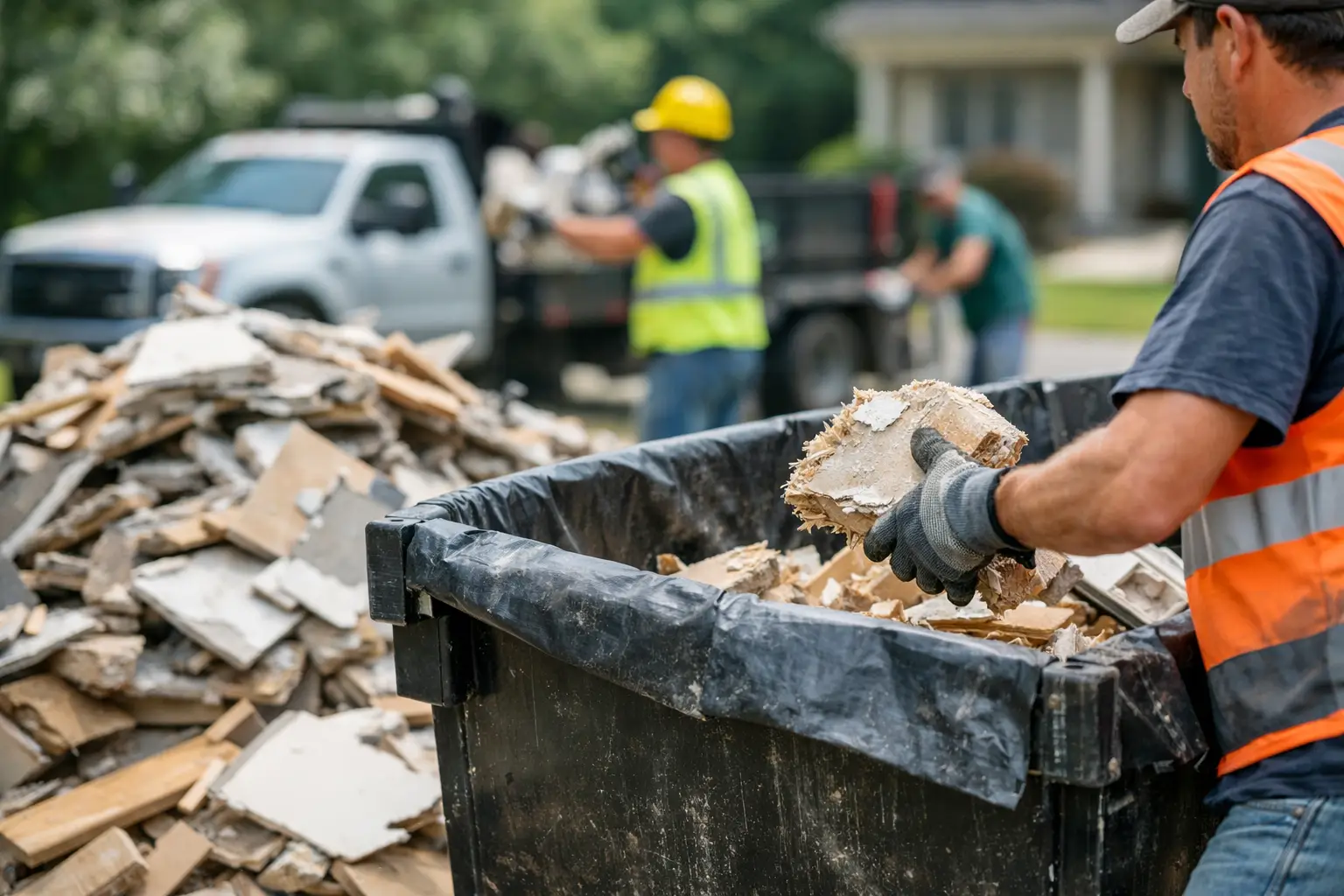
A job can be on schedule, the crew can be solid, and the client can be happy – until debris starts piling up. Once demo waste, drywall scraps, broken tile, packaging, and leftover material take over the site, everything slows down. This contractor debris hauling guide is built for crews, remodelers, and project managers who need a cleaner jobsite, fewer delays, and a hauling plan that actually keeps work moving.

Why debris hauling matters more than most crews expect

Debris is not just a cleanup issue. It affects labor efficiency, safety, access, and how professional the project looks to the customer. A site with stacked material in walkways, overloaded trucks, or loose debris around active work areas creates friction all day long.

That friction costs money in ways contractors know well. Crews spend time dragging trash instead of building. Subcontractors lose room to work. Dump runs eat into productive hours. And if the customer sees a mess every time they walk through, confidence drops even if the workmanship is strong.

A good hauling plan keeps the site usable from day one. That is especially important on remodels where space is tight, occupied homes need to stay livable, or commercial work has to happen with minimal disruption.

Start your contractor debris hauling guide with the debris itself

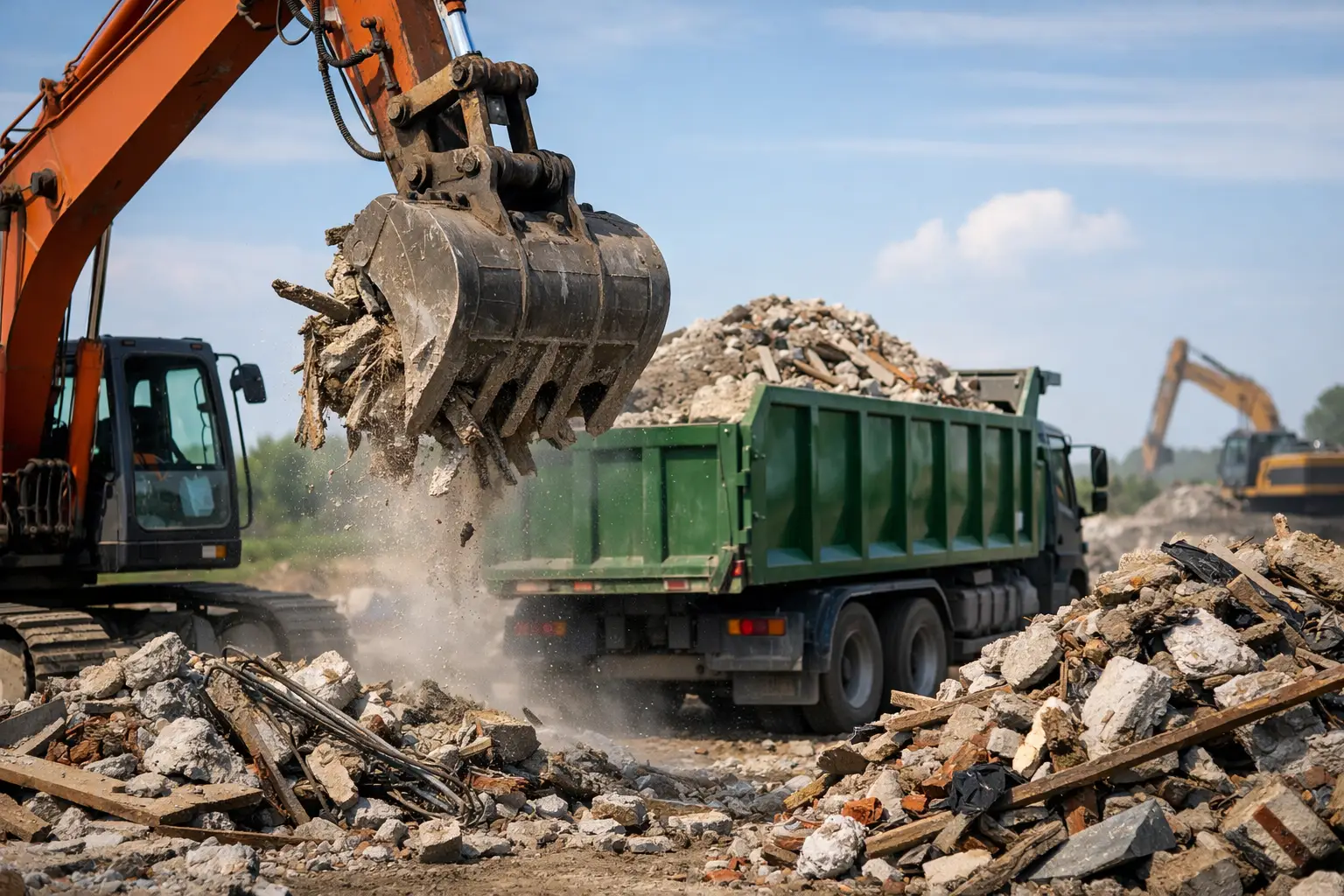
Not every job creates the same kind of waste, so hauling should not be treated like a one-size-fits-all service. A bathroom demo produces heavy material in a small footprint. A retail buildout may create a large volume of lighter waste like cardboard, shelving, and packaging. Roofing, concrete, fencing, flooring, and interior demolition all behave differently once they start piling up.

The first question is simple: is this a volume problem, a weight problem, or both?

Concrete, tile, dirt, stucco, and shingles get heavy fast. Drywall, trim, cabinets, and mixed renovation debris can take up more room than expected even if they are lighter. If you only plan for volume, you risk overloading. If you only plan for weight, you may still run out of space and end up with debris sitting on site longer than it should.

It also helps to think about contamination early. Clean loads are easier to manage than mixed loads. If usable material, metal, yard waste, or standard construction debris can be separated without slowing the crew down, disposal becomes simpler and in some cases less expensive.

Choosing the right hauling setup

The best hauling option depends on the job size, the available space, and how long debris will be generated. There is no single right answer for every contractor.

For short, heavy demo phases, a dedicated dumpster or trailer on site usually makes the most sense. It gives the crew one place to toss debris as they work and cuts out repeated loading into pickup beds. For smaller renovation jobs, especially at occupied homes, a trailer can be easier to place and remove with less hassle.

For one-time cleanouts or end-of-project pickup, a full-service debris removal team can be the better fit. Instead of keeping a container on site, the crew stages the material and has it hauled away once enough has accumulated. That works well when parking is limited, HOA rules are strict, or the site cannot spare the footprint of a dumpster for several days.

Some projects need a mix. A contractor might use a trailer during active demo, then schedule final removal after punch-out. That approach can be more cost-effective than overbooking one service type from start to finish.

Site conditions decide a lot

A hauling plan that works on a suburban full-gut remodel may fail completely on a narrow city lot or a commercial site with restricted access. Before you schedule service, think through the practical details.

Where will the container or trailer sit? Can a truck get in and out without blocking the job? Will low trees, tight gates, soft ground, or steep driveways create problems? If the site is occupied, how will residents, tenants, or customers move around safely while debris is being loaded or removed?

These details matter because every hauling delay tends to snowball. If the driver cannot access the site, the crew still has debris and no place to put it. If a container blocks material delivery, the job slows from both directions. A little planning upfront usually prevents those headaches.

In Dade and Broward County, this can be even more important because many properties have tighter access, busy traffic patterns, and limited staging space. A local hauling partner who knows how to work around those conditions can save a contractor time without turning a simple pickup into a half-day problem.

A clean jobsite is a production tool

Contractors do not need spotless conditions every hour of the day. They do need control. There is a difference between active work and unmanaged debris.

When debris has a designated drop zone, loading path, and removal schedule, the crew works faster. Material deliveries stay organized. Tools are easier to move. Safety improves because there is less loose debris underfoot and fewer unstable piles leaning against walls or fencing.

Customers notice this too. A clean, controlled site signals professionalism. It tells the homeowner or property manager the job is being handled responsibly, not just quickly. That matters when you are trying to protect referrals and repeat business.

What to include in your debris plan before work starts

A reliable contractor debris hauling guide should always come back to planning. Before demo begins, know what type of debris is coming out, where it will be placed, how often it needs to be removed, and who is responsible for loading.

It is also smart to estimate when debris volume will spike. Most jobs do not produce waste evenly. Demo days, flooring tear-outs, cabinet removal, roofing phases, and final cleanups create surges. If hauling is only scheduled for the end, the site may be clogged for days in the middle of the job.

Talk through turnaround time as well. Some contractors only need one swap or pickup. Others need flexible scheduling because timelines shift, extra demo gets approved, or weather changes the sequence. Fast response matters most when the site cannot afford to wait.

This is where a service-focused company can make life easier. A provider like A&D Junk Removal LLC is useful when the goal is not just dropping off a container, but getting dependable support that adjusts to the way real jobs unfold.

Common mistakes that make hauling more expensive

One of the biggest mistakes is underestimating debris. Contractors are usually good at estimating labor and material, but cleanup is often treated as an afterthought. Then the pickup bed fills up after one load, or the container is packed before the rough phase is done.

Another mistake is mixing everything together when separation would have helped. That does not mean every job needs a perfect sorting system. It means the crew should avoid turning manageable waste into a harder disposal problem.

Poor placement is another avoidable issue. If the debris container is too far from the work area, labor gets wasted on long carry distances. If it is too close to access points, it interferes with work, deliveries, or customer movement. Good placement saves both steps and frustration.

Finally, some crews rely too heavily on self-hauling. That can work for tiny jobs, but once dump runs start pulling workers off site, the math changes. The truck is busy, labor is gone, and disposal still has to be paid for. In many cases, hiring hauling support is less about convenience and more about protecting production.

When full-service hauling beats a dumpster

Dumpsters are useful, but they are not always the best fit. On jobs with limited space, strict parking rules, or debris that needs to be carried out from the interior, full-service hauling can be the better call.

That is especially true when the crew should stay focused on trade work instead of cleanup logistics. If a hauling team can load, remove, and dispose of debris without tying up your labor, the project often moves more smoothly. It also helps on jobs where the customer wants less visual clutter or faster final cleanup.

The trade-off is simple. A container gives ongoing access, while full-service hauling gives more hands-on help and less site footprint. The right choice depends on whether the job needs constant dumping space or fast removal with minimal hassle.

Build hauling into the job, not around it

Debris hauling works best when it is treated as part of production, not as something squeezed in after the real work is done. The contractors who stay ahead of mess, safety issues, and lost labor usually are not doing anything fancy. They just make hauling part of the schedule from the start.

If the site stays clear, the crew stays productive. If the debris plan fits the job, costs stay easier to control. And if cleanup never gets a chance to become a problem, the whole project feels more professional to everyone involved.

The best hauling plan is usually the one that keeps your crew building instead of dragging trash to the dump.

How to Plan Driveway Material Delivery Right

A load of gravel, mulch, sand, or crushed concrete can make your project move fast – or bring it to a stop if it shows up in the wrong spot, at the wrong time, or in the wrong amount. If you’re figuring out how to plan driveway material delivery, the real job is not just ordering material. It is making sure the drop-off works with your space, your schedule, and the work that comes next.

For homeowners, property managers, and contractors, that usually means thinking beyond the pile itself. Can the truck get in without damaging the property? Is the driveway strong enough for the load? Will rain turn the material into a mess before it gets spread? A little planning up front saves money, cleanup, and a lot of frustration.

How to plan driveway material delivery before you order

The first step is knowing exactly what the material is for. A decorative gravel refresh, a base layer for pavers, and a concrete prep job all call for different materials, different volumes, and different timing. If you order before you are clear on the use, there is a good chance you will either overbuy or end up needing a second trip.

Start with measurements. You need the length and width of the area, plus your target depth. That depth matters more than people think. Two inches of gravel for a surface refresh is very different from four to six inches for a fresh base. If you are not sure what depth makes sense, it is better to ask before delivery day than after a pile is sitting in your driveway.

It also helps to think about waste and settling. Some materials compact. Some spread wider than expected. Some projects need a little extra on hand for touch-ups. Ordering the exact minimum can look smart on paper and still leave you short halfway through the job.

Pick the right material for the job

Not every driveway delivery is interchangeable. Gravel comes in different sizes and functions. Fill dirt is not topsoil. Crushed rock behaves differently than pea gravel. Mulch may be fine for landscaping beds but useless for a drainage fix.

This matters because delivery is part of the project cost. If the wrong material gets dumped, the problem is not just inconvenience. It can mean another delivery fee, another delay, and extra labor to move or remove what you did not need.

If appearance matters, ask about color and texture. If drainage matters, ask how the material performs when wet. If compaction matters, ask whether it is meant for base work or finish coverage. Good planning means matching the material to the result you want, not just ordering what sounds close enough.

Make sure the drop-off area can handle the truck

This is where many driveway deliveries go sideways. A material delivery truck is heavier than most people expect, especially when fully loaded. That weight can crack older concrete, sink into soft ground, scrape low branches, or struggle in tight turns.

Before scheduling, look at the full access route, not just the final drop spot. Check gate widths, parked cars, overhead wires, tree limbs, and any sharp angles near the driveway. If the truck has to back in, think about how much room it really has. A space that feels open in a car can feel very different to a larger work vehicle.

You should also consider the condition of the surface. New pavers, decorative concrete, and thinner asphalt can be vulnerable under a heavy load. Sometimes the safest option is to place the material in a more stable area and move it from there. That adds labor, but it may prevent expensive damage.

If you live in a neighborhood with narrow streets or strict parking rules, plan for that too. In busy areas of Miami-Dade or Broward, timing and access can make as much difference as material choice.

Choose the best placement spot

Where the material lands affects everything after delivery. A pile dropped too far from the work area means more wheelbarrow trips, more labor, and more time. A pile dropped too close to a garage door, sidewalk, or parked vehicle can block access and create a safety issue.

The best placement spot is usually firm, level, and close enough to the project to keep movement simple. It should also leave room for people to walk, cars to move if needed, and other crews to do their work. If your project includes junk removal, demolition, or dumpster use, think about how all those services will share the space.

Marking the spot helps. Cones, chalk, tape, or a clear photo can prevent guesswork. If you will not be on site during delivery, clear instructions matter even more. A vague note like “drop it by the driveway” can still lead to a pile in the wrong place.

Time the delivery around the work, not just your availability

One of the easiest ways to waste money is having material delivered too early. Gravel can spread, wash, or get mixed with debris. Sand can get saturated by rain. Mulch can sit longer than planned and start to become a nuisance instead of progress.

Try to schedule delivery as close as possible to the point when the material will be used. That is especially true if your driveway area is tight or the material will interfere with regular traffic. If prep work still needs to happen, such as grading, demolition, or debris removal, finish that first whenever possible.

On the other hand, waiting too long can create its own problem if your crew is standing around with nothing to work with. The right timing depends on the size of the job, weather conditions, and how quickly the material can be installed once it arrives.

A dependable local delivery team can help with this. Fast scheduling is useful, but responsive scheduling is even better because projects shift. If weather changes or another phase runs late, you want a provider that can adjust without turning a simple job into a weeklong headache.

Think through weather and site conditions

Florida weather can change a simple delivery in a hurry. A dry driveway in the morning can be soft and slick after an afternoon storm. That affects truck access, unloading, and cleanup.

If the forecast looks rough, ask yourself what happens if the material arrives and sits. Will it be usable? Will runoff carry it into the street? Will a heavy truck leave ruts in the lawn trying to reach the drop point? These are not edge cases. They happen all the time on real jobs.

Sometimes the best move is to delay by a day and keep the site under control. Other times, it makes sense to place the material in a safer area and move it later. There is no one answer for every property. Good planning means looking at your actual site, not assuming ideal conditions.

Know who is responsible for what

A smooth delivery usually comes down to clear expectations. Is the service dropping the material only, or also helping place it more precisely? Will they dump and go, or wait for direction? If the pile needs to avoid a sprinkler line, cleanout, or drain, has that been communicated ahead of time?

This is also the time to ask about cleanup. Bulk material deliveries can leave dust, small scatter, or tire marks depending on the surface and weather. That does not always mean something went wrong, but you should know what to expect.

If your project also involves hauling away old material, broken concrete, yard debris, or renovation waste, coordinating both sides of the job can save time. Many customers prefer working with one company that can deliver what is needed and clear out what is not. It keeps the site simpler and cuts down on delays between phases.

Avoid the most common delivery mistakes

Most driveway delivery problems are predictable. People underestimate volume, forget about truck clearance, choose a bad drop location, or schedule the load before the site is ready. None of that is unusual, but all of it costs money.

Another common issue is focusing only on price per yard instead of total job efficiency. A cheaper load is not really cheaper if it gets dumped where it cannot be used easily, damages the surface, or forces a second order. Reliable service, clear communication, and accurate placement often matter more than squeezing out the lowest possible number.

If you are managing a property or running multiple jobs, consistency matters even more. You need the material where you asked for it, when you asked for it, without a lot of back-and-forth.

A simple plan makes the whole project easier

The best way to handle how to plan driveway material delivery is to think like the work is already happening. Picture the truck arriving, the material being placed, and the next step starting right after. If something in that picture feels cramped, unclear, or likely to slow the job down, fix it before delivery day.

A little planning keeps the driveway usable, protects the property, and helps the whole project stay on schedule. And if you want less hassle, working with a team like A&D Junk Removal LLC that understands delivery, cleanup, and site support can make the process a lot easier from the start.

When the material shows up in the right amount, at the right time, in the right spot, everything after that gets simpler.

Fill Dirt Delivery Broward: What to Know

A backyard that holds water after every storm, a low spot along a driveway, or a site that needs rough grading before the real work starts – these are the jobs where fill dirt delivery Broward customers usually need fast. The challenge is not just getting dirt dropped off. It is getting the right material, in the right amount, at the right time, without slowing down the rest of the project.

When fill dirt delivery in Broward makes sense

Fill dirt is meant for building up and leveling ground. It is not the same as topsoil, and that difference matters. Topsoil contains organic matter that helps plants grow. Fill dirt is denser and more stable, which makes it better for raising grade, filling holes, supporting pads, and preparing an area before other materials go on top.

That is why property owners and contractors often order fill dirt for practical jobs rather than finish work. If you are trying to fix a drainage issue, bring a low area up to match surrounding grade, backfill around a structure, or create a base for another layer of material, fill dirt is usually the right starting point. If your goal is planting grass or landscaping beds, you will likely need topsoil after the fill work is done.

In Broward, timing also matters. Heavy rains can expose poor grading fast. A lot that looked mostly fine in dry weather can suddenly show pooling water, soft spots, or uneven runoff. In those cases, getting material delivered quickly can keep a small problem from turning into erosion, mud, or property damage.

What fill dirt actually is

Good fill dirt is usually a clean mix of subsoil with little to no organic material. It should not be loaded with roots, mulch, trash, or debris. The reason is simple – organic material breaks down over time. When that happens, the ground can settle unevenly, which creates new problems after the job is supposed to be finished.

Not every fill dirt load is identical, though. Some loads are better for general leveling, while others are more suitable for larger site prep where compaction and stability matter most. If the area will support a structure, slab, driveway section, or another load-bearing surface, the quality of the dirt and how it is installed becomes more important than just getting the cheapest load available.

That is where a dependable local provider helps. When delivery is handled by a team that also works around cleanup, site prep, hauling, and Bobcat services, there is usually a better understanding of how the dirt will actually be used once it hits the ground.

How much fill dirt should you order?

This is where many jobs go sideways. People either under-order and lose time waiting on another trip, or over-order and end up with a pile they did not plan for. The right amount depends on square footage, depth, and how much settling or compaction you expect.

As a rough example, a shallow leveling job in a small yard may only need a modest amount. A larger area with several low spots, or a site that needs the grade raised by a few inches across the whole footprint, can require far more material than most people expect. Dirt also spreads differently depending on whether the ground is flat, sloped, soft, or already compacted.

If you know the length, width, and average depth you need to fill, you can estimate volume before booking. But if the site is uneven or the grade issue is hard to judge, it is smart to talk it through first. A quick review of the project can save money and prevent extra deliveries.

Fill dirt delivery Broward projects often involve more than delivery

The dirt itself is only one part of the job. A delivery solves the material problem, but many customers also need help getting the area ready or finishing the work after the drop-off. That can include clearing debris, removing old material, rough grading, spreading, or hauling away what is no longer needed.

For a homeowner, this might mean cleaning out a side yard before filling a washout area. For a contractor or property manager, it might mean coordinating dirt delivery with demolition debris removal or machine work on the same schedule. When those services are split across multiple providers, delays are more likely. When one company can handle the support work too, the project usually moves faster.

That is one reason customers often look for a team that can do more than just bring a load and leave. If the site needs cleanup, access is tight, or equipment is needed to move the dirt where it belongs, having that available matters.

What affects the price?

The biggest cost factors are usually the amount of dirt, the type of fill, delivery distance, site access, and whether extra labor or equipment is involved. A simple drop at an easy-to-reach location costs less than a job where the driver has limited access, the area needs prep, or the material has to be moved and spread after delivery.

There is also a trade-off between price and convenience. The lowest number is not always the best deal if it means long wait times, poor communication, or a load that is not right for the job. Most customers are trying to solve a problem quickly and keep their schedule intact. Reliable service has value, especially when other parts of the project depend on that delivery showing up when promised.

For larger jobs, it is worth asking whether the provider can also help with grading, cleanup, or hauling. Bundling services can be more efficient than hiring separate crews.

Site access can change the whole plan

A lot of dirt delivery issues come down to access. If the drop area is open and straightforward, the process is simple. If the site has soft ground, overhead wires, narrow gates, parked vehicles, or limited room to maneuver, the delivery needs more planning.

This is especially common on residential properties where the customer wants the load placed in a specific area without damaging existing concrete, grass, or landscaping. In some cases, the best option is to drop the material in a safe accessible spot and then move it with equipment. In others, a smaller load or a different placement area may be the smarter choice.

That is why clear communication before the truck arrives matters. A few details about access can prevent damage, delays, and frustration on delivery day.

Common mistakes to avoid

One of the most common mistakes is using fill dirt where topsoil should go. Another is assuming all dirt is the same. It is not. If the area needs to support weight or stay level over time, material quality matters.

Another problem is ignoring drainage. Raising one section of ground without thinking about where the water will go next can shift the problem somewhere else. The goal is not just to fill a low spot. The goal is to improve the way the site works after rain.

It is also easy to overlook cleanup. Old concrete, roots, junk, and loose debris can interfere with proper filling and compaction. If the site is not prepared first, the final result may not hold up the way you want.

Choosing a provider for fill dirt delivery in Broward

The best fit is usually a company that answers quickly, explains the process clearly, and can adapt if the job needs more than a basic drop-off. That matters whether you are a homeowner trying to fix a drainage issue or a contractor working against a deadline.

Look for straightforward pricing, realistic scheduling, and a team that understands site work, not just transportation. If they also handle hauling, cleanup, demolition support, or Bobcat services, that can make the job much easier to manage. A&D Junk Removal LLC is one example of the kind of local service company customers call when they need that mix of material delivery and hands-on project support without a lot of back-and-forth.

The biggest thing most customers want is simple – show up when promised, bring the right material, and help keep the project moving. That is what dependable service looks like.

If you are planning a fill job, think past the pile of dirt itself. Think about drainage, access, prep, and what needs to happen next. A little planning up front usually saves time, money, and a second round of work later.

Residential Junk Pickup Planning Guide

That garage cleanout always sounds simple until you are staring at broken furniture, old paint cans, yard debris, and boxes you have not opened in years. A good residential junk pickup planning guide helps you avoid that last-minute scramble, keeps the job moving, and makes sure you are not paying for more time or labor than you need.

Most junk pickup problems are not really pickup problems. They are planning problems. People wait until the driveway is full, the landlord wants the unit cleared, or a renovation is already underway. Then everything feels urgent. With a little prep, the process gets a lot easier, especially when you know what is staying, what is going, and what needs a different disposal method.

Why a residential junk pickup planning guide matters

The biggest benefit of planning is simple – less stress. When you sort ahead of time and understand what your hauler can take, the appointment goes faster and the price is easier to estimate. That matters whether you are clearing one room or dealing with a full property cleanout.

Planning also helps you avoid common delays. Some items cannot go with standard household junk. Things like certain chemicals, wet paint, propane tanks, and other hazardous materials may need special handling. If those get mixed into the load without warning, the pickup can slow down or require changes on the spot.

There is also the question of access. A pile in the backyard behind a locked gate is different from a few items at the curb. Stairs, tight hallways, elevators, and limited parking all affect labor and timing. The more clearly you can describe the job, the smoother the service will be.

Start with the type of cleanout you have

Not every residential pickup is the same, and that is where a lot of confusion starts. A single-item pickup for an old sectional is quick. A garage cleanout with mixed junk, scrap, yard waste, and storage bins takes more sorting. A post-renovation cleanup may involve heavier debris and stricter limits on what can be hauled together.

If you are cleaning out after a move, a tenant turnover, or a home sale, speed may matter more than perfect sorting. If you are decluttering before a remodel, you may want to separate what goes now from what can wait until demolition is complete. There is no one right approach. The best plan depends on how much material you have, how fast it needs to go, and whether more debris is coming later.

How to sort before pickup

A strong residential junk pickup planning guide starts with sorting because it saves time on pickup day. Walk the space once and make quick decisions. Keep, donate, recycle, and haul away are enough for most jobs. You do not need a perfect spreadsheet. You just need clear groups.

If you are dealing with sentimental clutter, do not stop the whole project every time you find an old photo album or keepsake box. Set those items aside in one container and keep moving. The goal is progress, not a three-hour debate over every shelf.

Try to group similar materials together when possible. Appliances with appliances, yard waste with yard waste, bagged trash with bagged trash, and bulky furniture in one area. That makes loading more efficient and helps your hauler understand the scope of the job quickly.

Know what usually can and cannot be picked up

Most residential junk services can handle common non-hazardous household items like furniture, mattresses, appliances, general clutter, garage junk, and many types of yard debris. Construction debris may also be accepted, but volume and material type matter.

The tricky part is restricted waste. Tires, fuel, paint, batteries, chemicals, asbestos-containing materials, and certain electronics may require separate disposal. Rules can vary by area and by provider, so it is always better to ask before the truck arrives. A quick conversation up front can prevent a wasted trip or a partial pickup.

This is especially important in older homes or after DIY projects. A pile of mixed debris may look straightforward, but if it includes treated wood, solvents, or sharp materials tucked inside boxes, that changes the job.

Prepare the space so pickup goes faster

You do not have to do all the heavy lifting yourself to get ready for service. But a little site prep can make the appointment faster and safer. Clear a path from the junk to the loading area. Move cars out of the driveway if that is where the truck or trailer needs to park. Secure pets and make sure gates can open fully.

If items are scattered across multiple rooms, it helps to point that out when booking. The same goes for upper-floor apartments, condos with service elevator rules, or homes with narrow access. In busy parts of Dade and Broward counties, parking and building access can change how quickly a job gets done, so details matter.

Weather can also affect the plan. If rain is expected, cover items that could get heavier or messier when soaked, like mattresses, particle board furniture, or loose cardboard. Wet loads are harder to handle and sometimes cost more because they weigh more.

Get a better estimate by sharing the right details

One of the easiest ways to keep pricing fair is to be specific. Instead of saying you have a little junk, explain what is actually there. For example, mention whether you have one sofa, a dining set, ten contractor bags, and a pile of tree branches, or a half-full garage with shelving, storage bins, and an old refrigerator.

Photos help when a company offers quote support that way. Good pictures should show the full pile, not just one close-up corner. Include anything bulky, heavy, or awkward to remove. That gives the crew a more accurate idea of labor, truck space, and disposal needs.

If you are not sure whether the job is better for full-service junk removal or a dumpster rental, say that too. Sometimes a single pickup makes sense. Other times, especially during a remodel or multi-day cleanout, having a trailer or dumpster on site is the easier option. It depends on whether the debris is already piled and ready, or still being generated.

Timing your pickup the smart way

A lot of homeowners wait too long and end up booking in a rush. If you know a move, renovation, estate cleanout, or property turnover is coming, schedule early. That does not mean you need every detail finalized weeks in advance. It just means getting on the calendar before your ideal window disappears.

The best pickup time is usually after you have finished sorting but before the junk starts interfering with the rest of the project. For example, if you are repainting a room, remove old furniture and clutter first. If demolition is next, you may want one pickup before the work starts and another after debris piles up.

Same-day or next-day service can be a lifesaver when things move fast, but it works best when the load is described clearly. A dependable local team like A&D Junk Removal LLC can often make quick turnarounds easier, but good planning still gives you the smoothest result.

When DIY hauling is not worth it

Some jobs look manageable until you count the trips, dump fees, lifting, and cleanup. A couple of small items in a pickup truck is one thing. A water-damaged couch, broken fencing, old cabinets, and loose garage junk is another.

DIY hauling can make sense if you have a vehicle built for the load, enough help, and time to deal with disposal rules. But for bulky items, heavy debris, or mixed loads, professional pickup is often the simpler choice. You avoid the physical strain, the mess in your vehicle, and the guesswork about where everything can go.

That is especially true when the job is tied to a deadline. If a tenant is moving in, contractors are arriving, or a closing date is near, paying for speed and reliability is usually money well spent.

A few mistakes that cost people time and money

The most common mistake is underestimating volume. One room of clutter can fill more truck space than expected, especially when furniture is involved. The second is mixing restricted items into the main junk pile without asking first. The third is waiting until pickup day to start sorting.

Another issue is forgetting about labor conditions. A curbside load is usually easier than clearing a packed attic or hauling from the backyard through soft ground. That does not mean the job cannot be done. It just means clear expectations help everyone.

If you want the cleanout to feel easy, make decisions early, group the junk, share honest details, and book before the mess starts controlling your schedule. A little planning turns a stressful cleanup into a straightforward job, and that is usually the difference between a long day and a clean space you can actually use again.

How Junk Removal Works From Start to Finish

That old couch in the garage usually sits there longer than anyone plans. Then a remodel starts, a tenant moves out, or the office back room gets packed with broken furniture and debris, and suddenly the question is urgent: how junk removal works, and what you actually need to do to get the mess gone.

The short answer is simple. You book a pickup, a crew shows up, they remove the items, load the truck or trailer, sort what can be donated or recycled, and haul the rest away for proper disposal. But the details matter, especially when you are comparing costs, dealing with heavy materials, or trying to clear a property fast without creating more work for yourself.

How junk removal works in real life

Most junk removal jobs start with one problem: too much stuff, not enough time, and no easy way to haul it yourself. That could mean household clutter, yard waste, construction debris, old appliances, office furniture, or leftover material from demolition work.

Once you contact a junk removal company, the first step is usually scheduling. Some jobs can be quoted from photos or a description. Others need an on-site estimate, especially if the load includes mixed materials, large furniture, concrete, or debris from a renovation. If timing matters, same-day or next-day service may be available depending on the size of the job and the crew schedule.

When the team arrives, they look at what needs to go and confirm the price before anything is loaded. That part is helpful because it gives you a chance to ask questions, point out extra items, or separate anything you want to keep. After approval, the crew handles the lifting, loading, and cleanup. You do not need to drag everything to the curb unless the company specifically offers curbside-only service.

That is the basic process, but every job has its own variables. A single mattress pickup works differently than a full garage cleanout. A trailer full of yard debris is different from a post-demo haul with tile, drywall, and lumber. Good service means the process adjusts to the job instead of forcing you into a one-size-fits-all option.

What happens before pickup

A lot of customers assume they need to sort, bag, stack, and organize everything before the crew shows up. Sometimes that helps, but it is not always necessary. For standard junk removal, the main goal is access. If the team can safely reach the items, they can usually do the rest.

Still, a little prep can save time. If you are keeping certain items, move them clearly out of the work area or label them. If there are narrow hallways, locked gates, elevator restrictions, or debris in the backyard, mention that when booking. Those details affect labor time and truck space, which can affect the quote.

For commercial properties, apartment turnovers, and job sites, access matters even more. Loading zones, stairwells, tenant timing, and debris type all shape how the removal gets done. The smoother the access, the faster the job moves.

How pricing usually works

This is where people tend to hesitate, mostly because they are not sure what they are paying for. In junk removal, pricing is often based on volume, weight, labor, and disposal costs. A small pickup of a few items costs less than a full truckload, but heavy materials can shift the price even if they do not take up much space.

For example, an old dresser, a sofa, and a few boxes may be priced by how much room they take in the truck. Concrete chunks, roofing material, dirt, or tile debris may be priced more heavily because disposal is more expensive and loading takes more effort. If the crew has to carry items down several flights of stairs or clear out a packed shed in the heat, labor is part of the equation too.

That does not mean pricing should feel confusing. A reliable company should explain the quote in plain terms before starting. If there are extra charges for special items like tires, paint, refrigerators, or hazardous materials, you should know up front. Clear pricing is part of no-hassle service.

What junk removal companies will and will not take

Most companies will take common non-hazardous junk such as furniture, appliances, mattresses, yard waste, office equipment, renovation debris, and general clutter. Many also handle heavier project material, especially if they offer demolition, dumpster rental, or site support.

The main limits usually involve hazardous or restricted items. Chemicals, fuel, wet paint, certain batteries, asbestos-containing material, and some medical waste are not handled the same way as ordinary junk. Local disposal rules matter, and a professional company should tell you if something needs special handling.

This is one of those areas where it depends. A broken washer may be fine. A fridge may be accepted if certain requirements are met. A pile of wood scraps is routine. A load mixed with solvents and chemicals is a different story. If you are unsure, send photos or ask before the appointment.

What happens after the truck is loaded

A lot of people think everything goes straight to the dump. Sometimes it does, but not always. Part of how junk removal works behind the scenes is sorting materials for the right destination.

Reusable items may be donated when they are still in decent condition. Scrap metal, cardboard, certain appliances, and some construction material may be recycled. General waste that cannot be reused or recycled goes to the proper disposal facility. The exact mix depends on the material, local rules, and whether the items are clean enough to be diverted from the landfill.

That sorting process matters because it affects cost, environmental impact, and efficiency. It is also one reason experienced crews can save you time. They already know what can be separated, where it needs to go, and how to move the load without turning your cleanup into a multi-stop project.

Full-service junk removal versus renting a dumpster

If you are trying to decide between junk removal and a dumpster rental, the difference comes down to who is doing the labor and how long the project will take.

Full-service junk removal is best when you want the items gone quickly and do not want to load them yourself. This makes sense for furniture removal, move-outs, estate cleanouts, office clear-outs, and jobs where speed matters. The crew does the lifting, hauling, and disposal, which keeps the job simple.

A dumpster or dump trailer rental works better when you are cleaning out over several days or generating debris gradually during a remodel, roofing project, or landscaping job. You load at your own pace, then the container gets picked up when you are done. That option can be more practical for ongoing work, but it also means you are handling the labor.

Some customers need both. A contractor might want a trailer on-site for debris, then book a final haul-off once the project wraps up. A homeowner might use full-service removal for bulky items and a rental for the rest of the renovation. Convenience usually comes from matching the service to the job instead of forcing the wrong setup.

Why speed and professionalism matter

Junk removal sounds simple until a job gets bigger than expected. A few pieces of furniture can turn into a full cleanout. A small bathroom demo can create more debris than one pickup truck can handle. That is where experience shows.

A dependable crew knows how to load efficiently, protect floors and walls during removal, and keep the site from getting messier in the process. They also know when a job needs heavier support, whether that means extra labor, a larger trailer, or equipment for bulky material. For customers in Dade and Broward County dealing with fast timelines, tenant turnover, storm cleanup, or active renovation work, that responsiveness is often the difference between a manageable day and a major delay.

This is also why people hire a service instead of calling friends or making multiple dump runs. You are not just paying for a truck. You are paying to avoid the lifting, sorting, disposal guesswork, and wasted time.

How to make your pickup go smoothly

If you want the easiest possible appointment, be clear when booking. Mention what types of items you have, where they are located, and whether there are stairs, tight access points, or especially heavy debris. If you are on a deadline, say that early.

On pickup day, make sure someone can approve the final load and price. Separate anything that is staying. If the job may grow once you start clearing space, tell the crew before loading begins. Good communication keeps the work moving and helps avoid surprises.

Companies like A&D Junk Removal LLC build their reputation on making this process straightforward. Customers usually do not want a long explanation or a complicated plan. They want the junk gone, the area cleaned up, and the job handled without chasing callbacks or waiting around all day.

If you have been putting off a cleanup because it feels like too much to deal with, that is usually the point where junk removal helps most. The right service takes a messy, time-consuming problem and turns it into one appointment.

Who Removes Renovation Debris?

You finish tearing out old cabinets, drywall is stacked in the corner, and broken tile is filling every spare inch of the driveway. That is usually the moment people ask who removes renovation debris. The short answer is a junk removal company, a dumpster rental provider, or a construction debris hauling service. The right choice depends on how much material you have, how fast it needs to go, and whether you want to do any of the loading yourself.

Renovation cleanup sounds simple until the debris starts piling up. Wood, drywall, flooring, insulation, fixtures, concrete, and packaging waste add up fast. Even a small bathroom remodel can leave behind more mess than most people expect. If you do not have the right truck, trailer, labor, or disposal plan, getting rid of it can turn into a second project of its own.

Who removes renovation debris for homeowners and contractors?

In most cases, renovation debris is removed by companies that specialize in hauling and disposal. That can include full-service junk removal teams, dumpster rental companies, and construction cleanup providers. Some demolition crews also handle haul-away, but not all of them do, so it is worth asking before the work begins.

For homeowners, full-service junk removal is often the easiest option. The crew comes out, loads the debris, and hauls it away. That works well when the material is already piled up, the project is finished, or you simply do not want to spend your weekend carrying broken materials to the curb.

For contractors or larger remodeling jobs, dumpster rental can make more sense. A trailer or dumpster is dropped off, you load debris as the work moves along, and it gets picked up when you are done. This approach helps keep a jobsite cleaner during the project instead of waiting until the end.

Some customers need both. They may want a trailer on site during the renovation, then a final haul-away once everything is wrapped up. That is where a company with multiple services can save time because you are not trying to coordinate separate providers for every stage.

The main options for renovation debris removal

If you are deciding who should handle the cleanup, start with the size and pace of the project. Different jobs call for different setups.

Full-service junk removal

This is the best fit when you want a no-hassle solution. A crew arrives, does the loading, and removes the debris for you. It is especially helpful for people who are short on time, do not have help, or are dealing with heavy materials like tile, cabinets, vanities, or sheetrock.

The trade-off is that full-service hauling can cost more than loading a dumpster yourself, because you are paying for labor as well as disposal. Still, many customers find the convenience worth it, especially after a renovation has already stretched their time and budget.

Dumpster or trailer rental

This option works well when debris will build up over several days or weeks. Instead of creating one big pile at the end, you toss materials as the work happens. That keeps the site safer and more organized.

The trade-off here is effort. You or your crew still have to load everything. If the project includes a lot of bulky or heavy debris, that can be tougher than it sounds. You also need enough space for the rental container and a clear plan for what can and cannot go inside.

Construction debris hauling

Some companies focus specifically on renovation and construction waste. They are set up for repeat pickups, heavier materials, and larger job volumes. If you are a contractor managing multiple projects, this can be the most practical route.

For a one-time residential remodel, though, you may not need a specialized construction hauler. A dependable local junk removal company may be able to handle the job faster and with less scheduling back-and-forth.

What counts as renovation debris?

Most people think of renovation debris as the obvious stuff like drywall, lumber, flooring, and broken fixtures. That is part of it, but the pile usually includes more than expected. Packaging, old doors, trim, insulation, sink tops, shelving, tile scraps, and even dust-heavy bagged material often end up in the same cleanup.

There are also limits. Not every company will take paint, solvents, chemicals, asbestos, or certain hazardous materials. Appliances, concrete, dirt, and roofing debris may also have separate pricing or disposal rules. That is why it helps to describe the material clearly when you book. A good provider will tell you upfront what they can take and what needs special handling.

How to choose the right company

When you are comparing providers, speed matters, but it should not be the only thing you look at. Renovation debris is heavy, messy, and sometimes sharp. You want a company that shows up on time, loads safely, and disposes of material properly.

Start by asking whether they handle renovation debris regularly. A company that mainly removes old furniture may not be the best fit for a pile of tile, cabinets, and demo waste. Ask if loading is included, whether they offer same-day or next-day service, and how pricing works.

Clear pricing matters more than a low starting number. Some jobs are priced by volume, some by weight, and some by the type of debris involved. Heavy materials can change the quote. So can stairs, long carry distances, or mixed loads. A straightforward company will explain that before the truck is on site.

It also helps to choose a team that offers more than one solution. If your project changes halfway through, you may need a trailer rental, labor help, or a final cleanup pickup. Working with one responsive provider is easier than starting over with someone new.

When junk removal is better than doing it yourself

DIY hauling looks cheaper on paper, but it often costs more time and stress than people expect. You need a vehicle that can carry the load, a place to dump it, time to make multiple trips, and enough help to move everything safely. Add disposal fees, gas, cleanup, and wear on your truck, and the savings can shrink fast.

There is also the physical side of it. Renovation debris is rarely neat or lightweight. Broken tile cuts, drywall dust spreads, and old cabinetry is awkward to carry. If you are already managing contractors, timelines, and a home that is half torn apart, hiring the cleanup out can be the easiest decision of the whole job.

That is especially true for customers in Dade County and Broward County, where fast turnaround and easy scheduling matter when driveways, job sites, or rental properties need to be cleared quickly.

Who removes renovation debris during an active project?

If the work is still underway, the best provider is usually the one that can support the project as it moves. That may mean dropping off a trailer, making scheduled pickups, or coordinating around demolition and delivery timing.

This is where flexibility matters. A small kitchen remodel has different needs than a full property renovation. Some jobs need one pickup at the end. Others need ongoing support so debris does not slow down the work. Companies like A&D Junk Removal LLC are often a good fit for this because they are built around project support, not just one-time junk hauling.

The benefit is not only debris removal. It is fewer moving parts. If one team can handle trailer delivery, haul-away, light demolition support, and material movement, the job tends to stay simpler for the customer.

What to expect when you book debris removal

The process should be straightforward. You tell the company what kind of debris you have, how much there is, and whether it is bagged, piled, or still scattered around the site. From there, they should explain the service options, give you a clear quote or pricing range, and set a pickup time that works for your schedule.

On removal day, a professional crew should arrive ready to work, protect the surrounding area as much as possible, load efficiently, and leave the site cleaner than they found it. If the company makes booking hard, pricing vague, or communication slow, that is usually a sign to keep looking.

Renovation projects create enough disruption without turning debris removal into another headache. The right help is the kind that shows up, clears the mess, and lets you move on to the part of the project you actually care about – finishing the space and getting your property back. If you are staring at a growing pile of demo waste, the best answer to who removes renovation debris is simple: the team that makes it easy, safe, and off your hands fast.

Do Junk Haulers Recycle Items?

You’ve got a garage full of old furniture, broken appliances, cardboard, yard debris, and random things you’ve been meaning to get rid of for months. Then the obvious question comes up: do junk haulers recycle items, or does everything just end up in the landfill?

The honest answer is that it depends on the company, the condition of the items, and local disposal options. A good junk removal team does not treat every load the same. Some items can be donated. Some can be separated for recycling. Some have to be disposed of because they’re damaged, contaminated, or not accepted by local facilities. If you’re hiring help, it makes sense to know what usually happens after the truck pulls away.

Do junk haulers recycle items or throw everything away?

Some junk haulers make an effort to recycle and donate what they can. Others focus on speed and haul everything to the nearest dump. That does not always mean they are careless. Sometimes mixed loads, tight job timelines, or local restrictions limit what can realistically be sorted.

Still, responsible junk removal usually includes some level of separation. Metal is one of the most common materials to recycle because it has clear value and is widely accepted. Cardboard, certain plastics, electronics, appliances, and yard waste may also be recycled when local programs or transfer stations allow it.

Donation is another part of the process. Usable furniture, working appliances, home goods, and office items may be dropped off instead of discarded. But condition matters. A stained mattress, broken dresser, or water-damaged couch is usually not donation material no matter how good the intention is.

That’s why the better question is not just whether junk haulers recycle items. It’s how they decide what can be recycled, what can be donated, and what has to be thrown away.

What junk haulers can usually recycle

Recyclable items vary by area, but a few categories come up on jobs all the time. Scrap metal is the big one. Bed frames, metal shelving, grills, fencing, pipes, and some appliance parts are often pulled out and taken to the right facility.

Appliances can sometimes be recycled too, especially when they contain large amounts of metal. Refrigerators, washers, dryers, stoves, and water heaters may be accepted, although some require special handling because of refrigerants or other components.

Electronics are another category many customers ask about. TVs, computers, printers, monitors, and cables often cannot go out with normal trash, and many junk haulers know where to bring them. The catch is that not every hauler includes e-waste handling in a standard pickup, so it is worth asking ahead of time.

Cardboard, paper, and some plastics may also be separated if they are reasonably clean and not mixed with food waste, paint, or construction debris. Yard waste can sometimes be diverted as well, especially when it is kept separate from household junk.

Construction materials are a mixed case. Clean wood, metal, concrete, brick, and asphalt may be recyclable in some markets. But once demolition debris is mixed together, covered in adhesives, or contaminated, recycling becomes much harder.

What usually cannot be recycled

Customers are often surprised by how many items are technically recyclable in theory but not in practice. A sagging sofa with mold, a particle-board cabinet soaked from a leak, or a pile of mixed trash from an eviction cleanout usually has limited recycling value.

Heavily stained mattresses are difficult to process. Wet or rotted furniture is usually trash. Broken glass, food-contaminated packaging, and mixed household debris are also less likely to be recycled.

Hazardous materials are a separate issue. Paint, chemicals, solvents, propane tanks, gasoline, pesticides, and certain batteries often require special disposal and may not be accepted in a standard junk removal job. Tires and certain automotive fluids can also fall into restricted categories.

This is one reason estimates matter. A professional hauler should tell you if certain items need separate handling instead of loading everything first and sorting it out later.

Why recycling rates vary from one company to another

Not every junk removal job looks the same, and not every market has the same disposal network. A company in one area may have access to metal yards, donation centers, green waste sites, and recycling transfer stations. Another may have fewer options nearby, higher dumping fees, or stricter acceptance rules.

The type of load matters too. A clean garage cleanout gives a crew more room to separate items. A storm cleanup, hoarder property, or post-demo haul usually comes with more contamination and less salvageable material.

There is also a labor factor. Sorting takes time. Companies that care about responsible disposal often build that effort into their process. Others price only for quick removal. Neither approach changes the fact that some materials can be recovered and some cannot, but it does affect how much effort goes into separation.

How to tell if a junk hauler handles items responsibly

You do not need a long speech from a company. You need clear answers. Ask what they normally recycle, whether they donate usable items, and how they handle appliances, electronics, and hazardous materials.

A solid company should be able to explain the process in plain language. If they say they try to donate usable items, separate scrap metal, and follow local disposal rules, that is a practical answer. If they promise that nothing ever goes to the landfill, that is usually not realistic.

It also helps to ask whether you can separate items in advance. If you already know you have metal, electronics, or reusable furniture, setting those things aside can make recycling more likely. On large cleanouts, that small step can make a real difference.

For homeowners, renters, property managers, and contractors, this comes down to trust. You want a crew that shows up on time, clears the space fast, and does not take the easy route with everything in the truck.

Do junk haulers recycle items from construction and renovation jobs?

Sometimes, yes, but construction debris is one of the toughest categories to recycle well. Clean concrete, brick, asphalt, and scrap metal are often the easiest materials to divert. Untreated wood may also have recycling or repurposing options depending on the load.

The problem is that renovation debris is often mixed. Drywall dust, nails, insulation, broken tile, treated lumber, adhesive-covered flooring, and trash from the worksite can all end up in the same pile. Once that happens, disposal usually becomes the simpler and more practical route.

If recycling matters to you on a renovation or demolition project, mention it before the job starts. Keeping materials separated at the site gives your hauler more options and can reduce landfill waste.

What you can do before pickup

If you want the best chance of keeping reusable and recyclable items out of the dump, a little prep goes a long way. Put working items together. Keep scrap metal in one area. Separate electronics if possible. Try not to mix cardboard with wet trash or yard waste.

You do not need to turn your property into a transfer station. Just make things easier to identify. A crew can work faster and make better decisions when the load is not one giant mixed pile.

This is especially helpful on bigger jobs like garage cleanouts, office cleanups, rental turnovers, and remodel debris removal. The more visible the categories are, the easier it is to sort what has another destination.

The bottom line for local customers

So, do junk haulers recycle items? Many do, at least in part. The better ones look for opportunities to donate usable goods, separate metal, handle electronics properly, and reduce what goes to the landfill. But no company can recycle everything, and any honest answer should leave room for that reality.

If you are hiring a junk removal service, ask a few direct questions before booking. Find out what they can separate, what needs special disposal, and whether they make an effort to keep usable material in circulation. A dependable company should make the process easy while still being straight with you about what is and is not possible.

At the end of the day, junk removal should solve a problem, not create a new one. When the crew is responsive, the pricing is fair, and the disposal process is handled responsibly, clearing out your space feels a whole lot easier.

Demolition Waste Disposal Done Right

A teardown gets messy fast. One wall comes down, then another, and suddenly you are staring at piles of drywall, broken tile, wood, metal, concrete, and dust everywhere. That is why demolition waste disposal matters early, not after the debris is already stacked in the driveway or blocking the work area.

If you are remodeling a home, clearing out a rental, or managing a commercial space, the right cleanup plan saves time, protects the property, and keeps the job moving. It also helps you avoid the common mistake of underestimating just how heavy and awkward demo debris can be.

Why demolition waste disposal needs a real plan

Demolition debris is different from everyday junk. It is heavier, rougher to handle, and often mixed. A single bathroom demo can leave behind tile, backer board, vanity pieces, drywall, fixtures, and sharp fragments that are not easy to bag and set out at the curb.

The bigger issue is flow. When debris piles up, the site slows down. Workers lose room to move, materials get damaged, and cleanup becomes harder than it needed to be. In some cases, waste left too long can also create safety problems, especially around nails, broken glass, exposed metal, and dusty materials.

A good disposal plan is really a project support plan. It keeps the space usable, reduces repeated handling, and makes it easier to stay on schedule.

What counts as demolition waste disposal

In most projects, demolition waste disposal covers the removal, hauling, and proper unloading of materials generated during tear-out or structural removal. That can include interior renovation debris, exterior demolition debris, and mixed construction materials.

Common materials include drywall, wood, cabinetry, flooring, tile, concrete chunks, fencing, roofing debris, old fixtures, and general site waste. Some loads are straightforward. Others need sorting because the material mix affects how they can be hauled and where they can go.

That is where people often run into delays. They assume all debris can be handled the same way, but weight, volume, and material type all change the job.

The materials that change the job most

Some demo debris is bulky but manageable. Other debris is dense enough to turn a small pile into a heavy-load problem. Concrete, dirt, brick, mortar, tile, and shingles are the usual examples. They do not always look like much until it is time to load them.

Mixed debris can also complicate things. A pile of wood and drywall is different from a pile that includes concrete, metal, and old fixtures. The more mixed the load, the more important it is to have the right equipment and enough labor to move it safely.

There is also the question of prohibited or restricted materials. Paint, chemicals, certain electronics, and hazardous waste usually require separate handling. If there is any chance the structure contains asbestos, lead-based paint, or other regulated materials, that needs to be identified before general hauling starts.

Dumpster rental or full-service hauling?

This is one of the biggest decisions in demolition waste disposal, and the right answer depends on the project.

Dumpster rental makes sense when you want debris on site for a period of time and have a crew actively loading as the work happens. It gives you flexibility and keeps cleanup close to the work zone. For a renovation that will take several days, that can be the most practical option.

Full-service hauling is often better when the debris is already piled up, when labor is limited, or when the material is too heavy or awkward for the customer to manage alone. It is also a strong choice for people who want the mess gone quickly without coordinating loading, transport, and disposal themselves.

Sometimes the smartest approach is a combination. A trailer or dumpster can handle the main phase of the demo, then a haul-away service can clear the leftovers, sweep the area, and remove what the project missed. That kind of flexibility helps on jobs where the scope shifts halfway through, which happens all the time.

How to avoid the most common disposal mistakes

The first mistake is waiting too long to set up removal. Once debris starts spreading through the site, disposal gets more expensive and more time-consuming because materials have to be gathered, restacked, and reloaded.

The second mistake is guessing on volume. People routinely underestimate how much space demo debris takes up. Cabinets do not stack neatly. Drywall breaks into awkward pieces. Wood with nails cannot just be tossed anywhere. A small room can produce a surprising amount of waste.

The third mistake is ignoring weight. This shows up most often with tile, concrete, dirt, plaster, and roofing materials. A container may look only half full and still be extremely heavy.

The fourth mistake is mixing in materials that should be handled separately. That can create unloading issues, added fees, or delays at the end of the job.

A little planning upfront usually prevents all four.

Demolition waste disposal for homeowners

For homeowners, the goal is usually simple – get the debris out without turning the property into a bigger project. That is especially true during kitchen remodels, bathroom demos, flooring replacement, fence removal, and shed tear-downs.

The biggest concern is convenience. Most homeowners do not have the truck space, equipment, or time to make multiple dump runs. They also do not want heavy debris sitting in front of the house for days longer than necessary.

A good setup keeps access open, protects driveways when possible, and matches the disposal method to the size of the job. If the project is small, a direct haul-away may be the fastest path. If the remodel is active over several days, on-site trailer or dumpster service can keep things under control without constant trips.

Demolition waste disposal for contractors and property managers

Contractors and property managers usually care about speed, site condition, and predictability. They need debris removed on schedule so crews can keep working and properties can move to the next phase.

That means disposal is not just cleanup. It affects productivity. A cluttered site slows trades down, creates safety issues, and makes a property look unmanaged. On occupied properties or turnovers, it can also affect tenants, neighbors, and access.

Reliable service matters here more than anything. Fast response, clear load limits, and straightforward pickup scheduling make a real difference when timelines are tight. In Dade and Broward County, where turnaround expectations can be high and access is not always easy, working with a local team that knows how to move quickly helps keep projects from dragging out.

What affects cost

Pricing for demolition waste disposal is usually shaped by volume, material type, weight, labor, and access. A light load of wood and drywall is different from a dense load of tile and concrete. A curbside pickup is different from hauling debris out of a backyard, second floor, or tight commercial unit.

Labor can be a major factor when debris is scattered, bagged poorly, or mixed with materials that need sorting. Distance to the truck matters too. So does whether the debris is loose, stacked, or buried under other material.

The cheapest option on paper is not always the cheapest in practice. If a low-rate service cannot handle the load properly, shows up late, or requires extra trips, the savings disappear fast. A dependable crew that brings the right equipment and clears the site correctly usually saves money where it counts – time, labor, and avoided headaches.

Keeping the site cleaner and safer

The best disposal jobs are the ones that stay ahead of the mess. That means removing debris before walkways are blocked, keeping sharp material contained, and clearing enough space for the next phase of work.

It also means thinking beyond the pile itself. Dust, loose nails, shattered tile, and broken trim pieces tend to spread. Once they do, cleanup becomes more than a hauling job. It becomes detail work.

That is why professional removal support can make a project feel easier from start to finish. You are not just getting rid of waste. You are making the site safer, more workable, and less stressful to manage.

When the goal is to keep a demo moving, simple beats complicated every time. Have a plan, use the right removal setup, and do not wait until the debris becomes its own problem. If you want the job handled without the usual runaround, A&D Junk Removal LLC is built for exactly that kind of work. Clear the mess early, and the rest of the project tends to go a whole lot smoother.