
Cleanup Help After a Tenant Moveout Made Simple

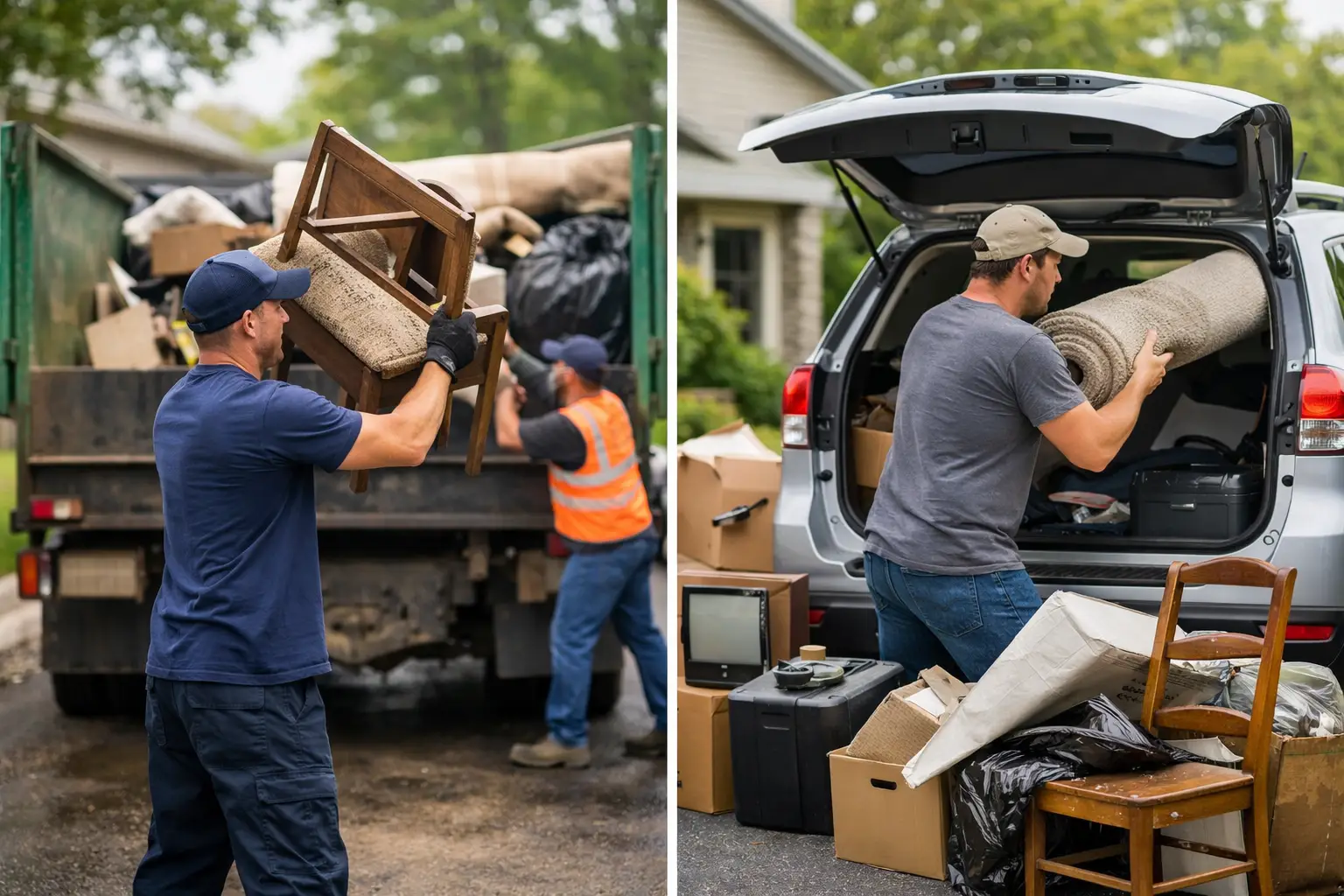
A tenant has handed over the keys, but the unit is far from ready for the next showing. There may be bags in the closet, furniture on the patio, food in the refrigerator, and a garage full of items nobody claimed. Getting the right cleanup help after tenant moveout can turn that frustrating gap between tenants into a faster, cleaner turnover.

For landlords and property managers, the goal is not simply to empty the property. It is to get a clear view of the unit, protect the property, document its condition, and prepare it for repairs, cleaning, and the next renter without losing unnecessary days.

Start With a Walk-Through Before Removing Anything

It is tempting to start dragging items to the curb the minute a tenant leaves. First, walk the entire property and take photos or video of every room, closet, storage area, patio, and garage. Document damage, leftover belongings, trash, and any work that needs attention.

This step protects you if there is a dispute over the security deposit or abandoned property. It also helps you avoid removing something that may need to be held under your lease terms or local requirements. Rules around tenant belongings can vary, so review your lease and the applicable requirements before disposing of items that appear valuable or personal.

As you walk through, separate the job into three categories: items that may need to be stored temporarily, obvious trash and unwanted junk, and materials that require special handling. That simple sorting process prevents a cleanup crew, maintenance team, or contractor from wasting time making decisions room by room.

What Usually Needs Removal After a Moveout

Every turnover looks different. A tenant who left the unit in good shape may only leave a few bags and a broken chair. Another property may require several loads of furniture, boxes, old mattresses, appliances, carpet, yard waste, and renovation debris.

Common moveout debris includes household furniture, clothing, bagged trash, shelving, damaged fixtures, old area rugs, patio items, cardboard, and garage clutter. If repairs are already planned, demolition debris can quickly add to the pile. Broken cabinets, drywall, flooring, tile, and lumber take up more space than most people expect.

The main challenge is that curbside pickup is rarely built for a full tenant cleanout. Bulk pickup schedules may not match your turnover deadline, and some items may not be accepted. Letting debris sit outside can also create complaints, attract illegal dumping, or make an otherwise well-kept property look neglected.

Cleanup Help After Tenant Moveout: Choose the Right Option

The best cleanup plan depends on the amount of material, the property layout, and how quickly the unit needs to be ready. A few manageable bags may be handled by your regular maintenance team. A full apartment, rental home, office, or storage area usually calls for more capacity.

Junk removal works well for ready-to-go piles

Junk removal is a practical choice when unwanted items are already identified and you want them loaded and hauled away without dealing with a trailer, dump runs, or disposal logistics. This is especially useful for furniture, boxes, household clutter, and debris left in multiple rooms.

For a busy property manager, having a crew remove the material can be more cost-effective than pulling maintenance staff away from repairs, inspections, paint touchups, and tenant communication. It also helps keep the property moving when your team has several turnovers at once.

A dumpster rental gives you room for ongoing work

A dumpster rental may make more sense if the cleanout will happen over several days or if contractors are completing repairs after the tenant leaves. You can load debris as work progresses instead of scheduling several separate pickups.

The trade-off is that you need space for the dumpster and a plan for what will be placed inside. If the property is in a tight residential area, has limited parking, or needs to look ready for showings quickly, a one-time haul-away service may be the cleaner option.

Demolition and site support can keep repairs on schedule

Sometimes the moveout cleanup reveals more than abandoned junk. Water-damaged cabinets, ruined flooring, broken bathroom tile, or deteriorated sheds may need to come out before rebuilding can begin. Coordinating demolition, debris hauling, and material delivery through separate providers can slow down a straightforward job.

When the scope is larger, using a provider that can support cleanup, demolition, hauling, and site work helps reduce handoffs. That matters when a vacant unit is costing you rent every day it stays off the market.

Keep Safety and Disposal in the Plan

Not everything left behind belongs in a standard trash pile. Paint, chemicals, batteries, propane tanks, electronics, and certain appliances may require separate disposal methods. If you find mold, suspected asbestos-containing materials, sharps, pest activity, or unknown chemicals, do not treat the job like an ordinary cleanout.

Heavy items create another risk. Old dressers, sleeper sofas, water-damaged mattresses, and appliances can be difficult to move safely through narrow hallways or down stairs. Trying to save a few dollars by moving them without the right help can lead to damaged walls, injured workers, or a dropped appliance on a staircase.

A good cleanup crew should be clear about what it can take, what needs special handling, and how access affects the job. Give accurate details when scheduling, including stairs, elevators, gated entrances, parking limits, and whether debris is inside or already outside. Clear information helps the crew arrive prepared and helps prevent surprises on the day of service.

Make the Turnover Faster With the Right Order of Work

Moveout work goes more smoothly when it follows a practical order. Document the unit first, then address abandoned belongings according to your process. Remove junk and debris before bringing in cleaners, painters, flooring installers, or repair crews.

Cleaning around piles of furniture or construction debris wastes time. So does painting a wall before an oversized sofa is moved through the room. Once the unit is empty, you can inspect floors, baseboards, walls, appliances, outlets, and plumbing with nothing in the way.

After removal, schedule deep cleaning and repairs based on what the empty unit reveals. This is also the right time to check smoke detectors, air filters, locks, window coverings, and exterior areas. Small fixes are easier to spot when the property is cleared out and well lit.

Avoid the Delays That Cost the Most

The biggest turnover delays usually come from underestimating the amount of debris, waiting too long to arrange hauling, or assuming someone else will handle the disposal. A maintenance technician may be able to remove a few items, but a packed garage or furnished apartment can consume an entire workday or more.

Avoid leaving cleanup until the final day before photography or showings. If the outgoing tenant leaves a large amount behind, schedule removal as soon as you confirm the unit is vacant and the property is documented. Fast action gives you more flexibility if repairs uncover additional debris.

For landlords and managers in Dade and Broward counties, responsive local service can make a real difference when a unit needs attention quickly. A&D Junk Removal LLC can help clear unwanted items, provide dumpster capacity for larger projects, and support the debris side of repairs so your team can focus on getting the property rent-ready.

A vacant unit should feel like an opportunity, not another pile of work waiting on the calendar. Clear it carefully, document it well, and bring in the right help early enough to give the next tenant a clean start.


How to Read a Junk Hauling Service Review

A five-star rating looks good until the crew arrives late, adds surprise fees, or leaves a pile of debris at the curb. A useful junk hauling service review tells you what actually happened from booking through cleanup. For homeowners, property managers, and contractors, those details matter more than a star average when time, access, and disposal are on the line.

The best reviews help you answer a simple question: will this company make my cleanup easier, or create another problem to manage? Here is how to read customer feedback with a practical eye and choose a hauling team that fits the job.

What a Good Junk Hauling Service Review Should Tell You

A strong review does more than say, “Great service.” It describes the work, the communication, and the result. Look for reviews from customers with a situation similar to yours. A renter clearing out a few pieces of furniture has different needs than a contractor removing renovation debris or a property manager preparing a unit for a new tenant.

Specific details are usually more helpful than broad praise. A review that mentions a garage cleanout, old appliances, yard waste, demolition debris, or a packed storage unit gives you a better sense of what the crew can handle. It can also show whether the company is used to working around stairs, tight driveways, condo rules, occupied homes, or active job sites.

Pay attention to the full service experience. Did the customer say the crew answered the phone or texted back quickly? Did they receive a clear estimate? Did the team arrive in the scheduled window, load the items, sweep up afterward, and take everything away as promised? Those are the parts of junk removal that save customers time and stress.

Look Beyond the Star Rating

A high rating is a good starting point, but it should not be the only thing you check. Read a mix of the newest reviews and older ones. Consistent comments over time about punctuality, fair pricing, and professional crews are more meaningful than a brief burst of positive feedback.

It also helps to read a few lower-rated reviews without assuming they tell the whole story. Every service business can run into traffic delays, scheduling conflicts, weather issues, or misunderstandings about what can legally be hauled away. The key is whether the complaint points to a repeated problem and how the company responded.

A professional response should be direct, respectful, and focused on fixing the issue. Defensive replies, blame-shifting, or no response at all can be warning signs. On the other hand, a company that acknowledges a problem and works toward a fair solution shows that customer satisfaction is more than a slogan.

Watch for Patterns, Not One-Off Comments

One review saying a crew was late may reflect an unusual day. Several reviews mentioning missed appointment windows, poor communication, or unexpected charges deserve closer attention. The same goes for positive patterns. When customers repeatedly mention fast scheduling, careful loading, clean work areas, and friendly service, that is a useful signal.

Look for language that reflects real outcomes. Comments such as “they cleared the entire garage in under an hour,” “they called before arriving,” or “the final price matched the estimate” are more valuable than vague praise. Detailed reviews are not perfect proof, but they make it easier to understand what you are likely to receive.

Price Reviews Need Context

“Affordable” means different things depending on the job. A curbside pickup of a few items will not cost the same as a full-house cleanout, a construction debris haul, or a job requiring demolition and heavy equipment. When reading price-related reviews, look for whether the customer felt the quote was explained clearly and honored fairly.

Good hauling companies should be upfront about the factors that affect cost. Volume, weight, labor, distance from the truck, stairs, disposal fees, and special materials can all change the price. A review that says a company was “cheap” is less useful than one explaining that the team gave a clear price before loading and did not add surprises at the end.

The lowest quote is not always the best value. An unusually low price can leave out labor, disposal, or cleanup. It may also mean the company is not prepared for the size of the job. A fair price from a reliable crew can save money when it prevents delays, damage, repeat trips, or the need to rent equipment separately.

Before booking, ask for a written estimate or a clear explanation of how pricing works. If your load may change, ask what happens when extra items are added. That short conversation can prevent confusion and makes it easier to compare service providers honestly.

Check Whether the Crew Can Handle Your Type of Cleanup

Reviews can reveal a company’s range. If your project involves more than household clutter, look for feedback from customers with comparable work. Renovation debris, estate cleanouts, office furniture, shed tear-downs, landscaping waste, and construction materials all require different levels of labor, equipment, and disposal planning.

For larger projects, it can be helpful to work with a company that offers more than one service. A dumpster rental may be the better fit when debris will build up over several days. A haul-away crew may make more sense when you want the mess gone in one visit. If a site needs preparation, demolition, material delivery, or Bobcat support, coordinating those jobs through one provider can reduce scheduling headaches.

Reviews should give you confidence that the crew respects the property while working. For residential jobs, customers often mention careful removal around walls, floors, gates, and driveways. For commercial or construction work, look for comments about site cleanup, dependable timing, and a crew that can keep the project moving.

Responsible Disposal Is Worth Asking About

Junk does not simply disappear once it is loaded into a truck. Responsible disposal takes planning, especially for electronics, appliances, mattresses, construction materials, paint, chemicals, and other items with special rules. Reviews may mention recycling, donation, or proper disposal, but it is still smart to ask how a company handles the materials you need removed.

Be honest about what is in the pile. Some items cannot be hauled in a standard load, while others need separate handling or may carry additional disposal costs. Clear information upfront helps the crew arrive prepared and keeps the job on schedule.

This matters in South Florida, where quick cleanouts are common after moves, storms, tenant turnovers, and renovation projects. The right service should make disposal easier without treating it as an afterthought.

Questions to Ask After Reading Reviews

Once reviews narrow your choices, a quick call or message should confirm the details. Ask whether the company can handle your specific items, how soon they can come out, and whether they provide an estimate before work begins. Confirm if labor, loading, hauling, and disposal are included in the quoted price.

For a larger job, ask what equipment or trailer size will be used and whether the crew needs clear access to the work area. If you are managing a rental property or a commercial site, ask about scheduling around tenants, business hours, or contractor activity. A reliable company will answer plainly rather than making you chase information.

At A&D Junk Removal LLC, the goal is simple: provide dependable help for cleanouts, debris removal, dumpster rentals, demolition, and site support without making customers manage multiple crews. The right plan depends on the job, but clear communication should always come first.

Choose the Review That Matches Your Reality

The most convincing review is not necessarily the one with the most excitement. It is the one written by someone whose project looked like yours and who explains that the company showed up, did the work safely, charged fairly, and left the area cleaner than they found it.

When clutter is taking over a garage, debris is slowing down a renovation, or a property needs to be cleared fast, you need more than a good rating. You need a crew with a record of making demanding work feel manageable. Read the details, ask the practical questions, and choose the service that gives you confidence before the truck pulls up.

Schedule a Hassle-Free Cleanout Without the Stress

A garage full of old furniture, a rental left behind by a tenant, or a job site buried in debris can turn into a problem fast. The good news is that you do not have to spend your weekend loading a truck, making dump runs, and figuring out what goes where. When you schedule a hassle free cleanout, the goal is simple: get the unwanted material out, keep the process clear, and get your space back without adding more work to your day.

Why a Hassle-Free Cleanout Starts Before Pickup Day

A cleanout feels stressful when there are too many unknowns. Will everything fit? Can the items be hauled away? How long will the job take? Will there be surprise charges after the work starts? A dependable removal team should answer those questions early, not leave you guessing at the curb.

The easiest cleanouts begin with a clear picture of the job. That does not mean you need to measure every box or create a perfect inventory. It means knowing the general type of material, how much space it takes up, and whether there are access issues such as stairs, a gated community, a narrow driveway, or a unit far from parking.

For homeowners, this may be a garage, shed, attic, backyard, or whole-house cleanout. For property managers, it could be furniture, bags, appliances, and leftover belongings after a move-out. Contractors may need renovation debris, demolition material, or recurring site cleanup. The details differ, but the right plan makes all of these jobs easier to handle.

How to Schedule a Hassle-Free Cleanout

Start by deciding what you want gone and what needs to stay. It sounds obvious, but this step prevents the most common cleanout mistake: having a crew arrive while the area is still mixed with items you plan to keep. Put personal belongings, documents, tools, and valuables in a separate room or clearly marked area before pickup.

Next, take a few photos of the material if possible. Photos help a removal company understand the volume, labor, and equipment the job may require. A few wide shots are usually more helpful than close-ups. Include the path from the material to the driveway or parking area, especially if access is not straightforward.

When requesting service, be ready to share the location, preferred timing, type of items, and any special conditions. If you need same-day service, say so upfront. Fast availability depends on the schedule, crew capacity, and the size of the job, but early communication gives you the best chance of getting the time you need.

Be Clear About the Material

Most everyday cleanout items are simple to describe: couches, mattresses, boxes, yard waste, old cabinets, flooring, drywall, appliances, and construction debris. Some materials need extra attention because disposal rules or handling requirements can vary. Paint, chemicals, batteries, fuel, propane tanks, and other hazardous materials should always be mentioned before booking.

Do not assume that every item can go into the same load. A professional team can tell you what they can haul, what may require separate disposal, and whether another solution makes more sense. Being upfront protects your schedule and helps avoid a delay on pickup day.

Choose a Time That Gives You Room to Work

A cleanout appointment does not have to take over your day. Still, it helps to choose a window when someone can provide access, answer a quick question, and confirm the items being removed. If you are managing a rental, coordinate with the tenant, maintenance staff, or property contact before the crew arrives.

For larger projects, schedule removal before debris becomes a bottleneck. Waiting until a renovation site is packed with material can slow down other trades, take up valuable workspace, and create safety concerns. Regular debris removal or a dumpster rental may be a better fit when waste will build up over several days.

Pick the Service That Fits the Job

Junk removal is often the best choice when you want a crew to do the lifting, loading, and hauling. It works well for furniture, household clutter, garage cleanouts, move-out debris, and smaller renovation piles. You point out what needs to go, and the team handles the hard part.

A dumpster rental can make more sense when you are working at your own pace. If you are clearing a house room by room, managing a renovation, or coordinating multiple people over several days, having a trailer delivered to the property gives you a place to load as you go. Once the work is done, the container is hauled away.

For heavier site work, demolition support, Bobcat services, or material delivery may be part of the solution. There is no reason to force a one-size-fits-all service onto a job that needs equipment or a more complete site plan. A&D Junk Removal LLC helps customers match the service to the workload, whether that means one quick pickup or support for a larger project.

The trade-off is straightforward. Self-loading a dumpster may offer more flexibility, while full-service junk removal saves you labor and time. The best choice depends on your schedule, the amount of debris, and whether you have people available to load safely.

What a Good Booking Process Should Include

Booking should feel direct and practical. After you describe the job, you should know what service is being recommended, what the expected timing looks like, and how pricing will be handled. Pricing may depend on volume, weight, labor, access, and disposal requirements, so a trustworthy provider will explain what affects the cost.

Ask whether the estimate includes loading, hauling, and disposal. If the job has unusual access or materials, ask how that may change the final price. Clear answers are more valuable than a vague low number that grows once the crew is already on site.

A responsive company should also confirm arrival details and give you a simple way to communicate if plans change. Life happens. Closing dates move, contractors run late, and tenants need another day. A flexible schedule is helpful, but notice matters. The sooner you communicate a change, the easier it is to adjust without disrupting the job.

Make Pickup Day Go Faster

Before the crew arrives, clear a path if you can. Move vehicles that block access, unlock gates, secure pets, and make sure someone can identify the material to be removed. You do not need to drag heavy items outside unless you want to. The point of full-service removal is to avoid unnecessary lifting.

If debris is spread across several areas, walk the crew through the property first. A quick walkthrough keeps everyone on the same page and reduces the chance that an item is missed. For commercial properties and job sites, identify any safety rules, loading zones, or areas that are off-limits.

It is also smart to do one final check of drawers, cabinets, and storage bins. Sentimental items, important paperwork, keys, and personal information are easy to overlook when you are focused on clearing space. Once an item is loaded, getting it back may not be possible.

When a Cleanout Needs More Planning

Some projects are more than a basic pickup. Estate cleanouts, eviction cleanouts, hoarding situations, storm debris, and major demolition work can involve larger volumes, difficult access, and a tighter timeline. These jobs are still manageable, but they benefit from an honest conversation before work begins.

If you are preparing a property for sale or turnover, timing matters as much as removal. You may need the cleanout completed before cleaners, painters, inspectors, or new tenants arrive. In Dade and Broward counties, quick scheduling can make a real difference when property timelines are moving fast.

For a large project, break the work into stages if needed. Remove obvious trash and bulky items first, then deal with construction debris, recyclable materials, or items that require special handling. A staged plan keeps the property safer and prevents the cleanup from becoming overwhelming.

A clean space gives you room to move forward, whether you are finishing a renovation, turning over a rental, or simply taking back your garage. Make the call while the job is still manageable, explain what you need, and let a dependable crew handle the heavy work.

Gravel Delivery Service Miami Made Simple

A driveway base that arrives short by two yards can stop a project cold. A load of the wrong stone can create drainage problems, soft walking areas, or a surface that will not compact the way it should. That is why choosing a gravel delivery service Miami customers can rely on is about more than getting a truck to the address. It is about having the right material, the right amount, and a clear place for it to go when it arrives.

For homeowners, property managers, and contractors, gravel is often one part of a larger job. You may be building a driveway, refreshing a side yard, preparing for pavers, filling low spots, or setting up a stable base for a shed. Good planning before delivery keeps the work moving and prevents unnecessary cleanup later.

Start With the Job, Not the Load Size

Gravel is a broad term. Different materials handle weight, water, and foot traffic differently, so the best choice depends on how the finished area will be used.

Crushed stone is commonly used for driveways, parking areas, and base layers because its angular pieces lock together when compacted. It creates a firmer surface than rounded rock, especially when vehicles will drive over it. A material with fines, sometimes called road base or crusher run, can compact tightly and works well beneath pavers or concrete preparation where a solid foundation matters.

Pea gravel has small, smooth, rounded stones. It can look clean and finished in landscaping, walkways, and decorative areas, but it does not compact like crushed stone. It may shift under tires, shoes, or furniture. Drain rock and larger clean stone are often better for areas where moving water away from the surface is the main concern.

Before ordering, think through three questions: Will vehicles use the area? Does water need to drain through it? Is this the finished surface or a base that will be covered later? Those answers narrow down the material quickly and help avoid paying to remove and replace the wrong product.

How Much Gravel Should You Order?

Ordering too little means another delivery, added time, and a project that may sit unfinished. Ordering too much can leave a pile taking up valuable driveway or yard space. Gravel is usually sold by the cubic yard, while coverage is often discussed in square feet, which is where many estimates go wrong.

To estimate the amount needed, measure the length and width of the area in feet, then decide on the finished depth. Multiply length by width to get square footage. A typical base may need several inches of compacted material, while a decorative top layer may need less. Remember that material settles and compacts, especially crushed stone with fines, so the loose delivered volume is not always the final compacted depth.

For example, a 20-foot by 20-foot area covers 400 square feet. At a 3-inch depth, it requires roughly 3.7 cubic yards before allowing for compaction and uneven ground. If the site has low spots, soft soil, or edges that need to be built up, adding a reasonable margin can prevent a shortfall.

When in doubt, provide measurements, intended depth, and the purpose of the area when requesting service. A clear description is more useful than simply asking for “a load of gravel.” The truck load that works for a small walkway is very different from the amount needed for a long driveway base.

Plan Access Before Your Gravel Delivery Service in Miami

Delivery access is one of the biggest details customers overlook. A dump truck needs room to enter, maneuver, and raise its bed safely. That means checking more than the width of the driveway.

Look for low tree branches, power lines, parked cars, gates, roof overhangs, soft grass, steep slopes, and tight turns. If the truck needs to back in, make sure the route is clear. Fresh asphalt, decorative pavers, septic areas, and thin concrete can also be damaged by heavy equipment, so identify a safe unloading location in advance.

The ideal spot is usually close enough to reduce wheelbarrow work but far enough from the street, garage, or gate that the pile will not block access. If the material must be placed in a narrow backyard or behind a structure, a standard dump delivery may not be the best fit. The job may require equipment to move material after it is dropped, or a different delivery plan altogether.

Miami weather adds another practical consideration. Heavy rain can turn a grass access route into a muddy mess and make loose gravel harder to spread. If your site is exposed or already soft, schedule with the weather in mind and avoid having a load dumped where it could sink, wash out, or obstruct drainage.

Prepare the Area Before the Truck Arrives

Gravel does not fix every ground problem by itself. A proper surface begins with basic site preparation. Remove loose debris, vegetation, old material, and unstable soil where needed. Grade the area so water moves away from buildings and does not collect along driveways, walkways, or foundations.

For many base applications, a geotextile fabric between the soil and gravel helps reduce mixing. This can be especially helpful in soft or sandy ground, where stone can slowly work down into the soil over time. Edging also matters for decorative gravel and walkways because it helps keep the material in place instead of spreading into lawns or planting beds.

If the project involves demolition debris, old pavers, broken concrete, or a large amount of dirt, clear that material before the gravel arrives. Trying to work around a debris pile usually creates more labor and a less consistent base. A&D Junk Removal LLC can support projects that need both site cleanup and material delivery, which makes scheduling easier when one phase needs to happen before the next.

Delivery Is Only One Part of the Work

A pile of gravel is useful, but it still needs to be spread, graded, and compacted correctly. For a small landscaping project, a rake, shovel, wheelbarrow, and time may be enough. For a driveway, parking pad, or larger foundation base, equipment can save hours of physical labor and produce a more even result.

A Bobcat can move material quickly across a property, shape the grade, and help distribute stone where a truck cannot safely dump it. A plate compactor or roller may then be needed to create a firm surface. The right approach depends on the material and use. Decorative pea gravel generally should not be compacted into a hard base, while crushed stone beneath a driveway needs thorough compaction for stability.

This is also where cheap deliveries can become expensive. A low quoted delivery price may not include placement beyond one pile, waiting time, difficult access, or extra material handling. Ask what is included, where the driver can unload, and whether additional site work is needed. Straight answers upfront make it easier to compare options fairly.

Timing Your Order Around the Rest of the Project

Schedule gravel after excavation, cleanup, and rough grading are complete, but before the next phase needs the surface. If you are installing pavers, do not order the base material before the old surface is removed. If you are building a fence or shed, make sure post locations, utilities, and drainage plans are already considered.

For contractors and property managers, coordinating deliveries can also keep a site safer. Material piles should not block tenant access, fire lanes, dumpsters, or active work zones. On residential jobs, let household members know when the truck is expected so cars can be moved and gates can be opened.

Same-day or fast scheduling can be valuable when crews are waiting, but it works best when the site is ready. A few minutes spent checking measurements, access, and drop location before booking can prevent a much bigger delay after the truck arrives.

Get a Cleaner Start on Your Next Project

A dependable gravel delivery service should make the material side of your project easier, not give you another problem to solve. Know what the gravel needs to do, measure the area carefully, prepare a safe drop location, and be realistic about whether you need help moving and compacting the load.

Whether you are improving a backyard, building a driveway base, or preparing a commercial site, the right material delivered at the right time gives the rest of the job a solid place to start. Contact a local team that can discuss your site, your schedule, and the work needed before and after delivery, then get your project moving with less stress.

Debris Hauling for Roofers Without Jobsite Delays

A roofing crew can finish a tear-off fast, but the job can still fall behind if old shingles, underlayment, nails, and damaged decking start taking over the property. Reliable debris hauling for roofers keeps the work area clear, protects the homeowner’s driveway and landscaping, and gives your crew room to stay productive.

For roofing contractors, cleanup is not an afterthought. It affects safety, scheduling, customer satisfaction, and the final impression you leave behind. A pile of roofing debris sitting for days can turn a successful install into a frustrating customer experience. The right hauling plan helps prevent that.

Why Roofing Debris Needs a Real Plan

Roofing waste builds up quickly. A standard roof tear-off can produce thousands of pounds of shingles, felt, flashing, wood, nails, and packaging. Even a small residential job can overwhelm a pickup truck or create too much loose material to manage safely by hand.

The biggest issue is timing. Roofers often have a narrow weather window, a crew on site, materials arriving, and another project scheduled next. If debris removal is slow or unplanned, it can create a bottleneck at the exact time the job needs to keep moving.

A clean site also matters to the homeowner. They want their new roof, but they also want their driveway usable, their yard protected, and their property free of sharp debris when the crew leaves. Fast hauling is part of professional jobsite management.

Dumpster Rental or Hauling Service?

The best option depends on the size of the roof, the space available, and how your crew works. Some roofing jobs need a dumpster on site from the first day. Others are better handled with scheduled hauling after the tear-off or at the end of the project.

When a Dumpster Makes Sense

A dumpster rental is often a good fit for larger tear-offs, multi-day projects, or jobs with a steady flow of debris. It gives the crew one central place to load waste throughout the day instead of creating piles around the property.

Placement is the key detail. The container needs to be close enough for efficient loading without blocking access, damaging the driveway, or interfering with material delivery. Before it arrives, check overhead lines, gate clearance, parking restrictions, and the homeowner’s preferred location.

A dumpster can be especially useful when the project includes more than shingles. If you are replacing damaged fascia, decking, gutters, or rotten wood, the volume can climb quickly. Having enough capacity from the start helps avoid a mid-job scramble.

When Scheduled Hauling Is Better

Not every property has room for a dumpster. Tight driveways, busy streets, homeowner association rules, and limited access can make a traditional container difficult. In those situations, a hauling crew can remove roofing debris once it is safely gathered and ready to go.

This approach also works well for smaller repairs, partial reroofs, and quick jobs where a full-size container would be more capacity than you need. The main requirement is clear communication. Set the pickup time around your work schedule so debris does not sit longer than necessary.

For contractors in Dade and Broward counties, fast scheduling can make a real difference during storm season and high-volume roofing periods. A responsive local hauling partner helps you turn over jobsites without tying up your own trucks and labor.

Keep the Crew Focused on Roofing

Your installers are most valuable on the roof, not making repeated dump runs. Sending a crew member to load loose debris, drive across town, wait at a disposal facility, and return can cost hours. It also pulls attention away from the active jobsite.

A dedicated debris plan lets your team focus on tear-off, installation, flashing, cleanup, and final inspection. That means fewer interruptions and a more predictable production schedule. It can also reduce the temptation to overload trucks or trailers, which creates safety risks and may lead to damage or disposal issues.

The real value is not only the disposal itself. It is the labor and time you keep available for the work that earns your business money.

Protect the Property Before Debris Starts Falling

Hauling is easier when the site is prepared correctly. Before the tear-off begins, identify where debris will be collected, where the trailer or container will sit, and which areas need protection. A few minutes of planning can prevent a difficult cleanup later.

Use tarps or ground protection where appropriate, especially near landscaping, pavers, pool decks, and decorative concrete. Keep a clear path from the roofline to the loading area. If the driveway is being used, discuss it with the homeowner before the job starts and take note of existing cracks or damage.

Nails deserve extra attention. Roofing debris is not just bulky. It can create puncture hazards for tires, people, and pets. A thorough magnetic sweep should happen throughout the job, not only after the final load is gone. Check driveways, sidewalks, grass, garden beds, and the street in front of the property.

Know What You Are Loading

Most roofing debris is straightforward, but disposal requirements can vary by material and local facility rules. Asphalt shingles, wood, metal flashing, old gutters, packaging, and general construction debris may be accepted together in many situations. Still, it is smart to confirm what is allowed before loading begins.

Materials that may need separate handling include paint, chemicals, fuels, batteries, propane tanks, certain electronics, and hazardous materials. If a customer has mixed old items into the debris pile, do not assume everything can go in the same load.

Separation can be worthwhile when there is a meaningful amount of recyclable metal, clean wood, or cardboard. On a fast-paced roofing job, though, sorting only makes sense if it does not slow the crew down or create more handling than it saves. The practical answer depends on the job volume and your disposal options.

A Better Workflow for Roofing Cleanup

The smoothest roofing projects treat debris removal as part of the schedule, not the final task. Decide before the crew arrives whether you need a delivered trailer, dumpster, same-day haul-away, or a pickup scheduled for the following morning.

Keep the loading area organized throughout the tear-off. Do not let loose materials spread across the yard or driveway. Flatten boxes, stack light materials safely, and keep sharp metal and exposed nails contained. If a load is reaching capacity sooner than expected, address it early rather than waiting until the site is full.

It also helps to give the hauling provider clear job details: roof size, tear-off layers, material types, access limitations, estimated load volume, and the preferred removal window. Accurate information leads to the right equipment and fewer surprises on pickup day.

What Homeowners Notice Most

Homeowners may not know how many bundles were installed or how much flashing was replaced, but they notice a clean property. They notice whether their driveway is blocked, whether nails are left behind, and whether debris disappears promptly once the work is complete.

That final cleanup is part of your reputation. It can influence reviews, referrals, and whether a homeowner feels comfortable recommending your company to a neighbor. A professional roofing job should look finished from the curb, not like the crew simply drove away after installation.

A&D Junk Removal LLC helps contractors and property owners handle trailers, debris hauling, demolition waste, and jobsite support without making cleanup another problem to solve. The goal is simple: get the debris out, keep the site orderly, and help the next phase of work move forward.

Build Hauling Into Every Estimate

Do not leave debris removal as a vague line item or a last-minute decision. Include it in your job planning and price it accurately. Consider the number of roofing layers, the square footage, access to the property, distance from the roof to the loading area, and any extra material replacement that may be needed.

There are trade-offs. A larger container may cost more upfront but prevent an extra haul. A smaller trailer may be easier to place but require more frequent removal. Same-day service can be worth the added cost when it keeps a crew on schedule or allows a homeowner to use their driveway again sooner.

A clear debris plan keeps roofing jobs safer, cleaner, and easier to manage. When the last bundle is installed, the property should be ready to enjoy, not waiting on a pile of old roof material to disappear.

Junk Hauling or Self Hauling – Which Is Better?

A garage cleanout can look simple until the old furniture, paint cans, broken appliances, and heavy bags are sitting at the curb. Then the real question becomes junk hauling or self hauling: should you handle every load yourself, or have a crew take it off your hands? The best choice depends on the size of the job, what you are getting rid of, how quickly you need it done, and what your time is worth.

For a few boxes and light household items, self hauling may be perfectly reasonable. For a packed garage, a renovation project, a rental turnover, or a commercial cleanup, professional removal can save more than just a few hours. It can save your back, protect your vehicle, and keep disposal from turning into an all-weekend project.

Junk Hauling or Self Hauling: Start With the Real Size of the Job

The biggest mistake people make is estimating a cleanup by the number of items instead of the volume, weight, and labor involved. A single couch may take up most of a pickup bed. Wet drywall, old tile, concrete, lumber, and yard debris can become surprisingly heavy fast. A room that looks half-cleared can still require several dump runs.

Self hauling usually makes sense when you have a suitable truck or trailer, the items are light and accepted at your local disposal facility, and you have enough time to load, unload, and clean up afterward. It can be a good fit for small decluttering jobs, cardboard, a few bags of trash, or items you can donate on your own schedule.

Junk hauling is often the better route when the pile is large, bulky, messy, or difficult to move. Think mattresses, appliances, furniture, construction debris, heavy yard waste, old sheds, or a full property cleanout. A removal crew brings the labor, hauling capacity, and experience to get the space cleared without asking you to make repeated trips.

The Cost Is More Than a Dump Fee

At first glance, self hauling looks like the cheaper option. You load your vehicle, pay a landfill or transfer station fee, and you are done. But that number does not always reflect the full cost.

If you do not own a truck or trailer, you may need to rent one. Add fuel, mileage, disposal fees, protective supplies, and possibly help to lift heavy items. If the load does not fit, you may be paying for a second or third trip. Some facilities also charge differently based on material type, load weight, or whether debris is mixed.

Then there is the cost of your time. A dump run is rarely just a quick drive. You have to sort materials, load the vehicle safely, secure the load, travel to the disposal site, wait in line, unload, return home, and repeat if needed. In Miami-Dade and Broward County, traffic alone can turn a simple errand into a large part of the day.

Professional junk hauling has a more direct price because the labor, truck, loading, transportation, and disposal process are handled for you. It may cost more than one light self-haul trip, but it can cost less than a rental, multiple disposal runs, and a weekend of hard labor. The right comparison is not just service price versus dump fee. It is total cost versus total effort.

Time Matters When the Cleanup Has a Deadline

Some projects do not give you the luxury of waiting. A landlord may need a unit ready for the next tenant. A contractor may need debris cleared before the next phase of work. A homeowner may be preparing for a move, inspection, renovation, or family event.

Self hauling puts every part of the job on your schedule, which can be helpful if you want to sort through items slowly. But it also means the cleanup stays in your driveway, garage, or job site until you can make the time for it. If the dump is closed, the truck is unavailable, or rain hits on your planned day, the project gets delayed.

With a hauling service, the work can move much faster. You point out what needs to go, the crew loads it, and your space is cleared. That speed can make a major difference when clutter is blocking a renovation, creating a safety issue, or making a property look unprepared.

Heavy Items Change the Equation

Not all junk is created equal. A bag of clothes is very different from a refrigerator, a cast-iron tub, a broken sectional, or piles of demolition debris. Heavy and awkward materials create risk before they ever reach the truck.

Improper lifting can lead to strained backs, crushed fingers, falls, and damage to walls, floors, gates, or vehicles. Loading a truck also requires more than strength. Items need to be positioned safely and secured so they do not shift during transport. A loose mattress, branches, or construction material can become a road hazard quickly.

Professional crews handle this type of work regularly. They know how to break down items when needed, carry bulky materials through tight spaces, and load efficiently. For jobs involving demolition debris, large furniture, or items that require more than one person to move, paying for help is often the safer decision.

Disposal Rules Can Make Self Hauling Complicated

Responsible disposal is not always as simple as dropping everything into one bin. Many disposal locations have rules about appliances, electronics, paint, chemicals, tires, batteries, refrigerants, and certain construction materials. Some items may require separate handling or may not be accepted at all.

That does not mean self hauling is impossible. It means you need a plan before loading up. Check what the receiving facility accepts, whether you need proof of residency or a specific vehicle type, and whether materials must be separated. Mixing restricted items into a general load can lead to extra fees or a rejected load.

A hauling company helps remove that uncertainty. The team can sort through common junk removal materials and direct items to the proper disposal channels. That is especially useful after renovations, evictions, estate cleanouts, or commercial projects where the debris is mixed and time is limited.

When a Dumpster Rental May Be the Better Middle Ground

There is also a third option for customers who want to do the labor themselves but do not want to make repeated dump runs: a dumpster or trailer rental. This works well when a project will create debris over several days, such as remodeling a kitchen, replacing flooring, clearing a yard, or cleaning out a property room by room.

You can load at your own pace, keep the debris contained, and have it hauled away when the job is finished. It gives you more control than full-service junk removal while eliminating the transportation and disposal side of self hauling.

The key is choosing the right size and understanding what can go inside. A small cleanout may not need a rental, while a major demolition project may need a larger container, scheduled swap-outs, or additional site support. A good provider can help match the equipment to the amount and type of material you have.

A Simple Way to Decide

Choose self hauling if the job is small, light, easy to load, and you already have the right vehicle and time. It can be a practical way to clear a few items while keeping costs low.

Choose professional junk hauling if the job is large, heavy, urgent, or physically demanding. It is also the smarter choice when you do not know where materials should go, do not want to risk damage to your vehicle, or simply want the clutter gone without giving up your day.

For projects that will create debris over time, consider a dumpster or trailer rental instead. It keeps the work area cleaner and lets you focus on the project rather than planning the next disposal run.

A&D Junk Removal LLC helps homeowners, property managers, contractors, and local businesses clear out unwanted material without the usual stress. Whether you need a crew to do the lifting or a container delivered for a project, the goal is the same: clear the clutter, reclaim your space, and get back to what needs your attention.

Light Demolition for Remodels Done Right

A remodel can look simple on paper: remove old cabinets, pull up flooring, open a wall, and bring in the new finishes. The work gets complicated fast once debris starts piling up, hidden materials appear, and every trip to the dump takes time away from the project. Light demolition for remodels is the controlled tear-out work that clears the way without turning your property into a mess or creating avoidable damage.

For homeowners, landlords, property managers, and contractors, the goal is not just to remove old materials. It is to keep the project moving, protect what stays, and have a clear plan for hauling away the debris. That is where a dependable demolition and junk removal team can make the job far less stressful.

What Light Demolition Usually Includes

Light demolition is targeted removal rather than a full structural teardown. It is common during kitchen updates, bathroom renovations, rental turnovers, retail refreshes, and office cleanouts. The work may involve removing non-load-bearing materials, fixtures, finishes, and built-in items that have reached the end of their useful life.

Typical light demolition jobs include removing cabinets and countertops, tearing out drywall or non-structural partitions, pulling up tile, laminate, carpet, or old flooring, and taking out vanities, tubs, toilets, doors, shelving, and trim. It can also include deck boards, fences, sheds, and other small exterior structures, depending on their condition and how they were built.

The word “light” does not mean careless or effortless. Tile and concrete backer board are heavy. Old cabinets can be awkward to handle. Flooring removal creates dust, nails, staples, and sharp debris. A small bathroom tear-out can generate more waste than many people expect.

Start With a Clear Scope Before Anything Comes Down

The cleanest demolition projects begin with a walkthrough and a clear answer to one question: what is being removed, and what must remain untouched? A vague plan leads to accidental damage, extra labor, and costly replacements.

Mark the materials, fixtures, and walls scheduled for removal. If you are keeping appliances, mirrors, flooring in an adjacent room, or reusable cabinets, make that clear before work begins. Protect nearby surfaces with coverings and create a path for carrying debris out without scraping walls or tracking dust through the property.

It also helps to decide whether materials need to be removed in one phase or in stages. For example, a contractor may need old flooring gone before measurements and leveling can begin, while cabinets may need to stay in place until replacement materials arrive. Scheduling demolition around the remodel sequence avoids leaving the space unusable longer than necessary.

Know When the Job Is Not “Light” Demolition

Some work needs a licensed, properly qualified contractor or additional planning. Do not assume a wall can be removed because it looks thin or because there is no obvious beam nearby. Load-bearing walls, electrical lines, plumbing, gas connections, HVAC systems, and structural components require professional assessment before demolition starts.

Older properties can bring additional concerns. Materials such as asbestos-containing flooring, insulation, pipe wrap, or certain textured coatings may require testing and specialized handling. Lead-based paint can also be a concern in older buildings. If there is any uncertainty, pause the tear-out and identify the material first. Saving a few hours is not worth creating a health risk or a much larger cleanup problem.

Permits may be required for remodeling work, especially where plumbing, electrical, structural changes, or exterior structures are involved. Requirements vary by project and municipality, so confirm what applies before scheduling work.

The Real Challenge Is Debris Management

Demolition is only half the job. Once old materials are removed, they need to be loaded, transported, and disposed of properly. This is where many remodels lose momentum. A pickup bed fills quickly, debris gets stacked in a driveway, and the cleanup becomes a separate project.

A practical debris plan considers volume, weight, access, and timing. Broken tile, drywall, lumber, cabinets, and fixtures do not all take up space or weigh the same. A trailer or dumpster that looks oversized at the start can fill quickly after flooring and bathroom materials are added.

Keep debris contained as you work. Separate items that may be reusable or recyclable when practical, but do not let sorting slow down a time-sensitive tear-out. The priority is a clean, safe work area where contractors can begin the next phase without climbing over piles of debris.

For projects in Miami-Dade and Broward County, prompt hauling can be especially useful when space is limited. Many homes, condos, commercial units, and rental properties do not have room to store renovation waste for days. Fast removal keeps driveways, parking areas, walkways, and job sites more manageable.

Why Controlled Tear-Out Saves Money

Doing demolition carefully can feel slower at the beginning, but it often prevents expenses later. A rushed cabinet removal can damage a wall that was supposed to stay. Pulling flooring without the right approach can scar the subfloor. Breaking through drywall without checking first can expose or damage wiring, pipes, or ductwork.

Controlled tear-out also makes the rebuild cleaner. When materials are removed down to the correct surface, the next trade can get started sooner. Flooring installers have a clearer area to inspect. Painters are not working around abandoned fixtures. Plumbers and electricians can access the spaces they need without unnecessary clutter.

There is also a practical labor benefit. If your crew is spending hours loading debris, making disposal runs, or moving waste around the property, they are not focused on the remodel itself. Bringing in support for demolition debris and hauling can keep skilled workers on the work that requires them.

Choosing the Right Support for Light Demolition for Remodels

The right level of support depends on the project. A single-room update may only need a small tear-out and same-day debris pickup. A larger renovation may benefit from a dumpster rental, scheduled haul-offs, material delivery, or Bobcat support for heavier site cleanup.

Before booking a service, be ready to share the type of materials involved, the approximate size of the area, access details, and your preferred schedule. Photos can help provide a more accurate estimate, especially when there are bulky cabinets, tile, fencing, sheds, or multiple rooms of debris.

Ask how the work area will be handled and what is included in the removal. Reliable service should mean more than showing up with a trailer. It should mean clear communication, respectful work around your property, efficient loading, and a job site that is left cleaner than it was found.

A&D Junk Removal LLC helps customers handle the demanding parts of renovation cleanup with light demolition, dumpster rentals, debris hauling, material delivery, and site support. That flexibility matters when a project changes direction or a contractor needs a space cleared quickly.

A Few Simple Steps Before Demolition Day

Make the work easier by removing personal items, fragile décor, and anything you plan to keep from the area. Clear access routes and reserve parking if needed for a trailer, dumpster, or work vehicle. If you live in a condo, townhouse community, or managed property, check any building rules for work hours, elevator use, debris placement, and contractor access.

Turn off or arrange to disconnect utilities that are tied to items being removed. Water should be addressed before a vanity, toilet, or sink comes out. Electrical connections should be handled safely before fixtures or cabinets are pulled. If the project involves a gas appliance or line, do not treat it as routine removal.

Finally, plan for what happens immediately after the tear-out. Will a plumber, electrician, flooring installer, or painter arrive next? Having debris removed on time gives the next crew a clear starting point and protects your remodel schedule.

A good remodel does not need a dramatic demolition phase. It needs a clean, controlled start, the right support when the debris builds up, and a team that respects your time and property. When the old materials are out of the way, you can focus on the part that matters most: building a space you are ready to use.

Contractor Dump Trailer Rental Guide for Job Sites

A renovation can go from productive to backed up fast when piles of drywall, lumber, tile, and packaging take over the job site. This contractor dump trailer rental guide helps you plan debris removal before waste starts slowing down your crew, blocking access, or creating unnecessary trips to the landfill.

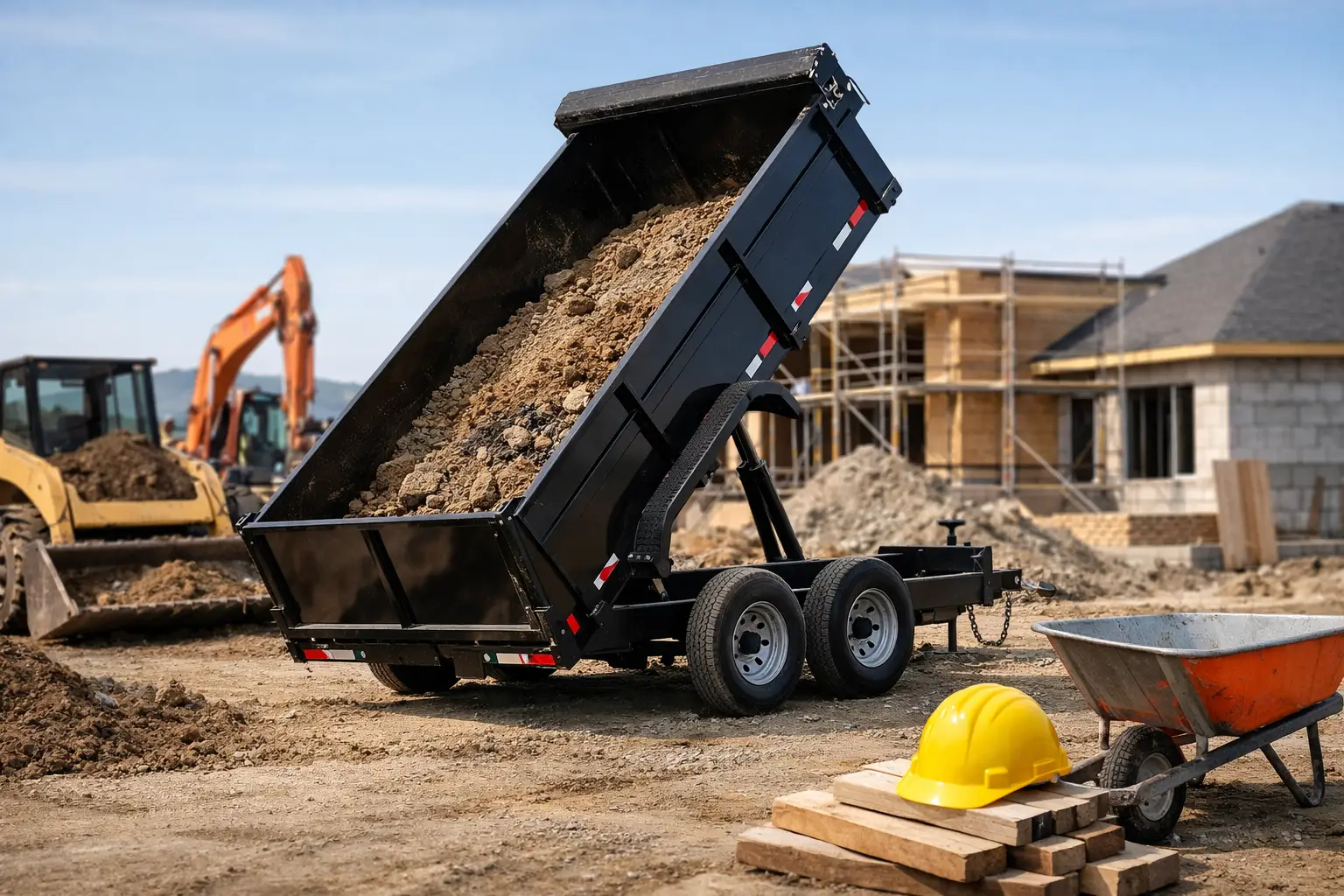
For contractors, remodelers, property managers, and hands-on homeowners, a dump trailer can be a practical middle ground. You get on-site capacity for debris without committing to buying a trailer, maintaining it, towing it, or handling disposal yourself. The right rental keeps the site cleaner and the work moving.

When a Dump Trailer Makes Sense

Dump trailer rentals work best when debris is being created steadily over a short project. Think bathroom and kitchen remodels, flooring removal, roofing tear-offs, interior demolition, yard cleanups, rental turnovers, and small construction jobs. Instead of stacking materials in a corner and dealing with them at the end, your crew has a clear place to load waste as work happens.

A trailer is especially useful when access is tight. Many properties in Miami-Dade and Broward County have narrow driveways, active parking areas, gates, or limited room for a large container. A properly placed dump trailer may fit the site better and can often be removed promptly once the work is finished.

That said, it is not the right answer for every project. A major demolition job with a large volume of heavy concrete, block, or dirt may require multiple hauls, specialized equipment, or a larger disposal plan. The best rental is the one that fits both the type of material and the pace of the job.

Contractor Dump Trailer Rental Guide: Start With Debris

Do not choose a trailer based only on how big the job looks. Start by identifying what will be loaded into it. Volume matters, but weight is often what changes the plan and the final cost.

Light but bulky debris includes cardboard, cabinets, wood framing, carpet, furniture, insulation, and general construction packaging. These materials can fill a trailer quickly without reaching a weight limit. Dense material such as shingles, tile, concrete, dirt, brick, and wet landscape debris is different. A trailer may look only half full and still be too heavy to haul safely or accept at a disposal facility.

Mixed debris is common on remodeling projects, but it should be discussed upfront. If your load includes a large amount of clean concrete, soil, roofing, or other heavy material, ask whether it needs to be loaded separately or limited to a certain amount. Keeping heavy materials out of a mixed load can prevent overage charges and last-minute unloading problems.

Hazardous and restricted materials need their own disposal route. Items such as paint, chemicals, fuel, propane tanks, batteries, asbestos-containing materials, and certain electronics are not standard construction debris. Never assume these can go in a rental trailer. Ask before loading anything questionable.

Choose a Size That Gives Your Crew Room to Work

A trailer that is too small creates extra hauls and interruptions. One that is too large can take up valuable space, create placement issues, or leave you paying for capacity you do not need. The right size depends on the material, the duration of the project, and how often the trailer can be hauled and returned.

For a one-room renovation, a smaller trailer may be enough if debris is loaded neatly and removed on schedule. For a whole-home flooring project, kitchen demolition, or property cleanout, more capacity can keep the job site from becoming a staging area for waste.

Ask the rental provider for the trailer’s usable volume, weight allowance, and interior dimensions. Dimensions matter when you are removing long materials such as lumber, fencing, cabinets, or drywall. Also ask whether the sides are high enough for your expected load and whether the trailer can be swapped or hauled away if the project runs longer than planned.

It is usually smarter to build in a little room rather than plan for a trailer to be filled to the top on day one. Debris expands, packaging piles up, and crews do not always have time to break down every box or cut every piece of lumber to the smallest possible size.

Plan Placement Before Delivery Day

A convenient trailer is one your crew can reach without carrying debris across the property. But convenience also has to be balanced with access, safety, and surface protection.

Walk the site before scheduling delivery. Measure the driveway or available parking area, check for low tree branches and power lines, and consider where trucks, customer vehicles, and subcontractors will park. Make sure gates are wide enough and that the delivery route is clear. If the trailer will sit on a finished driveway, pavers, or softer ground, ask about protective measures before it arrives.

Placement can also affect loading speed. A trailer close to the work area saves labor, but it should not block garage access, emergency paths, sidewalks, or neighboring driveways. On commercial sites, coordinate with the property manager so delivery and pickup do not interfere with customers or other tenants.

For projects with permits, homeowner associations, or city restrictions, confirm the rules before the trailer is delivered. A quick check can prevent a call to move it after the job is already underway.

Load It Safely and Keep the Job Site Clean

Loading is where a well-planned rental can either save time or create a problem. Start with flat, heavy materials on the bottom and distribute weight as evenly as possible. Avoid placing dense material all on one side or piling it toward the back. Uneven loads are harder and less safe to transport.

Break down boxes, stack lumber, and place manageable pieces inside the trailer instead of throwing debris over the sides. Do not load above the top rails. Materials that stick out or rise above the trailer can shift during transport, and overloaded trailers may not be legally or safely hauled away.

Keep a separate area for items that need special handling. That includes appliances, tires, paint, batteries, and anything your crew is unsure about. Sorting as you work is easier than digging through a full trailer on pickup day.

A clean loading area also protects your crew. Sweep nails, sharp tile pieces, screws, and broken glass regularly. Waste management is not just about getting rid of debris. It is part of keeping the work zone safe, organized, and professional for clients.

Understand the Price Before You Book

A low rental price does not always tell you what the final bill will be. Get clear answers about the rental period, included hauling, disposal fees, weight limits, overage rates, extension pricing, and charges for prohibited items. If delivery access is difficult or the trailer needs to be moved during the project, ask how that is handled.

It also helps to explain your project honestly. Tell the provider whether you expect drywall, tile, roofing, concrete, household junk, green waste, or a mixed load. Accurate information lets them recommend the right trailer and helps you avoid paying for a service that does not match the debris.

For contractors, reliable scheduling often matters as much as price. A trailer that arrives late can hold up demolition. A trailer that stays too long can block the next phase of the job. Work with a provider that can communicate clearly about delivery windows, pickup timing, and changes to the schedule.

Use Trailer Rental as Part of a Bigger Job-Site Plan

A dump trailer handles debris, but some projects need more than one service. You may need demolition help before loading begins, Bobcat service for heavy material, material delivery for the rebuild, or a final junk removal visit after the main work is complete.

Using one dependable local team for connected services can reduce phone calls and scheduling gaps. A&D Junk Removal LLC supports contractors and property owners with trailer rentals, debris hauling, demolition, and site support, making it easier to keep cleanup from becoming its own separate project.

Before you schedule, take ten minutes to estimate your debris, identify heavy materials, check the delivery path, and decide where your crew will load from. That small amount of planning can keep the trailer useful from the first demolition day to the final sweep-up, leaving your job site ready for the next crew instead of buried under the last phase of work.

Best Ways to Remove Hot Tubs Without the Hassle

A hot tub can be the best part of a backyard – until it stops working, starts leaking, or takes up space you would rather use for a patio, pool deck, or outdoor seating. The best ways to remove hot tubs depend on their condition, size, access to the yard, and whether you want to handle the labor yourself or have a crew take care of the entire job.

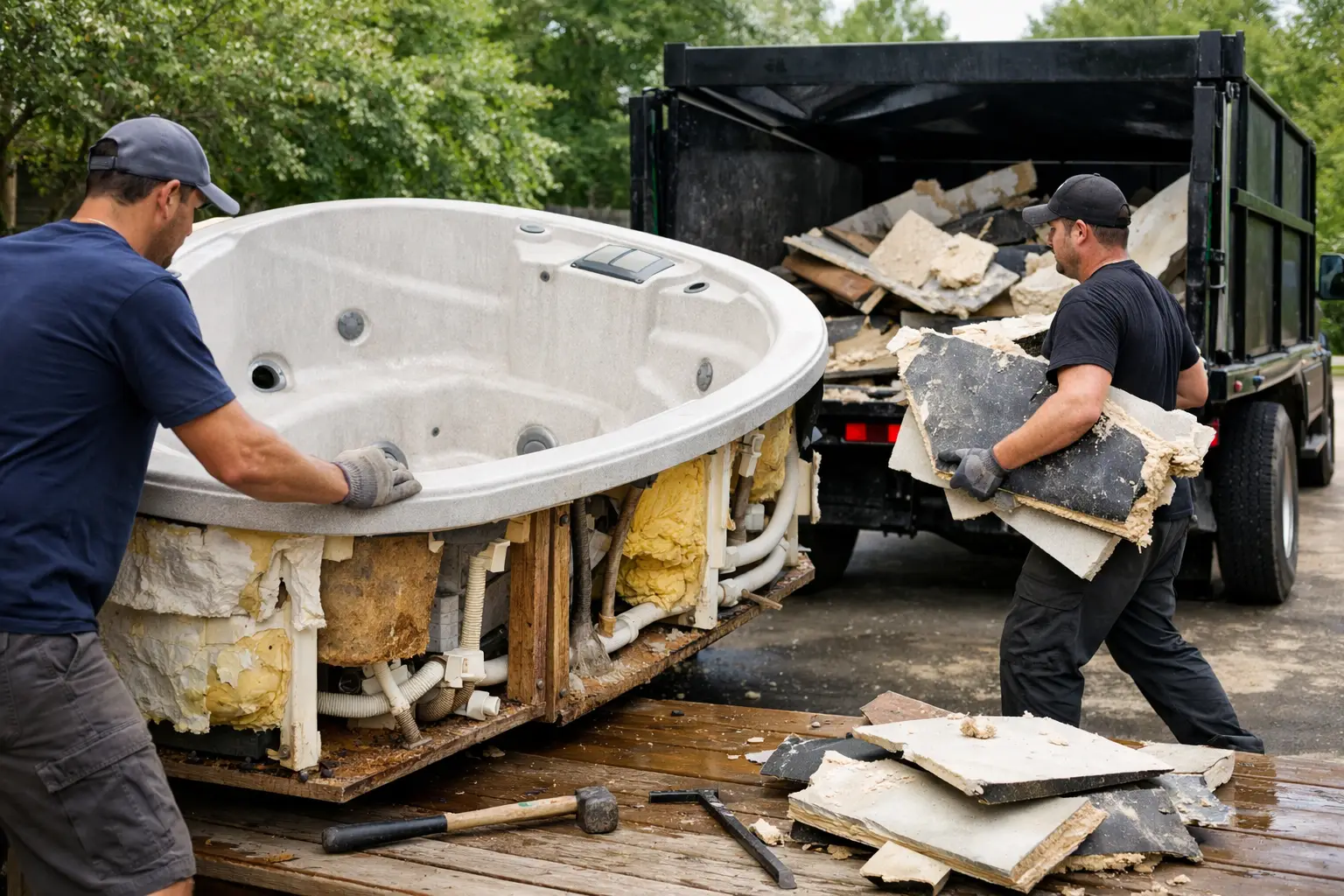
A typical hot tub is not something you can drag to the curb. Even an empty unit can weigh several hundred pounds, while larger models may weigh 800 pounds or more. It also contains electrical wiring, plumbing, insulation, a heavy shell, and a bulky frame. A little planning keeps the removal safe, avoids damage to your property, and makes disposal much easier.

Start With Safety and a Clear Plan

Before deciding how to remove the hot tub, make sure it is completely disconnected and drained. Turn off power at the breaker first. If the tub is hardwired, have a qualified electrician disconnect it properly rather than cutting wires or assuming the power is off.

Drain all water through the tub’s drain valve or with a submersible pump. Direct water away from your home, neighboring properties, and areas where standing water could create a mess. Once it is empty, remove loose accessories such as the cover, steps, filters, and removable panels.

Take a close look at the route from the hot tub to the street or trailer. Measure gates, side yards, walkways, and any tight turns. In many Miami-area homes, fences, landscaping, pavers, and pool equipment can make access more complicated than the hot tub itself. Knowing what is in the way helps you choose between moving the unit whole or breaking it down on site.

Best Ways to Remove Hot Tubs Based on Their Condition

There is no one-size-fits-all solution. A newer, working hot tub deserves a different plan than a cracked, nonworking one that has been sitting unused for years.

Sell or Give Away a Working Hot Tub

If the hot tub still heats, pumps water, and looks presentable, selling it or giving it away may be your lowest-cost option. Some buyers are willing to remove a working unit themselves, especially if it is a recognized brand and includes a cover or steps.

Be realistic about the condition. A buyer will need to pay for transport, electrical reconnection, and setup at the new location. Pricing a used hot tub too high can leave it sitting in your yard for months. Clear photos, accurate dimensions, and an honest description of any issues help attract serious interest.

This option works best when the unit is accessible and can be lifted or moved without dismantling fences or landscaping. If it is built into a deck, placed behind a narrow gate, or no longer reliable, removal is usually the better use of your time.

Donate a Usable Unit When Accepted

Some local charities, reuse organizations, or community groups may accept a hot tub in excellent working condition. Acceptance varies widely because transportation and liability can be a challenge. Call first and confirm whether they accept hot tubs and whether pickup is available.

Donation is a good route only when the unit is clean, functional, and easy to access. A hot tub that needs major repair is generally not a donation candidate. Trying to give away something that is near the end of its life can delay the cleanup you are trying to finish.

Disassemble It Yourself

For homeowners who are comfortable with tools and physical work, taking the hot tub apart can make it easier to remove. The process commonly involves removing side panels, cutting the shell into manageable sections, separating the frame, and disconnecting pumps, pipes, and wiring.

This approach can work when there is limited yard access and the tub cannot fit through a gate in one piece. However, it is labor-intensive and requires the right equipment. Reciprocating saws, pry bars, drills, gloves, eye protection, and heavy-duty disposal containers are often needed. The shell can be tough acrylic or fiberglass, and the frame may contain treated wood or metal that needs separate handling.

Do not rush this part. Hidden wiring, sharp cut edges, and awkward pieces create real safety risks. Cutting a shell also creates dust and debris, so protect nearby windows, vehicles, plants, and pool surfaces. DIY removal may save money in some situations, but it can cost more if you damage pavers, fencing, or a deck while trying to force oversized pieces out.

Rent a Dumpster for a Larger Cleanup

A dumpster rental makes sense when hot tub removal is part of a bigger project. Maybe you are replacing old patio furniture, removing a deck, clearing landscaping, or renovating the backyard at the same time. Having a trailer or dumpster on site gives you room for the hot tub pieces, packaging, lumber, and other construction debris.

Ask about what materials are accepted before loading everything in. Hot tub covers, treated wood, plastic shells, metal components, and electronic parts may need to be handled differently. It is also smart to consider where the dumpster will sit. A driveway is convenient, but protecting the surface with boards can help prevent marks or damage.

For a hot tub removal by itself, a full dumpster may be more capacity than you need. For a full backyard refresh or renovation, it can be the most practical choice.

Hire a Professional Hot Tub Removal Crew

Professional removal is often the best answer for nonworking, oversized, built-in, or hard-to-reach hot tubs. A trained crew can disconnect loose components after power has been safely handled, dismantle the unit when needed, load the debris, and haul it away without leaving you with a pile of broken material.

The main benefit is not just the lifting. It is avoiding the entire disposal process. You do not have to figure out where each component belongs, borrow a truck, make multiple trips, or spend a weekend cutting up a tub that has already become a headache.

When requesting a quote, share a few photos and include the hot tub’s approximate size, location, access points, and whether it is built into a deck. Let the company know about stairs, narrow gates, pool enclosures, or obstacles in the removal path. Good information up front leads to a more accurate price and a smoother appointment.

For homeowners and property managers in Dade and Broward counties, A&D Junk Removal LLC can handle the heavy lifting, haul-away, and cleanup so the space is ready for what comes next.

What Not to Do When Removing a Hot Tub

Avoid placing an entire hot tub at the curb unless your local bulk pickup program specifically allows it and you have confirmed the rules. Most programs will not take a large spa unit whole, and leaving it out can lead to delays, complaints, or code issues.

Do not try to tip or roll a heavy hot tub alone. Its weight is uneven, the shell can crack, and one bad move can damage a fence, screen enclosure, vehicle, or person. Also, never assume that an unplugged control panel means the unit is electrically safe. The wiring may still be connected at a disconnect box or breaker.

Burning a hot tub is not a disposal method. Plastic, foam insulation, treated lumber, and electrical components can release harmful fumes and create a fire hazard. Responsible disposal or professional hauling is the safer route.

Make Room for the Backyard You Want

Removing an old hot tub is often the first step toward making your outdoor space easier to enjoy. Once it is gone, you may have room for new pavers, a grilling area, a storage shed, landscaping, or simply a cleaner, more open yard. Choose the removal option that matches the unit’s condition and your access, but do not let a difficult lift turn into a bigger project than it needs to be.

Demolition Versus Deconstruction Costs Explained

A bathroom remodel can leave a homeowner with one immediate question: do we tear it out fast, or carefully take it apart? Demolition versus deconstruction costs can look very different on an estimate, but the lowest upfront price is not always the lowest total project cost. The right choice depends on your timeline, the materials in the space, disposal needs, and whether anything has real value after it comes out.

For most Miami-Dade and Broward County projects, demolition is the faster, more predictable option. Deconstruction can make sense when materials are worth saving, a property has reusable architectural features, or a project has sustainability goals that justify extra labor. Knowing what drives each price helps you make a clear decision before debris starts piling up.

What Is the Difference Between Demolition and Deconstruction?

Demolition means removing a structure, room, fixture, or material quickly using the most efficient method for the job. Depending on the scope, that may involve hand tools, saws, skid steer or Bobcat work, dumpsters, and hauling. The goal is to clear the area safely and get it ready for the next phase of construction.

Deconstruction is more selective. Materials are removed in an order that preserves them for reuse, resale, recycling, or donation. Instead of breaking cabinets apart, a crew may unfasten them. Instead of sending old hardwood flooring to a landfill, they may pull it up board by board.

That difference in handling is the biggest reason prices vary. Demolition prioritizes speed. Deconstruction prioritizes recovery.

Demolition Versus Deconstruction Costs: The Main Drivers

There is no reliable one-price answer because every property, material, and access point is different. A small shed behind a house with clear access is not priced like a second-floor commercial interior with elevators, tight parking, and concrete block walls.

Labor and time on site

Labor is usually the largest cost difference. A demolition crew can remove materials in larger sections and load debris quickly. A deconstruction crew must work carefully, separate materials, remove fasteners, stack items without damaging them, and often prepare them for transport.

A job that takes one day to demolish may take several days to deconstruct. If you are paying for labor by the hour or by the crew day, that added time matters.

This does not mean deconstruction is automatically overpriced. It means the estimate should reflect the actual work involved. If a contractor gives a very low deconstruction price without discussing sorting, storage, hauling, and material condition, ask what is included.

Disposal, hauling, and dumpster needs

Demolition creates mixed debris. Drywall, lumber, tile, insulation, carpet, fixtures, and broken materials often go into the same dumpster or trailer load. Disposal fees depend on the volume, weight, material type, and local facility rules.

Deconstruction can reduce the amount of waste sent for disposal, but it can also add hauling steps. Salvaged cabinets may need one trip, recyclable metal another, and remaining debris a third. Those logistics can offset some landfill savings, especially when materials are not close to a recycling or donation destination.

For a straightforward renovation cleanup, a dumpster rental or debris-hauling service can keep costs controlled because the crew has a clear place to load waste as work moves forward. The key is choosing the right container size and avoiding overages from heavy materials such as concrete, tile, dirt, or roofing.

The material being removed

Some materials are easy to salvage. Solid wood doors, quality cabinets, historic trim, hardwood flooring, brick, pavers, metal fixtures, and certain appliances may have resale or reuse value. Other materials are usually not worth the careful labor required to save them.

Water damage, mold, termite damage, heavy paint buildup, broken tile, glued-down flooring, and low-grade particleboard cabinets can turn a potential salvage job into expensive handling with little return. Age alone does not make a material valuable. Condition and local demand matter more.

Site access and project complexity

Easy access lowers costs in either approach. A ground-level room near a driveway is far simpler than a unit with stairs, a narrow hallway, limited loading space, or strict building rules. In South Florida, condos and managed properties may also have elevator reservations, work-hour limits, insurance requirements, and designated debris routes.

Structural work, electrical components, plumbing lines, and possible hazardous materials also change the scope. Older properties may require testing or special handling for materials that cannot simply be loaded into a dumpster. A clear walkthrough before work begins prevents surprises later.

When Demolition Usually Makes Better Financial Sense

Demolition is often the practical choice when the priority is getting a space cleared on schedule. It works well for damaged interiors, rental turnovers, storm-damaged materials, outdated kitchens with low-value cabinets, flooring removal, sheds, fences, and renovation debris that has no realistic reuse market.

It can also be the smarter choice when construction is waiting. Every extra day spent carefully removing materials may delay framers, plumbers, installers, painters, or tenants. The cost of a slower process is not just the removal invoice. It can affect the whole project schedule.

A fast, professional demolition plan should still include responsible disposal. Efficient removal does not mean careless removal. Materials can be separated when practical, metal can be recovered, and debris can be hauled away without leaving the property messy or unsafe.

When Deconstruction Can Be Worth the Extra Cost

Deconstruction earns its place when the recovered materials have a clear purpose before the job starts. Maybe a homeowner wants to reuse original doors in another part of the house. Maybe a contractor has a buyer for reclaimed lumber. Maybe a commercial property has high-quality fixtures that can be reused in a second location.

It can also be a good fit for selective work. You do not have to deconstruct an entire building to benefit from it. Saving a set of custom cabinets, architectural beams, brick pavers, or an expensive entry door while demolishing the rest is often the best middle ground.

Before choosing this route, ask a simple question: who will take the materials, and when? Donation and resale plans can fall apart if items are not accepted, cannot be stored, or require more cleaning and repair than expected. A material has value only if someone will actually use it.

A Hybrid Plan Often Delivers the Best Value

Many projects do not need an all-or-nothing decision. A hybrid approach can control costs while keeping useful materials out of the waste stream.

For example, a crew may remove appliances, metal, solid wood doors, reusable cabinets, and good-condition pavers separately. Then the remaining drywall, damaged flooring, old insulation, and broken fixtures can be demolished and loaded for disposal. This keeps the careful labor focused on items that are actually worth saving.

The best time to identify salvage items is before demolition begins. Once materials are broken, mixed with debris, or exposed to rain, their value drops quickly. Walk the space with your removal or demolition provider and point out anything you want protected.

How to Compare Estimates Without Getting Surprised

Do not compare only the total number at the bottom of an estimate. Ask whether the price includes labor, loading, hauling, disposal fees, dumpster rental, equipment, permits if needed, cleanup, and final sweeping. If the project involves concrete, soil, roofing, appliances, or especially heavy debris, confirm whether there are weight limits or separate charges.

For deconstruction, ask how materials will be handled and whether the estimate assumes resale, donation, recycling, or customer storage. For demolition, ask how the crew will protect areas that are staying, such as floors, landscaping, nearby walls, and utility lines.

A dependable provider should be able to explain the plan in plain language. You should know what is being removed, where it is going, how long the work should take, and what could change the price. That clarity is more useful than a vague low quote that grows once the job is underway.

Choose the Option That Keeps Your Project Moving

If your goal is a clean, empty space as quickly as possible, demolition and professional debris hauling will usually give you the best value. If you have materials with proven reuse value and enough time for careful removal, deconstruction may justify the added labor.

For many property owners, the practical answer is selective salvage followed by efficient demolition. A&D Junk Removal LLC can help make that process easier by handling removal, dumpster needs, hauling, and site support around the scope of your project. Start with a clear plan, save what truly matters, and let the rest get cleared safely so the next phase can begin.