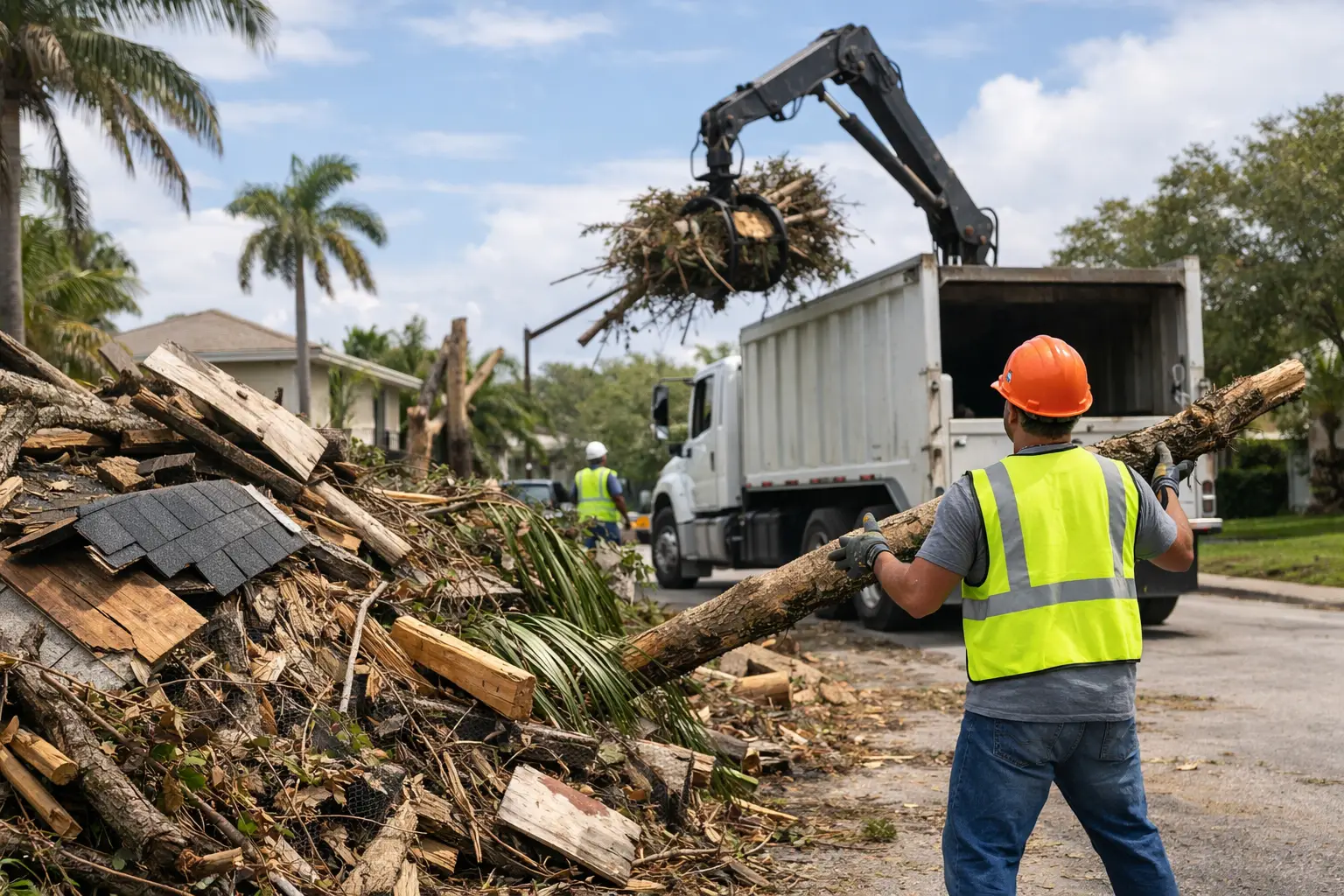
The morning after a bad storm usually starts the same way – branches in the driveway, soaked furniture at the curb, fence panels down, and a yard that looks nothing like it did the day before. When you need storm debris removal Broward property owners can rely on, speed matters, but so does judgment. Not everything should be picked up right away, and not every cleanup job is as simple as loading a trailer.
Storm cleanup can get overwhelming fast because the debris is rarely just one thing. A single property may have tree limbs, ruined drywall, broken sheds, roofing material, fencing, soggy boxes, and scattered household junk all mixed together. That is where a practical plan helps. The goal is not just to clear space. It is to make the property safer, easier to access, and ready for whatever comes next.
Storm debris removal in Broward starts with safety
Right after a storm, the biggest mistake people make is rushing into cleanup before checking for hazards. Downed power lines, unstable trees, loose roof sections, shattered glass, exposed nails, and water-damaged materials can all turn a cleanup into an injury risk. If anything looks tied to electrical service or structural damage, it should be handled by the right utility or repair professional first.
Once the property is safe to enter, think in zones instead of trying to tackle everything at once. Start with access points like driveways, walkways, gates, and entrances. Clearing these areas first makes the rest of the job easier because people, equipment, and vehicles can move around safely. It also helps if insurance adjusters, contractors, tenants, or emergency crews need access to the property.
After that, focus on debris that can cause additional damage if it sits. Wet drywall, soaked carpet, broken fencing leaning against structures, and piles of organic debris trapping moisture can make a bad situation worse. In South Florida heat, delay has a cost. Storm waste starts smelling, swelling, leaking, and attracting pests faster than most people expect.
What should be removed first
Not all storm debris needs the same timeline. Tree branches across a lawn may look dramatic, but a blocked driveway or broken materials near the house are usually more urgent. A practical cleanup order helps you avoid wasted time and repeat handling.
Start with anything creating immediate access or safety issues. That includes fallen limbs across vehicles, debris blocking doors, broken fence sections creating exposure, and loose items that could shift in the wind. Next comes water-damaged material that is too heavy, dirty, or contaminated to leave in place. Then you can move to bulk cleanup, like yard waste piles, damaged furniture, shed contents, or renovation debris exposed by the storm.
There is also an insurance side to this. If the debris is connected to a claim, photos should come before hauling whenever possible. Take clear pictures of damaged structures, affected rooms, fallen materials, and the volume of debris before anything is moved too far. Cleanup is important, but documentation matters too.
The problem with curbside storm pickup
A lot of people assume curbside pickup will solve everything after a storm. Sometimes it helps. Sometimes it becomes part of the problem.
Municipal collection often has limits on timing, material type, volume, and how debris must be separated. Tree waste may need to be kept apart from construction debris. Appliances, treated wood, fencing, roofing material, and household junk may not be accepted the same way as vegetative waste. If the pile is mixed, too large, or placed incorrectly, it can sit much longer than expected.
That delay can be a real issue for homeowners, landlords, and business owners trying to get back to normal. A debris pile left on-site or at the curb for days can block parking, hurt curb appeal, create trip hazards, and make a property look abandoned. For rental properties or commercial spaces, that can quickly become a tenant and customer problem, not just a cleanup problem.
When a full-service crew makes more sense
Storm cleanup sounds manageable until the weight and volume become clear. Wet branches are heavier than they look. Waterlogged furniture is awkward to move. Broken drywall and fencing create sharp edges and messy loads. If you do not have a truck, trailer, labor, or time, the job drags out.
That is where a full-service approach saves people headaches. Instead of figuring out how to cut, stack, haul, load, and dispose of several types of debris on your own, you can have one crew handle the heavy lifting and hauling. For larger jobs, having access to additional equipment also matters. Some storm cleanup needs more than manpower. It needs the ability to move piles efficiently and leave the site actually usable.
For contractors and property managers, this matters even more. Storm debris can stall repairs, delay tenant turnover, and clog up staging areas. A cleanup company that can handle junk removal, hauling, labor, and site support under one roof usually saves more time than trying to coordinate multiple vendors.
Storm debris removal Broward property owners often overlook
Some of the hardest debris to deal with is not the obvious stuff in the yard. It is the material storm damage exposes inside garages, sheds, side yards, and renovation areas. Once water gets in, old boxes, damaged shelving, scrap wood, busted fixtures, and leftover project materials all become part of the cleanup.
This is why storm debris removal Broward customers need is often part emergency response, part property reset. The storm may be the reason for the mess, but the actual removal job can include years of stored junk mixed in with fresh damage. It depends on the property. A single-family home, small retail space, managed rental, or active job site will all have different cleanup priorities.
That is also why one-size-fits-all pricing or vague scheduling can be frustrating. Some jobs are mostly vegetative waste. Some are mostly demolition debris. Some need careful hand loading around structures, while others need faster bulk removal. A dependable local company should be able to assess the job, explain what makes sense, and get moving without turning the process into another project for the customer.
How to make cleanup easier on yourself
If you are handling any part of the cleanup before help arrives, keep it simple. Separate hazardous or sharp materials from general debris if you can do it safely. Keep piles away from vehicles, mailboxes, fire hydrants, and utility equipment. Bag smaller loose trash so it does not scatter again. And do not overpack containers with soaked material that will be too heavy to move.
It also helps to think about the next step, not just the mess in front of you. If roofers, fence installers, restoration crews, or landscapers are coming, clear the space they will need first. That way cleanup supports repairs instead of getting in their way.
For larger properties, communication matters. Tenants, staff, or family members should know what is being removed and what is staying for inspection or repair. Good cleanup is not just hauling. It is keeping the property organized enough that the recovery process can keep moving.
What to expect from a dependable debris removal service
After a storm, people are not looking for complicated. They want someone to show up, work safely, clear the mess, and make the property feel manageable again. That means responsive scheduling, clear communication, fair pricing, and a crew that understands the difference between ordinary junk and storm-related debris.
It also means respecting the property. A solid cleanup job should not leave behind scattered nails, torn-up grass from careless loading, or random debris shoved into corners. The point is to reduce stress, not add cleanup after the cleanup.
For many customers, convenience is the deciding factor. If one company can remove damaged items, haul away debris, provide a dumpster option when needed, and support heavier site work, that is easier than juggling separate calls. That is one reason local service companies like A&D Junk Removal LLC are a practical fit for storm recovery work. People want fast answers and real help, not a runaround.
Storms are part of life in South Florida, but the cleanup does not have to take over your week. Start with safety, protect access, document damage, and get the debris moving before it creates bigger problems. The faster you clear the mess the right way, the sooner your property starts feeling like yours again.