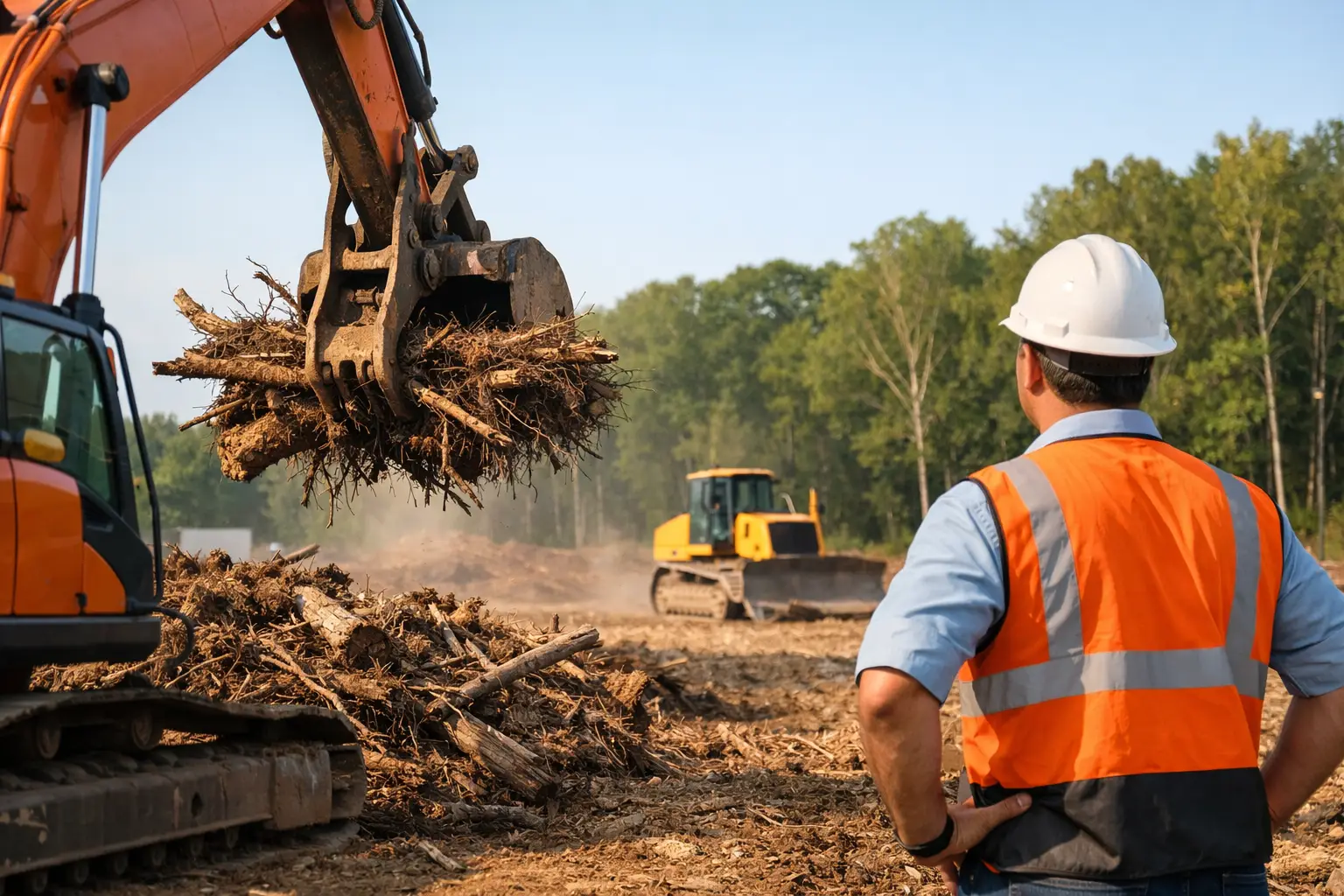
An overgrown lot can hold up a sale, delay a build, attract illegal dumping, or make a property look neglected. If you are figuring out how to get a lot cleared, the fastest route is not simply sending in heavy equipment. A clean result starts with knowing what is on the property, what must stay, where the debris will go, and whether permits or utility checks are needed first.
For homeowners, investors, property managers, and contractors, lot clearing is about making the next step easier. That may mean preparing for construction, opening up a yard, removing storm debris, or getting a vacant property ready to show. The right plan keeps the work moving without creating a bigger cleanup problem later.
Start With a Clear Goal for the Property
Lot clearing can mean very different things depending on the job. One property may only need brush, loose debris, and a few unwanted items removed. Another may have fallen trees, old fencing, concrete, sheds, tires, construction material, or illegal dumping that requires sorting and hauling.
Before requesting a quote, decide what you want the finished lot to look like. Do you need the area cleared down to bare ground? Are mature trees, palms, fences, utility poles, or landscaping staying? Will the site need rough grading afterward, or does it simply need to be clean and accessible?
Photos and a quick walkthrough help answer these questions. They also help a removal crew bring the right trailer, tools, Bobcat, or demolition equipment instead of losing time with an undersized setup. If access is tight, point out gates, alleys, soft ground, overhead branches, and nearby parked vehicles. The more clearly the job is defined, the more accurate the pricing and schedule can be.
Check Ownership, Rules, and Utilities First
Do not assume a vacant or neglected parcel is ready for work. Confirm property boundaries and make sure you have authority to authorize clearing. This is especially important for rental properties, inherited land, commercial sites, and lots managed by an association or multiple owners.
Local requirements can vary based on the work involved. Removing loose junk and storm debris is different from demolishing a structure, removing protected trees, changing drainage, or excavating soil. In Miami-Dade and Broward County, permit needs may depend on the municipality, the size of the work, and what is being removed. A professional crew can help explain the scope of its work, but the property owner should make sure any required approvals are handled before the project starts.
Utility safety is non-negotiable. Underground electric, gas, water, sewer, irrigation, and communication lines may not be obvious from the surface. Contact the proper utility locating service before digging, grading, driving stakes, or using equipment near suspected lines. Overhead lines matter too, particularly when removing tall brush or trees with equipment.
Sort the Work Into Removal, Demolition, and Site Prep
A lot gets cleared efficiently when the work is separated into practical stages. First comes the removal of trash, bulky junk, loose construction debris, and items that can be loaded directly. Next may be light demolition, such as broken sheds, old decks, fencing, or small structures that need to be dismantled before hauling.
Vegetation is its own category. Brush, branches, invasive growth, and small trees can usually be cut, gathered, loaded, and hauled away. Large tree removal, stump grinding, or work near power lines may require a specialized tree service. It is better to identify that need early than to have a crew arrive and discover the project is beyond the planned scope.
Finally, there is site prep. A Bobcat can be useful for moving piles, loading heavy debris, spreading material, clearing surface growth, and creating better access. However, equipment is not always the right answer. Wet soil, poor drainage, septic systems, narrow access, and nearby structures can limit where machinery can go. Sometimes a smaller, careful approach protects the property better and costs less in repairs.
Choose the Right Disposal Plan
One reason lot clearing becomes stressful is that debris does not all go to the same place. Yard waste, household junk, scrap metal, concrete, dirt, treated lumber, appliances, and hazardous materials may have different disposal requirements. Mixing everything into one pile can slow loading, increase disposal costs, and create problems at the transfer station or landfill.
A reliable removal company will identify what it can haul and what requires special handling. For example, paint, chemicals, fuel, batteries, certain electronics, and other hazardous materials generally cannot be treated like ordinary junk. If you find unknown containers or materials that look unsafe, leave them alone until they can be evaluated properly.
For a large project, a dumpster rental may make sense when you need several days to clean out a site, renovate a building, or fill the container as work progresses. For a one-time cleanup, full-service junk removal is often easier because the crew loads the debris and takes it away. The best choice depends on how quickly debris will be generated, how much space the property has, and whether you have people available to do the loading.
Build a Realistic Schedule
The fastest lot-clearing jobs are usually the ones planned before the crew arrives. Start by setting a target date for the next phase, such as a property inspection, concrete work, landscaping, construction delivery, or listing photos. Then work backward to allow time for approvals, utility locates, weather delays, and disposal logistics.
South Florida weather deserves special consideration. Heavy rain can soften a lot quickly, making it unsafe for equipment and increasing the chance of ruts or drainage issues. Storm season can also create high demand for debris hauling. If the job has a deadline, booking early gives you more flexibility.
Ask for a clear scope of work that explains what will be removed, what will remain, how debris will be hauled, and whether sweeping or rough cleanup is included. A low quote that only covers a small portion of the pile is not a bargain. Good communication upfront prevents surprise charges and makes it easier to compare service options fairly.
Prepare the Lot Before the Crew Arrives
A little preparation can save time on the day of service. Remove personal items, documents, valuables, or equipment that could be mixed into the debris. Mark anything that must stay, including trees, plants, fences, irrigation heads, building materials, or salvageable items. Bright tape, cones, or a quick conversation during the walkthrough can prevent costly mistakes.
Make room for loading and hauling. Move vehicles out of the driveway or access path, unlock gates, and let neighbors know if a trailer or equipment may temporarily affect a shared entrance. If the lot is behind a home or business, confirm the crew has enough room to turn around and work safely.
If you are keeping materials such as pavers, lumber, doors, or metal, separate them from the trash before work begins. Crews can work faster when they do not have to guess what is meant to stay. Clear instructions also make reuse and responsible disposal more realistic.
Know When to Hire a Full-Service Crew
You may be able to handle a few bags of yard waste or a small pile of branches yourself. A full-service crew is usually the better choice when the lot has heavy debris, bulky items, demolition material, overgrowth, repeated dumping, or a tight deadline. It also makes sense when you do not have a truck, trailer, disposal access, or time to make multiple landfill runs.
Look for a company that asks questions about access, debris type, volume, and your end goal. That is a sign it is planning the job rather than guessing. The team should be able to explain whether junk removal, dumpster rental, light demolition, material delivery, or Bobcat support is the best fit for the property.
A&D Junk Removal LLC helps customers clear cluttered lots and prepare sites without making them manage the hauling details themselves. Whether the job is a small residential cleanup or a larger project with mixed debris, the goal is simple: show up ready, work safely, haul it away, and leave the property ready for what comes next.
A cleared lot is more than an empty space. It is a clean starting point for a sale, a renovation, a build, or a property you can finally use again. Plan the scope, protect what matters, handle safety checks early, and choose a crew that treats your timeline like it matters.