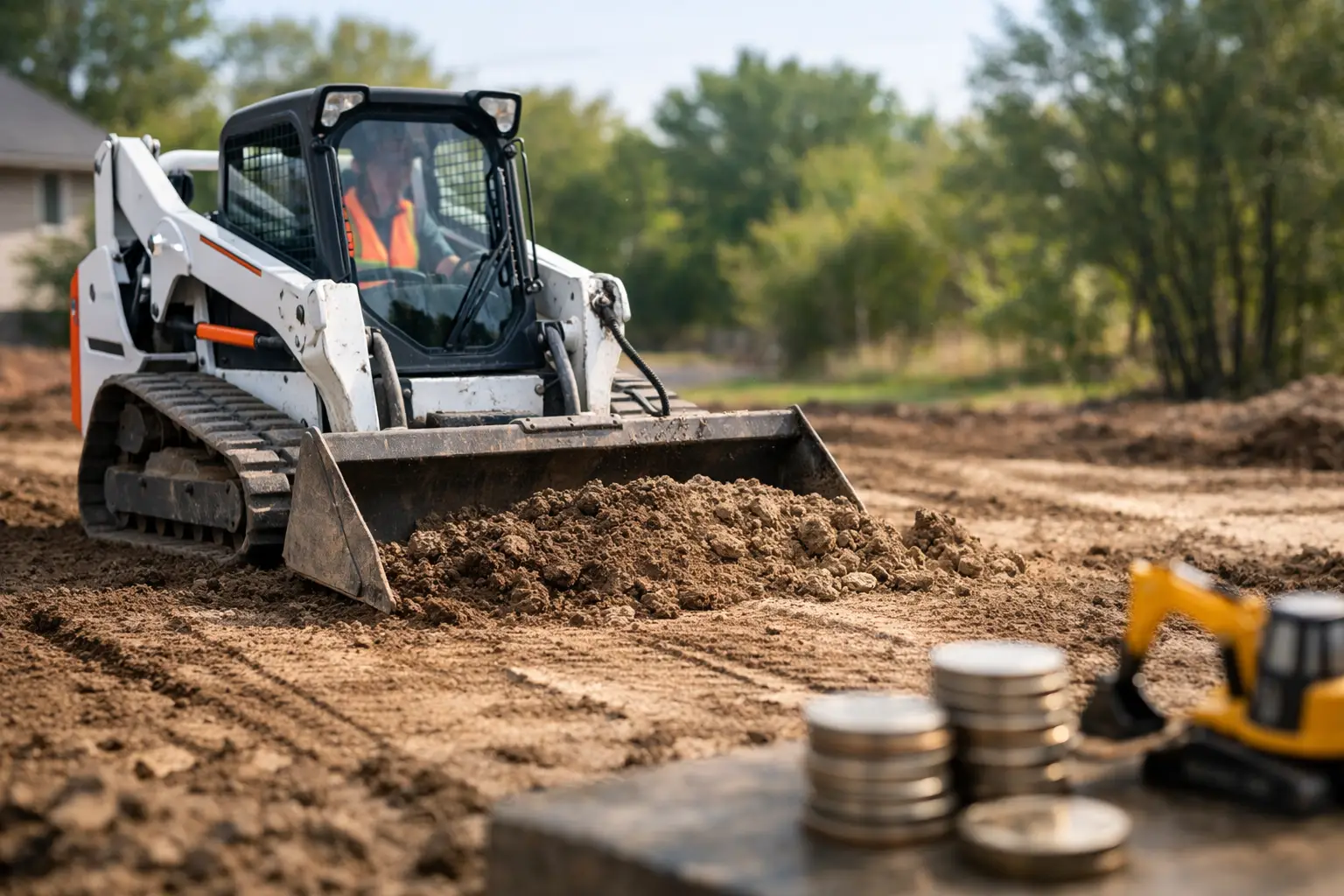
If you are pricing out site work, bobcat grading cost can look simple at first and then change fast once the machine actually gets on your property. A flat yard touch-up is one thing. A rough, uneven lot with debris, bad access, and drainage issues is something else entirely. The difference usually comes down to time, machine size, haul-off needs, and how finished you want the grade to be.
For most property owners, the real question is not just, “What does grading cost?” It is, “What kind of grading am I paying for?” A bobcat can handle a lot – spreading fill, cutting high spots, smoothing ruts, backfilling low areas, and prepping space for sod, concrete, pavers, or a driveway. But the price moves based on the scope, not just the equipment.
What affects bobcat grading cost?
The biggest factor is the amount of material that needs to be moved. If the job is mostly surface smoothing, the machine can work quickly. If the operator has to cut down raised areas, build up low sections, and reshape the whole site, labor hours go up and so does cost.
Access matters more than many customers expect. A property with a wide gate, clear work area, and room to maneuver is usually faster and cheaper to grade than one with fencing, tight side yards, parked vehicles, roots, or utility obstacles. Even a small job can turn into a slow one if the operator has to make careful passes in a cramped area.
Soil conditions also change pricing. Loose dirt and dry fill are easier to move than compacted ground, rocky soil, or wet, muddy conditions. In South Florida, weather and drainage can affect how efficiently grading gets done, especially after heavy rain. If a site is saturated, the machine may leave ruts or require extra cleanup and reshaping.
Then there is the finish level. Rough grading is usually less expensive because the goal is basic shaping and leveling. Finish grading costs more because it takes more precision. If you want a yard ready for new sod or a surface prepped for a clean final install, expect more time on the machine and more attention to detail.
Average bobcat grading cost by job type
A small residential grading job may be priced by the hour, while larger jobs are often quoted as a project rate. In many markets, bobcat grading can range from a few hundred dollars for light regrading to several thousand for larger or more complex site prep.
For example, a quick releveling job in one section of a yard may take only a couple of hours if there is no major material movement involved. On the other hand, grading around a new addition, reshaping a driveway approach, or preparing a lot for a larger project can take a full day or more. Once fill dirt, debris removal, or hauling enters the picture, the total rises.
That is why very low quotes can be misleading. A number that sounds great upfront may only cover machine time and leave out material delivery, disposal, final smoothing, or travel. A realistic estimate should reflect the full scope of the work, not just the loader showing up.
Hourly vs flat-rate pricing
Some contractors charge hourly for bobcat work, especially when the exact scope is uncertain. This approach can make sense for smaller jobs, cleanup grading, or situations where hidden issues may show up once work begins. The upside is flexibility. The downside is that customers may not know the final total until the job is done.
Flat-rate pricing is often easier for homeowners and property managers because it gives a clearer number upfront. It works best when the site can be inspected and the work is well defined. If the project includes grading plus debris removal, trailer hauling, demolition cleanup, or material delivery, bundling everything into one quote can save money and reduce scheduling headaches.
Neither model is automatically better. It depends on how predictable the site is and how complete the scope is before work starts.
What is usually included in grading cost?
A basic bobcat grading quote often includes equipment, operator labor, and standard site leveling based on the agreed scope. That may cover smoothing ground, moving soil within the property, and creating the desired slope or grade.
What is not always included is just as important. Imported fill dirt, gravel, or other material is usually separate. Hauling away excess dirt, concrete, roots, or construction debris may also be billed separately. If the area needs demolition, hand cleanup, stump removal, or compaction, those services may add to the total.
This is where working with a company that handles more than one part of the job can help. If grading leads to debris piles, broken concrete, or leftover material, having one provider manage the machine work and hauling keeps the project moving without the usual back-and-forth.
Site conditions that raise the price
The fastest way for grading costs to climb is when the site is not actually ready for grading. If there is junk, brush, old fencing, loose concrete, or renovation debris in the way, the operator cannot work efficiently. The machine either has to work around the mess or the cleanup has to happen first.
Drainage issues can also increase labor time. If water is sitting in low spots or runoff needs to be redirected, grading becomes more than just flattening the surface. The operator may need to create slope away from structures, shape swales, or build up sections carefully so the fix does not create a new problem somewhere else.
Tree roots, buried debris, and unstable fill are other common cost drivers. On older properties, it is not unusual to find hidden material below the surface once grading starts. When that happens, the original plan may need to change.
How to keep bobcat grading cost under control
The best way to avoid surprise charges is to be clear about the result you want. “Level the yard” can mean very different things from one customer to another. If your real goal is to stop water from pooling, prepare for sod, create a pad for a shed, or smooth out a driveway approach, say that upfront. The scope gets more accurate when the end use is clear.
Photos help, but site visits are better. A quick look in person can reveal access limits, slope problems, drainage concerns, and whether cleanup or extra materials will be needed. That is often the difference between a solid quote and one that changes halfway through.
It also helps to combine services when possible. If your property needs grading, debris removal, and material delivery, scheduling them together can save time and money. One crew, one timeline, and less waiting around for the next contractor to show up.
When cheaper is not better
Grading affects more than appearance. A low-quality job can leave standing water, soft spots, erosion, or uneven surfaces that create problems later. If you are putting down sod, installing pavers, pouring concrete, or just trying to keep rainwater away from the house, the grade has to be right.
That does not mean you need the most expensive quote. It means you should look at what is actually included, how the site will be handled, and whether the provider understands the purpose of the grading work. A cheaper price that skips cleanup, ignores drainage, or leaves excess material behind is not really cheaper once you pay to fix it.
For homeowners, contractors, and property managers in Dade and Broward County, speed matters – but so does getting usable results the first time. A dependable crew should be able to explain the work in plain language, point out issues before starting, and give you a realistic idea of cost based on the actual property.
So, what should you expect to pay?
A fair bobcat grading cost usually reflects four things: the size of the area, the amount of dirt being moved, how easy the site is to access, and whether the job includes cleanup or added materials. Small, straightforward jobs may stay on the lower end. Complex grading with poor access, drainage correction, or haul-off will land higher.
If you are comparing estimates, do not just compare the total. Compare the scope. Ask what finish level is included, whether material and disposal are separate, and what happens if the crew finds hidden issues once work begins. That is how you get a price you can actually trust.
Good grading should leave you with more than a smoother surface. It should make the next step easier, whether that is landscaping, construction, drainage improvement, or simply getting your property back in shape without the usual stress.