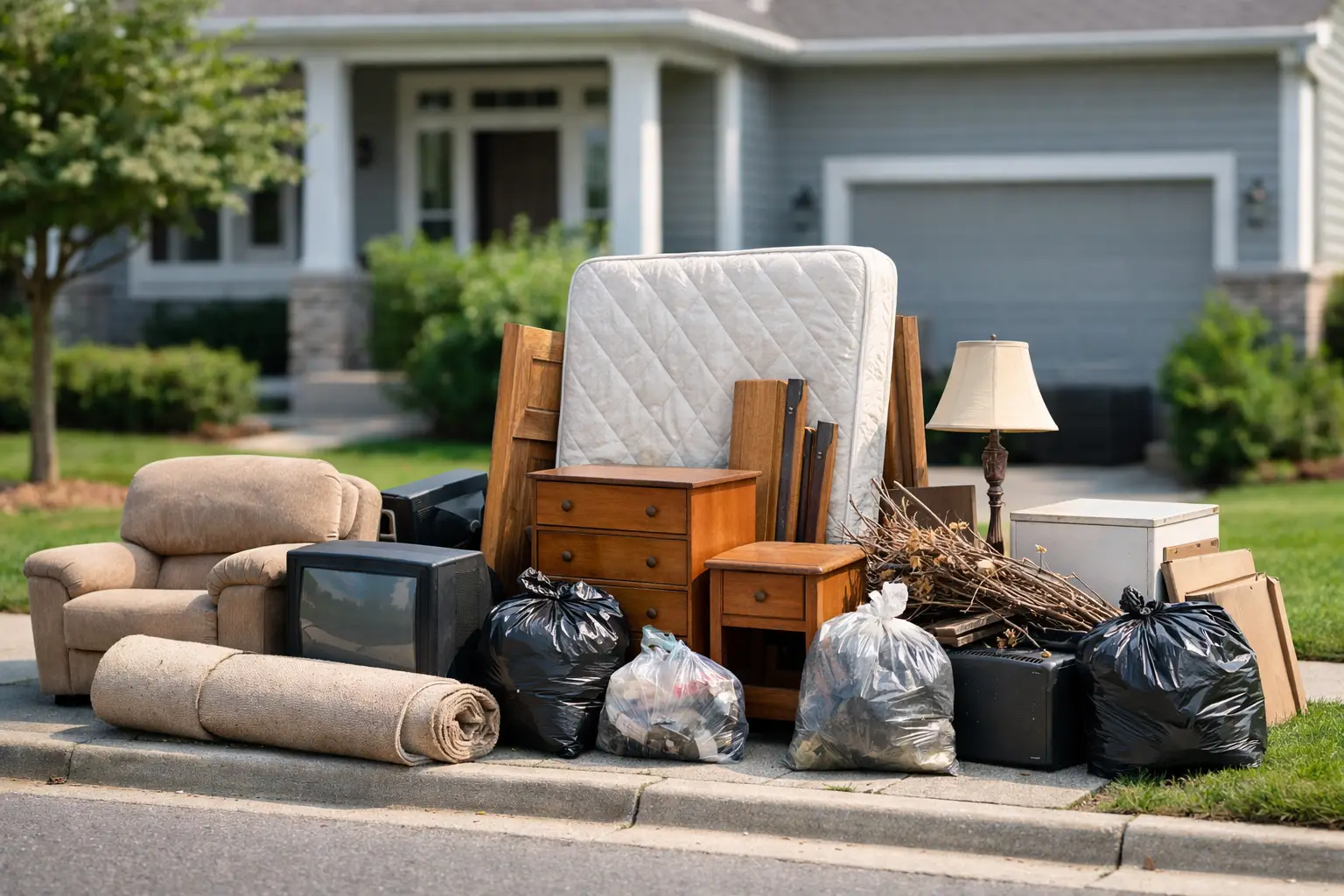
The fastest bulk pickup jobs usually start before the truck arrives. If you need to prepare property for bulk pickup, a little planning can save time, prevent extra fees, and make sure everything gets hauled away in one trip instead of two.
That matters whether you are clearing out a garage, emptying a rental, cleaning up after a renovation, or getting a property ready for sale or new tenants. The goal is simple: make the load easy to access, easy to identify, and safe to remove.
Why it helps to prepare property for bulk pickup first
Bulk pickup is not just about putting items outside and hoping for the best. Large furniture, yard debris, broken appliances, construction material, and mixed junk all come with different handling needs. When a property is not organized, crews spend more time sorting, checking access, and moving around obstacles.
That can slow down the job and create avoidable problems. Tight pathways, blocked gates, loose debris, and unclear pile separation are common reasons pickups take longer than expected. If you are paying for labor, truck space, or a scheduled service window, that extra time matters.
A prepared site also reduces stress on your side. You know what is leaving, what is staying, and what needs special handling. That is especially useful for landlords, contractors, and busy homeowners who do not want to stand outside making last-minute decisions while a crew waits.
Start by deciding what actually goes
Before you move a single item, walk the property and make clear decisions. The biggest source of delay is uncertainty. If a pile includes things you want to keep, donate, or move to storage, that pile usually has to be sorted on site.
Go area by area. Check the garage, side yard, backyard, shed, office, or vacant unit. If you are dealing with a larger cleanup, keep a simple system: remove, keep, donate, or set aside for special disposal. You do not need a complicated checklist, but you do need clear separation.
If more than one person is involved, this step matters even more. Family members, tenants, maintenance staff, or project managers often have different ideas about what should be hauled. Get agreement early so the pickup does not stall when the crew arrives.
Group items by type when possible
You do not need a perfect staging system, but grouping similar materials helps. Furniture in one area, bagged trash in another, yard waste in another, and renovation debris in its own pile is usually enough.
Why does this help? Some items stack differently in the truck. Some may need to be loaded first because they are heavy or awkward. Others may need separate disposal based on local rules or facility requirements. Mixed piles are slower to load and harder to price accurately.
This is one of those it-depends situations. If you only have a couch, a dresser, and a few boxes, strict sorting is probably unnecessary. But if you are clearing a whole property, handling construction debris, or combining indoor junk with outdoor waste, grouping saves real time.
Make access easy from the start
A bulk pickup crew can only work as fast as access allows. Look at the route from the street or driveway to the pickup area. If gates are locked, cars are blocking the path, or items are buried behind other items, the job becomes harder than it needs to be.
Move vehicles out of the way before the appointment window. Open side gates if the pile is in the backyard. If you live in a building with an elevator, loading zone, or access code, have that ready ahead of time. For commercial properties, make sure the right person on site can approve entry and direct the crew.
If you are placing items curbside, keep them in a spot that is visible and reachable without blocking sidewalks, mailboxes, or traffic. If you are keeping the items on private property for a full-service pickup, create a clean walking path so large pieces can be removed safely.
In South Florida, weather can also change the plan. Rain can soak cardboard, loosen bagged debris, and make yard areas muddy. If pickup is scheduled during a wet week, placing items on a firm surface can make a big difference.
Break down what you safely can
One of the easiest ways to prepare property for bulk pickup is to reduce volume before pickup day. Break down empty boxes, remove loose shelves from cabinets, and take apart lightweight furniture if that can be done safely and quickly.
This is not always worth doing. If you are dealing with heavy furniture, built-ins, demolition material, or anything that requires tools and extra labor, forcing a breakdown can waste time or create safety risks. But for simple items, less bulk means easier loading and better use of truck space.
Bag loose material whenever possible. Small scraps, clothing, paper, and non-sharp clutter should not be left blowing around the yard or driveway. Secure bags and bins also make the property look cleaner while you wait for service.
Separate items that may need special handling
Not everything belongs in a standard bulk load. Paint, chemicals, fuel, propane tanks, batteries, and some electronics may require separate disposal. Appliances can also be a gray area depending on the item, the condition, and local handling rules.
If you are not sure, ask before pickup day. That is much easier than discovering day-of that certain items cannot go on the truck. The same goes for very heavy materials like concrete, dirt, roofing debris, or large amounts of tile. These loads may still be removable, but they often need different planning, equipment, or pricing.
A good rule is simple: if something is hazardous, unusually heavy, or difficult to identify, flag it early.
Think about safety, not just convenience
People often focus on making the pile neat, but safety matters just as much. Remove nails, sharp metal edges, or broken glass when you can do so safely. Keep children and pets away from the staging area. Do not stack items so high that they can tip over.
If the property has stairs, uneven ground, narrow hallways, or low-hanging branches, take note of that before the crew arrives. You do not have to solve every challenge yourself, but you should communicate it. Hidden access issues are one of the main reasons a straightforward pickup turns into a longer job.
For property managers and landlords, safety also includes protecting what stays behind. Mark fixtures, doors, or appliances that are not part of the removal so there is no confusion.
Prepare differently for homes, rentals, and job sites
A single-family home cleanup usually comes down to access and sorting. Get the pile together, clear the route, and make sure everything intended for removal is easy to identify.
Rental properties need a little more control. If a tenant move-out is involved, check closets, patios, and exterior storage areas before scheduling the pickup. It is common for bulky leftovers to be spread across multiple spots instead of one central pile.
Construction and renovation sites are different again. Debris tends to build up fast and spread out. In those cases, keeping scrap in one loading zone throughout the project often works better than waiting until the end and dealing with a mess everywhere. If you need support beyond simple hauling, a company like A&D Junk Removal LLC can help keep the site moving without turning cleanup into another project of its own.
What to do the day before pickup
The day before service, do one final walk-through. Make sure the load is still accessible, the keep-items are separated, and any special items have been mentioned. This is also the time to confirm gates, parking, pets, and on-site contacts.
If you are not going to be present, leave clear instructions. Photos, simple notes, and marked piles can prevent confusion. That is especially helpful for landlords, business owners, and contractors managing a property remotely.
You do not need to overthink it. The best prep is practical. Clear path, clear pile, clear expectations.
When professional help makes more sense
Some pickups are easy enough to stage on your own. Others involve too much material, too little time, or items that are too heavy to move safely. If you are clearing an estate, handling a tenant turnover, cleaning up storm debris, or dealing with renovation waste, the right help can save you several rounds of loading, hauling, and figuring out disposal.
That is really the point of preparing well. You are not trying to create a perfect site. You are making the job faster, safer, and easier from the start so the property gets cleared without extra hassle.
If you are looking at a crowded garage, a pile of broken furniture, or debris spread across a property, start small. Pick what goes, make room to reach it, and group it in a way that makes sense. A cleaner space starts with a clear plan.