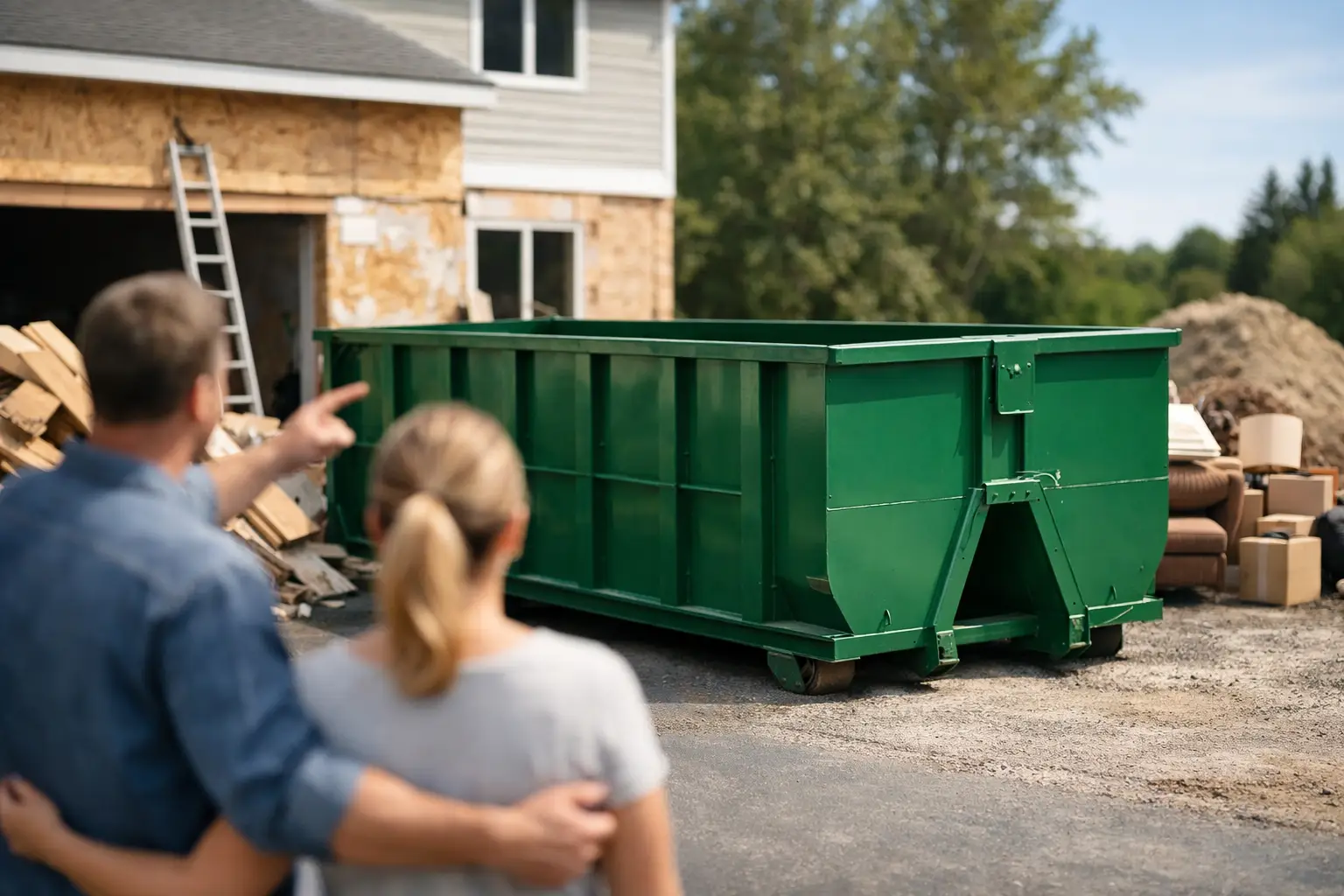
A pile of debris usually starts small. A few old boxes from the garage, broken drywall from a bathroom update, tree limbs after a weekend cleanup. Then it grows fast, and suddenly your regular trash service is not even close to enough. That is usually when people start asking when should you rent dumpsters instead of trying to haul everything away a little at a time.
The short answer is this: rent a dumpster when the amount of waste is too much for your normal trash pickup, when cleanup will take more than one trip, or when having debris on-site will slow down your project. The better answer depends on what kind of job you are doing, how quickly you need it gone, and how much hassle you want to avoid.
When should you rent dumpsters for a home project?
For most homeowners, dumpster rental makes sense any time a project creates steady waste over a few days or more. If you are clearing out one closet, you probably do not need one. If you are cleaning out a whole house, replacing flooring, tearing out cabinets, or emptying a garage that has not been touched in years, it can save a lot of time and frustration.
One of the biggest signs is when debris keeps piling up faster than you can bag it, stack it, or haul it. A dumpster gives you one place to put everything as you work. That keeps the driveway, yard, or job area cleaner and safer.
It also helps when the waste is bulky. Old furniture, carpet, shelving, fencing, broken appliances, and renovation debris take up space fast. Even if you own a truck, multiple dump runs eat up your day. You have loading time, driving time, unloading time, disposal fees, and cleanup after each trip. At a certain point, renting a dumpster is just the simpler option.
The most common times to rent a dumpster
Some jobs almost always justify a dumpster because the waste is predictable and the volume adds up quickly.
During a renovation or remodel
Kitchen remodels, bathroom tear-outs, flooring replacement, roofing work, and interior demolition all create debris that needs to go somewhere right away. Drywall, tile, wood, cabinets, insulation, and packaging can overwhelm a space in one day.
If contractors are working around piles of debris, the job slows down. If you are doing the work yourself, the mess gets exhausting. A dumpster keeps the project moving and gives you a clean way to manage the waste as it happens.
During a major cleanout
Estate cleanouts, foreclosure cleanups, hoarding situations, downsizing, and moving prep are all strong reasons to rent a dumpster. These jobs usually involve a mix of items that are too large or too numerous for curbside pickup.
A dumpster is especially useful when you need to make decisions quickly. Instead of sorting every item into separate trips, you can clear the property efficiently and keep momentum. That matters when you are on a deadline to sell, lease, renovate, or hand over a property.
After a storm or yard project
Storm debris can be heavier and messier than people expect. Branches, fencing, damaged outdoor furniture, and soaked materials can pile up fast. The same goes for large landscaping projects, tree trimming, shed removal, and fence replacement.
If the cleanup will fill a trailer more than once, renting a dumpster often makes more sense than trying to manage it piece by piece.
For construction and commercial jobs
Contractors, property managers, and small business owners often rent dumpsters when keeping a site clean is part of keeping work on schedule. Demolition debris, packaging, old fixtures, broken materials, and general job site waste can create safety issues if they sit too long.
On active job sites, convenience matters. Having a dumpster on location means crews can load debris immediately instead of stacking it in corners and dealing with it later.
When a dumpster may be better than junk removal
This is where it depends.
If you want a team to do the lifting, loading, and hauling for you, junk removal is often the better fit. If you want time to work through a cleanup at your own pace, a dumpster is usually the better choice. Both solve the same problem, but the right option depends on how hands-on you want to be.
Dumpster rental works well when you have an ongoing project, want flexibility, or know you will keep generating debris over several days. Junk removal works well when everything is already piled up and you want it gone fast without doing the labor yourself.
Some customers are not sure which way to go at first, and that is normal. A reliable local company should help you figure out what makes the most sense based on the volume, material, timeline, and access to the property.
Signs you should rent a dumpster sooner, not later
A lot of people wait until the mess becomes a problem. Usually, that ends up costing more time and adding stress.
You should think about renting early if debris is going to block a driveway, take over a garage, create a safety issue for kids or workers, or sit outside long enough to become an eyesore. In South Florida, weather is another factor. Rain can turn a manageable pile of debris into a heavier, messier cleanup.
There is also the issue of momentum. Projects tend to move better when waste has a clear exit plan. When people have to stop working just to figure out where to put broken tile, old lumber, or torn-out materials, everything drags.
When timing really matters
If you are coordinating contractors, a move-out, a sale, or a tenant turnover, delays can get expensive. Having the dumpster delivered before demo starts or before a cleanout begins can keep everyone on track.
Waiting too long can also leave you with fewer scheduling options, especially during busy times. If you know a project is coming up, it is smart to arrange waste removal early instead of treating it like an afterthought.
What to consider before renting
The best dumpster rental decision is not just about whether you need one. It is also about choosing the right timing and size for the job.
First, think about what you are throwing away. Household junk, construction debris, yard waste, and heavy materials all have different loading patterns. A small volume of concrete weighs a lot more than a large volume of cardboard and old clothes.
Second, think about where the dumpster will go. You need a spot that is accessible for delivery and pickup and practical for your cleanup. If the placement is awkward, the job gets harder than it needs to be.
Third, think about how long the project will run. If it is a one-day demolition, your needs may be different than a weeklong cleanout or multi-stage renovation.
This is where working with a responsive local provider helps. In busy areas across Dade and Broward counties, fast scheduling and clear communication can make the difference between a smooth job and one that gets backed up.
When should you not rent dumpsters?
Not every job needs one, and being honest about that helps customers make better decisions.
If you only have a few items, if the material is not allowed in a container, or if the waste can be removed in one quick pickup, a full dumpster rental may be more than you need. The same applies if you do not have enough space for safe placement.
That does not mean you are stuck. It just means another service may fit better. Sometimes a simple junk removal appointment is the faster and more cost-effective route.
The real value is less stress
Most people do not rent dumpsters because they are excited about waste management. They rent one because they want the cleanup to stop taking over the project.
That is the real answer to when should you rent dumpsters: when the mess is big enough to slow you down, create extra work, or turn a straightforward job into a drawn-out headache. If a container on-site saves you multiple trips, keeps the area cleaner, and helps you finish faster, it is probably the right call.
A good rental should feel simple. You get the container where you need it, load it as the work gets done, and move on without chasing dump runs or staring at debris for another week. For homeowners, contractors, and property managers alike, that kind of convenience is often what keeps a project under control.
If you are looking at a growing pile and wondering whether to keep pushing through or get help, that question usually answers itself pretty quickly. The easier path is often the one that keeps your space clear and your time focused on the job that actually matters.