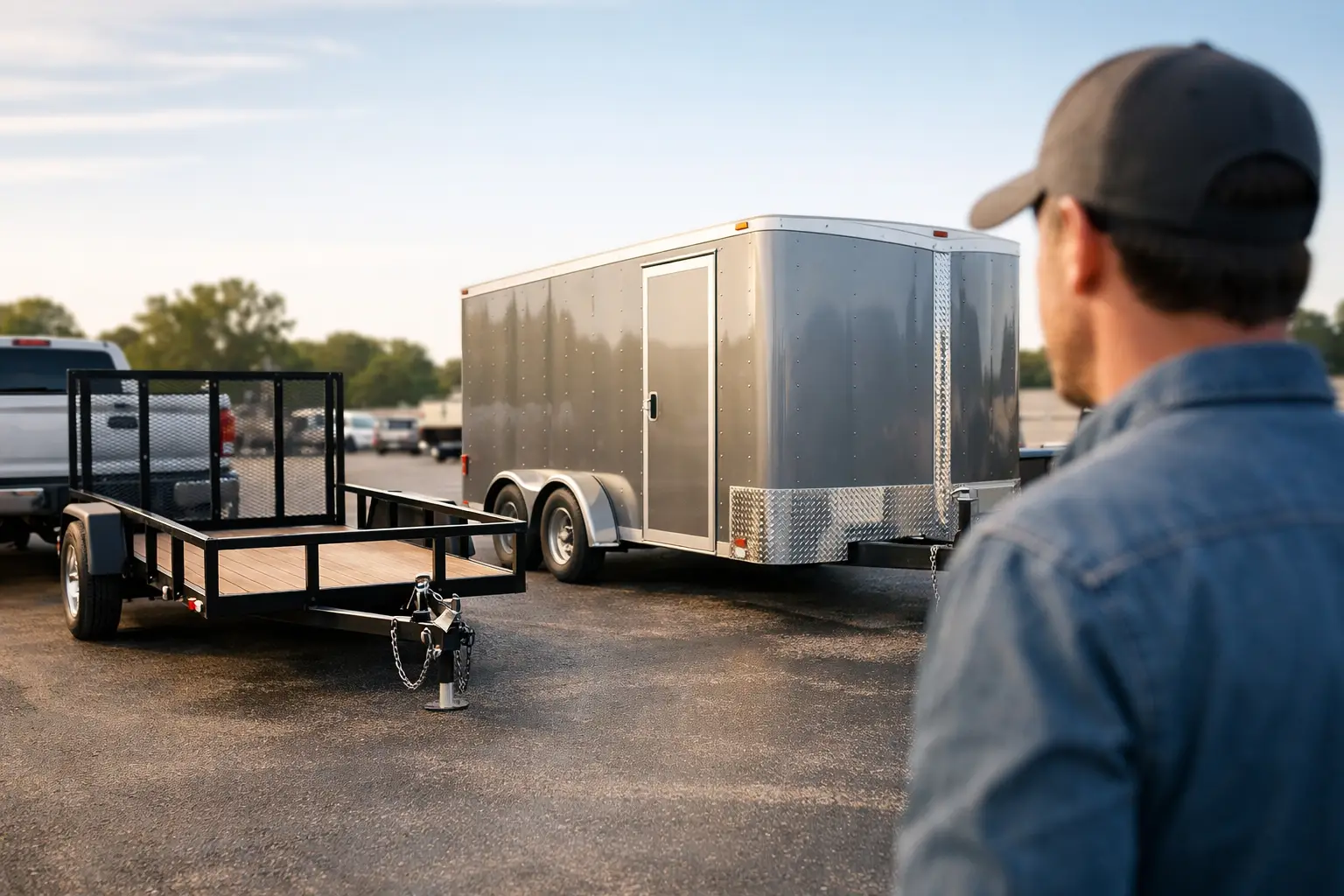
A garage cleanout usually starts small. Then you pull out a broken shelf, a pile of old paint cans, yard waste from last month, and suddenly your pickup bed is full before the real work even begins. That is usually the moment people ask, when should I rent a trailer instead of making trip after trip and losing a whole weekend to hauling.
The short answer is this: rent a trailer when the job is too big for your regular vehicle, too messy to keep piling up, or too time-sensitive to manage one load at a time. A trailer makes sense when you need room, flexibility, and a simple way to keep the project moving. For a lot of homeowners, contractors, and property managers, it is less about the trailer itself and more about avoiding delays, extra labor, and disposal headaches.
When should I rent a trailer for a home project?
If you are doing a project that creates debris over several hours or several days, a trailer rental is often the better call. Home cleanouts, remodels, landscaping work, roofing repairs, garage cleanups, and small demolition jobs all create more material than most people expect.
A trailer gives you one place to put everything as you work. That matters more than people realize. Instead of stacking junk in the driveway, stuffing your car, or making separate piles for “later,” you can load as you go and keep the space under control. That makes the job cleaner, safer, and easier to finish.
It is especially useful when the waste keeps coming in stages. A bathroom demo might not look like much on day one, but once tile, drywall, vanities, and old fixtures start coming out, the volume adds up fast. The same goes for yard projects. Trimming trees, pulling out old fencing, and clearing overgrowth can fill a trailer much faster than a standard trash pickup can handle.
The clearest signs it is time to rent a trailer
One good rule is to look at the number of hauling trips your project would take without one. If you are already thinking it might take two or three trips, a trailer is usually worth considering. Once you factor in loading time, unloading time, fuel, dump fees, and the wear on your vehicle, the “cheaper” option often stops being cheaper.
Another sign is when the material is bulky or awkward. Old furniture, cabinets, drywall, flooring, branches, fencing, and demolition debris do not load neatly into most vehicles. Even if they fit, they can damage interiors, scratch truck beds, or create a mess you then have to clean up.
You should also rent a trailer when the job has a deadline. Maybe you are getting a property ready for tenants, finishing a renovation before the next trade arrives, or clearing storm debris before it becomes a bigger problem. When time matters, having a trailer on site keeps the work moving instead of forcing you to stop and haul in the middle of the job.
When should I rent a trailer instead of a dumpster?
This depends on access, material type, and how the job is being handled. A dumpster is a good fit for some jobs, but a trailer can be the smarter option when placement, timing, or convenience matter more.
A trailer works well when you want easier loading height, faster drop-off and pickup, or a more flexible setup for a smaller space. For many residential customers, that lower loading access is a real advantage. Tossing debris into a trailer is often easier than lifting it over the high walls of a dumpster, especially with heavy materials like tile, concrete chunks, or torn-out cabinets.
A trailer can also be a better fit if you do not want a large container sitting in place for too long. Some customers want the debris gone quickly. Others are working in tighter driveways or shared properties where space is limited. In those cases, trailer rental can be the simpler and cleaner solution.
That said, it depends on the scale of the job. If you are gutting a full house or handling a large construction site, a dumpster may make more sense. If you are doing a focused cleanout, a moderate renovation, or a short-term debris project, a trailer often gives you the right amount of capacity without overcomplicating things.
Good times to rent a trailer
The best time to rent a trailer is before debris starts piling up. Waiting too long usually creates two problems. First, you lose usable space in the area you are trying to clean or work in. Second, the job starts feeling bigger than it needs to be because the mess builds faster than it leaves.
For homeowners, the best time is often right before a planned cleanout, remodel, landscaping push, or move-out. For contractors and property managers, it is usually before demo begins or before crews start generating material that needs to be cleared out fast.
It also makes sense to think seasonally. In South Florida, storm prep and storm cleanup can create sudden hauling needs. Yard waste, damaged fencing, ruined furniture, and soaked materials can pile up quickly after bad weather. Having a trailer delivered when time matters can save a lot of stress.
If you are coordinating multiple services, timing matters even more. A trailer can support demolition, material delivery, property cleanup, and site prep in a way that keeps the whole job more organized.
Jobs where renting a trailer saves the most hassle
Some projects benefit from a trailer more than others. Estate cleanouts are one example because the amount of unwanted material is usually larger than expected, and the work tends to move room by room. Rental property turnovers are another because speed matters, and leftover junk can delay repairs, painting, or new occupancy.
Renovation jobs also benefit because debris shows up in waves. You may clear out cabinets one day, flooring the next, and drywall after that. A trailer gives you a steady place for all of it. The same is true for landscaping and outdoor work. Dirt, branches, fencing, pavers, and old sheds create awkward loads that are hard to manage with a personal vehicle.
Small business owners can benefit too. If you are clearing storage, replacing fixtures, remodeling a storefront, or getting rid of damaged inventory, a trailer helps you keep business disruption to a minimum.
What to think about before you book
Start with volume. Not exact measurements, just a realistic look at how much material you expect. Most people underestimate. If you already have a pile started, and more is still coming, that is a strong clue that a trailer is the right move.
Next, think about the type of debris. Household junk, yard waste, construction debris, and demolition material all load differently and may affect what service setup makes the most sense. It helps to be upfront about what you are throwing away so the rental fits the job.
Then consider access. Is there room in the driveway or at the site? Do you need something easy to load? Are you trying to avoid repeated traffic in and out of a residential property? Those details matter because the best rental is not just about size. It is about how smoothly the job gets done.
Finally, think about labor. A trailer solves the disposal side, but some jobs also need help loading, demolition, or cleanup. If one company can handle more than one part of the project, that usually saves time and back-and-forth scheduling.
The real question is not just cost
A lot of people wait because they are focused on whether renting a trailer is “worth it.” That is fair, but cost is only one part of the decision. The bigger question is what happens if you do not rent one.
If skipping the trailer means multiple dump runs, project delays, debris sitting around for days, or damage to your own vehicle, the cheaper option may actually be the more expensive one. The value is in keeping the work moving and keeping your property cleaner while it happens.
That is why trailer rental makes sense for so many cleanup and project situations. It removes friction. You get a place for the mess, a plan for disposal, and one less problem to manage.
If you are looking at a cleanup, renovation, turnover, or debris-heavy job and thinking you might be able to tough it out with your own vehicle, that is usually the moment to pause. A trailer is often the difference between dragging the job out and getting it done without the usual hassle. If the mess is growing faster than your time, rent the trailer and keep moving.