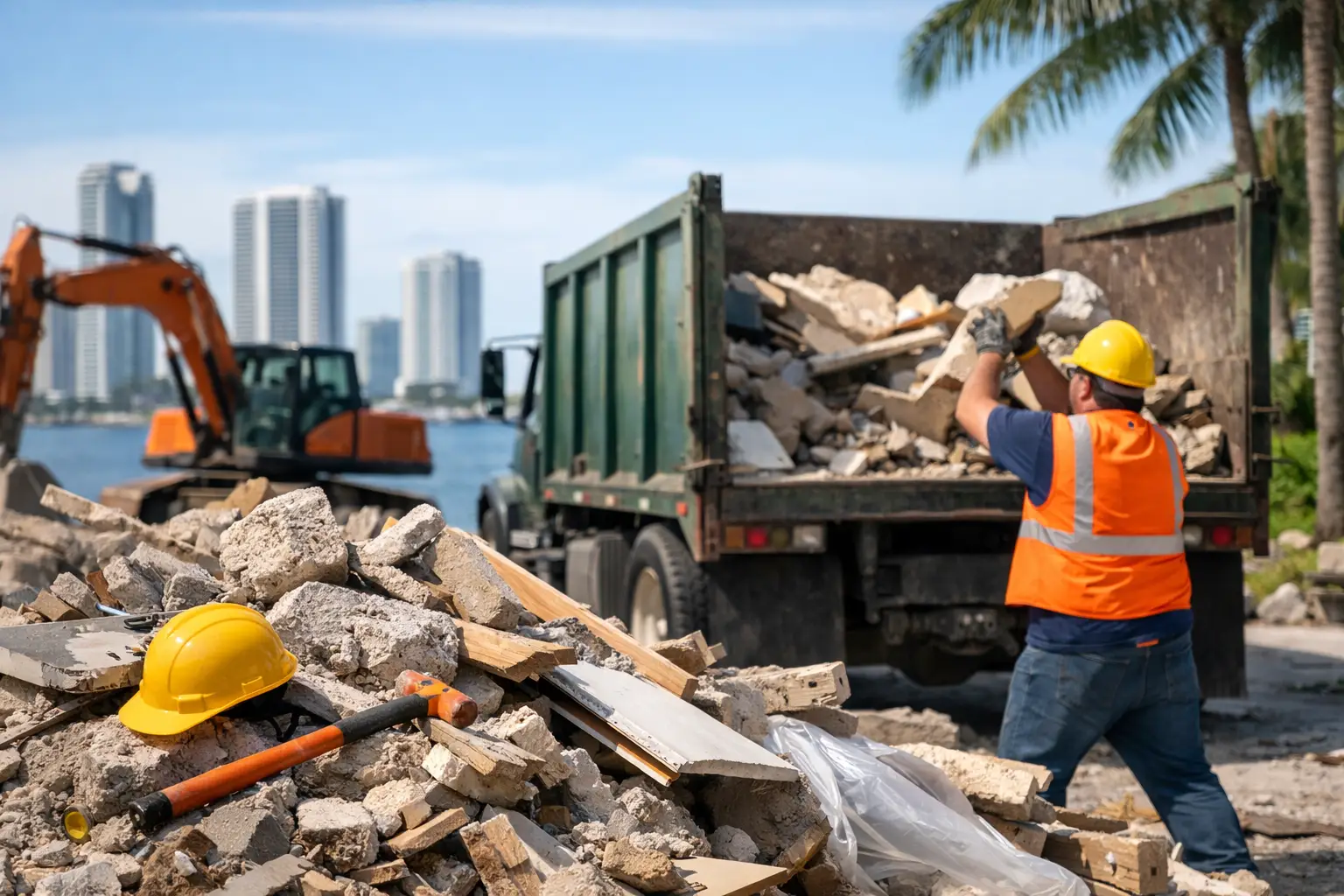
A pile of broken drywall, tile, wood scraps, and torn-out cabinets can slow a job down fast. That is why construction debris removal Miami property owners and contractors rely on is not just about hauling junk away. It is about keeping a project moving, keeping the site safer, and avoiding the headache of figuring out where all that material goes.
In Miami, debris builds up quickly. A bathroom remodel can fill a trailer sooner than expected. A small demolition job can leave concrete, lumber, and metal spread across the property before the day is over. When that waste sits too long, it creates delays, takes up work space, and leaves homeowners or crews dealing with one more problem they do not have time for.
Why construction debris removal in Miami matters more than people expect
Most people think debris removal is the last step. In real projects, it affects almost every step. If a site stays cluttered, crews lose room to work, materials get harder to move, and cleanup becomes more expensive later. Even for a homeowner doing one renovation, that growing pile in the driveway can become a real issue within a day or two.
Miami jobs also come with their own pressure. Weather matters. Tight schedules matter. Neighborhoods, parking, and access matter. On some properties, there is plenty of room for a trailer or equipment. On others, space is limited, and the removal plan has to be more precise. That is why the right approach depends on the type of job, the volume of debris, and how quickly the site needs to be cleared.
For contractors and property managers, reliable debris hauling is part of keeping clients happy. A clean site looks more professional. It also reduces the chance of nails, broken materials, and loose waste becoming safety hazards. For homeowners, the benefit is simpler. You want the mess gone without spending your weekend loading, hauling, and finding the right disposal location.
What counts as construction debris
Construction debris is not just one thing. It can include drywall, wood, flooring, tile, shingles, concrete, plaster, insulation, fencing, cabinets, fixtures, and general renovation waste. Some jobs also produce heavier materials like dirt, block, brick, or roofing debris.
The mix matters because not every load is handled the same way. Light remodel debris is different from dense demolition material. A kitchen tear-out may be bulky but manageable. A concrete removal job is heavier, more labor-intensive, and usually needs the right equipment and hauling setup from the start.
That is where people often miscalculate. They assume one pickup truck load will handle it, then end up making multiple trips, damaging the vehicle, or wasting hours on disposal. In many cases, bringing in a team with hauling capacity, labor, and the right equipment costs less than trying to piece it together yourself.
The best option depends on the job
There is no single answer for construction debris removal Miami customers should use every time. It depends on how the debris is being generated and how hands-on you want to be.
If you are working on an active renovation and need debris contained as the job moves along, a dumpster or trailer rental often makes sense. It gives you one place to load material throughout the project, then the debris gets hauled away when you are done. This works well for contractors, flippers, and homeowners managing a remodel over several days.
If the debris is already piled up and you want it gone fast, full-service junk removal is usually the easier choice. A crew does the lifting, loads the material, and clears the area without you having to organize labor or make dump runs. That is often the better fit after a demo day, a rushed renovation, or a cleanup that got bigger than expected.
For heavier site work, demolition support and Bobcat service can make the biggest difference. Concrete chunks, dirt, block, and large debris piles are not ideal for manual loading alone. Equipment speeds the job up and helps avoid unnecessary strain, delays, and mess.
What a smooth debris removal process should look like
A good debris removal service should make the project easier, not add another layer of coordination. That means clear communication, responsive scheduling, straightforward pricing, and showing up ready to work.
The first thing that matters is knowing what needs to go. A few photos or a quick description can usually help determine the scope. Is it mostly drywall and trim? Is there roofing material? Are there heavy materials that may require special loading or equipment? The better that part is understood upfront, the fewer surprises there are later.
Timing is the next piece. Some jobs need same-day or next-day removal because crews cannot continue until the area is cleared. Other jobs need a trailer dropped off in advance and picked up once the work is complete. A dependable provider should be able to work around the project instead of forcing the project to work around them.
Then there is cleanup. Hauling the debris away is only part of the job. Customers usually want the space left reasonably clean, with the obvious loose material and mess handled before the crew leaves. That last part matters, especially for residential jobs where debris has spread across a driveway, yard, or garage.
Common mistakes that make debris removal harder
One of the biggest mistakes is waiting too long. People often try to push through the project first and deal with the debris later. That sounds efficient, but it usually creates more clutter, more stress, and more labor in the end. Removing debris in phases is often the smarter move.
Another mistake is choosing based on price alone without asking what is included. A low number may not include labor, loading, cleanup, or heavy material. It may also come with delays that cost more than the savings. Fair pricing matters, but so does reliability.
There is also the issue of underestimating volume. Construction waste expands fast. Drywall, cabinets, flooring, and trim can fill a surprising amount of space once removed. Heavy debris adds another layer because weight limits matter. A provider that understands both volume and material type can help prevent overloading, extra trips, and disposal problems.
Why local service makes a difference
With construction debris removal in Miami, responsiveness counts. Local providers tend to understand the pace of projects here, the challenges of access, and the reality that customers often need help quickly. That is especially true for property managers, contractors, and homeowners trying to keep a renovation from dragging out.
Working with a company that handles more than just junk pickup can also save time. If you need demolition, material delivery, dumpster rental, and debris hauling, dealing with one team is easier than juggling several vendors. It cuts down on scheduling problems and keeps the process simpler from start to finish.
That is one reason customers turn to companies like A&D Junk Removal LLC. When one team can help clear waste, support the site, and keep the project moving, the whole job feels more manageable.
When to book construction debris removal Miami service
The best time to book is before debris becomes a bottleneck. If you already know a renovation, cleanout, or demolition job will create waste, planning removal early gives you more control. You can decide whether you need ongoing container access, a one-time haul, or extra support for heavy materials.
If the debris is already there, do not wait for the pile to get worse. Broken materials take up more space than most people expect, and the longer they sit, the more they get in the way. Fast removal gives you your driveway, yard, work area, or job site back sooner.
A good service should feel simple. You call, explain the job, get a clear plan, and the debris is handled without a lot of back and forth. That is really what people are paying for. Not just disposal, but less hassle.
Whether you are a homeowner finishing a remodel, a contractor clearing out after demolition, or a property manager trying to turn a space around quickly, the right debris removal support keeps the project cleaner, safer, and easier to manage. If the mess is slowing you down, it is probably time to get it off the site and move forward.