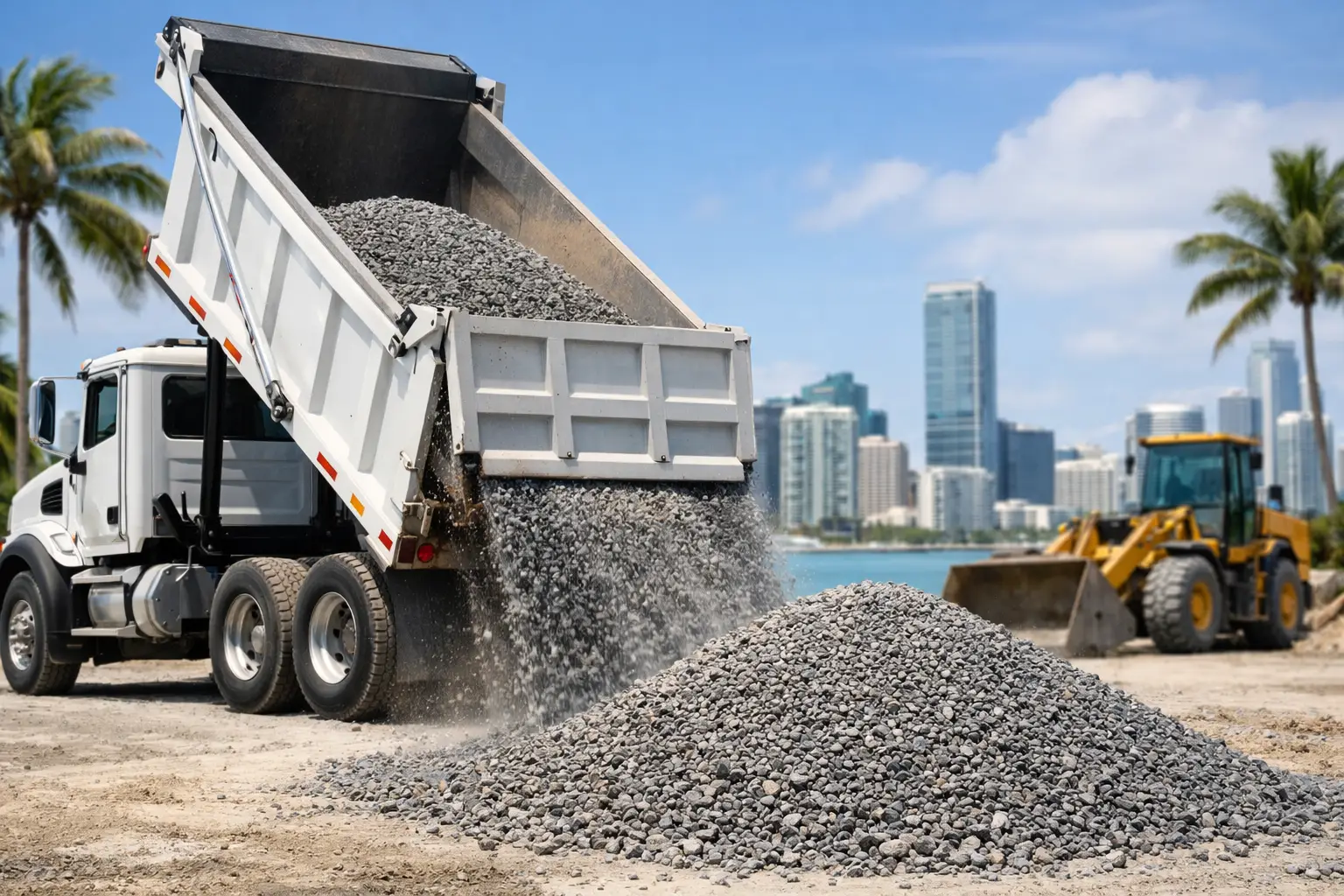
A driveway base that arrives short by two yards can stop a project cold. A load of the wrong stone can create drainage problems, soft walking areas, or a surface that will not compact the way it should. That is why choosing a gravel delivery service Miami customers can rely on is about more than getting a truck to the address. It is about having the right material, the right amount, and a clear place for it to go when it arrives.
For homeowners, property managers, and contractors, gravel is often one part of a larger job. You may be building a driveway, refreshing a side yard, preparing for pavers, filling low spots, or setting up a stable base for a shed. Good planning before delivery keeps the work moving and prevents unnecessary cleanup later.
Start With the Job, Not the Load Size
Gravel is a broad term. Different materials handle weight, water, and foot traffic differently, so the best choice depends on how the finished area will be used.
Crushed stone is commonly used for driveways, parking areas, and base layers because its angular pieces lock together when compacted. It creates a firmer surface than rounded rock, especially when vehicles will drive over it. A material with fines, sometimes called road base or crusher run, can compact tightly and works well beneath pavers or concrete preparation where a solid foundation matters.
Pea gravel has small, smooth, rounded stones. It can look clean and finished in landscaping, walkways, and decorative areas, but it does not compact like crushed stone. It may shift under tires, shoes, or furniture. Drain rock and larger clean stone are often better for areas where moving water away from the surface is the main concern.
Before ordering, think through three questions: Will vehicles use the area? Does water need to drain through it? Is this the finished surface or a base that will be covered later? Those answers narrow down the material quickly and help avoid paying to remove and replace the wrong product.
How Much Gravel Should You Order?
Ordering too little means another delivery, added time, and a project that may sit unfinished. Ordering too much can leave a pile taking up valuable driveway or yard space. Gravel is usually sold by the cubic yard, while coverage is often discussed in square feet, which is where many estimates go wrong.
To estimate the amount needed, measure the length and width of the area in feet, then decide on the finished depth. Multiply length by width to get square footage. A typical base may need several inches of compacted material, while a decorative top layer may need less. Remember that material settles and compacts, especially crushed stone with fines, so the loose delivered volume is not always the final compacted depth.
For example, a 20-foot by 20-foot area covers 400 square feet. At a 3-inch depth, it requires roughly 3.7 cubic yards before allowing for compaction and uneven ground. If the site has low spots, soft soil, or edges that need to be built up, adding a reasonable margin can prevent a shortfall.
When in doubt, provide measurements, intended depth, and the purpose of the area when requesting service. A clear description is more useful than simply asking for “a load of gravel.” The truck load that works for a small walkway is very different from the amount needed for a long driveway base.
Plan Access Before Your Gravel Delivery Service in Miami
Delivery access is one of the biggest details customers overlook. A dump truck needs room to enter, maneuver, and raise its bed safely. That means checking more than the width of the driveway.
Look for low tree branches, power lines, parked cars, gates, roof overhangs, soft grass, steep slopes, and tight turns. If the truck needs to back in, make sure the route is clear. Fresh asphalt, decorative pavers, septic areas, and thin concrete can also be damaged by heavy equipment, so identify a safe unloading location in advance.
The ideal spot is usually close enough to reduce wheelbarrow work but far enough from the street, garage, or gate that the pile will not block access. If the material must be placed in a narrow backyard or behind a structure, a standard dump delivery may not be the best fit. The job may require equipment to move material after it is dropped, or a different delivery plan altogether.
Miami weather adds another practical consideration. Heavy rain can turn a grass access route into a muddy mess and make loose gravel harder to spread. If your site is exposed or already soft, schedule with the weather in mind and avoid having a load dumped where it could sink, wash out, or obstruct drainage.
Prepare the Area Before the Truck Arrives
Gravel does not fix every ground problem by itself. A proper surface begins with basic site preparation. Remove loose debris, vegetation, old material, and unstable soil where needed. Grade the area so water moves away from buildings and does not collect along driveways, walkways, or foundations.
For many base applications, a geotextile fabric between the soil and gravel helps reduce mixing. This can be especially helpful in soft or sandy ground, where stone can slowly work down into the soil over time. Edging also matters for decorative gravel and walkways because it helps keep the material in place instead of spreading into lawns or planting beds.
If the project involves demolition debris, old pavers, broken concrete, or a large amount of dirt, clear that material before the gravel arrives. Trying to work around a debris pile usually creates more labor and a less consistent base. A&D Junk Removal LLC can support projects that need both site cleanup and material delivery, which makes scheduling easier when one phase needs to happen before the next.
Delivery Is Only One Part of the Work
A pile of gravel is useful, but it still needs to be spread, graded, and compacted correctly. For a small landscaping project, a rake, shovel, wheelbarrow, and time may be enough. For a driveway, parking pad, or larger foundation base, equipment can save hours of physical labor and produce a more even result.
A Bobcat can move material quickly across a property, shape the grade, and help distribute stone where a truck cannot safely dump it. A plate compactor or roller may then be needed to create a firm surface. The right approach depends on the material and use. Decorative pea gravel generally should not be compacted into a hard base, while crushed stone beneath a driveway needs thorough compaction for stability.
This is also where cheap deliveries can become expensive. A low quoted delivery price may not include placement beyond one pile, waiting time, difficult access, or extra material handling. Ask what is included, where the driver can unload, and whether additional site work is needed. Straight answers upfront make it easier to compare options fairly.
Timing Your Order Around the Rest of the Project
Schedule gravel after excavation, cleanup, and rough grading are complete, but before the next phase needs the surface. If you are installing pavers, do not order the base material before the old surface is removed. If you are building a fence or shed, make sure post locations, utilities, and drainage plans are already considered.
For contractors and property managers, coordinating deliveries can also keep a site safer. Material piles should not block tenant access, fire lanes, dumpsters, or active work zones. On residential jobs, let household members know when the truck is expected so cars can be moved and gates can be opened.
Same-day or fast scheduling can be valuable when crews are waiting, but it works best when the site is ready. A few minutes spent checking measurements, access, and drop location before booking can prevent a much bigger delay after the truck arrives.
Get a Cleaner Start on Your Next Project
A dependable gravel delivery service should make the material side of your project easier, not give you another problem to solve. Know what the gravel needs to do, measure the area carefully, prepare a safe drop location, and be realistic about whether you need help moving and compacting the load.
Whether you are improving a backyard, building a driveway base, or preparing a commercial site, the right material delivered at the right time gives the rest of the job a solid place to start. Contact a local team that can discuss your site, your schedule, and the work needed before and after delivery, then get your project moving with less stress.