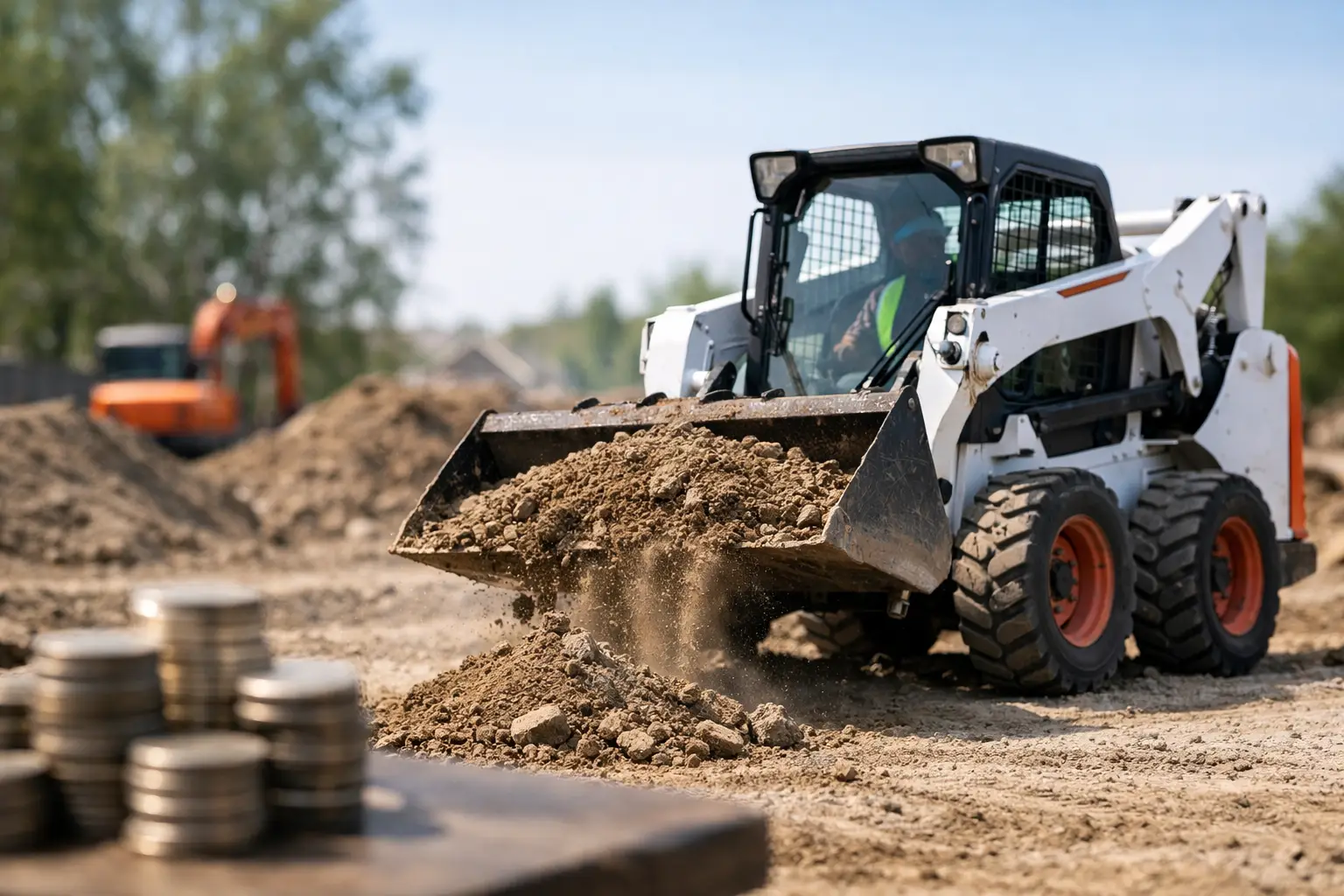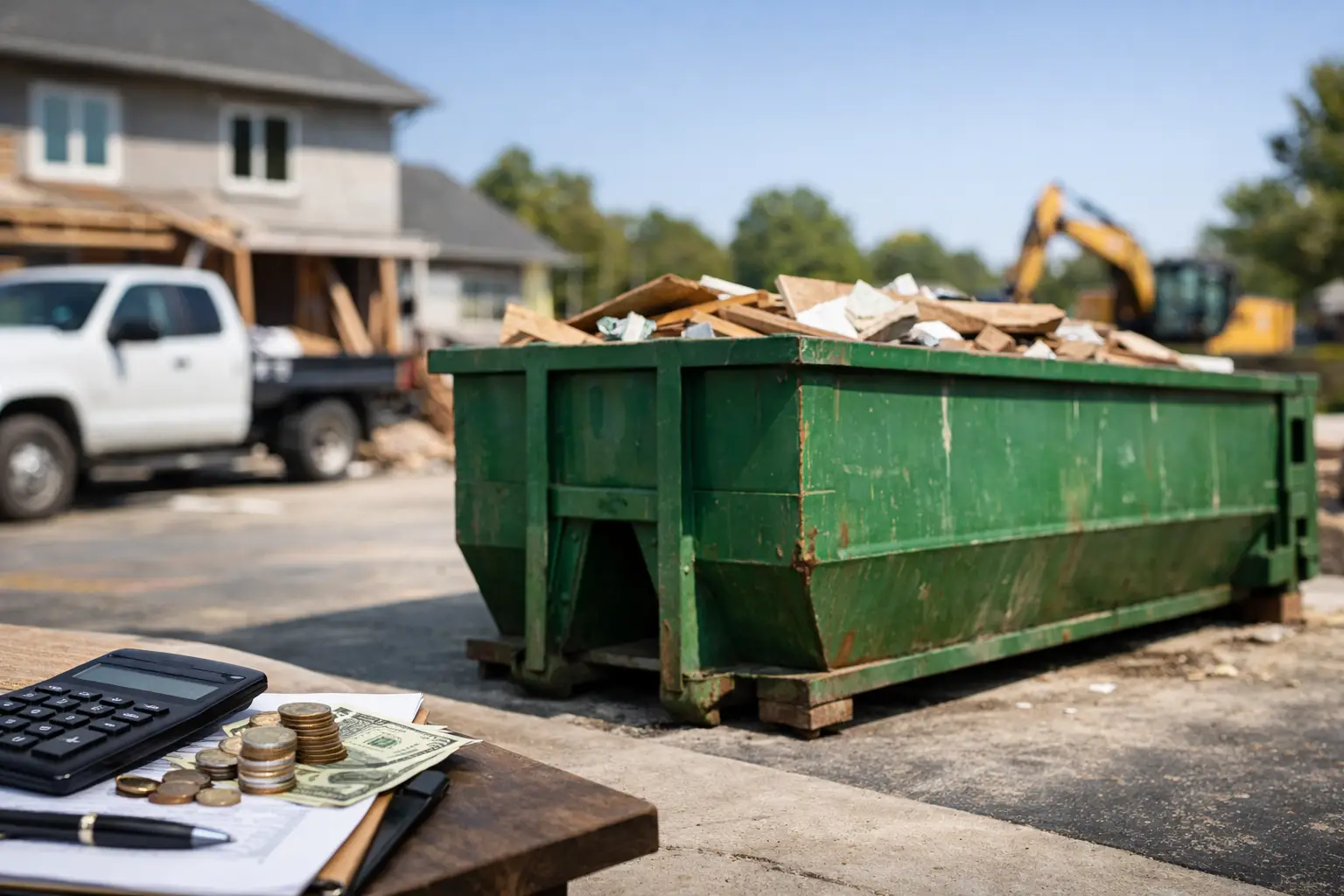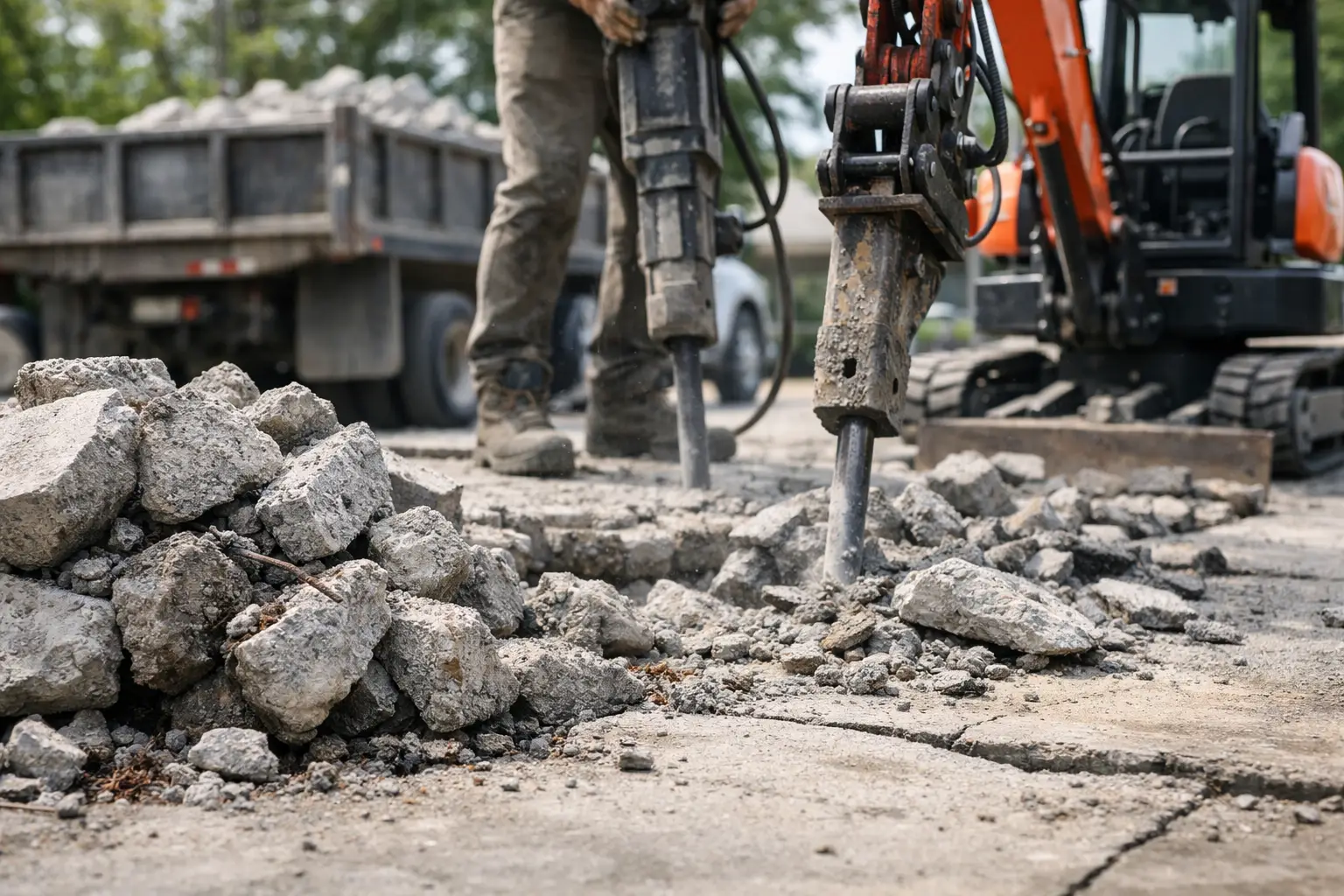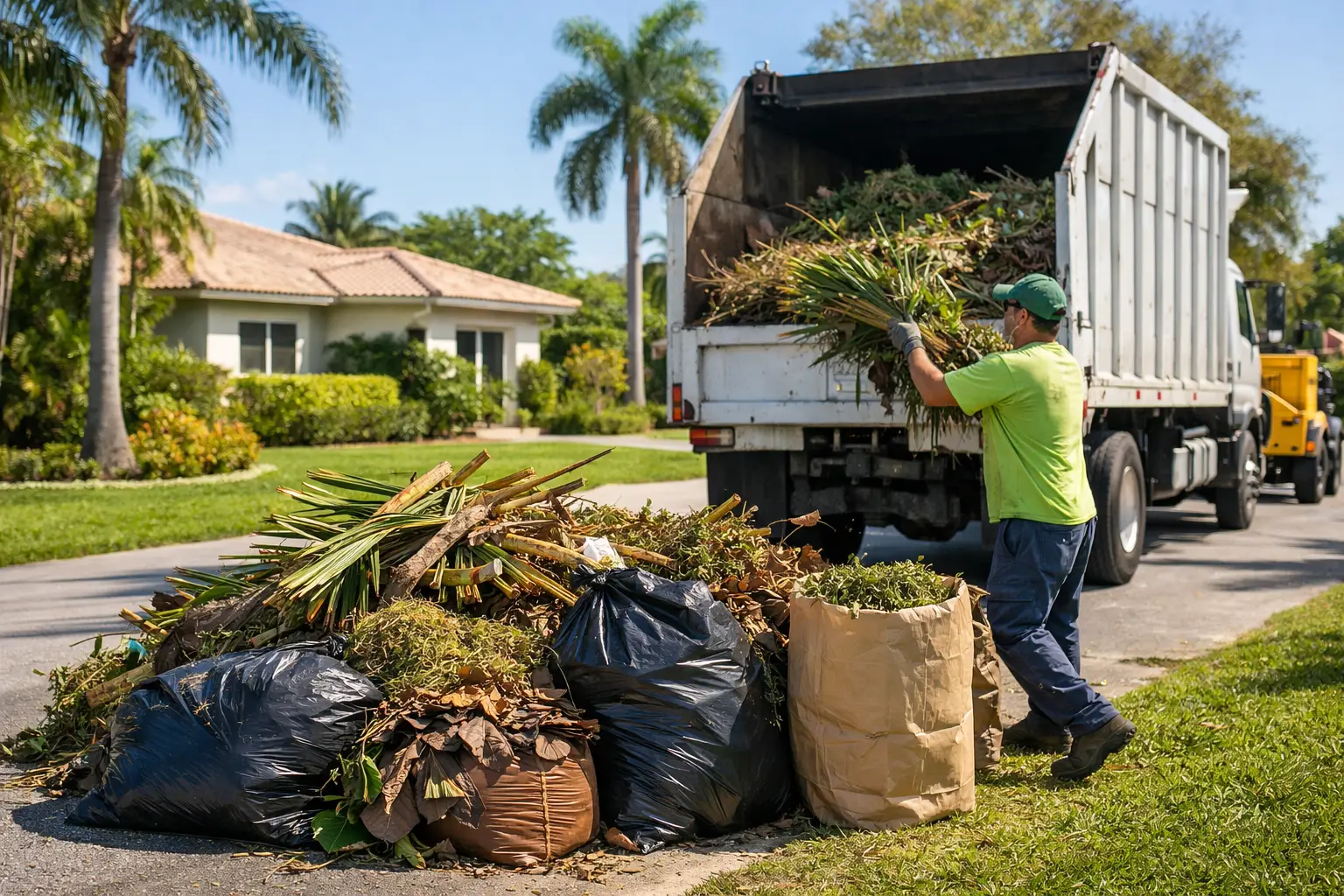
Bobcat Grading Cost: What You’ll Really Pay

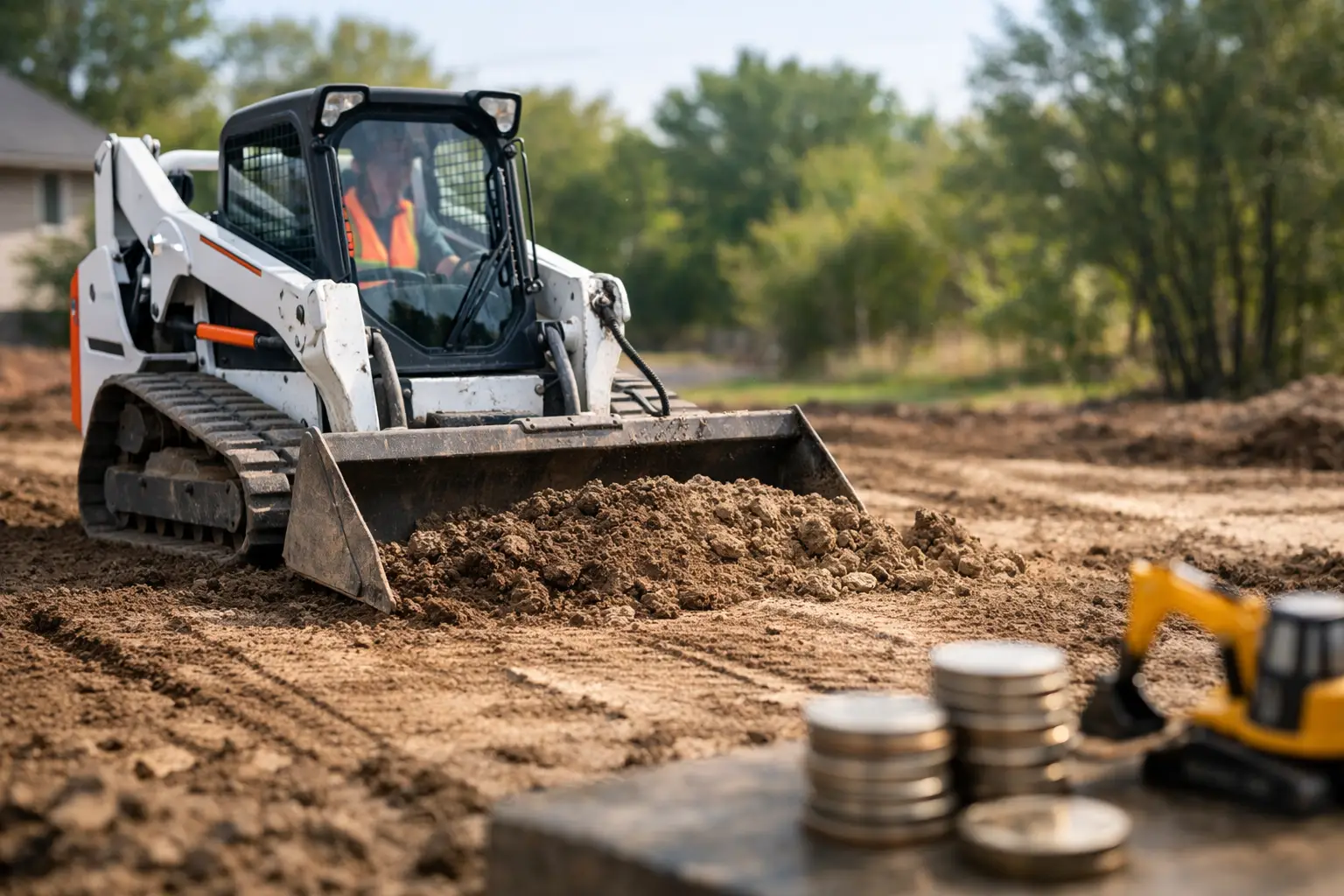
If you are pricing out site work, bobcat grading cost can look simple at first and then change fast once the machine actually gets on your property. A flat yard touch-up is one thing. A rough, uneven lot with debris, bad access, and drainage issues is something else entirely. The difference usually comes down to time, machine size, haul-off needs, and how finished you want the grade to be.

For most property owners, the real question is not just, “What does grading cost?” It is, “What kind of grading am I paying for?” A bobcat can handle a lot – spreading fill, cutting high spots, smoothing ruts, backfilling low areas, and prepping space for sod, concrete, pavers, or a driveway. But the price moves based on the scope, not just the equipment.

What affects bobcat grading cost?

The biggest factor is the amount of material that needs to be moved. If the job is mostly surface smoothing, the machine can work quickly. If the operator has to cut down raised areas, build up low sections, and reshape the whole site, labor hours go up and so does cost.

Access matters more than many customers expect. A property with a wide gate, clear work area, and room to maneuver is usually faster and cheaper to grade than one with fencing, tight side yards, parked vehicles, roots, or utility obstacles. Even a small job can turn into a slow one if the operator has to make careful passes in a cramped area.

Soil conditions also change pricing. Loose dirt and dry fill are easier to move than compacted ground, rocky soil, or wet, muddy conditions. In South Florida, weather and drainage can affect how efficiently grading gets done, especially after heavy rain. If a site is saturated, the machine may leave ruts or require extra cleanup and reshaping.

Then there is the finish level. Rough grading is usually less expensive because the goal is basic shaping and leveling. Finish grading costs more because it takes more precision. If you want a yard ready for new sod or a surface prepped for a clean final install, expect more time on the machine and more attention to detail.

Average bobcat grading cost by job type

A small residential grading job may be priced by the hour, while larger jobs are often quoted as a project rate. In many markets, bobcat grading can range from a few hundred dollars for light regrading to several thousand for larger or more complex site prep.

For example, a quick releveling job in one section of a yard may take only a couple of hours if there is no major material movement involved. On the other hand, grading around a new addition, reshaping a driveway approach, or preparing a lot for a larger project can take a full day or more. Once fill dirt, debris removal, or hauling enters the picture, the total rises.

That is why very low quotes can be misleading. A number that sounds great upfront may only cover machine time and leave out material delivery, disposal, final smoothing, or travel. A realistic estimate should reflect the full scope of the work, not just the loader showing up.

Hourly vs flat-rate pricing

Some contractors charge hourly for bobcat work, especially when the exact scope is uncertain. This approach can make sense for smaller jobs, cleanup grading, or situations where hidden issues may show up once work begins. The upside is flexibility. The downside is that customers may not know the final total until the job is done.

Flat-rate pricing is often easier for homeowners and property managers because it gives a clearer number upfront. It works best when the site can be inspected and the work is well defined. If the project includes grading plus debris removal, trailer hauling, demolition cleanup, or material delivery, bundling everything into one quote can save money and reduce scheduling headaches.

Neither model is automatically better. It depends on how predictable the site is and how complete the scope is before work starts.

What is usually included in grading cost?

A basic bobcat grading quote often includes equipment, operator labor, and standard site leveling based on the agreed scope. That may cover smoothing ground, moving soil within the property, and creating the desired slope or grade.

What is not always included is just as important. Imported fill dirt, gravel, or other material is usually separate. Hauling away excess dirt, concrete, roots, or construction debris may also be billed separately. If the area needs demolition, hand cleanup, stump removal, or compaction, those services may add to the total.

This is where working with a company that handles more than one part of the job can help. If grading leads to debris piles, broken concrete, or leftover material, having one provider manage the machine work and hauling keeps the project moving without the usual back-and-forth.

Site conditions that raise the price

The fastest way for grading costs to climb is when the site is not actually ready for grading. If there is junk, brush, old fencing, loose concrete, or renovation debris in the way, the operator cannot work efficiently. The machine either has to work around the mess or the cleanup has to happen first.

Drainage issues can also increase labor time. If water is sitting in low spots or runoff needs to be redirected, grading becomes more than just flattening the surface. The operator may need to create slope away from structures, shape swales, or build up sections carefully so the fix does not create a new problem somewhere else.

Tree roots, buried debris, and unstable fill are other common cost drivers. On older properties, it is not unusual to find hidden material below the surface once grading starts. When that happens, the original plan may need to change.

How to keep bobcat grading cost under control

The best way to avoid surprise charges is to be clear about the result you want. “Level the yard” can mean very different things from one customer to another. If your real goal is to stop water from pooling, prepare for sod, create a pad for a shed, or smooth out a driveway approach, say that upfront. The scope gets more accurate when the end use is clear.

Photos help, but site visits are better. A quick look in person can reveal access limits, slope problems, drainage concerns, and whether cleanup or extra materials will be needed. That is often the difference between a solid quote and one that changes halfway through.

It also helps to combine services when possible. If your property needs grading, debris removal, and material delivery, scheduling them together can save time and money. One crew, one timeline, and less waiting around for the next contractor to show up.

When cheaper is not better

Grading affects more than appearance. A low-quality job can leave standing water, soft spots, erosion, or uneven surfaces that create problems later. If you are putting down sod, installing pavers, pouring concrete, or just trying to keep rainwater away from the house, the grade has to be right.

That does not mean you need the most expensive quote. It means you should look at what is actually included, how the site will be handled, and whether the provider understands the purpose of the grading work. A cheaper price that skips cleanup, ignores drainage, or leaves excess material behind is not really cheaper once you pay to fix it.

For homeowners, contractors, and property managers in Dade and Broward County, speed matters – but so does getting usable results the first time. A dependable crew should be able to explain the work in plain language, point out issues before starting, and give you a realistic idea of cost based on the actual property.

So, what should you expect to pay?

A fair bobcat grading cost usually reflects four things: the size of the area, the amount of dirt being moved, how easy the site is to access, and whether the job includes cleanup or added materials. Small, straightforward jobs may stay on the lower end. Complex grading with poor access, drainage correction, or haul-off will land higher.

If you are comparing estimates, do not just compare the total. Compare the scope. Ask what finish level is included, whether material and disposal are separate, and what happens if the crew finds hidden issues once work begins. That is how you get a price you can actually trust.

Good grading should leave you with more than a smoother surface. It should make the next step easier, whether that is landscaping, construction, drainage improvement, or simply getting your property back in shape without the usual stress.

Affordable Junk Removal Without the Hassle

That old couch in the garage, the busted fence panels behind the house, the pile of renovation debris that keeps growing by the day – none of it gets easier by waiting. Affordable junk removal matters because most people are not just paying to get rid of stuff. They are paying to get their time back, avoid heavy lifting, and stop a cleanup project from dragging on for another weekend.

If you are trying to keep costs down, the cheapest option is not always the best one. Renting a truck, making multiple dump runs, buying supplies, and spending half a day loading everything yourself can look inexpensive at first. Then the landfill fees, fuel, and time start adding up. In a lot of cases, affordable junk removal means finding a service that handles the labor, hauling, and disposal in one straightforward visit for a fair price.

What affordable junk removal really means

Affordable does not mean cutting corners. It means getting solid value for the job in front of you. If a company shows up on time, gives you a clear quote, removes items safely, and leaves the area clean, that is real value. If the price is low but the service is late, unclear, or incomplete, it usually costs more in frustration than it saves in dollars.

This is especially true when the job is more than a few household items. A garage cleanout, tenant move-out, yard debris pickup, or construction debris haul can turn into a bigger project fast. What customers usually want is simple – one team, one pickup window, one price they can understand.

For homeowners and renters, the goal is often reclaiming usable space. For property managers, the priority is turnover speed. For contractors and renovators, it is keeping the site moving without letting debris pile up and slow down the next phase of work. Affordable service looks a little different in each case, but the common thread is reliability.

What affects the price of junk removal

The biggest factor is volume. A single mattress costs less to remove than a full trailer load of mixed household junk. Weight also matters, especially with materials like concrete, roofing, tile, dirt, and demolition debris. Heavy loads affect labor, hauling, and disposal fees.

The type of material can change the price too. Old furniture, appliances, yard waste, and general clutter are usually simpler than handling construction debris or tearing out built-in materials. Some items need extra care or special disposal methods. That can be worth paying for if it keeps you from making multiple trips or dealing with local disposal rules on your own.

Access is another part of the equation. Junk sitting curbside is easier to load than debris buried in a backyard, upstairs unit, or tight commercial space. Labor time matters. If a crew has to break down materials, navigate stairs, or work around an active jobsite, pricing may reflect that.

Then there is timing. Same-day or short-notice service can be a major help when you are on a deadline, but not every company can offer it consistently. When they can, it often saves money elsewhere by preventing delays in a move, renovation, or cleanup.

How to keep junk removal affordable

The easiest way to save money is to separate what actually needs to go. Many people book a pickup before sorting, then realize part of the load could have stayed, been donated, or been moved to a different area. A quick pass through the pile can reduce the volume and lower the total cost.

It also helps to group everything in one accessible spot when possible. That is not always realistic, especially with large cleanouts or heavy debris, but even partial prep can cut labor time. If the crew can get in, load up, and clear out without obstacles, the job tends to move faster.

Be honest about the scope of work when asking for pricing. If you say it is a small load and it turns out to be a full property cleanup, the quote will change. Clear photos, rough measurements, and a realistic description help you get a more accurate number from the start.

Bundling services can save money too. If you need junk hauled off after light demolition, or need a dumpster or trailer for a short cleanup before final pickup, working with one company often makes more sense than coordinating several providers. That convenience is not just about ease. It can reduce delays, duplicate fees, and scheduling problems.

When full-service junk removal is the better deal

There are times when doing it yourself makes sense. If you have a pickup truck, a light load, and a free afternoon, a dump run may be enough. But once the job involves bulky furniture, renovation debris, multiple rooms, or anything heavy and awkward, full-service removal often becomes the better deal.

That is because you are not just paying for transportation. You are paying for labor, loading, cleanup, disposal, and speed. You also avoid the wear on your vehicle, the cost of equipment, and the risk of injury from moving oversized items without help.

This matters even more for landlords, business owners, and contractors. Downtime costs money. A cluttered property delays showings. A debris-filled site slows trades down. A back office packed with old fixtures or equipment takes up useful space. In these situations, affordable junk removal is less about the lowest invoice and more about keeping the bigger job on track.

Affordable junk removal for homes and projects

Residential jobs and project-based jobs are not priced or handled the same way, and that is where a lot of customers get confused. A simple household pickup is usually about volume and access. A project cleanup can involve heavier material, repeated service, or equipment support.

If you are cleaning out a house, apartment, storage area, or yard, you want a crew that can load quickly and leave the place looking better than they found it. If you are dealing with a remodel, demolition debris, or site prep, you may need more than a one-time haul. You may need trailer delivery, material movement, or bobcat support along with final removal.

That is why it helps to work with a company that understands both sides of the job. A&D Junk Removal LLC is built around that kind of convenience – not just hauling away unwanted items, but helping customers handle the cleanup, debris, and project support work without juggling multiple companies.

What to look for before you book

Start with pricing clarity. You should know whether the quote is based on load size, labor, material type, or a combination of those factors. Hidden fees are what make a service feel expensive after the fact.

Next, look at responsiveness. If it takes too long to get a reply before the job is booked, that usually does not improve later. Quick communication matters when you are trying to clean up after a move, finish a project, or get a property ready.

Professionalism counts too. A good crew should show up ready to work, handle your property carefully, and clean up after loading. That should be standard, not a bonus. Reviews often tell the story here. Repeated comments about punctuality, fair pricing, and respectful service usually mean the company is consistent.

Finally, think about flexibility. Not every customer needs the same thing. Some need one bulky item gone. Others need recurring project cleanup or help with demolition debris and material delivery. A company that can adjust to the job saves you from piecing the solution together yourself.

The cheapest quote is not always the lowest cost

A low number can be appealing, especially when the clutter has already become a source of stress. But if the service is unreliable, if the crew cannot handle the material, or if the final bill changes once the truck is loaded, that cheap quote stops looking affordable pretty quickly.

A fair price backed by real service usually wins. That means clear communication, no-hassle scheduling, proper equipment, and a team that can handle the work without turning your cleanup into another problem to manage.

For customers in Dade County and Broward County, that can make a real difference. Fast scheduling, dependable arrival, and one company that can handle junk removal along with related project needs is often what keeps a cleanup from turning into a long, expensive distraction.

The best affordable junk removal is the kind that solves the problem in one shot, leaves the area clean, and lets you move on with your day.

Yard Waste Removal Without the Headache

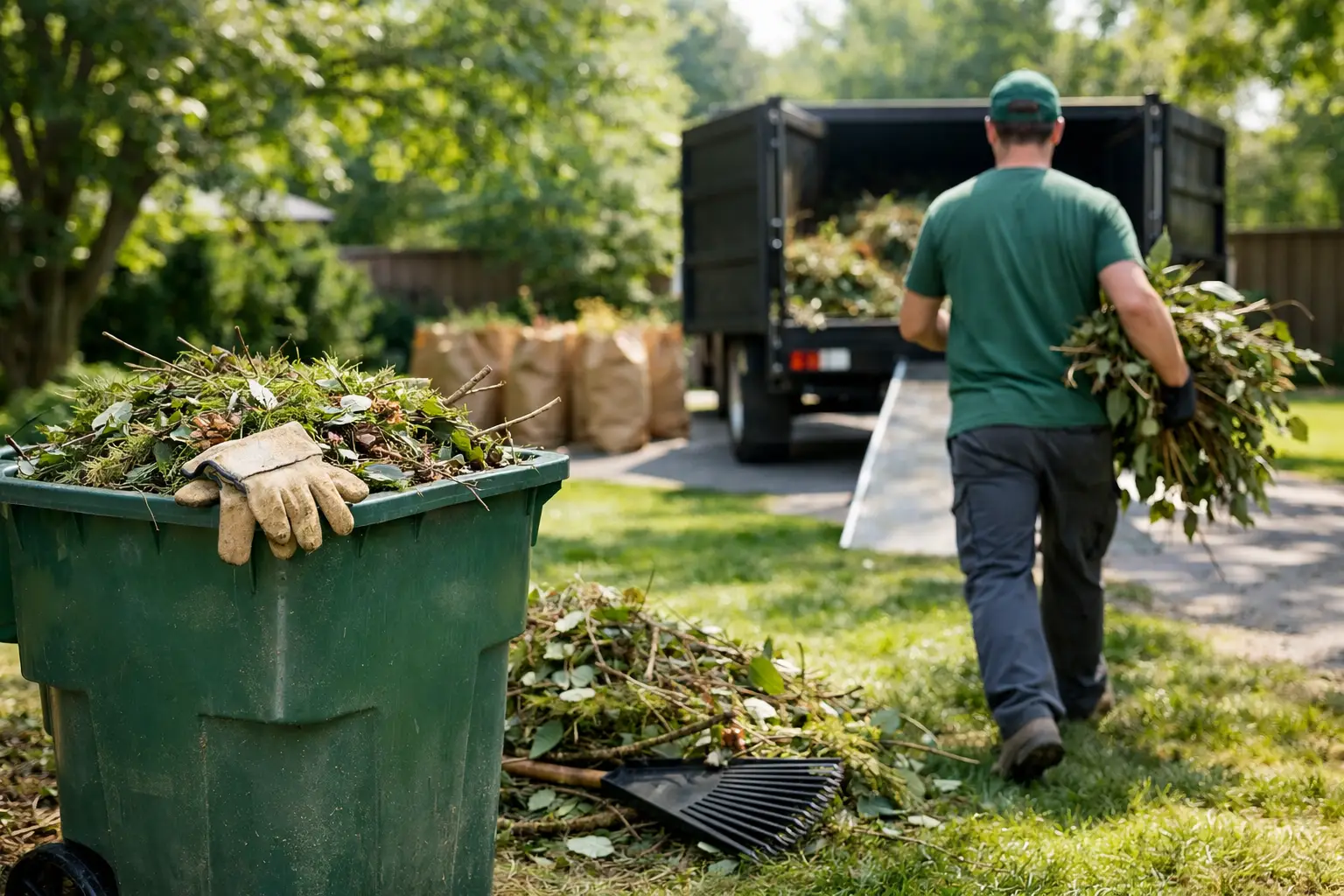
A weekend yard cleanup can get out of hand fast. What starts with a few trimmed branches and pulled weeds can turn into piles of palm fronds, broken fencing, soggy leaves, and heavy bags that sit by the curb longer than you expected. Yard waste removal sounds simple until you are the one figuring out how to lift it, load it, and get it out of the way.

For homeowners, landlords, and property managers, the real problem usually is not cutting or clearing. It is what happens after. Once the debris is on the ground, you need space, time, and a way to dispose of it properly. That is where having a clear plan matters.

What yard waste removal usually includes

Most people think of yard waste as grass clippings and leaves, but the category is often much bigger. After a cleanup, storm, or landscaping project, you may be dealing with tree limbs, hedge trimmings, brush, weeds, mulch, rotted wood, and old outdoor materials mixed into the pile.

That last part is where jobs get more complicated. A stack of branches is one thing. A mixed pile with dirt, planters, old pavers, fencing, or a broken shed is another. Some debris can be bagged and left for municipal pickup, but some cannot. Weight, size, and volume all change the job.

In South Florida, yard cleanup often brings its own challenges. Palm fronds are bulky, branches can be awkward to stack, and fast-growing vegetation can build up before you realize how much space it is taking. After heavy rain or a storm, debris also gets heavier and harder to move.

When curbside pickup is enough

Sometimes you do not need a full-service crew. If your cleanup is light, your local pickup schedule is coming soon, and the debris fits the city or county guidelines, curbside may be the easiest option.

That usually works best for smaller amounts of bagged leaves, trimmed plants, and neatly bundled branches cut to the required size. If you already have the tools, time, and vehicle access to get everything organized, doing it yourself can save money.

The catch is that curbside rules are often stricter than people expect. There may be limits on bag count, branch length, pile placement, or pickup days. If the material is mixed with trash, construction debris, or dirt, it may be left behind. Then the pile stays there, and the job is still not finished.

When professional yard waste removal makes more sense

The tipping point is usually volume. Once the debris takes up a big section of the driveway, blocks access, or starts becoming a neighborhood eyesore, it makes sense to bring in help.

Professional yard waste removal is often the better choice when the load is too heavy for regular trash service, when the debris includes large branches or storm cleanup, or when you simply do not want to spend your day hauling and dumping. It also helps when the cleanup is part of a bigger project, like a property turnover, fence replacement, demolition job, or exterior renovation.

Speed matters too. If you are getting ready for a home sale, tenant move-in, inspection, or landscaping install, waiting around for multiple pickup cycles can slow everything down. A full-service removal team can clear the pile in one visit and get the property back to usable condition quickly.

The hidden work behind a yard cleanup

A lot of people underestimate yard debris because it looks lighter than it is. But once you start lifting wet branches, dragging root bundles, or loading trailer after trailer, the work adds up fast.

There is also the issue of cleanup after the cleanup. Loose leaves scatter. Dirt falls into the driveway. Sharp sticks and splintered wood get left behind. If you are managing a rental property or commercial space, that unfinished look can be almost as frustrating as the original pile.

This is one reason full-service hauling appeals to busy customers. It is not only about taking debris away. It is about clearing the mess, loading it safely, and leaving the area in better shape than it was before.

Yard waste removal for larger property projects

Yard debris is not always a standalone job. It often shows up in the middle of something bigger.

Maybe you are cleaning out a backyard before installing pavers. Maybe a tenant left overgrown landscaping and scattered outdoor junk behind. Maybe a demolition project created a mix of green waste and other debris that cannot sit on-site for long. In these cases, hauling is part of keeping the whole job moving.

That is where it helps to work with a company that handles more than one type of service. If a property needs debris removal, dumpster support, light demolition, or material delivery, having one reliable crew coordinate the work is a lot easier than lining up multiple vendors. It saves time, cuts down on back-and-forth, and keeps the project simpler.

How to decide between hauling, a dumpster, or both

Not every yard waste job should be handled the same way. If the debris is already piled up and ready to go, direct hauling is usually the fastest route. A crew can show up, load it, and clear the space without leaving equipment on-site.

If the cleanup will take several days, a trailer or dumpster rental may be more practical. That gives you time to work through trimming, tearing out landscaping, or clearing a property in stages. Once you are done, the container gets hauled away.

Some jobs need both. A property owner might use a dumpster during the project, then schedule a final load-out for the leftover pile that did not fit or was too awkward to manage alone. The right option depends on timing, labor, space, and how much debris you expect to generate.

What to ask before booking yard waste removal

A good removal service should make the process feel simple, not confusing. Before you book, it helps to know whether the company handles loose debris, bagged debris, large branches, and mixed loads. You also want to know how pricing works and whether cleanup is included.

Responsiveness matters more than people think. If you need the job done quickly, waiting days for a callback is a problem. Clear scheduling, honest pricing, and a team that actually shows up when promised go a long way.

If the job is tied to a larger cleanup or site project, ask about that too. A company like A&D Junk Removal LLC is especially useful when the yard waste is only one part of the bigger picture and you need dependable help getting the property cleared without juggling multiple crews.

Why local service matters

Yard debris removal is one of those services where local knowledge helps. Pickup rules vary, disposal options vary, and weather can change the urgency of the job overnight.

In Dade and Broward counties, for example, storm season and fast plant growth can create cleanup needs with little warning. A local crew understands that some jobs cannot wait a week. They also know the kind of debris that is common in the area and how to handle it efficiently.

That local responsiveness is valuable whether you are a homeowner trying to reclaim your yard, a contractor trying to keep a job site clean, or a property manager trying to get a unit ready fast.

The best yard waste removal plan is the one that saves you time

There is no single right way to handle every cleanup. A few bags of leaves do not need the same solution as a full backyard clearing or post-storm debris pile. Sometimes DIY makes sense. Sometimes a trailer rental is the better fit. And sometimes the smartest move is to have a crew come in, load everything, and get it gone in one shot.

The common thread is convenience. If yard waste is taking up your time, your driveway, or your attention longer than it should, it is already costing you more than you think. Getting rid of it should not turn into a second project.

A clean yard changes how a property feels. It gives you space to work, room to relax, and one less thing hanging over your weekend. If the pile is growing and the job keeps getting pushed off, the best next step is usually the simplest one – get help, clear it out, and move on.

How Much Does Bobcat Work Cost?

A quick driveway grading job can take an hour. A backyard cleanup with tight access, heavy debris, and multiple material moves can take half a day or more. That is why when people ask how much does bobcat work cost, the honest answer is: it depends on the job, the site, and how much needs to get done.

Most customers are not just paying for a machine to show up. They are paying for the operator, travel, fuel, time on site, and the skill to get the work done safely and efficiently. If the work includes hauling debris, loading trailers, spreading gravel, clearing brush, or moving dirt, those details all affect the final price.

How much does bobcat work cost for most jobs?

For smaller residential jobs, bobcat work often starts with a minimum service charge. That is common because even a short visit still includes loading the machine, transporting it, unloading it, and getting set up on site. In many markets, a simple bobcat job may fall somewhere around a few hundred dollars for a short visit, while larger or more involved projects can run much higher.

A light job like moving a pile of mulch, spreading gravel in a compact area, or clearing loose debris may cost less than a site cut, demolition cleanup, or major land clearing project. If a customer needs several hours of machine time, the total price usually reflects both hourly work and the size of the project.

In practical terms, many bobcat jobs are priced one of two ways: by the hour with a minimum, or by the project. Hourly pricing can make sense when the scope is not fully clear. Flat project pricing tends to work better when the job is easy to define, like grading a small lot section or removing a known amount of material.

What changes the price of bobcat work?

The biggest price factor is the type of work. Bobcat services cover a lot of ground, and not all machine work is equal. Spreading fill dirt is usually more straightforward than tearing out concrete, loading mixed construction debris, or cutting and leveling uneven ground.

Site access matters more than many people expect. If the machine can get in easily and has room to turn, work moves faster. If access is tight, fenced in, muddy, blocked by landscaping, or limited by overhead lines, the operator has to work slower and more carefully. That adds time.

Material also changes cost. Loose dirt, gravel, sand, and mulch are different from broken concrete, stumps, dense brush, or demolition debris. Heavier and more difficult material means slower loading, more wear on equipment, and sometimes extra hauling needs.

Travel and equipment transport can also be part of the price. Bobcats do not drive down the road to your property. They have to be trailered in. If your site is farther away or the job requires special scheduling, you may see that reflected in the estimate.

Then there is job complexity. A flat, open lot is one thing. A property with slopes, soft ground, hidden obstacles, underground utilities, or cleanup scattered across different areas is another. The more conditions that slow the job down, the more the cost can change.

Common bobcat jobs and what you are really paying for

Homeowners often hire bobcat services for yard leveling, driveway prep, dirt spreading, gravel placement, brush removal, and cleanup after landscaping or renovation work. Property managers may need lot cleanup, storm debris handling, or fast site preparation between tenants. Contractors often use bobcat work for loading debris, moving materials, and keeping a project moving without tying up their own crew.

In each case, the machine is only part of the value. What customers really want is faster work, less manual labor, and a cleaner site when the job is done. A bobcat can turn a full day of hand work into a much shorter service call.

That matters when you are dealing with concrete chunks, piles of dirt, torn-out fencing, roofing debris, or palletized materials that need to be moved quickly. Paying for bobcat work often saves money on labor hours, delays, and repeated trips trying to handle the job by hand.

Hourly vs flat-rate bobcat pricing

If you are comparing quotes, ask whether the price is hourly or flat rate. Hourly pricing may look lower at first, but the final bill depends on how long the work takes. That can be fair when the site conditions are unknown or when the customer may add tasks once the operator arrives.

Flat-rate pricing gives more certainty. If the scope is clear, many customers prefer one number up front so they can budget with confidence. This works well for straightforward grading, material spreading, or debris loading where the amount of work is easy to estimate.

Neither option is automatically better. Hourly pricing can be the right fit for open-ended cleanup. Flat-rate pricing can be better for planned site work. The key is making sure the estimate is based on the actual conditions, not just a rough guess over the phone.

How to get an accurate answer to how much does bobcat work cost

The fastest way to get a useful estimate is to share clear details. Photos help. Measurements help even more. If you know the size of the area, the type of material involved, and whether hauling is needed, pricing gets much more accurate.

It also helps to explain the goal, not just the tool. Saying you need a bobcat is a start, but saying you need to level a side yard, remove a dirt pile, spread three yards of gravel, or load demolition debris into a trailer gives much better information. A good service provider can then recommend the right approach and price the job correctly.

If the project is in Miami, Dade County, or Broward County, local conditions can matter too. Soft ground after rain, narrow residential access, and tight urban properties can all affect how quickly machine work gets done.

Watch for extra costs before you book

The lowest quote is not always the lowest final bill. Some bobcat jobs involve separate charges for hauling, disposal, extra labor, waiting time, or additional materials. If debris has to be removed from the property, that is usually a different cost than simply moving it from one spot to another.

Ask whether the estimate includes transport, operator time, fuel, and cleanup. If you need fill dirt, gravel, or other material delivered and spread, confirm whether that material is included or priced separately. If there is demolition debris, mixed waste, or heavy concrete involved, disposal fees may apply.

This is where working with a service company that handles both machine work and cleanup can make life easier. If one team can move material, load debris, haul it away, and leave the area clean, the whole project tends to go smoother.

When bobcat work is worth the money

If the job is small enough to handle with a shovel and wheelbarrow in an hour, renting machine time may not make sense. But that is not most projects people call about. Once there is serious weight, repeated trips, tough access, or a deadline involved, bobcat work starts paying for itself.

It is especially worth it when speed matters. A property cleanup before listing, site prep before concrete or pavers, post-demo debris removal, or moving large amounts of gravel and dirt are all jobs where delays cost more than the machine service.

Customers also underestimate the physical strain and mess. Manual cleanup sounds cheaper until it turns into two weekends of work, a rented truck, disposal problems, and a half-finished yard. A dependable crew with the right equipment can knock that out much faster.

The smartest way to compare bobcat quotes

Do not compare price alone. Compare scope. One quote may include machine time only, while another includes the operator, hauling, cleanup, and disposal. One company may budget for the real site conditions, while another gives a low number that grows once the work starts.

Look for clear communication, realistic scheduling, and straightforward pricing. That matters as much as the hourly number. If a company is responsive, explains what is included, and shows up ready to work, that reliability has real value.

A&D Junk Removal LLC sees this all the time with cleanup and site support jobs. Customers usually want more than equipment – they want the work handled without delays, confusion, or a mess left behind.

The real answer to how much does bobcat work cost is not a one-size-fits-all number. It is the price of getting your site cleared, leveled, loaded, or cleaned up the right way. If you can give a few solid details up front, you can usually get a fair quote and avoid surprises later. That makes the whole job easier from the start.

Hoarder Cleanup Services Broward: What to Expect

When a home has reached the point where rooms are blocked, trash has built up, or basic cleaning is no longer enough, the job changes completely. That is where hoarder cleanup services Broward families and property owners look for can make a real difference. This is not a standard junk pickup. It is a hands-on cleanup process that often involves sorting, hauling, sanitation concerns, and a lot of care around a stressful situation.

For many people, the hardest part is not the cleanup itself. It is making the call. Whether you are helping a parent, dealing with a tenant situation, preparing a property for sale, or trying to reclaim your own space, the first question is usually the same: what happens next?

What hoarder cleanup services in Broward actually include

A true hoarder cleanup job usually goes beyond removing a few bulky items. In many cases, there are packed rooms, damaged furniture, spoiled materials, old appliances, broken household items, and piles of mixed debris that need to be handled in stages.

Most projects start with a walk-through or a clear description of the property. That helps determine how much labor is involved, what type of hauling equipment is needed, and whether there are any safety concerns. Some homes need basic junk removal and bagged trash pickup. Others may involve heavy lifting, tight access, odors, pest-related debris, or areas that have not been usable for a long time.

A dependable cleanup crew should be ready to sort what stays from what goes, remove unwanted items efficiently, and load everything without turning the property into a bigger mess. In some situations, customers also need help with yard debris, shed cleanout, garage overflow, or removing damaged materials after the main clutter is gone.

Why these jobs need a different kind of cleanup team

Hoarding situations are rarely simple. Some are emotional. Some are urgent. Some involve landlords, family members, code issues, or move-out deadlines. That is why speed matters, but so does the way the crew handles the job.

A regular trash service may not touch oversized debris, furniture, mattresses, or mixed household junk. A basic cleaning company may not be set up for hauling out tons of material. What usually works better is a team that can do the labor, load the debris, and remove it in one go.

That is also where convenience matters. If a company can provide hauling, cleanup labor, and debris removal without sending you to coordinate three different vendors, the process gets easier fast. For customers already dealing with stress, that matters more than people think.

What to expect during the cleanup process

The first stage is usually assessment. That means figuring out the volume of material, access points, and whether anything needs special handling. If the property has narrow hallways, upstairs rooms, or blocked exits, the crew may need extra time and manpower.

The next stage is removal. This is where the real physical work happens. Teams typically clear pathways first, then move room by room. Large items often come out after loose debris is bagged and loaded. If the job includes furniture, broken shelving, old mattresses, boxes, appliances, or general trash, the order matters. Good crews work in a way that keeps the site safer and more manageable as the job moves along.

After the bulk of the material is removed, some customers stop there. Others need additional help, especially if the property is being prepared for repairs, listing, inspection, or turnover. In those cases, it helps to work with a company that understands cleanup as part of a bigger property project, not just a single pickup.

Hoarder cleanup services Broward property owners often need fast

Timing can change everything. A homeowner might be trying to make a house livable again. A family may need to clear a relative’s home quickly. A property manager may be facing a short vacancy window before repairs begin. In those cases, waiting a week for callbacks and scheduling can create bigger problems.

Fast response does not mean rushed work. It means showing up, giving a clear plan, and getting the job moving. That is especially valuable when clutter has turned into a safety issue or when the property needs to be emptied before the next step can happen.

This is one reason local service matters. A responsive crew that knows the area and can handle removal, labor, and disposal without delay is often the difference between a cleanup dragging out and getting resolved.

What affects the price of a hoarder cleanup job

Most customers want a price right away, which makes sense, but these jobs vary a lot. A single packed garage is different from a whole-house cleanup. A first-floor property with easy access is different from an upstairs unit with limited parking and heavy contents.

Volume is one factor. Labor is another. The amount of time needed for sorting, bagging, lifting, loading, and hauling can shift the cost more than people expect. Certain items may also affect pricing, especially if the job includes large furniture, appliances, construction debris, or dense loads that take up more trailer or truck capacity.

The cheapest quote is not always the best one. If a company is unclear about labor, disposal, timing, or what is included, the final bill can become a problem. A solid estimate should explain the scope clearly and give you a realistic picture of what the crew will handle.

How to choose the right company for the job

If you are comparing hoarder cleanup services in Broward, look for plain communication first. You should be able to describe the property, ask questions, and get a direct answer about what the company can and cannot do.

It also helps to choose a crew that is used to labor-heavy cleanup, not just curbside pickup. These jobs often involve lifting, repeated trips through the property, and careful removal in tight or damaged spaces. Experience shows in how the work is planned.

Reliability matters just as much as price. When a company says it can show up quickly, provide fair pricing, and get the debris out without making the customer manage every detail, that is a real value. A&D Junk Removal LLC fits that approach by keeping the process simple and focused on getting difficult cleanup work done without added hassle.

When cleanup leads to bigger property work

Sometimes the clutter is only the first layer of the problem. Once a property is cleared out, you may find damaged flooring, broken cabinets, ruined drywall, old sheds, or exterior junk that still needs to go. That is why many customers prefer working with a company that can help beyond the first cleanup day.

If the property needs demolition of small structures, material delivery for repairs, or debris support during renovation, having one dependable team handle multiple parts of the job saves time. Not every cleanup company is built for that. For landlords, homeowners, and contractors, that flexibility can be a major advantage.

A practical way to prepare before the crew arrives

You do not need to perfectly organize the property before asking for help. In fact, most people call because the job is already beyond that stage. Still, if you can identify anything that absolutely must stay, that helps avoid confusion once removal starts.

Important papers, photos, medications, cash, keys, and personal keepsakes should be pulled out if possible. If that is not realistic, tell the crew ahead of time which rooms or categories need extra care. A good team will want that information early so the work goes smoother.

It also helps to be honest about the condition of the property. If there are odors, leaks, broken stairs, animal waste, or blocked entrances, mention it. That does not scare off a professional crew. It helps them show up prepared.

The real goal is getting the property usable again

People often think of hoarder cleanup as a junk problem, but usually it is a space problem, a safety problem, or a life interruption that has gone too far. The point is not just to remove items. It is to make the property workable again.

That may mean opening up a garage so a homeowner can park inside. It may mean clearing a house so a family can begin repairs. It may mean helping a landlord turn over a unit without weeks of delay. The best cleanup work gives people a clear next step instead of leaving them with one more half-finished mess.

If you are facing a difficult property situation, start with the part that matters most: getting experienced help on site and getting a clear plan. Once the first load is gone, the whole job usually feels a lot more manageable.

Dumpster Rental Cost: What You’ll Really Pay

That low advertised price for a dumpster can look great – right up until extra weight, extra days, or the wrong type of debris push the total higher. If you are trying to plan a cleanup, renovation, roofing job, or property turnover, understanding dumpster rental cost upfront can save you money and a lot of frustration.

The truth is that dumpster pricing is rarely just one flat number. What you pay depends on the size you need, how long you keep it, what you load into it, and how heavy the debris is when it gets hauled away. For homeowners, contractors, and property managers, the best pricing usually comes from knowing the job before the dumpster arrives.

What affects dumpster rental cost?

The biggest factor is dumpster size. A smaller dumpster or dump trailer usually costs less than a larger one because it takes up less room, handles a lighter load, and is often used for shorter, simpler jobs. If you are cleaning out a garage, removing yard debris, or doing a small bathroom remodel, you may not need the same container size as someone tearing out a roof or gutting a full kitchen.

Weight matters just as much as size. Light debris like household junk, cardboard, and small furniture pieces may stay within the included weight limit. Heavy materials like concrete, dirt, tile, shingles, and drywall can change the price fast. A container that looks only half full can still be overweight if the material is dense.

Rental length also affects the final number. Some jobs are truly quick – a weekend cleanout, a one-day demo, or a short tenant turnover. Others drag on because of weather, labor delays, or change orders. If your rental includes a set number of days, keeping it longer can add daily or weekly fees.

Disposal type is another piece people miss. Mixed household junk is priced differently than clean construction debris, yard waste, or heavy fill. Some items may carry added disposal charges because they require special handling. Mattresses, tires, paint, appliances, electronics, and hazardous materials often fall into that category.

Typical dumpster rental cost ranges

In most cases, dumpster rental cost falls into a range rather than one fixed price. For a small residential cleanup, you might see pricing on the lower end. For large renovation debris, roofing tear-offs, or heavier loads, the price climbs because hauling and dumping costs climb too.

A basic rental usually includes delivery, pickup, disposal up to a certain weight limit, and a set rental window. That sounds simple, but every company structures it a little differently. One provider may quote a lower starting rate but charge more later for overages. Another may offer a slightly higher upfront number that already includes more weight and time.

That is why the cheapest quote is not always the best value. A fair quote is one that clearly explains what is included, what is not, and what happens if your project changes.

Why prices change from one job to another

A whole-house cleanout does not price the same as a roofing job, even if the dumpster size is similar. Roofing debris is heavier, and renovation debris can include materials that cost more to process. A retail space cleanup may be lighter but require faster turnaround. A foreclosure or eviction cleanout may involve mixed waste, furniture, bulky items, and a tighter deadline.

Access can also affect cost. If the drop-off area is tight, uneven, blocked, or difficult to reach, it may require more time and care for delivery and pickup. In busy areas, scheduling and placement can be more complicated than a simple driveway drop.

In South Florida, weather can also play a role. Rain adds weight to open dumpsters, especially when debris sits for several days. That can matter if your load is already near the included limit.

Common fees that catch people off guard

The most common surprise is overage fees. If the rental includes a weight allowance and your debris goes over it, you will usually pay by the ton or a portion of a ton. This is especially common with heavy remodeling debris.

Another issue is prohibited items. If restricted materials end up in the dumpster, the load may be rejected or charged at a higher disposal rate. That turns a simple cleanup into a more expensive one.

Extra rental days are another easy add-on. People often assume they can keep the dumpster until they are done, but most rentals have a time limit. If your job might run long, ask about extension pricing before you book.

There can also be trip fees if the driver cannot safely deliver or remove the container because of blocked access. Cars in the driveway, low tree branches, locked gates, or overloaded dumpsters can all create problems.

How to keep dumpster rental cost under control

The best way to control cost is to match the container to the job. Renting too small can force a second haul. Renting too large can mean paying for space you never use. If you are not sure, give a clear description of the material, the scope of the project, and the timeline. A good local provider should help you choose the right size instead of just upselling the biggest option.

It also helps to separate heavy debris from lighter junk. Mixing everything together may seem easier, but it can drive the price up if the load becomes too heavy. For example, concrete, dirt, and roofing shingles are usually better handled differently than household clutter.

Load the dumpster evenly and do not overfill it. If debris sticks up above the top edge, the container may not be safe to haul. That can delay pickup and lead to extra handling charges.

Most important, ask direct questions before booking. Ask what weight is included, how long the rental lasts, what materials are not allowed, and how overages are billed. Clear answers now are better than surprises later.

Is a dumpster rental cheaper than junk removal?

Sometimes yes, sometimes no. It depends on the job.

Dumpster rental is often the better fit when you want time to load at your own pace, especially for remodels, ongoing cleanouts, landscaping work, and construction debris. It gives you flexibility and keeps debris contained on-site while the project is happening.

Junk removal can be more cost-effective for smaller jobs or situations where you do not want to do the lifting yourself. If you have a pile ready to go, a crew can often remove it faster than renting a container and filling it on your own. It is also useful when space is limited and a dumpster is not practical.

For some customers, the right answer is based less on price and more on convenience. If your time is tight, labor is limited, or the cleanup is physically demanding, full-service removal may be worth it. If you are managing a project over several days, a rental is usually the more practical option.

When local service makes a difference

Dumpster pricing is not just about the container. It is also about communication, scheduling, and whether the company actually shows up when promised. For customers in Dade and Broward counties, responsive local service can matter just as much as the rate itself, especially when a contractor is waiting, a tenant is moving out, or debris is holding up the next phase of work.

That is where working with a straightforward local team can help. A&D Junk Removal LLC serves customers who need fast turnaround, fair pricing, and a no-hassle process, whether the job is a home cleanout, renovation, or site cleanup.

How to get an accurate quote

A good quote starts with a real description of the job. Say what kind of debris you have, how much of it there is, whether it is heavy or mixed, and how long you expect to need the container. If access is tight or the property has special placement issues, mention that early.

Photos can help, especially for larger or unusual projects. They give the provider a better sense of volume and material type, which leads to better sizing and fewer pricing mistakes.

If you are comparing quotes, make sure you are comparing the same thing. Look at included weight, rental length, delivery and pickup, and any listed fees. A lower number only helps if it stays lower by the time the job is done.

The right dumpster rental should make your project easier, not leave you sorting through hidden charges after the fact. If the pricing is clear, the sizing is right, and the pickup happens on time, you can focus on getting the job done and moving on.

Concrete Removal Cost: What You’ll Pay

That old patio, broken driveway section, or leftover slab usually looks simple until it is time to get it out. Concrete removal cost can change fast based on how thick the slab is, how easy it is to reach, and whether the job is just demolition or full haul-away too.

If you are planning a renovation, cleaning up after a project, or trying to reclaim space, it helps to know what you are actually paying for. Concrete is heavy, messy, and labor-intensive. The price is not just about breaking it up. It is also about loading it, transporting it, and disposing of it properly.

What affects concrete removal cost?

The biggest factor is volume. A small cracked walkway costs far less to remove than a full driveway because there is less material to break, load, and haul. Thickness matters just as much. A four-inch patio slab is a very different job from a reinforced six-inch driveway or commercial pad.

Access also changes the number quickly. If the crew can back a trailer or truck right up to the concrete, the job moves faster and costs less. If the material has to be wheeled out from a backyard, carried through a gate, or removed in a tight area, labor goes up.

Reinforcement is another common price changer. Concrete with rebar or wire mesh takes more time and more effort to cut apart safely. That can add both labor and equipment time. The same goes for concrete that is tied into footings, curbs, or other structures.

Then there is disposal. Concrete is not like regular household junk. It is extremely heavy, and dump fees are often based on weight. In some cases, clean concrete can be taken to recycling facilities, which may help control cost. In other cases, mixed debris, dirt, or contamination can push disposal fees higher.

Typical price ranges for concrete removal cost

For many residential jobs, concrete removal cost often falls somewhere between a few hundred dollars for a small section and several thousand for a large slab or driveway. A short walkway or tiny patio may be priced as a minimum service call if the crew can finish it quickly. A full driveway, pool deck, or backyard slab usually lands much higher because of labor, equipment, and disposal weight.

Some companies price by square foot. Others price by the truckload, by the estimated weight, or as a full project rate after seeing the site. All of those methods can be reasonable, but they measure different things. A square-foot estimate may sound low until you realize the slab is thicker than expected or reinforced underneath. A truckload price may sound simple, but the total depends on how many loads the concrete actually creates.

That is why onsite estimates tend to be more accurate than phone guesses. Concrete has a way of hiding the hard part until the work starts.

Why small jobs can still cost more than expected

Homeowners are often surprised when a small concrete removal job does not come with a small price tag. The reason is simple. Even a modest slab still requires specialized labor, tools, safety gear, loading time, transportation, and disposal.

There is also setup time. Crews have to arrive, protect nearby surfaces if needed, break the slab, stage the debris, and clean up after. Whether the pile fills half a trailer or a full one, there is still a baseline cost to doing the work right.

This is especially true when the concrete is in a fenced backyard, near landscaping, or next to structures that need to be protected. The job may be physically small but logistically slow.

Demolition only vs. full-service removal

When comparing quotes, make sure you know what is included. Some pricing covers demolition only, which means the slab gets broken up and left on site for the customer to handle. Other pricing includes full-service removal, which covers demolition, loading, haul-away, and disposal.

That difference matters. Full-service pricing is higher upfront, but it saves you from renting equipment, arranging a dumpster, loading heavy debris yourself, and making multiple disposal trips. For most property owners, that convenience is worth it, especially when the concrete is heavy enough to turn a simple cleanup into a full weekend job.

If you are already doing a larger renovation, bundling services can also make sense. A company that handles demolition, debris hauling, dumpster rental, or Bobcat work can often simplify the schedule and reduce the back-and-forth between different contractors.

Equipment can raise or lower the total price

Not every concrete job needs heavy equipment, but some absolutely do. A small patio might be removed with handheld breakers and manual loading. A larger driveway or thick slab may call for a skid steer, mini excavator, or other equipment to break and move debris efficiently.

Using equipment can increase the quote, but it can also lower total labor hours. That is one of those it-depends situations. If machine access is good, equipment often speeds the job up and keeps costs more predictable. If access is poor and everything has to be done by hand, labor becomes the bigger expense.

This is one reason local site conditions matter so much. In parts of Miami-Dade and Broward, tight lots, narrow side yards, decorative pavers, and limited street access can all affect how the crew approaches the work.

Hidden cost drivers to watch for

A quote that looks cheap at first can get expensive if key details were not discussed. One common issue is buried thickness. What looks like a simple four-inch slab may be thicker at the edges or built over a footing. Another is mixed debris. If the concrete is combined with dirt, tile, fencing, or other material, disposal may cost more.

Permit requirements can matter too, depending on the scope of the work and local rules. Utility lines, nearby drains, and underground irrigation can also slow down demolition if the area has to be handled carefully.

Cleanup standards are worth asking about as well. Does the price include sweeping up loose debris and loading all fragments, or just removing the large pieces? Does it cover patching disturbed ground, or is that separate? A clear quote should explain the scope so you know what to expect.

How to keep concrete removal cost under control

The easiest way to avoid overpaying is to give accurate job details from the start. Share measurements, photos, slab location, and whether you know the thickness. If there is rebar, fencing, limited access, or a need to protect surrounding surfaces, mention it upfront.

It also helps to decide what outcome you want. If you only need the slab broken up, say that. If you want full haul-away and clean site pickup, make sure that is in the estimate. A vague request often leads to a vague quote.

Timing can make a difference too. If concrete removal is part of a bigger cleanup, demolition, or material delivery job, bundling services may be more cost-effective than booking everything separately. That is often where a practical, local company has an advantage. You get fewer moving parts and less stress.

Getting the right quote for concrete removal cost

The best quote is not always the lowest one. It is the one that clearly explains what is included, accounts for site conditions, and leaves less room for surprise charges. Ask whether pricing includes labor, equipment, loading, haul-away, disposal, and final cleanup. If something is not listed, assume it may not be included.

You should also pay attention to responsiveness. Concrete removal is heavy work, and delays can hold up the next phase of your project. A dependable crew that shows up on time, communicates clearly, and handles disposal responsibly can save more than just money. It can save your schedule.

For homeowners, contractors, and property managers, the real goal is not just breaking concrete. It is getting the space cleared quickly, safely, and without turning the job into a bigger headache than it already is. That is why companies like A&D Junk Removal LLC focus on making tough cleanup work simple, from demolition to haul-away.

If you are looking at a slab and wondering what it will take to get rid of it, start with a real assessment instead of a rough guess. Concrete has a way of looking smaller, lighter, and easier than it really is.

Site Prep Services Miami Projects Depend On

When a project falls behind before the first wall goes up, the problem usually starts on the ground. Uneven surfaces, leftover debris, poor access, and piles of material in the wrong place can slow everything down. That is why site prep services Miami property owners and contractors rely on are not just about clearing space – they are about making the next phase of work easier, safer, and faster.

In Miami, site preparation has its own challenges. Tight lots, heavy rain, soft ground, old concrete, renovation debris, and limited room for equipment all affect how a job should start. A clean-looking property is not always a ready property. Real prep means thinking through access, grading, cleanup, demolition, hauling, and material movement before crews lose time standing around.

What site prep services in Miami usually include

Site prep can mean different things depending on the property and the job. For a homeowner, it may be as simple as clearing out a backyard before a patio install or removing broken concrete before new work begins. For a contractor or property manager, it can involve demolition cleanup, hauling, surface leveling, debris management, and moving materials where they need to go.

The common thread is simple. The site needs to be workable. That means old junk, brush, scrap, construction debris, or leftover materials have to be removed. It can also mean using equipment like a Bobcat to shift dirt, clear obstacles, or make room for a crew to work safely and efficiently.

A lot of people think of site prep as a one-step task. In reality, it is often several smaller jobs bundled together. One property may need tear-out, dumpster support, and a final haul-away. Another may only need a clean surface and delivered fill material. Good prep adjusts to the job instead of forcing every customer into the same service.

Why site prep services Miami jobs need more than basic cleanup

Basic cleanup helps, but it does not always solve the real problem. If debris is gone but the site is still hard to access, too uneven to work on, or packed with leftover material from a previous phase, crews still lose time. That is where a more complete approach matters.

For example, a renovation site may need more than junk removal. It may need light demolition debris cleared, heavy material loaded out, and a dumpster or trailer on-site so waste does not pile up again the next day. A property getting ready for landscaping may need brush removal and ground leveling, not just a haul-away service.

This is where customers usually save time by working with a company that can handle multiple parts of the job. Instead of calling one provider for debris, another for equipment help, and another for material delivery, it is often easier to get the work coordinated through one team. Fewer handoffs usually means fewer delays.

The biggest issues that slow down site preparation

Most site prep delays come from underestimating what is actually on the property. What looks like a small pile of debris may include heavy concrete, soaked material, hidden trash, or items that require extra labor to remove. Access is another common problem. A narrow gate, soft yard, or blocked driveway changes how equipment and trailers can be used.

Weather also matters more than people think. In South Florida, a dry lot can turn muddy fast. If materials are dropped too early or debris sits too long, the site gets harder to manage. Timing cleanup and delivery properly can make a big difference.

Then there is the issue of sequencing. If demolition happens before a waste plan is in place, debris starts stacking up immediately. If fill or base material arrives before the area is cleared, everything gets harder to organize. Good site prep is partly labor and equipment, but it is also timing.

Choosing the right site prep support for your property

The right service depends on what happens next on the site. If the goal is to start construction, the site needs to be clean, accessible, and ready for workers and materials. If the goal is to improve curb appeal or prepare for a tenant turnover, the priority may be bulk removal, fast cleanup, and a cleaner finish.

Homeowners usually care most about simplicity. They want the mess gone, the area cleaned up, and the project moving without having to rent equipment or make multiple disposal trips. Contractors and property managers tend to focus on responsiveness, labor availability, and whether the crew can handle changing site conditions without slowing down the schedule.

That is why experience matters, but flexibility matters too. No two lots are exactly the same. A provider that can remove junk, support demolition cleanup, drop a dumpster trailer, deliver materials, and help with Bobcat work is often more useful than a company that only handles one piece of the process.

What to expect from a well-run site prep job

A good site prep job should feel organized from the start. That begins with a clear understanding of what needs to go, what needs to stay, and what the site has to be ready for when the work is done. If there are access limits, tight timing, or heavy debris, those details should shape the plan early.

The work itself should not create more problems than it solves. That means debris gets removed without leaving scattered nails, sharp scrap, or blocked pathways behind. Materials should be placed where they are useful, not dumped wherever there is open space. Equipment should be used with care around existing structures, driveways, and landscaping.

Customers also benefit from realistic communication. Sometimes a site looks simple until buried debris or unstable ground shows up. A dependable crew explains the issue, adjusts the plan if needed, and keeps the job moving. That kind of responsiveness is what separates real site support from basic hauling.

Site prep services Miami homeowners use before outdoor projects

For residential customers, site prep often comes right before something new. It might be a shed install, driveway replacement, patio work, fencing, landscaping, or a full backyard makeover. The biggest benefit is clearing the hard part before the main contractor arrives.

That can mean removing old pavers, hauling away yard waste, clearing construction leftovers, or leveling a rough area so the next crew does not spend the first half-day on cleanup. Even smaller projects benefit from proper prep because it reduces surprise costs later.

Homeowners also tend to underestimate how much material a project creates. One broken deck, one old hot tub, or one concrete tear-out can fill up a space fast. Getting help early usually keeps the property safer and makes the whole project feel more manageable.

Commercial and contractor site prep needs are different

Commercial work and contractor support usually come with tighter deadlines and less room for delay. A cluttered site affects labor efficiency, safety, and scheduling. If debris is not moving out as work progresses, the whole job can bottleneck.

That is why ongoing support matters on active sites. Sometimes the best setup is not one big cleanup at the end, but repeated hauling, trailer swaps, or equipment help throughout the job. Material delivery can also be part of the solution, especially when crews need fill, gravel, or other jobsite supplies placed quickly and accurately.

For property managers, speed and reliability matter just as much. Turnover work, code issues, storm cleanup, and neglected lots often need fast attention. In those cases, site prep is part cleanup, part damage control, and part project support.

Why convenience matters as much as labor

People do not usually look for site prep because they want another item on their to-do list. They look for it because the work is messy, time-consuming, and easy to mismanage. Convenience is not a bonus here – it is part of the value.

When one team can show up, clear the clutter, remove debris, support light demolition cleanup, provide a trailer or dumpster option, and help move materials, the customer has fewer moving parts to manage. That can save calls, scheduling headaches, and lost workdays. For many projects, that matters just as much as price.

A local company like A&D Junk Removal LLC fits that need well because the work is practical and hands-on. Customers want a crew that answers, shows up, works hard, and leaves the site in better shape than they found it.

If you are planning any project that starts with a mess, do not treat preparation like an afterthought. A site that is actually ready saves time, reduces stress, and gives the next phase of work a fair chance to go right.

Bulk Item Pickup Miami Made Simple

That old couch in the garage usually sits there longer than anyone plans. The broken dresser, storm-damaged fencing, worn-out mattress, and extra renovation debris tend to pile up the same way. When you need bulk item pickup Miami property owners can rely on, the real goal is simple – get the heavy stuff gone without losing half your day trying to figure out trucks, dump rules, and extra labor.

Bulk pickup sounds straightforward until you are the one dealing with weight, stairs, tight access, condo rules, or a tenant move-out deadline. That is where having the right crew matters. A large-item removal job is not just about hauling things away. It is about showing up on time, lifting safely, protecting the property, and getting the area cleaned out with as little disruption as possible.

What bulk item pickup in Miami usually includes

Most people think of bulk pickup as furniture removal, and that is a big part of it. Couches, sectionals, dining tables, mattresses, bed frames, cabinets, desks, and entertainment centers are common calls. Appliances can also fall into this category, along with yard waste, shed debris, fencing, hot tubs, playsets, and piles left behind after a cleanout or renovation.

The line between ordinary junk removal and bulk item pickup usually comes down to size, weight, or the amount of labor involved. A few trash bags are one thing. A waterlogged sofa on the second floor is another. The same goes for a stack of old office furniture, demolition debris from a bathroom remodel, or heavy items left at a commercial property after a tenant turnover.

In Miami, there is another factor – access. High-rise buildings, narrow driveways, gated communities, busy commercial lots, and limited parking can all change how a pickup needs to be handled. A job that looks simple in photos may require more time and coordination once the crew arrives.

When bulk item pickup Miami service makes the most sense

There are times when city pickup or DIY hauling can work. If you have one small item, a lot of time, and a vehicle that can carry it safely, doing it yourself may be fine. But many bulk removal jobs stop being simple the moment you start lifting.

If you are clearing out a home before listing it, speed matters. If you are a landlord between tenants, delays cost money. If you are managing a renovation, debris has to move out so the next phase can start. And if you are a homeowner staring at a mattress, old patio furniture, and a busted washer, there is usually no good reason to make multiple dump runs on your weekend.

Bulk pickup is also the better choice when items are awkward, dirty, or unsafe to handle alone. Broken furniture with exposed hardware, soaked carpet, collapsed shelving, and demolition material can all turn into injury risks fast. Paying for help is often less about convenience and more about avoiding damage to your walls, floors, vehicle, or back.

What affects pricing for large-item removal

A lot of customers want one quick answer on price, but bulk item pickup is not one-size-fits-all. The biggest factor is volume. How much space the items take up in a trailer or truck usually drives the base cost more than the number of pieces alone.

Weight matters too. A single solid-wood armoire can be more work than several lightweight chairs. Appliances, tile, concrete, and construction debris can push a job into a different pricing range because of handling and disposal costs.

Then there is labor. Ground-floor removal with easy curb access is quicker than carrying oversized furniture down stairs or working through a tight apartment hallway. If a crew needs to dismantle items, navigate elevators, or clear debris from multiple rooms, that adds time. The same is true for urgent scheduling. Same-day or short-notice service can be a lifesaver, but it may affect availability depending on the workload.

The fairest quotes usually come from clear details up front. Photos, a rough item list, and notes about access help avoid surprises. Good service should feel straightforward, not like a guessing game.

Preparing for a bulk pickup without making it a project

You do not need to overthink the prep work. The best thing you can do is identify exactly what needs to go and make sure the path is reasonably clear. If there are items staying in the same room, separate them before the crew arrives. That keeps mistakes from happening and speeds up the job.

If you are in a condo or managed property, check whether elevator reservations, loading zones, or pickup windows apply. That is a small step that can save a lot of hassle on the day of service. For commercial properties, it also helps to know whether the pickup will happen during business hours or after closing, especially if customer access or employee safety is a concern.

You do not need to drag everything to the curb unless that is what you prefer. Full-service removal is often the whole point. A dependable team should be able to do the lifting, loading, and haul-away without turning your day into a workout.

Residential and commercial jobs are different

For homeowners and renters, bulk item pickup is usually tied to a life event or a long-delayed cleanup. Moving, downsizing, estate cleanouts, garage overflow, flood damage, and post-renovation messes are common reasons people finally decide the pile has to go. In those cases, fast scheduling and respectful service matter as much as the hauling itself.

For property managers and business owners, the priority is usually turnaround. You may need units cleared, office furniture removed, retail fixtures hauled out, or construction debris gone before inspections or the next crew arrives. Reliability matters more than promises. If someone says they can handle the load, they should show up ready to finish the job.

That is one reason many customers prefer working with a company that handles more than basic junk pickup. If the project shifts from haul-away to light demolition, trailer support, or site cleanup, it helps to have one team that can keep things moving instead of sending you back to find another vendor.

What responsible disposal really means

Not every bulk item belongs in the same waste stream. Some materials can be recycled, some can be donated if they are still usable, and some require proper disposal because of local rules or landfill restrictions. The details vary by item type and condition, which is why professional handling matters.

Customers usually are not looking to become disposal experts. They just want confidence that the job will be handled the right way. A trustworthy crew should know how to sort loads, avoid careless dumping, and keep the process clean and professional. That matters for homeowners, and it matters even more for contractors and property managers protecting their reputation.

Choosing the right bulk pickup company

The cheapest quote is not always the best deal. If a team is late, damages the property, leaves debris behind, or changes the price once they arrive, the low number stops looking attractive pretty quickly. Bulk removal is physical work, and the quality shows.

Look for a company that communicates clearly, gives realistic scheduling, and explains what is included. Professionalism counts. So does responsiveness. When you are trying to clear space fast, you should not have to wait days just to get a callback.

This is where a local company like A&D Junk Removal LLC stands out. Customers want the same basic things every time – fair pricing, dependable arrival, careful handling, and no-hassle service. When those pieces are in place, the whole job feels easier.

Why fast service matters more than most people expect

Large unwanted items do more than take up space. They slow down projects, create safety hazards, and make properties look neglected. A pile in the side yard can turn into a code issue. Old furniture in a rental can delay cleaning and repairs. Renovation debris can block the next trade from doing their work.

That is why quick turnaround has real value. The sooner bulky items are gone, the sooner the space becomes usable again. Whether you are reclaiming a garage, finishing a turnover, or wrapping up a construction phase, removal is often the step that gets everything else back on track.

If you have been walking around the same oversized junk for weeks, the hardest part may just be making the call. Once the right crew is on the schedule, the path forward usually gets a whole lot clearer.

Yard Debris Pickup Miami Homeowners Trust

A pile of palm fronds, broken branches, soggy fence boards, and bagged leaves can make a property feel out of control fast. That is usually when yard debris pickup Miami homeowners and property managers need stops being a maybe and becomes a priority. In a place where storms, overgrowth, landscaping projects, and year-round yard work are part of life, cleanup can get heavy in a hurry.

When yard debris pickup in Miami makes the most sense

Some yard waste jobs are small enough to handle with a few trash bags and extra time. Others turn into a bigger problem than they first appear. If the debris is bulky, wet, sharp, or spread across the yard, hauling it yourself can take multiple trips, a truck you may not have, and more labor than most people want to spend on a weekend.

That is especially true after storm cleanup, seasonal trimming, fence replacement, sod removal, or a larger landscaping refresh. Yard debris is not always just leaves and light clippings. It can include heavy logs, stacked brush, old planters, broken patio materials, and mixed outdoor junk that does not fit neatly into regular curbside pickup rules.

For property managers and landlords, speed matters even more. A messy yard affects curb appeal, move-in prep, and how a property is perceived by tenants or buyers. For contractors, it can slow down the next phase of work. A fast pickup keeps the site cleaner, safer, and easier to manage.

What counts as yard debris

Most people hear yard debris and think only of branches and leaves, but outdoor cleanup jobs are often more mixed than that. In many cases, pickup includes tree limbs, palm fronds, hedge clippings, brush piles, weeds, bagged yard waste, and storm debris. It may also involve hauling away old mulch, damaged fencing, rotted wood, outdoor furniture, broken sheds, or project leftovers from a landscape or exterior renovation.

This is where it helps to work with a team that handles more than one type of removal. A simple trimming job is one thing. A backyard cleanup that also includes construction scraps, dirt-covered junk, and bulky outdoor items is another. The right service should be able to look at the whole mess and clear it without making you coordinate with multiple companies.

There are limits, of course. Heavy materials like concrete, large amounts of dirt, or mixed demolition debris may require a different approach, different equipment, or a dumpster. That is why clear communication matters before the job starts. A quick description, a few photos, or an on-site estimate can prevent surprises.

Why DIY hauling is not always cheaper

A lot of customers start by thinking they will save money if they load and dump everything themselves. Sometimes that works for a very small job. But with yard debris, the hidden costs add up fast.

First, there is loading time. Wet yard waste gets heavy. Palm fronds are awkward. Branch piles rarely stack cleanly. Then there is transportation. Not everyone has a truck, trailer, or a vehicle they want to scratch up with muddy debris and splintered wood. After that comes disposal, which may involve waiting in line, sorting materials, and paying dump fees.

The other cost is wear on your schedule. If you are a homeowner, your free time matters. If you are managing a property or running a job site, time lost to debris hauling pulls attention away from more valuable work. Paying for pickup is often less about avoiding labor and more about keeping the day moving.

What to look for in a yard debris pickup service

A dependable yard debris pickup service should make the job easier from the first call, not harder. That means responsive scheduling, clear pricing, and a crew that shows up ready to work. You should not have to chase updates, guess at arrival windows, or wonder whether the debris will actually be removed in one trip.

The best providers are also practical about the job itself. They know that outdoor debris is rarely neat. They understand access issues, weather delays, and the difference between a simple pile at the curb and a full backyard cleanup. They can tell you whether hand-loading is enough or whether a trailer, dumpster, or equipment support would make more sense.

This matters in Miami because jobs vary so much. One customer may need a quick pickup after trimming trees. Another may need help clearing an overgrown lot, removing storm waste, and hauling away old exterior materials at the same time. A one-size-fits-all service usually falls short.

Yard debris pickup Miami customers often need after storms

Storm season changes everything. Branches come down, fences break, yard furniture gets damaged, and soaked debris starts piling up before the ground is even dry. Waiting too long can create access problems, attract pests, and make a property look neglected.

After a storm, pickup needs to be fast but also organized. Some debris can be stacked and removed easily. Some may be tangled, waterlogged, or mixed with trash and damaged outdoor items. In those cases, an experienced crew can save a lot of time simply by sorting and loading efficiently.

This is also one of those it-depends situations. If a storm leaves behind only a few bags of yard waste, regular disposal may be enough. If there are large limbs, damaged structures, or a full cleanup across the property, professional removal is usually the smarter move.

Cleanup for homeowners, landlords, and contractors

Homeowners usually call for yard debris pickup because the work got bigger than expected. Maybe it started with trimming a few trees and ended with a full pile taking over the driveway. Maybe a landscaping project left behind old materials and nothing fit in the trash. In those cases, fast hauling brings the property back to normal without dragging the project out another week.

Landlords and property managers often need cleanup on a tighter timeline. A property may need to be shown, turned over, or cleaned up after a tenant move-out. Exterior debris sends the wrong message right away. Quick removal helps protect appearance and keeps the property ready for the next step.

Contractors and renovators have a different concern. They need the site to stay workable. Debris buildup affects staging, safety, and progress. A company that can handle yard waste along with other project support services is often more useful than a basic hauling crew. That is one reason customers call A&D Junk Removal LLC when they want straightforward scheduling and no-hassle cleanup.

How pricing usually works

Most yard debris pickup jobs are priced based on volume, labor, access, and the type of material being removed. A small, clean pile near the curb will usually cost less than a backyard full of mixed debris that requires extra time and carrying distance. Weight can matter too, especially when materials are wet or mixed with heavier items.

The important part is transparency. A fair quote should reflect the actual work, not leave room for vague add-ons later. If the job may change because the pile is larger than expected or the material is mixed, that should be discussed up front.

For bigger outdoor projects, it may make more sense to rent a dumpster or use a trailer-based hauling option instead of scheduling multiple pickups. That depends on how long the job will take and whether debris will keep building over several days.

How to make your pickup faster and easier

You do not need to have everything perfectly staged before help arrives, but a little prep can speed things up. If possible, group the debris into one area, separate obvious junk from natural yard waste, and point out any heavy or awkward items when booking. Photos help too, especially if the cleanup includes mixed materials.

Access is another factor people overlook. Locked gates, narrow side yards, parked cars, and soft ground can all affect how the debris gets removed. Mentioning those details early helps avoid delays and gets you a more accurate estimate.

If you are not sure whether your pile qualifies as yard debris or a larger junk removal job, just ask. A good local team will tell you the most practical option instead of forcing the wrong service.

A clean yard changes how a property feels almost immediately. It looks better, works better, and stops sitting on your to-do list. If the pile keeps getting bigger every time you look at it, that is usually your sign to stop dealing with it alone and get it cleared the easy way.