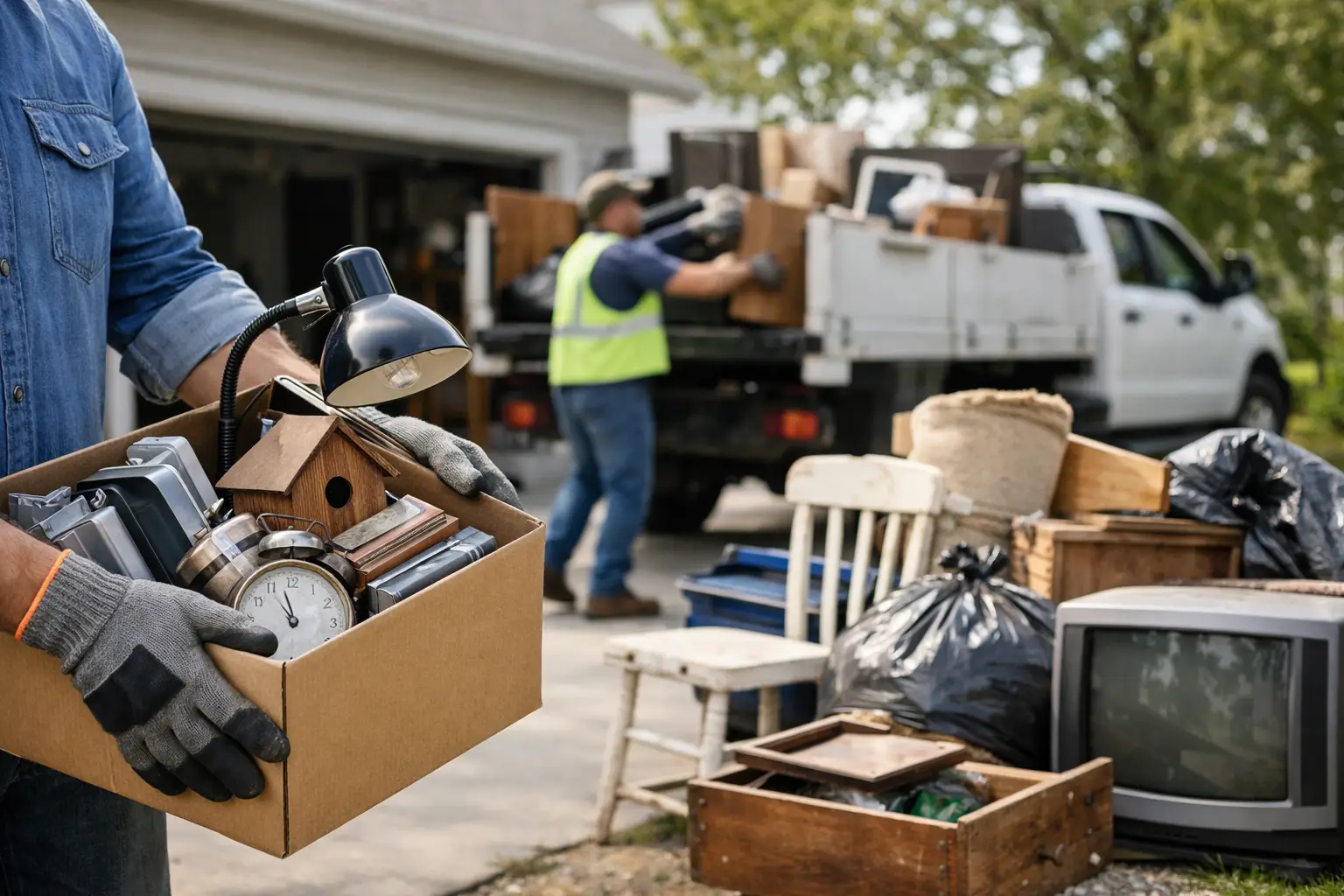
The fastest junk pickup jobs usually start before the truck arrives. If you know how to prepare for junk pickup, you can save time, avoid confusion, and make sure everything gets hauled away in one trip. A little prep also helps you get a more accurate quote and keeps the day stress-free.
Most people book junk removal because they want the problem gone, not because they want another project on their hands. That makes preparation feel optional. In reality, a few simple decisions ahead of time can make the whole job easier, especially if you are dealing with a garage cleanout, renovation debris, old furniture, yard waste, or a rental property turnover.
How to Prepare for Junk Pickup Before Your Appointment
Start by deciding exactly what needs to go. That sounds obvious, but it is where many delays happen. On pickup day, customers sometimes point to a pile and then realize a few items were meant to stay, or they remember extra material in the backyard, side yard, or storage room. The clearer you are upfront, the smoother the appointment will be.
Walk the property and make one firm keep-or-go decision for each item. If you are unsure about something, separate it from the junk pile. Mixing wanted items with unwanted items creates risk, especially during larger cleanouts where the crew is moving quickly.
If you are clearing out a home for a move, remodel, estate cleanout, or tenant turnover, it helps to handle personal papers, medications, cash, and sentimental items first. Junk pickup crews are there to remove material efficiently. They are not there to sort through family records or check every drawer for valuables.
Group items by type when possible
You do not need to organize everything perfectly, but some basic grouping helps. Put furniture together, bag loose trash, stack boxes, and keep construction debris in one area if you can. If you have appliances, mattresses, yard debris, or heavy materials like tile, concrete, or drywall, point those out early when booking.
This matters for two reasons. First, it helps with pricing and truck space. Second, some materials need different handling or disposal. Being upfront avoids last-minute surprises.
Make access easy
A pickup can only move as fast as access allows. Clear a path from the junk to the pickup area, whether that is a driveway, front curb, alley, garage, or side entrance. Move cars, unlock gates, and secure pets before the crew arrives.
If the items are inside, think about hallways, stairwells, elevators, and door widths. That old couch might fit out the front door, but not if there are boxes stacked in the way. If you live in a condo, apartment, or managed property, check any access rules in advance. Some buildings require elevator reservations or restrict loading hours.
What to Do the Day Before Junk Pickup
The day before the appointment is the best time to do a final pass. By then, you should know what is leaving and where it is located. This is also the right time to ask questions if you have unusual material, a large volume of debris, or a tight timeline.
Try to consolidate smaller items so they are not scattered across different rooms or corners of the yard. Loose material slows down the process. Bagging or boxing small debris can help, but do not overpack boxes with extremely heavy material. A box full of books or broken tile may be harder to move than you expect.
If weather is a factor, protect anything that should stay dry until pickup. South Florida storms can turn cardboard, fabric, and loose debris into a bigger mess overnight. For outdoor piles, a simple tarp can keep things contained and easier to load.
Take photos if needed
Photos can help if you are getting a quote ahead of time or managing a job remotely. This is especially useful for landlords, property managers, real estate agents, and contractors who may not be on-site during pickup. Good photos should show the full volume, not just close-ups of one item.
If the load includes debris from demolition, flooring removal, fencing, landscaping, or renovation work, wide shots are more useful than detail shots. The goal is to show how much space the material takes up and how easy or difficult it is to access.
Items That Need Special Attention
Not all junk is treated the same. Some items are simple household pickups. Others may require special handling, extra labor, or different disposal steps. That does not mean they cannot be removed. It just means you should mention them before the appointment.
Heavy debris is a common example. Concrete chunks, dirt, roofing material, pavers, tile, and plaster can add up fast. A pile that looks small can weigh much more than furniture or general household junk. If you are booking after a remodel or demolition project, give an honest description of the material.
Appliances can also vary. A mini fridge is one thing. A full commercial unit or an old shed packed with scrap metal is another. The same goes for hot tubs, swing sets, cabinets, and built-ins that may need disassembly before loading.
Hazardous materials are where people should be especially careful. Paint, chemicals, fuel, propane tanks, and certain automotive fluids often have disposal rules that are different from standard junk removal. If you are not sure whether something qualifies, ask before pickup day rather than assuming it can go on the truck.
How to Prepare for Junk Pickup if You Have a Large Job
Large jobs need a little more planning, but they do not need to become complicated. The key is being realistic about volume, labor, and timing. A single-room cleanout is different from a full property cleanout. A few stacks of renovation debris are different from an active construction site.
If your job involves multiple areas, such as a garage, backyard, and interior rooms, make a quick note of everything that needs attention. This helps avoid the common issue of booking for one pile and then adding several more once the crew arrives. Most teams can handle more than customers expect, but it is always better when the scope is clear from the start.
For contractor and renovation jobs, keep the work area as separated as possible from active construction. That protects both your crew and the pickup team. It also reduces the chance that usable materials get mixed into the debris pile by mistake.
If you are preparing a home for sale, rent, or a major cleanup, timing matters. Booking junk pickup before cleaners, painters, or flooring crews arrive can save money and cut down on double handling. Clear the clutter first, then let the next trade work with a clean space.
Common Mistakes That Slow Down Pickup
The biggest mistake is underestimating how much junk there is. A pile in the corner does not always look like much until it is measured by truck space, weight, and labor. If you think the amount may grow before pickup day, say so.
Another common issue is mixing trash with donatable items, personal keepsakes, or materials that need different disposal. The clearer the separation, the faster the job moves. It is also smart to avoid blocking access with parked vehicles or locking gates without sharing instructions.
Customers also sometimes wait until the crew arrives to start sorting. That usually creates stress and slows everything down. If you need time to decide, do it ahead of the appointment.
Make Pickup Day Easy on Yourself
You do not need to overprepare. You just need to remove the obstacles that turn a simple job into a long one. Decide what goes, group it clearly, make it accessible, and mention anything heavy, bulky, or unusual when you book.
That is usually enough to keep the process fast and straightforward. And if you are working with a dependable local team like A&D Junk Removal LLC, good preparation on your side pairs with responsive service on theirs. The result is what most people want from the start – less clutter, less hassle, and more room to move forward.