
Rental Property Cleanout Miami: What Matters

A tenant moves out on Friday, the painter is booked for Monday, and you open the door to bags of trash, broken furniture, and a fridge still full of food. That is when rental property cleanout Miami stops being a simple chore and turns into a schedule problem, a cost problem, and sometimes a liability problem.

If you own rentals, manage units, or handle turnovers for clients, cleanout speed matters because every extra day can delay repairs, photos, showings, and rent. But speed alone is not enough. The job also has to be handled safely, legally, and without creating more work for you afterward.

What a rental property cleanout in Miami usually includes

A real cleanout is more than hauling away a couch and a few trash bags. In many rentals, the work starts with sorting what is clearly junk, what may require special disposal, and what needs to stay until the owner or manager signs off. That distinction matters, especially after an eviction, an abandonment, or a move-out where the unit is left half-cleared.

Most cleanouts include bagged trash, loose debris, damaged furniture, mattresses, appliances, carpet scraps, shelving, and leftover household items. In tougher cases, the unit may also have yard waste on the patio, construction debris from unauthorized tenant work, or heavy items that need labor and equipment to remove safely.

The best cleanout jobs are not just about emptying the space. They prepare the property for the next step, whether that is deep cleaning, flooring, painting, repairs, or immediate listing photos.

Why rental property cleanout Miami jobs are rarely one-size-fits-all

Two units can have the same square footage and completely different cleanout needs. A small apartment with light trash and a few abandoned boxes is very different from a single-family rental with a garage full of junk, storm-damaged fencing, and bulky furniture throughout the home.

In Miami-area properties, access can change the scope fast. A third-floor walk-up, a gated condo building with loading restrictions, or a narrow alley behind a duplex can add time and labor even when the volume does not look extreme on paper. Timing also matters. If you need same-day or next-day service to keep a turnover moving, that urgency can shape the plan.

Then there is the condition of the material itself. Dry junk is one thing. Wet furniture, food waste, loose debris, and items exposed to mold or pests are another. A dependable cleanout team will account for those realities before work starts, not after the truck is loaded.

What property owners and managers should look for

The biggest mistake is hiring based only on the lowest number. Cheap pricing can sound good until the crew shows up late, leaves half the debris behind, or adds surprise charges because the job was not scoped correctly.

What matters more is whether the company can actually carry the job from start to finish. That means showing up when scheduled, bringing enough labor for bulky removals, understanding disposal requirements, and leaving the property in a condition that helps the next trade get to work.

Responsiveness is a big part of that. When you are managing a rental, you do not always have the luxury of waiting three days for a quote or another week for an opening. A cleanout provider should be able to communicate clearly, confirm what is included, and give you a realistic timeline.

It also helps when one company can handle more than just junk pickup. If a turnover involves debris hauling, light demolition, or a dumpster for follow-up work, having one reliable contact can cut down on delays and confusion.

How pricing usually works

Most rental cleanout pricing comes down to volume, labor, access, and material type. The more space the junk takes up in a truck or trailer, the more disposal and hauling costs come into play. Heavy materials like tile, concrete, or dense construction debris can affect pricing differently than household clutter.

Labor matters just as much. A curbside pickup is quicker than clearing a packed unit room by room. Stairs, elevators, long carry distances, and disassembly of furniture or fixtures also change the workload. If the property has sharp debris, broken glass, or unsanitary conditions, that should be factored in up front.

The most accurate quotes usually come from good photos or an on-site look. That protects both sides. You get a price based on the real job, and the crew can show up prepared instead of trying to adjust in the middle of the cleanout.

When a junk removal crew makes more sense than a dumpster

This depends on the property and who is coordinating the turnover. If the unit just needs to be emptied fast, full-service removal is usually the easier option. A crew comes in, loads everything, and hauls it away. You do not have to fill the container yourself or manage a pickup window later.

A dumpster can be the better fit when the cleanout is part of a larger project. If you are also doing repairs, flooring, cabinet removal, or light demolition over several days, having a container on site gives your team more flexibility. The trade-off is that someone still has to do the loading.

For many landlords and property managers, the right answer is not either-or. It is using the service that matches the stage of the turnover. Immediate junk removal for the abandoned contents, then a dumpster if renovation debris will follow.

Common problems that slow a cleanout down

The first problem is uncertainty about what should be removed. If there is any question about tenant belongings, management approval, or items that may need to be documented, that should be handled before loading starts. Delays usually happen when the crew arrives and no one wants to make the final call.

The second is poor access planning. Reserved loading areas, gate codes, elevator windows, and condo rules can all affect how quickly the work moves. In tighter properties, even where the truck can park becomes a real issue.

The third is underestimating the job. Photos taken from one angle do not always show what is inside closets, on balconies, or in storage rooms. A unit that looks half-full of junk can actually be a full cleanout once the hidden areas are included.

And then there is scheduling around other vendors. If painters, cleaners, flooring crews, and inspectors are all lined up, one missed cleanout appointment can create a chain reaction. That is why reliability matters more than promises.

Preparing for a rental property cleanout

You do not need to overmanage the process, but a little preparation saves time. Start by deciding what stays and what goes. If anything is questionable, label it clearly or move it out of the removal area. Make sure the crew can access the property without waiting on keys, gate approvals, or tenant coordination.

If the property has building rules, pass those along before the appointment. If there are known hazards like broken tile, leaking appliances, pest issues, or water-damaged contents, mention them early. The more accurate the picture, the smoother the job.

It also helps to think one step ahead. If the unit needs flooring removal, cabinet tear-out, or debris hauling right after the cleanout, say so. A company that offers project support can often help you line up the next piece without wasting time.

Why local service still matters

Rental turnovers are time-sensitive anywhere, but local experience makes a difference when the work happens in busy neighborhoods, tight multifamily buildings, or properties with short scheduling windows. A team that regularly works in Dade and Broward knows how to move faster through the real-world issues that slow down out-of-area providers.

That local knowledge is not about marketing language. It is about knowing what traffic does to arrival windows, what building access tends to look like, and how to plan a job so the property is cleared without dragging into the next day.

For landlords, investors, and managers, the best cleanout service feels simple. You make the call, the crew shows up, the junk is gone, and the property is ready for what comes next. That is the standard A&D Junk Removal LLC is built around.

A rental cleanout should take pressure off your plate, not add another layer of coordination. When the job is handled right, you can stop thinking about the mess and start moving the property forward.


Small Demolition Contractors Miami Guide

When a bathroom demo, shed tear-down, or interior strip-out needs to happen fast, hiring the right small demolition contractors Miami property owners rely on can save you days of stress. The wrong crew leaves dust everywhere, piles debris in the driveway, and disappears when it is time to haul it away. The right one shows up on time, protects the space, breaks down only what needs to go, and leaves the job ready for the next step.

Small demolition sounds simple until you are standing in a house full of debris, trying to figure out where concrete, tile, drywall, cabinets, and old fixtures are supposed to go. That is why choosing a contractor is not just about who can swing a sledgehammer. It is about finding a team that can handle the demo, cleanup, loading, and disposal without turning your project into a bigger mess.

What small demolition contractors in Miami actually handle

A lot of customers hear “demolition” and picture major structural tear-downs. That is not what most small demo jobs look like. In reality, many projects are focused, controlled removals that prepare a home or commercial space for renovation, cleanup, or rebuilding.

Small demolition contractors in Miami often handle jobs like kitchen and bathroom tear-outs, tile and flooring removal, drywall removal, shed demolition, fence removal, deck removal, hot tub removal, playset breakdown, concrete breakup, garage cleanouts tied to demo work, and light interior demolition for retail or office spaces. Some also help with site prep, debris hauling, dumpster support, and material delivery, which matters more than people think.

That last part is where projects often go sideways. A crew may offer demolition but not debris removal. Another may tear everything out but leave you to rent a dumpster, load heavy material, and deal with disposal rules yourself. If you want the process to feel simple, it helps to work with one provider that can manage the dirty part from start to finish.

Why small demo jobs need more planning than people expect

Small does not always mean easy. A half-day demolition job can still damage plumbing, crack surrounding finishes, block access, or create disposal problems if the work is rushed. In older homes, there may be hidden surprises behind walls or under flooring. In occupied properties, dust control and clean work habits matter just as much as speed.

That is why a good contractor asks questions before giving a price. What exactly is being removed? Is the space occupied? Are there stairs, tight hallways, or limited parking? Does the debris need to be hauled away the same day? Is there a deadline tied to a remodel crew coming in next?

These details affect labor, equipment, hauling, and timing. They also help set realistic expectations. A straightforward tile demo on the first floor is not priced the same as a second-story bathroom tear-out with limited access and same-day cleanup.

How to choose small demolition contractors Miami customers can trust

Price matters, but low pricing alone is not enough. If a bid seems much lower than everyone else, ask what is included. Sometimes the cheapest number covers demolition only and leaves out hauling, disposal, protection of nearby areas, or final cleanup.

Look for a contractor who communicates clearly and answers basic questions without making things complicated. You should know what they are removing, what they are not touching, whether debris hauling is included, how the area will be protected, and how soon the job can be scheduled. Fast responses matter because demo work is usually tied to the next stage of a project.

It also helps to pay attention to how they talk about the messy parts. Anyone can say they do demolition. A dependable crew can explain how they handle debris, loading, and disposal. That tells you they understand the full job, not just the tear-out.

If your project is part of a renovation, reliability becomes even more important. Delays during demolition push everything else back. Flooring installers, plumbers, cabinet crews, and painters cannot do much if the site is still full of broken material.

What affects pricing on small demolition work

Customers usually want one simple answer on cost, but demolition pricing depends on the job. Size is one factor, but access, weight, material type, labor intensity, and hauling needs often matter just as much.

Heavy materials like concrete, tile, brick, and mortar take more labor to break up and cost more to haul away than lighter materials like drywall or wood. A job on a ground floor with easy loading access is usually more efficient than one inside a condo with elevators, limited parking, and strict building rules. If the contractor needs specialized equipment, extra labor, or same-day turnaround, that can also affect pricing.

There is also a difference between selective demolition and total removal. Selective demo takes care and precision. Removing cabinets without damaging walls you plan to keep, or taking out one section of flooring while preserving another, can take more time than a rough tear-out.

The best estimates are clear about scope. That keeps you from getting surprised later by added fees for debris volume, extra materials, or disposal.

Why cleanup and hauling should never be an afterthought

One of the biggest mistakes people make is separating demolition from debris removal. It sounds cheaper at first, but it often creates delays, extra handling, and a bigger mess around the property.

When the same company handles demo and hauling, the job tends to move faster. Debris gets loaded as work progresses, the site stays more organized, and you are not left staring at a pile of broken tile, lumber, drywall, or fixtures after the crew leaves. That is especially helpful for homeowners, property managers, and small business owners who do not have the time, equipment, or desire to manage waste logistics.

This is also where service matters. A responsive local company can often coordinate demolition, trailer or dumpster support, and junk removal in a way that keeps the project moving. For many customers, that convenience is worth as much as the demo itself.

Residential and commercial jobs are not exactly the same

Homeowners usually care most about cleanliness, protection of nearby finishes, and keeping disruption under control. If people are living in the home during the project, dust and daily access become major concerns. Even a small bathroom or kitchen demo can feel huge when it interrupts normal routines.

Commercial customers often have a different priority. They may need work completed around business hours, strict deadlines, or fast turnover between tenants. Property managers may care less about demo noise during the workday and more about making sure the site is cleared quickly and ready for the next contractor.

That is why experience with both kinds of work helps. The best approach depends on the property, timeline, and what happens after demolition is complete.

Signs your project needs a pro instead of a DIY attempt

Some removal jobs look manageable until the first few swings. Then the dust spreads, debris piles up, disposal becomes a problem, and what was supposed to be a weekend task starts affecting the whole property.

If the job involves heavy materials, repeated trips for disposal, tight spaces, stairs, attached structures, or any risk of damaging nearby surfaces, it usually makes sense to call a professional. The same goes for projects on a schedule. If your remodel starts Monday, this is not the time for trial and error.

A professional crew brings labor, tools, hauling capacity, and a plan. That means less back-and-forth, fewer delays, and a cleaner handoff to the next phase of work.

What a smooth small demolition project should feel like

It should feel simple. You explain what needs to go. The contractor confirms the scope, gives a fair price, shows up when promised, protects the space, completes the work, hauls away the debris, and leaves the area ready for what comes next.

That may sound basic, but it is exactly what customers want. Whether you are clearing out a rental, updating a kitchen, removing an old patio feature, or preparing a commercial space for improvements, the goal is not demolition for its own sake. The goal is progress without extra stress.

For customers in Dade and Broward County, that usually means choosing a local team that understands fast scheduling, fair pricing, and the value of handling cleanup as part of the job. A&D Junk Removal LLC is one example of the kind of service people look for when they want demolition support without the usual runaround.

If you are comparing small demolition contractors, pay attention to who makes the process easier from the first call. A good job does not just remove what is in the way. It gives you a clean start for whatever comes next.

Material Delivery Miami for Fast Project Help

A pallet of pavers sitting at the supplier does not help when your crew is already on site, your driveway project is halfway started, or your rental turnover needs to happen this week. That is where material delivery Miami customers actually need matters most – not just moving items from one place to another, but keeping the whole job moving without wasted time.

For homeowners, property managers, and contractors, delivery problems usually show up as schedule problems. The mulch arrives late, the gravel drop is in the wrong spot, or the materials make it to the property but no one is available to place them where they need to go. A simple delivery can turn into an extra day of labor, another equipment rental, or a project that drags out longer than it should.

Why material delivery in Miami needs to be practical

Miami projects move fast, and space is often tight. A home renovation may have limited driveway access. A commercial property may need materials delivered around tenant activity. A cleanup job may require fresh fill, gravel, or other supplies right after debris is hauled away. In those situations, the delivery itself is only part of the job.

What customers usually want is straightforward: show up on time, bring the right material, place it where it makes sense, and avoid creating a bigger mess. That sounds simple, but it takes planning, the right equipment, and a team that understands how active job sites actually work.

This is also why local service matters. A provider working regularly in Dade and Broward counties is more likely to understand traffic timing, narrow access points, neighborhood restrictions, and the reality of getting work done in busy areas. Fast service is helpful, but reliable timing is what saves money.

Who benefits from material delivery Miami services

Material delivery is not only for large construction jobs. Some of the most common requests come from people handling everyday property work who simply do not have the time, truck capacity, or labor to move heavy materials themselves.

Homeowners often need rock, dirt, mulch, sand, pavers, or other bulk materials for landscaping, yard upgrades, and small renovation projects. Renting a truck for one load can be more trouble than it is worth, especially when loading and unloading are still your responsibility.

Property managers usually need speed more than anything else. If a unit turnover, exterior cleanup, or repair project is already underway, waiting days for delivery slows everyone down. A dependable local team helps keep the property ready for the next tenant, buyer, or inspection.

Contractors and renovators need consistency. One delayed load can throw off labor scheduling, inspections, and material staging. If the same company can also help with debris hauling, dumpster rental, demolition cleanup, or Bobcat work, it removes another layer of coordination.

That convenience matters more than people expect. When one company can deliver materials and help clean up the waste on the back end, the job gets simpler from start to finish.

What to expect from a good delivery service

The difference between a useful delivery service and a frustrating one usually comes down to communication. Customers should know what is being delivered, when it is arriving, how it will be dropped, and whether site conditions could affect the plan.

A good service will ask a few practical questions upfront. Is there enough access for a trailer or equipment? Does the material need to be placed in a certain area? Is the ground stable enough for unloading? Are there gates, overhead wires, parked cars, or HOA rules that could cause problems?

Those questions are not extra red tape. They help prevent the common issues that lead to delays or damaged property. In material delivery, the cheapest option is not always the most affordable one if it causes rework, rescheduling, or wasted labor.

It also helps to work with a company that understands the full job, not just the drop-off. If you are clearing a lot, tearing out old materials, or prepping a site, delivery should fit into that bigger process. That is one reason customers often prefer a project support company instead of a delivery-only provider.

Common materials delivered for residential and commercial jobs

The exact material depends on the project, but most requests fall into a few practical categories. Landscaping jobs often need mulch, soil, gravel, sand, and decorative stone. Renovation and exterior work may call for pavers, fill, or base material. Cleanup and site prep projects may need fresh material brought in after debris and unwanted items are removed.

The key is matching the delivery to the real use of the site. A backyard refresh might need careful placement to avoid damaging finished surfaces. A job site might prioritize speed and quantity. A commercial property may need delivery coordinated around business hours so tenants, staff, or customers are not disrupted.

This is where experience makes a difference. Material is heavy, space is limited, and every property is a little different. The right team plans for those details before the truck arrives.

When bundled services make more sense

A lot of customers start by asking for one thing and then realize they need three. Maybe you need old concrete, junk, or yard debris removed before new material can come in. Maybe the site needs light grading or Bobcat work. Maybe demolition debris has to be cleared before the next phase starts.

Bundling those services saves time because you are not waiting on multiple companies to coordinate around each other. It also makes billing and scheduling easier. Instead of calling one business for debris hauling, another for equipment help, and a third for delivery, you can keep the project under one roof.

For local customers who want a no-hassle process, that is often the better route. Companies like A&D Junk Removal LLC are built around that kind of support – helping customers clear space, move materials, and keep projects on track without making them manage every detail themselves.

How to prepare for a material delivery

If you want the delivery to go smoothly, a little prep goes a long way. Clear the drop area as much as possible and move vehicles, equipment, or loose items that could block access. If there is a gate code, building access issue, or narrow entry point, share that in advance.

It is also smart to confirm exactly where the material should go. “In the driveway” can mean one thing to the customer and another thing to the driver. If placement matters, be specific. A quick photo or clear description can prevent a lot of confusion.

You should also think about timing. Some materials can sit for a while without issue, but others are tied closely to labor schedules and weather. If your crew is ready Tuesday morning, you do not want the delivery landing late Tuesday afternoon. Good scheduling is not only about convenience. It affects labor efficiency and job cost.

Choosing the right material delivery Miami provider

Not every delivery company is built for active cleanup, renovation, or property support work. Some simply transport materials. Others understand that customers are dealing with deadlines, limited space, and multiple moving parts.

When comparing providers, look for responsiveness, clear pricing, and real flexibility. Can they handle a short-notice request? Do they communicate clearly about timing and access? Can they support the job if you also need junk removal, hauling, or equipment help?

Reviews matter here because they usually reveal the truth about service. People remember when a company shows up on time, keeps the process simple, and does what it says it will do. They also remember when communication disappears the moment a problem comes up.

Price still matters, of course. But in this kind of work, value is about more than the delivery fee. If a dependable team helps you avoid delays, extra labor, or damage to the property, that savings shows up quickly.

Fast help matters when the job cannot wait

Some projects are planned weeks in advance. Others are not. A last-minute cleanup, a rental property deadline, storm debris, or an urgent repair can create immediate material needs. In those cases, same-day or next-day availability can be the difference between staying on track and losing a full day.

That is why customers tend to return to companies that are responsive, local, and easy to work with. They do not want a complicated booking process. They want a team that answers the phone, understands the job, and gets it handled.

If you need material delivery Miami service for a home project, rental turnover, cleanup, or active job site, the best choice is usually the one that can do more than just drop off a load. The right support keeps your space cleaner, your schedule tighter, and your project moving the way it should. When the work is heavy, practical help is what makes the whole job easier.

Renovation Waste Pickup Miami Made Easy

A bathroom demo can fill a driveway faster than most people expect. One day you are pulling out tile, drywall, and old vanities. The next day you are staring at a pile of debris that is slowing down the whole job. That is where renovation waste pickup Miami property owners rely on really matters – not just for cleanup, but for keeping the project safe, organized, and on schedule.

Renovation debris is not the same as everyday junk. It is heavier, rougher, and harder to move. It can include broken concrete, wood, cabinets, flooring, insulation, and packaging from new materials. If that waste sits too long, it takes up workspace, creates trip hazards, and makes a property look like the job is out of control, even when the renovation itself is going well.

Why renovation waste pickup in Miami matters during a project

Most renovation jobs create waste in waves. Demo day creates the first big pile. Then come smaller loads from framing, flooring, fixture swaps, and final touch-ups. If there is no plan for removal, debris starts spreading into walkways, parking areas, and active work zones.

For homeowners, that usually means more stress and less usable space. For contractors and property managers, it can mean delays, unhappy tenants, and crews wasting time working around mess instead of making progress. Fast pickup keeps the site cleaner and makes the next phase easier to start.

Miami projects also bring their own challenges. Weather can change quickly, and exposed debris does not improve sitting outside in heat and rain. Materials get soaked, cardboard breaks down, and loose pieces start blowing around. A timely haul-away service helps avoid that extra mess.

What renovation waste pickup Miami jobs usually include

Every project is a little different, but most renovation waste pickup jobs involve a mix of bulky debris and loose material. Common loads include drywall, wood scraps, flooring, tile, cabinets, bathroom fixtures, doors, trim, insulation, and general construction debris.

Some jobs are straightforward, like clearing out one kitchen remodel. Others are mixed loads from a longer project where old materials, packaging, and leftover supplies have built up together. That is why flexible service matters. One customer may need a single pickup after demo. Another may need multiple pickups during the job so the site never gets overloaded.

There is also a difference between light renovation cleanup and heavier debris. A few bags of scraps and old shelving are one thing. Concrete chunks, roofing material, or dense demolition waste are another. A reliable team should be clear about what they can haul, how pricing works, and whether your job needs simple pickup, a trailer rental, or additional site support.

When a pickup service makes more sense than doing it yourself

Some people start out thinking they can handle debris removal with a pickup truck, a few contractor bags, and a free afternoon. That can work for a very small project. But once the waste includes heavy tile, broken cabinetry, or multiple rooms of debris, the math changes quickly.

DIY hauling costs more time than most people expect. You have to load the material, protect the vehicle, make disposal runs, unload again, and clean up what falls out along the way. If the project is already taking your weekends or slowing down your crew, that extra labor is usually where the frustration hits.

There is also the issue of safety. Renovation debris often has nails, sharp edges, dust, and awkward weight. Lifting it the wrong way or stacking it poorly can turn a cleanup job into an injury. Hiring a crew for pickup is often less about convenience alone and more about avoiding damage, strain, and wasted time.

How to choose the right renovation waste pickup Miami service

The best service is not always the cheapest number you hear first. What matters is whether the company shows up on time, communicates clearly, and can handle the actual material on site.

Look for a provider that asks practical questions before the job. What type of debris do you have? How much is there? Is it bagged, piled, or still inside the property? Are there stairs, tight access points, or parking limits? Good scheduling starts with good questions.

It also helps to work with a company that offers more than one solution. Some projects need direct haul-away. Others benefit from a trailer dropped off so debris can be loaded as the renovation moves forward. On larger or rougher jobs, having access to demolition help, material delivery, or equipment support can save a lot of coordination headaches.

That is one reason local customers turn to companies like A&D Junk Removal LLC. When one team can help with waste pickup, dumpster-style trailer options, demolition support, and site services, the project gets simpler for the customer.

Timing matters more than most people think

A late pickup does more than leave a mess behind. It can delay flooring installers, painters, cabinet deliveries, or the next trade that needs a clean work area. Even small residential jobs move better when debris is removed at the right points instead of waiting until the end.

For a single-room remodel, one haul-away after demolition and another near completion may be enough. For a larger renovation, it may make sense to schedule recurring pickups or keep a trailer on site. It depends on the pace of work, how much space is available, and how visible the debris is to neighbors, tenants, or customers.

Commercial properties and multi-unit buildings usually need even tighter timing. Debris that blocks service areas, takes up parking, or sits in common view can become a bigger issue than the renovation itself. In those cases, responsiveness is not a bonus. It is part of keeping the job under control.

What affects the cost of renovation debris pickup

Pricing usually comes down to volume, material type, labor, and access. A clean pile in the driveway is faster to remove than debris scattered across multiple rooms. Lightweight trim and packaging cost differently than concrete, tile, or dense demolition material.

Stairs, long carry distances, tight hallways, and limited parking can also affect labor. So can urgency. Same-day or last-minute service is valuable when the site is backing up, but it may be priced differently than a scheduled pickup booked ahead.

The good news is that straightforward companies keep this simple. They explain what is included, what kind of load they are pricing, and whether another option would save you money. Sometimes a full pickup is best. Sometimes a trailer rental makes more sense if debris will build up over several days.

Keeping the job site cleaner from the start

The easiest cleanup job is the one that gets planned early. Even if the renovation itself is still being scheduled, it helps to think through where debris will go, how it will be staged, and when it should be removed.

A designated debris area keeps things from spreading across the property. Bagging smaller material separately from bulky waste can speed up removal. Keeping recyclable or reusable materials apart may also help, depending on the job. None of this needs to be complicated. It just keeps the site workable.

For homeowners, that means less disruption to daily life. For contractors, it means less time telling crews where to stack debris and more time getting work done. For property managers, it means fewer complaints and a cleaner appearance throughout the project.

A practical way to keep renovations moving

The real value of renovation waste pickup is not just that the debris disappears. It is that the job keeps moving without extra stress, extra trips, or piles getting in the way. Whether you are updating one room, turning over a rental, or managing a larger renovation, cleanup is part of the project, not an afterthought.

If the waste is already building up, waiting usually does not make it easier. A fast, reliable pickup can clear the space, reduce the headache, and help the next step happen on time. When the site is clean, the whole project feels more manageable.

Land Clearing With Bobcat Miami: What to Know

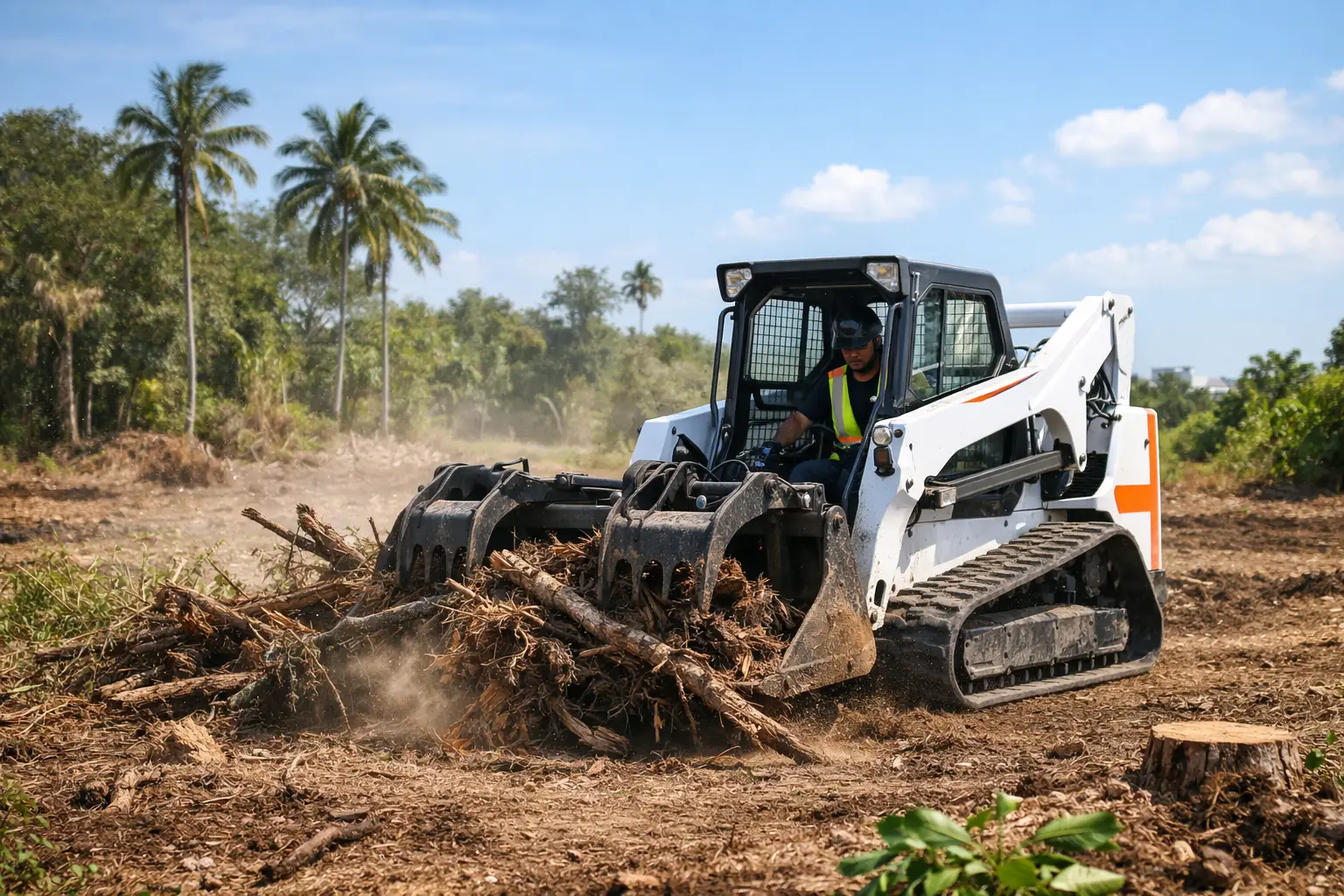
If you have a backyard full of overgrowth, a rental property with storm debris, or a lot that needs to be prepped before the real work starts, land clearing with Bobcat Miami is usually the fastest way to get moving. It is not just about pushing dirt around. Done right, it saves time, reduces manual labor, and leaves you with a cleaner, safer site that is actually ready for the next step.

In Miami, site conditions can change the job fast. One property has thick brush and old fencing. Another has loose debris, small trees, broken concrete, and uneven ground from years of neglect. That is why equipment matters, but so does having a crew that knows when a Bobcat is the right tool and when the job needs a broader cleanup plan.

When land clearing with Bobcat Miami makes sense

A Bobcat is a smart choice when you need controlled, efficient clearing on residential lots, commercial properties, renovation sites, and smaller parcels where larger equipment may be overkill. It works well for removing brush, hauling debris, grading light areas, and opening access so other crews can get in and start work.

For homeowners, this often means reclaiming a yard that has gotten out of hand. Maybe you are removing invasive growth, clearing around a fence line, or getting a property ready for landscaping. For contractors and property managers, the goal is usually speed and site function. You need debris moved, surfaces cleaned up, and access improved without dragging the project out.

It also helps on jobs where clearing is only one piece of the work. If you are dealing with demolition debris, junk piles, loose material, or unwanted structures, using one provider for equipment service and hauling can make the whole process much easier.

What a Bobcat can handle on a clearing job

A Bobcat is versatile, but it is not magic. That matters because a good service should be honest about what can be done efficiently and what may require additional equipment or labor.

For most clearing projects, a Bobcat can handle brush removal, light grading, dirt movement, debris loading, surface cleanup, and hauling material into piles or trailers. It is especially useful where space is tighter and precision matters, like side yards, driveways, small commercial lots, and properties with nearby structures.

It can also help after demolition or heavy cleanup work. Instead of relying only on hand loading, a Bobcat can move piles of concrete, wood, fencing, and mixed debris much faster. That speeds up the job and usually keeps the site more organized while the work is happening.

Where it depends is tree removal, deep stump extraction, and heavy root systems. A Bobcat may assist with those tasks, but large trees or dense root networks can call for more specialized equipment. The right approach depends on the size of the property, what is being removed, and what condition the land needs to be in when the job is done.

The real benefit is not just clearing – it is project momentum

A lot of people think of land clearing as the messy first phase. In reality, it often sets the pace for everything that follows. If the site is still cluttered, blocked, or uneven, every other task gets harder.

That includes dumpster placement, material delivery, demolition work, landscaping, paving, fencing, and renovations. Crews lose time working around debris. Vehicles cannot access the right areas. Safety becomes harder to manage. Even something simple like staging materials can turn into a problem on an unprepared lot.

That is why land clearing should be looked at as job preparation, not just cleanup. A clean site is easier to work on, easier to inspect, and easier to keep on schedule.

What to expect from the process

The best clearing jobs are straightforward. First, the property gets evaluated based on access, debris type, terrain, and the level of clearing needed. Some customers want basic brush and junk removal. Others need a more complete site prep service that includes hauling, grading, and cleanup.

Next comes the clearing itself. The Bobcat is used to remove, push, lift, and consolidate materials so the site starts opening up quickly. If there is junk, construction debris, or demolition material mixed in, that can be loaded out at the same time instead of leaving the customer to deal with separate cleanup later.

Then comes disposal and finishing. That may mean hauling debris away, leveling rough areas, or simply leaving the property clean enough for the next contractor to begin. The right finish depends on your goal. A yard being cleaned up for personal use is different from a lot being prepared for active construction.

Why combining clearing and hauling saves time

One of the biggest slowdowns on these jobs is splitting the work between too many vendors. One company clears. Another rents a dumpster. Another hauls debris. Another comes back later to clean up what is left behind. That sounds manageable until the schedule slips and the site sits half-finished.

A combined service approach keeps the work moving. If the same team can clear the land, load debris, remove waste, and support the next phase with deliveries or additional site work, you avoid the usual back and forth. It is simpler for homeowners and a lot more efficient for contractors and property managers who already have enough moving parts to manage.

This is where a practical local operator stands out. A company like A&D Junk Removal LLC is built around exactly that kind of convenience – getting the physical work done without adding extra hassle for the customer.

Cost depends on more than lot size

People often ask for a flat rate based only on square footage, but land clearing is rarely that simple. A small lot packed with tangled brush, loose junk, concrete chunks, and poor access can take more effort than a larger open area with light growth.

Pricing usually depends on the density of the material, how easy it is to access the site, what needs to be hauled away, and whether the job includes light grading or just clearing. Disposal also matters. Yard waste, mixed debris, and demolition material are not all handled the same way.

The cheapest quote is not always the best value if it leaves debris behind, skips hauling, or does not fully prep the site. It is better to ask what is included and what the site will look like when the crew is done.

Choosing the right crew for Bobcat clearing work

You want a team that shows up on time, explains the scope clearly, and does not treat your property like a rough guess. That applies whether you are a homeowner trying to clean up a backyard or a contractor trying to keep a project on schedule.

Look for a provider that can handle more than the machine itself. Clearing work often overlaps with junk removal, debris hauling, demolition cleanup, and material movement. If the company can support those needs too, the job tends to go smoother.

Responsiveness matters as much as equipment. In busy areas across Dade and Broward counties, delays cost money and create stress. Fast scheduling, clear communication, and dependable follow-through are a big part of what makes a clearing service worth hiring.

A few situations where a Bobcat may not be enough

There are times when a Bobcat helps but should not be the only tool in the plan. If a site has major tree removal, buried obstacles, unstable ground, or extensive grading needs, the work may require additional machines or a more specialized scope.

That is not a downside. It is just part of doing the job correctly. A trustworthy provider will tell you when the work is a good fit for Bobcat service and when it needs something more. That kind of honesty saves customers from paying twice.

Clear first, then build, clean, or move forward

Land clearing is one of those jobs that feels overwhelming until the right crew gets on site and starts making progress. What looked like an unusable mess turns into open space, clear access, and a property you can actually work with. Whether you are preparing for construction, cleaning up after a teardown, or just taking back control of a neglected lot, the right equipment and hauling support can make the process a lot easier.

If your property is stuck at the messy stage, that is usually the sign to stop wrestling with it by hand and get the site cleared the right way. A good start changes everything that comes next.

Dump Trailer vs Dumpster: Which Fits Best?

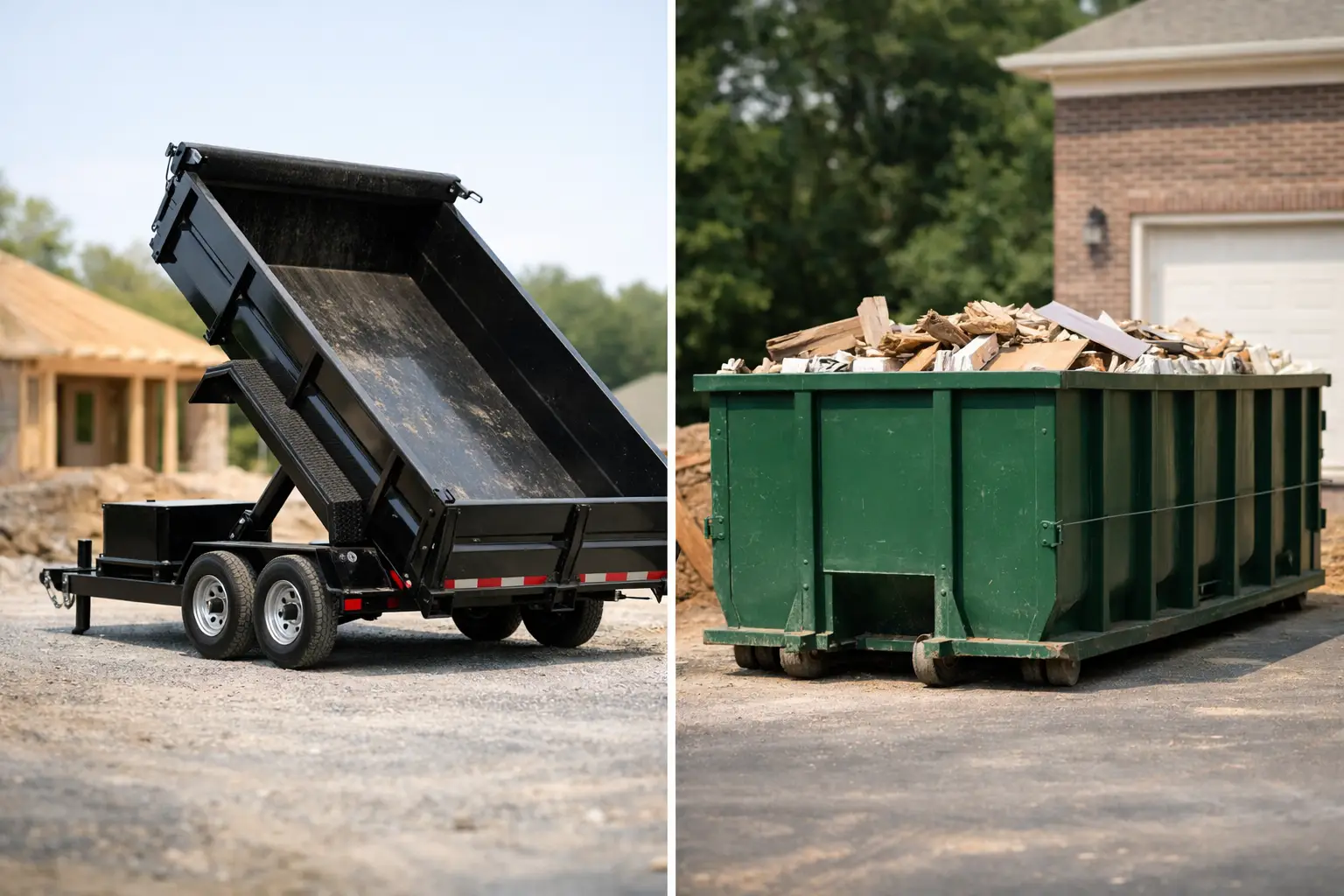
If you have debris piling up in the driveway, a rental decision usually comes fast. The dump trailer vs dumpster question matters because the wrong choice can slow down your project, take up too much space, or cost more than it should.

For some jobs, a standard dumpster is the easy answer. For others, a dump trailer gives you more flexibility, easier placement, and faster pickup. The best option depends on what you are tossing, how long you need it, how much room you have, and whether your cleanup is a one-day push or a project that will stretch out over several days.

Dump trailer vs dumpster: the basic difference

A dumpster is a stationary container dropped off at your property or job site and picked up later. It is built to sit in one place while you fill it over time. That makes it a common fit for longer cleanouts, renovations, roofing jobs, and property turnover work.

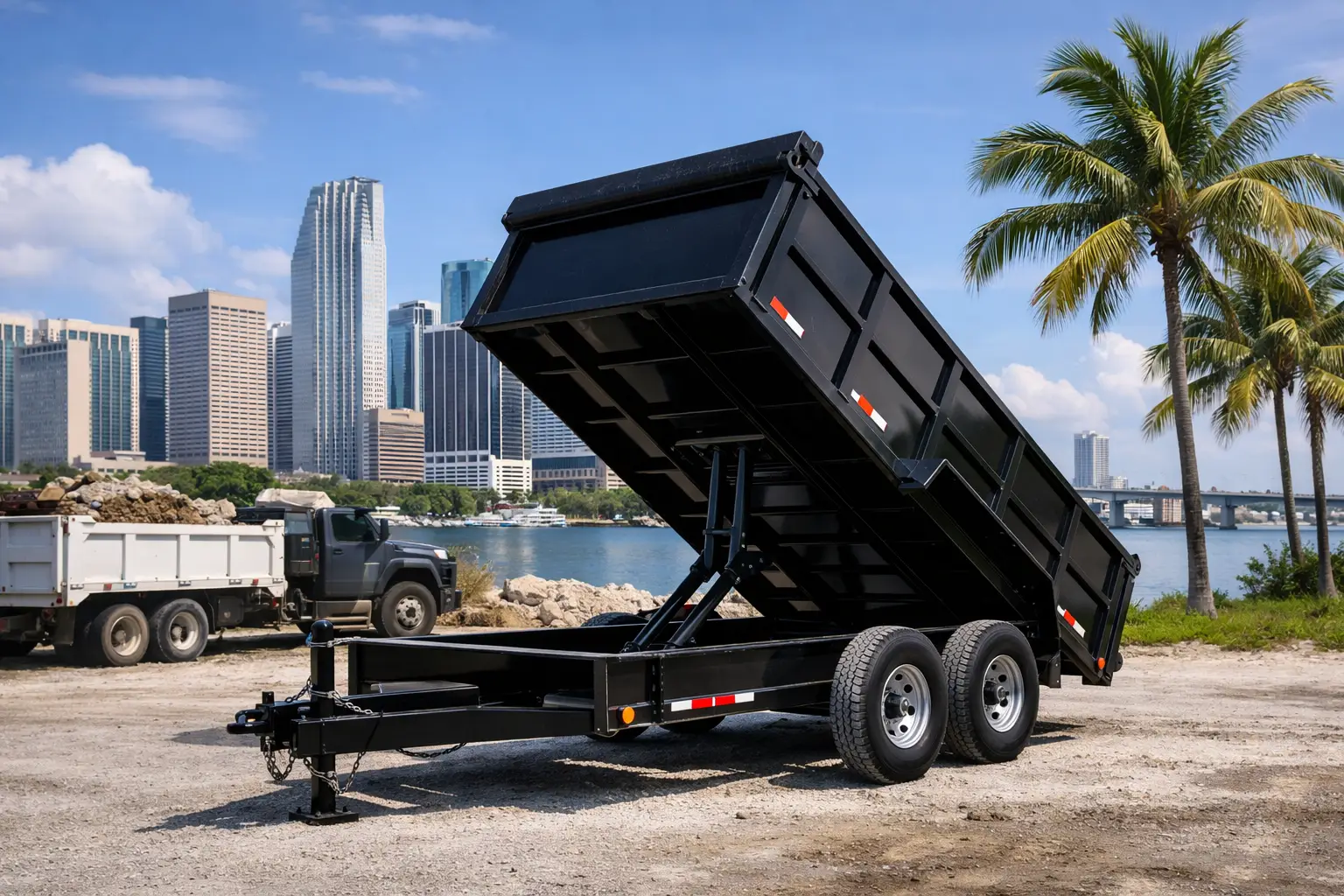
A dump trailer is a trailer-based container delivered to your location. It can often be easier to place in tighter spots, and in many cases it is better for customers who want a simpler drop-off and haul-away setup without the footprint of a larger roll-off container.

The biggest practical difference is mobility and footprint. Dumpsters are made to stay put and hold a lot. Dump trailers are often easier to position, easier on certain driveways, and useful when you want quick service without turning your front yard or parking area into a construction zone.

When a dumpster makes more sense

If your job is going to create debris steadily over several days, a dumpster usually gives you the breathing room you need. You can load it as the work happens instead of rushing to finish before pickup.

This is especially helpful for remodels, eviction cleanouts, office cleanups, and larger home projects where debris comes in waves. Tear out a bathroom one day, old cabinets the next, flooring after that. A dumpster keeps the site moving without forcing you to stack waste in piles while you wait.

Dumpsters also make sense when volume is the main issue. If you are clearing out a house, dealing with bulky furniture, or handling a heavy load of mixed debris, capacity matters more than convenience of placement. A larger container can save you from overloading a smaller option or needing extra haul-offs.

That said, bigger is not always better. A dumpster can take up more room, may be harder to place on a tight property, and can feel excessive for a small residential project. If your driveway is short, your access is narrow, or you live in a neighborhood where space is already limited, a dumpster may create more hassle than help.

When a dump trailer is the better choice

A dump trailer is often the smarter option for smaller to mid-sized jobs where convenience matters just as much as capacity. If you are cleaning out a garage, removing yard debris, handling a light remodel, or doing a fast property cleanup, a trailer can be the right fit.

One major advantage is placement. In tighter residential areas, a dump trailer can often be easier to maneuver than a larger roll-off dumpster. That matters in many parts of Miami-Dade and Broward, where homes, duplexes, and commercial spaces do not always come with wide-open access.

Another advantage is speed. If your goal is to load up and clear out quickly, a dump trailer often supports that better than a long-term container rental. You get the debris out, reclaim the space, and move on.

It can also be a better option if you care about reducing wear on a driveway or keeping the job site looking cleaner and less cluttered. For homeowners who do not want a large container sitting outside for days, that makes a real difference.

Cost depends on more than container type

A lot of people ask which is cheaper, but the honest answer is that it depends on the job. The container itself is only part of the cost. Volume, weight, rental length, debris type, access, and turnaround time all affect the total.

A dumpster may seem like the best value if you need more capacity over several days. But if your project is smaller and you finish quickly, paying for a larger container and a longer rental window may not be the most efficient choice.

A dump trailer can be more cost-effective when you want a practical amount of space without overbooking. It may also reduce labor headaches if easier placement means less walking, less staging, and faster loading.

The cheapest option on paper is not always the least expensive in real life. If the wrong setup slows your crew down, crowds your property, or forces a second haul, the savings disappear fast.

Think about what you are loading

The type of debris matters just as much as the amount. Household junk, old furniture, yard waste, renovation debris, concrete, roofing material, and mixed construction waste all behave differently.

Bulky but lighter material may fill a container before it gets too heavy. Dense debris like dirt, tile, brick, or concrete reaches weight limits much faster. In those cases, choosing based on size alone can lead to problems.

This is where local guidance helps. A good provider will ask what the material is, how much of it you have, and how you plan to load it. That keeps you from paying for more than you need or choosing a setup that is not built for the job.

Access and property layout matter more than most people think

Customers often focus on debris first and placement second. In practice, access can decide the whole job.

If your site has a steep driveway, low-hanging branches, parked vehicles, limited street access, or a narrow entrance, a large dumpster may not be the easiest answer. A dump trailer may fit the property better and make loading less of a chore.

On the other hand, if you have open access and a project that will keep generating debris all week, a dumpster gives you a simple, stable solution. That is why there is no one-size-fits-all answer to dump trailer vs dumpster. The right choice has to match both the waste and the space.

Homeowners and contractors often need different things

Homeowners usually care most about convenience, driveway space, and getting rid of junk without a drawn-out process. For them, a dump trailer is often appealing because it feels more manageable and less disruptive.

Contractors, property managers, and renovation crews may lean toward dumpsters when they need consistent debris handling during an active job. A container that stays on site can keep workflow smooth, especially when demo and disposal are happening at the same time.

Still, plenty of contractors use dump trailers too, especially on smaller remodels, punch-list cleanups, landscaping jobs, and sites with tight access. The best rental is not the one people use most often. It is the one that fits the real conditions of your job.

The easiest way to choose

If you need more capacity, longer loading time, and a container that can stay put through a multi-day job, a dumpster is usually the stronger choice. If you need easier placement, quicker turnaround, and a simpler option for a smaller cleanup or tight property, a dump trailer may serve you better.

If you are not sure, the smartest move is to describe the project instead of guessing the container. A reliable local team can usually tell within a few questions what will save you time and money. That is especially true when the same company understands junk removal, demolition debris, site cleanup, and material handling, not just drop-off rentals.

At A&D Junk Removal LLC, that practical approach matters. The goal is not to push one option every time. It is to make cleanup easier, keep pricing fair, and get the right equipment to the right job without wasting your day.

Before you book, think about how long the project will last, what kind of debris you have, and how much room you actually have to work with. A good rental should make the job lighter, not add another problem to manage.

Interior Demolition Contractors Miami Guide

When a remodel starts with tearing out cabinets, flooring, drywall, or a whole office buildout, the wrong crew can slow everything down before the new work even begins. That is why choosing experienced interior demolition contractors Miami property owners can rely on matters more than most people expect. Interior demo is not just about breaking things apart. It is about protecting the parts of the property that stay, controlling debris, and keeping the next phase of the job on schedule.

In Miami, that work comes with a few extra realities. Many properties have tight access, active tenants, limited parking, condo rules, and strict expectations around cleanliness. A fast demo means very little if the site is left full of debris, damaged surfaces, or delays for the contractor coming in next. Good interior demolition is clean, organized, and planned.

What interior demolition contractors in Miami actually do

Interior demolition is selective removal inside a structure. That can mean taking out kitchens, bathrooms, flooring, non-load-bearing walls, drop ceilings, fixtures, built-ins, tile, or commercial interiors before renovation. The goal is not total destruction. The goal is to remove what needs to go while leaving the rest of the property ready for the next trade.

That distinction matters. A homeowner updating a bathroom needs careful removal around plumbing lines and nearby finishes. A property manager preparing a retail space may need quick turnaround with controlled debris removal and minimal disruption to neighboring tenants. A contractor on a renovation job may need labor, hauling, and site support from one team so the project keeps moving.

This is where a service-focused company stands out. Demo creates mess fast. If the same provider can also haul debris, provide dumpster trailer support, and help keep the site clear, the whole job tends to run smoother.

When it makes sense to hire interior demolition contractors Miami residents trust

Some small tear-outs look simple until the dust starts flying. Pulling up tile can reveal stubborn mortar. Removing cabinets can damage walls that were supposed to stay. Tearing out drywall may expose wiring, plumbing, or framing issues that change the job.

Hiring professionals usually makes sense when the project involves heavy materials, multiple rooms, time pressure, or disposal logistics. It also makes sense when access is difficult, such as apartment buildings, condos, offices, and occupied properties. In those cases, labor is only half the job. Protection, cleanup, loading, and haul-away are what keep the project from becoming a headache.

For many customers, convenience is the deciding factor. If you already have a remodel lined up, you do not want to spend your weekend figuring out where debris goes, how to load it, or how many trips it takes. You want the space cleared and ready.

What to look for before you book

A dependable demo team should be clear about scope, timing, and what happens to the debris. If a company is vague on cleanup or disposal, that usually turns into your problem later.

Start with communication. Do they respond quickly? Can they explain what will be removed and what will stay? Are they realistic about the timeline? In demolition, straight answers matter because hidden surprises are common. You want a crew that tells you what is likely, not just what sounds good.

You should also ask how they protect the property. Interior demo can affect hallways, elevators, driveways, and adjacent rooms. Floor protection, dust control, careful hauling, and organized loading are all part of professional service. The cheapest estimate is not always the best value if it leaves you with repairs or extra cleanup.

Another practical question is whether they can support the rest of the project. If you need junk removal, trailer rental, debris hauling, or material delivery after demolition, using one reliable local company can save time and coordination.

Cost depends on more than square footage

Customers often ask for a simple price per room or per square foot. That can help as a rough starting point, but interior demolition costs depend on the details.

Material type makes a big difference. Tile and mortar removal is usually tougher than pulling laminate. A bathroom demo can involve tight spaces, plumbing fixtures, and heavy debris. Commercial interiors may have large volume, but easier access. A kitchen tear-out might look straightforward, yet cabinets, countertops, backsplashes, and flooring can add labor quickly.

Access is another big factor in Miami properties. A ground-floor home with open driveway access is different from a condo with service elevator rules and limited loading times. Disposal also matters. Heavy debris like tile, drywall, and concrete-based materials adds weight, and weight affects hauling.

Then there is the condition of the site. If the property is occupied, more protection and cleanup are usually needed. If the job requires same-day service or a tight turnaround, that can also affect price. Fair pricing is not always the lowest number. It is a quote that reflects the real work involved and avoids surprise add-ons later.

Why cleanup and haul-away should be part of the plan

One of the biggest mistakes people make is treating demolition and debris removal as two separate problems. In reality, they are connected from the start. Every cabinet, fixture, tile pile, and drywall sheet has to go somewhere.

That is why many customers prefer an all-in-one approach. If the crew removing the material also handles loading and haul-away, the site stays under control. You do not end up with stacks of debris sitting for days while the next phase waits. For contractors and property managers, that matters because delays cost money. For homeowners, it usually means less stress and fewer calls to coordinate different providers.

A local company like A&D Junk Removal LLC can be especially useful here because the work does not stop at demolition. When a job needs debris hauled out, a trailer dropped off, or a site cleared fast, having one responsive team handle the heavy lifting keeps the project simpler.

Residential and commercial jobs are not the same

The basics of demolition are similar, but the expectations can be different.

In residential work, customers usually care most about protecting the home, avoiding damage, and getting the space clean enough for the renovation crew to step in. Timing matters, but peace of mind matters too. Homeowners want to know the mess will be managed.

In commercial work, speed, coordination, and access rules often take priority. Offices, retail spaces, and rental properties may have deadlines tied to tenant turnover or reopening schedules. Property managers need crews who show up, work efficiently, and leave the site ready for the next stage.

Neither is easier. They just require different planning. A good demolition contractor adjusts to the property, not the other way around.

Common issues that can slow the job down

Even well-planned interior demo can hit a few surprises. Hidden plumbing lines, old repairs, stubborn flooring systems, or moisture damage can change the scope once removal starts. This is normal, but it is easier to handle when the crew communicates clearly and keeps the site organized.

Building rules can also slow things down. Condos and commercial buildings may limit work hours, require insurance documents, or restrict debris removal times. That does not mean the job should be avoided. It just means the contractor needs to plan around those limits instead of treating them as an afterthought.

Another delay happens when disposal is not figured out upfront. Heavy debris piles up fast. If the crew has no clear plan for loading, hauling, or trailer placement, progress stalls. Good contractors think through removal logistics before the first wall or cabinet comes out.

How to make your project easier from day one

If you are planning interior demolition, the smartest move is to define the scope clearly before booking. Know what stays, what goes, and what the next step is after demo. If another contractor is coming in for remodeling, make sure the demo team understands how clean and complete the space needs to be.

Photos help. Walkthroughs help more. A realistic quote usually comes from seeing the job, understanding access, and knowing the disposal plan. That extra clarity saves time later.

It also helps to think beyond demolition alone. If you will need junk removal, debris hauling, or equipment support, ask about it early. Bundling services is often simpler than piecing the job together one vendor at a time.

The right interior demolition crew does more than tear things out. They help you get from old space to ready-for-work with less mess, fewer delays, and fewer loose ends. If your project is in Miami and you want it handled without the usual runaround, choose a team that treats cleanup, hauling, and responsiveness as part of the job, not extras. That is what keeps a tough job feeling manageable.

How Big Dumpster Do I Need for My Project?

A dumpster that is too small turns a simple cleanup into a headache fast. You end up stacking debris too high, making extra trips, or paying for another haul when one container should have done the job. If you’re asking, how big dumpster do I need, the right answer depends less on square footage alone and more on what you’re throwing away, how heavy it is, and how much room you have on-site.

For most people, the mistake is not being wildly off. It is being just a little off. A garage cleanout might fit comfortably in one size if it is mostly boxes, old shelving, and small furniture, but the same space can require a larger container if it includes busted cabinets, tile, or soaked drywall. That is why dumpster sizing works best when you think in terms of debris type and project scope together.

How big dumpster do I need for common jobs?

A small cleanup usually needs less container space than people expect, but heavier debris changes that quickly. If you are cleaning out a single room, getting rid of old furniture, or clearing a modest amount of household junk, a smaller dumpster often makes sense. It keeps costs down and fits more easily in a driveway or tight property.

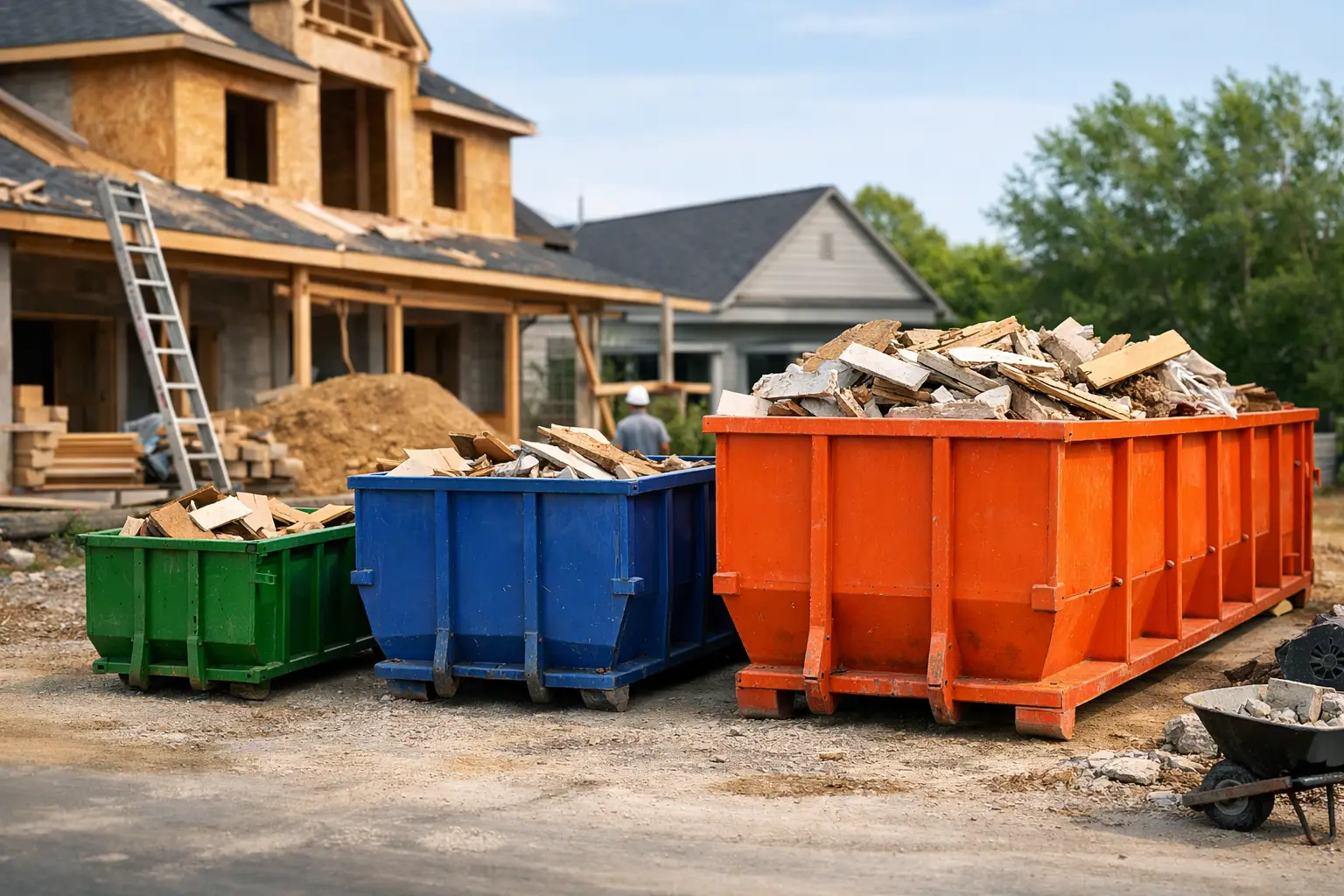
A medium-size dumpster is usually the safer choice for multi-room cleanouts, flooring removal, kitchen tear-outs, or moderate renovation work. This is the size many homeowners and property managers end up needing because it gives enough room for bulky material without going so large that you are paying for empty space.

Large dumpsters are better for major remodels, estate cleanouts, roofing jobs, construction debris, and bigger property turnovers. Contractors often choose larger sizes because labor moves faster when crews are not trying to conserve every inch of space.

The real question is not only how much debris you have. It is also how quickly it adds up once demolition starts. A bathroom demo looks small on paper until the tile, vanity, drywall, and subfloor are all sitting in one pile.

Think about volume first, then weight

Dumpster size is usually discussed in cubic yards, which is a volume measurement. That tells you how much material can fit inside the container. But weight matters just as much because certain debris fills the weight allowance long before it fills the dumpster.

Household junk, cardboard, old clothing, and yard waste are relatively light. Concrete, dirt, roofing shingles, brick, and dense demolition debris are much heavier. So if your project involves heavy material, you may need a smaller container than you expected, simply because loading a large one with dense debris can push weight limits too far.

This is where people get tripped up. They assume bigger is always better. Sometimes it is. But for heavy debris, the smarter move is often the right size with the right hauling plan, not the biggest container available.

Match the dumpster to the material

If you are clearing out a house before a move, volume is usually the main issue. Couches, mattresses, bags of trash, broken shelves, and old toys take up space fast but are not usually the heaviest loads. In that case, going a little larger can save you from cramming items in awkwardly.

If you are replacing flooring, tearing out a kitchen, or removing fencing, both weight and shape matter. Cabinets and lumber stack differently than loose junk. Flooring materials, especially tile, can get heavy fast. A medium dumpster often works well, but if the project covers a large area, you may need more room than expected.

If the job is roofing, concrete, masonry, or dirt removal, you need to be especially careful. These materials are dense, and the right choice often depends on the number of squares of roofing or the amount of hard material being removed. Bigger is not automatically the better option here.

Yard work sits somewhere in the middle. Branches, brush, palms, and storm debris can take up a lot of room, but green waste may not be as heavy as renovation debris unless you are mixing in dirt, stumps, or wet material.

Space on your property matters too

A dumpster can only help if it fits where you need it. Driveway length, gate access, overhead wires, low tree branches, HOA restrictions, and street placement rules all affect what works best.

A homeowner may have enough debris for a large dumpster but not enough room to place one comfortably. In that case, it may make more sense to use a smaller size with a planned pickup, especially if the cleanup is happening over several days. On a commercial site or a bigger renovation property, space is often less of an issue, so the larger size can improve efficiency.

This is one reason local service matters. A dependable company will ask where the container is going, what the access looks like, and what the job involves before suggesting a size.

When it makes sense to size up

If you are stuck between two sizes, sizing up is often the safer choice for bulky mixed debris. The price difference between sizes is usually smaller than the cost and delay of needing a second dumpster or extra haul.

That is especially true for whole-home cleanouts, landlord turnovers, office cleanups, and renovation jobs where surprises tend to show up once work begins. People rarely regret having a little extra room. They do regret running out of it halfway through the job.

There is also a labor benefit. When your crew, family, or tenants can toss material quickly without carefully packing every corner, the whole project moves faster and feels less stressful.

When a bigger dumpster is not the smart move

There are times when going bigger wastes money. A small garage cleanout, a few pieces of furniture, or a limited yard cleanup may not justify a larger rental. If the debris is dense, a larger container may also tempt overloading, which can create pickup issues or added charges.

That is why honest sizing advice matters. The goal is not to rent the biggest dumpster. It is to rent the one that fits the job without overpaying.

A quick way to estimate your project

If your debris would pile up like a few pickup truck loads, you are usually looking at the smaller end. If it is several rooms of junk, a moderate remodel, or a noticeable amount of demolition debris, you are likely in medium territory. If the job involves a full property cleanout, large renovation, roofing, or contractor-level debris, larger sizes are usually the better fit.

That said, pickup truck comparisons only help so much. Pickup beds do not measure debris the way dumpsters do, and most people underestimate how much room broken-down material really takes. Drywall, lumber, and furniture never stack as neatly as you think they will.

The easiest way to get the right answer

The fastest way to answer how big dumpster do I need is to describe the job clearly to a local provider. Tell them what materials are going in, whether the debris is light or heavy, and where the container will be placed. A good team can usually point you toward the right size quickly because they have seen the same kinds of jobs many times before.

If your project is in Dade County or Broward County, working with a company that handles both dumpster rentals and haul-away service can make the process easier. Sometimes a full dumpster rental is the best fit. Other times, especially with smaller jobs or tight access, a junk removal crew is the more practical option. A company like A&D Junk Removal LLC can help you figure out which route saves you the most time and hassle.

Don’t guess if the job has real volume

Dumpster sizing is one of those decisions that feels minor until it slows everything down. The right size keeps your cleanup moving, protects your budget, and makes the job feel manageable from day one.

If you are not sure, do not guess based on photos online or what a neighbor used for a different project. Your debris, property, and timeline are different. A quick conversation now can save you a second rental, an overloaded container, or a cleanup that drags on longer than it should. When the container fits the job, everything gets easier.

Small Dumpster Rental Miami: What to Know

A full pickup truck sounds like enough until the debris keeps coming. One bathroom demo turns into broken tile, drywall, old vanity parts, boxes, and dust-covered junk you meant to get rid of months ago. That is usually the point where a small dumpster rental Miami customers can rely on starts making a lot more sense than stacking piles in the driveway or making multiple trips across town.

For a lot of cleanup jobs, bigger is not better. A small dumpster is often the right fit for homeowners, landlords, contractors, and business owners who need to clear debris fast without taking up too much space or paying for more container than the job requires. The key is knowing when a smaller rental works well, when it does not, and how to make the process easy from the start.

When a small dumpster rental in Miami makes sense

Small dumpsters work best on jobs that create a steady amount of debris, but not a full-scale construction site worth of material. Think garage cleanouts, yard debris, a flooring tear-out, a kitchen refresh, a roofing repair on a small section, or clearing out a rental unit between tenants. These are the jobs where junk builds up fast enough to be a problem, but not so fast that you need the largest container on the lot.

Space matters too. In many Miami neighborhoods, driveways are tight, alleys are limited, and street placement is not always practical. A smaller dumpster is easier to place, less disruptive, and more realistic for residential properties or light commercial jobs where you still need room to park, move materials, or keep access clear.

There is also the cost side. If your job will not fill a large container, paying for one usually does not save money. A smaller option can keep the project moving without stretching the budget.

What fits in a small dumpster rental Miami customers usually book

A small dumpster can handle more than people think, but it still has limits. The best use case is bulky waste and project debris from a focused job. That can include drywall, wood, cabinets, broken furniture, yard waste, fencing, carpet, tile, and general cleanup material.

Weight is often the real issue, not just volume. A dumpster may look half full and still be heavy if it is packed with concrete, dirt, brick, or roofing material. That is where people get tripped up. If the debris is dense, you may need a different container size or a different hauling plan, even if the pile does not seem that large.

This is why a quick conversation before delivery helps. A dependable local company will ask what you are throwing away, how much of it there is, and where the container will go. That is not sales talk. It is how you avoid ordering the wrong size and paying for delays.

Small dumpster vs junk removal

This is where it depends on the job.

If you want to load on your own schedule, a dumpster rental is usually the better choice. You can toss debris as the work happens, keep the site cleaner, and avoid having a pile sit around until pickup day. This is especially useful for remodels, cleanouts that take a few days, or jobs where debris comes out in stages.

If you want labor included and do not want to lift, sort, or haul anything yourself, junk removal may be the better move. That works well for furniture, appliances, hoarder cleanouts, office cleanups, or situations where speed matters more than having a container on site.

Some customers start out asking for a dumpster and realize they really want a crew. Others think they need full-service junk removal, but a small dumpster ends up being cheaper and more practical for a weekend project. The right provider should help you choose based on the work, not push one option every time.

What affects the price

The price of a small dumpster rental is not just about size. Rental length, the type of debris, total weight, access to the drop-off area, and local disposal costs all play a part. A short, straightforward rental with general household debris will usually price differently than a container filled with heavy renovation material.

Same-day service can also affect availability, though for many customers it is worth it. When debris is slowing down a job or taking over a property, waiting several days can cost more in lost time than the rental itself.

The cheapest quote is not always the best one. Low advertised rates sometimes leave out weight limits, pickup timing, extra days, or disposal restrictions. What matters is clear pricing and no surprises. If a company cannot explain what is included, that is usually a sign to keep looking.

How to prepare for delivery

Getting ready for a dumpster drop-off is simple, but a little planning saves time.

First, choose a flat area with enough room for both the container and the truck that delivers it. Driveways are common, but the surface needs to be accessible and clear of vehicles, low branches, and obstacles. If the container is going on private property, make sure the space is actually usable before scheduling.

Second, know what is going in the dumpster. Not all waste can be mixed together, and certain items may be restricted. Things like paint, chemicals, tires, batteries, and hazardous waste often need separate disposal. Asking about this upfront prevents problems at pickup.

Third, do not wait until the debris is everywhere. Booking early gives you better timing and keeps the project organized from the start. A dumpster helps most when it arrives before the mess spreads across the property.

Common mistakes people make with small dumpster rentals

One mistake is choosing too small a container just to save a little money. If the dumpster fills up halfway through the project and work stops, the savings disappear fast. Another is overloading it with dense material, which can create safety issues and extra charges.

People also underestimate how long the job will take. Cleanup projects often stretch beyond the original plan, especially during renovations or tenant turnovers. It helps to be realistic about the schedule and work with a company that is responsive if you need pickup or extension adjustments.

Then there is access. A container cannot be placed where a truck cannot safely reach it. Tight corners, blocked driveways, and last-minute vehicle congestion cause avoidable delays. A quick site check, even by phone with photos, can solve most of that.

Why local service matters

With dumpster rental, responsiveness matters almost as much as price. If you are dealing with a renovation, move-out, storm cleanup, or tenant turnover, you do not need a complicated booking process or vague delivery windows. You need someone to answer, show up, place the container where it makes sense, and haul it away on time.

That is where a local company usually has the advantage. They know the area, understand the pace of jobs in Miami and nearby communities, and can often move faster when schedules change. For customers in Dade and Broward counties, that can mean less waiting, fewer headaches, and better communication from start to finish.

A company like A&D Junk Removal LLC also brings another practical benefit. If the project changes, you are not stuck with one narrow service. Maybe the dumpster handles most of the debris, but you also need demolition, material delivery, a bobcat, or a final junk haul. Working with one team can save time and keep the job simpler.

How to tell you found the right rental company

You should be able to get straight answers quickly. What size do you recommend for this job? What materials are allowed? How long is the rental? What happens if I need pickup sooner or later? Is the price clear?

A reliable company will not make these answers hard to find. They will explain the process in plain language, set realistic expectations, and help you match the service to the actual job. That matters whether you are clearing out a home, managing a property, or keeping a contractor schedule on track.

The best small dumpster rental experience feels easy. The container shows up when expected, fits the space, holds what you need it to hold, and gets hauled away without you chasing anyone down. That is the whole point.

If you are planning a cleanup or small renovation, do not guess your way through the debris part. A well-sized dumpster can keep the site cleaner, the work moving, and the stress level lower from day one. If you want help figuring out the right fit, you can learn more at https://Www.Ad-junkremoval.com and get the job moving without the usual back-and-forth.

Dump Trailer Rental Miami: What to Know

A renovation always looks manageable at the start. Then the drywall piles up, the old cabinets hit the driveway, and suddenly your pickup bed looks way too small. That is usually the moment people start searching for dump trailer rental Miami options – not because they want extra equipment, but because they want the mess gone without losing a whole weekend to hauling.

For a lot of projects, a dump trailer is the practical middle ground between doing everything yourself and paying for full-service junk removal on every load. It gives you time to load debris at your pace, keeps the work area cleaner, and takes one major headache off your list. The catch is that not every cleanup job needs the same setup, and not every rental works the way customers expect.

When dump trailer rental in Miami makes the most sense

A dump trailer rental is usually the right fit when you have debris coming out over a day or two and need a container on-site while the work is happening. That could mean a bathroom remodel, roof tear-off, flooring replacement, yard cleanup, eviction cleanout, or a small construction job. Instead of stacking waste in a corner and figuring it out later, you load it once and have it hauled away.

That convenience matters more than people think. On active job sites, debris slows everything down. It takes up room, creates trip hazards, and makes the property look worse before it starts looking better. For homeowners, that means stress. For contractors and property managers, that means delays and complaints.

Miami jobs also bring their own conditions. Tight driveways, busy streets, fast-moving weather, and limited time windows can turn a simple cleanup into a frustrating one. A trailer that is delivered where you need it and picked up on schedule can keep the project moving without constant dump runs.

Dump trailer rental Miami vs. a dumpster

People often use these terms like they mean the same thing, but there are real differences.

A dump trailer is often easier to place, especially on residential properties where space is limited. It can work well for short-term projects and jobs that need fast turnaround. Because it is on wheels, delivery and removal can also be more flexible depending on access.

A traditional dumpster may be better for bigger jobs that produce debris over a longer period. If you are doing a full home gut or a major commercial cleanup, a larger container may make more sense. But for many smaller and mid-size jobs, a trailer is the simpler option.

It depends on the material too. Heavy debris like concrete, dirt, roofing, and demolition waste can change what size container makes sense and how much can be safely loaded. Bigger is not always better if the material is dense.

What you can usually load

Most customers use dump trailers for renovation debris, household junk, yard waste, construction material, fencing, wood, drywall, flooring, furniture, and general cleanup debris. If your goal is to clear a property fast, this type of rental covers a lot of common situations.

That said, there are limits. Hazardous materials, certain chemicals, paint, batteries, tires, and some appliances may require separate handling. Mattresses, electronics, and special disposal items can also come with added rules depending on local disposal requirements.

This is where clear communication matters. The best move is to explain the job up front so there are no surprises when the trailer arrives or when the load is picked up. A good local provider will tell you what is fine to load, what needs to stay out, and whether your material needs a different solution.

How pricing usually works

The first question most people ask is simple: how much is it going to cost?

For dump trailer rental Miami service, pricing usually depends on trailer size, rental length, type of debris, weight, and location. A short residential cleanup with household junk is not priced the same as a roofing tear-off or a heavy demolition load. Weight matters because disposal costs matter.

This is why the cheapest advertised rate does not always end up being the cheapest job. If the price sounds low but leaves out pickup, disposal, overage fees, or time limits, it can get expensive fast. The better approach is to ask for the full cost before booking. You want to know what is included, how long you can keep the trailer, what happens if you need extra time, and what counts as an overloaded or restricted load.

For many customers, the best value is not the lowest number. It is a fair price with clear terms, reliable delivery, and no runaround when the trailer needs to be picked up.

Choosing the right size without overpaying

A common mistake is renting too small and needing a second haul. The other mistake is paying for more capacity than the project will ever use.

For garage cleanouts, furniture removal, yard debris, and smaller remodels, a compact or mid-size trailer often does the job. For roofing, demolition, flooring across multiple rooms, or contractor debris, you may need something larger or a different hauling plan.

The smart way to size it is by the type of debris, not just the amount. Old couches and boxes take up space but do not weigh much. Tile, dirt, concrete, and shingles are the opposite. A provider that understands debris hauling should ask questions before recommending a trailer, because loading limits matter just as much as volume.

If you are unsure, send photos or describe the material in detail. That usually leads to a better fit than guessing based on dimensions alone.

What makes a rental experience easy

The trailer itself is only part of the service. What people really want is a smooth job from drop-off to pickup.

That means responsive scheduling, clear placement instructions, realistic arrival windows, and a team that shows up when they say they will. It also means the driver knows how to place the trailer without damaging the property and can answer basic questions about loading. When pickup day comes, you should not have to chase someone down or wonder if the debris is going to sit there for another three days.

This is especially important for rental homes, HOAs, retail locations, and active construction sites. Delays create problems. If a trailer is blocking access, taking up parking, or holding up the next phase of work, convenience disappears quickly.

That is why local service matters. A company that works these jobs every week understands traffic, neighborhood access, and the need for fast turnaround. If you are booking through a local team like A&D Junk Removal LLC, the value is not just the trailer. It is having one reliable contact for cleanup, hauling, and support services if the project grows beyond the original plan.

Questions worth asking before you book

Before reserving a trailer, ask a few practical questions. How long is the rental period? What materials are allowed? Is there a weight limit? Are delivery and pickup included? What happens if rain delays the job or the project runs long?

Also ask where the trailer can be placed. Some driveways, alleyways, and commercial lots have limitations. If you are in a managed property or a tighter neighborhood, it is worth confirming access ahead of time instead of sorting it out after the driver arrives.

And if your cleanup may turn into more than a trailer job, say that early. Sometimes a mixed project needs a trailer for debris, junk removal for bulky items, or even site help for loading and material movement. Getting that sorted at the start can save time and money.

The best rental is the one that keeps your project moving

A dump trailer is not flashy. It is just one of those services that makes everything else easier when it is handled right. The debris has a place to go, the site stays cleaner, and you can focus on the actual work instead of figuring out disposal load by load.

If you are planning a cleanup, renovation, or property turnover, the right dump trailer rental Miami service should feel simple from the first call. Fair pricing, clear answers, on-time service, and no hassle – that is what actually helps when the job is already messy enough.