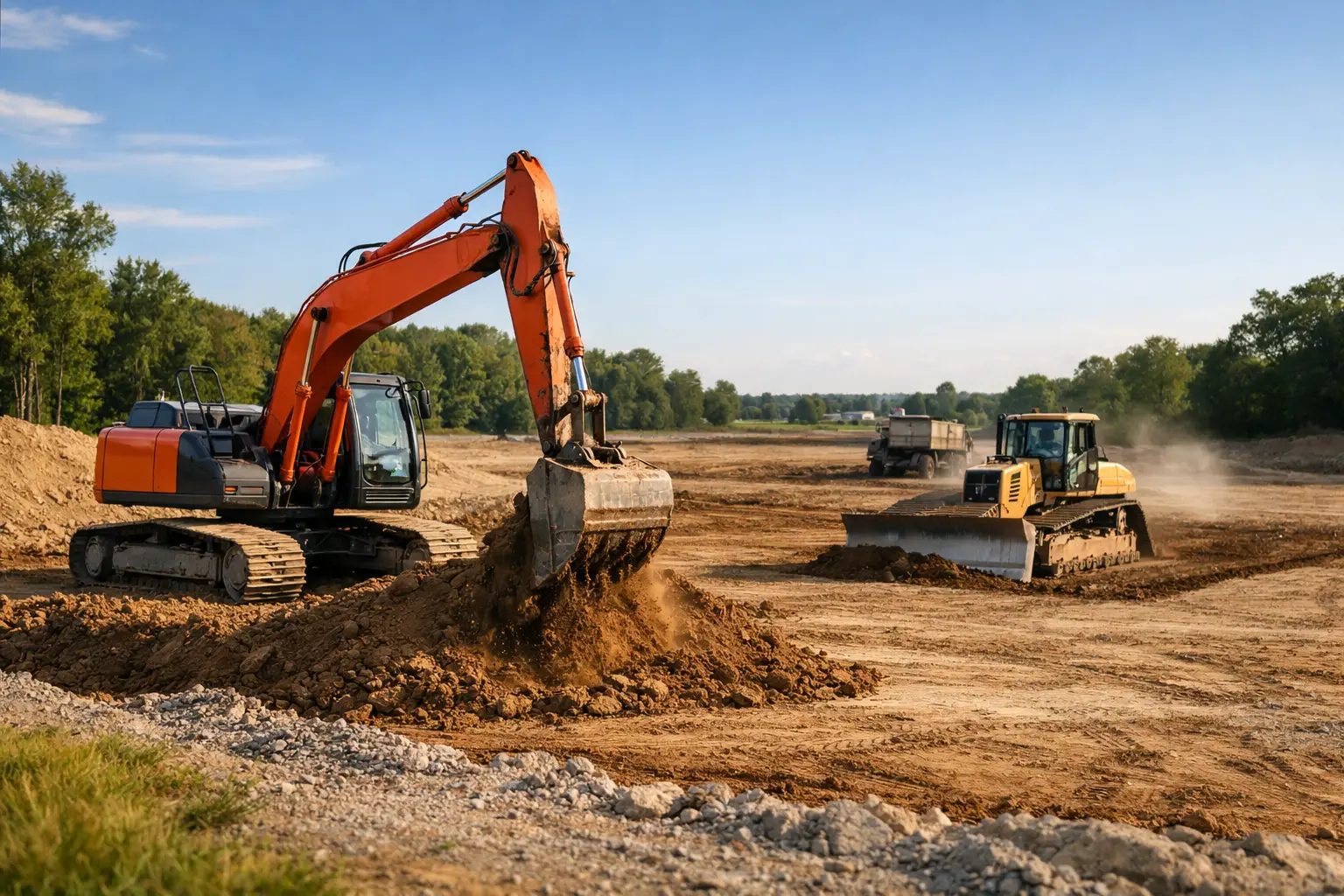
A project can look ready from the street while the ground tells a different story. Old concrete, roots, buried debris, uneven soil, and piles of demolition waste can slow down a driveway, patio, addition, pool, or commercial improvement before the first new material arrives. Proper site excavation clears those obstacles and gives the next phase of work a clean place to start.
For homeowners, property managers, and contractors, the goal is not simply to move dirt. It is to prepare the property safely, keep debris under control, and avoid paying for equipment or labor that does not match the job. A well-planned excavation keeps the site organized, accessible, and ready for what comes next.
What Site Excavation Actually Includes
Site excavation is the process of removing, relocating, or grading soil and unwanted material to prepare land for construction, drainage work, landscaping, demolition, or access improvements. The exact scope depends on the property and the project plan.
A small residential job may involve clearing out a section of yard for a shed pad, patio, or paver installation. A larger job may require removing broken concrete, digging out unsuitable soil, leveling an area, hauling debris, and bringing in clean fill or aggregate. On a renovation site, excavation often starts after demolition, when old footings, flooring, landscape materials, and construction debris need to be removed before new work can begin.
The difference between a clean job and a frustrating one is usually coordination. Heavy material needs the right machine. Loose debris needs a reliable disposal plan. Material deliveries need a clear place to be dropped without blocking access for other trades.
Start With the Ground and the Scope
Before equipment arrives, define what needs to be removed, where the material will go, and what the finished area should look like. “Level the yard” can mean several different things. It may mean removing a high spot, filling low areas, creating a gentle slope away from a structure, or simply clearing enough space for another contractor to begin.
Walk the site and look for access limits. Narrow gates, soft ground, parked vehicles, overhead lines, sprinkler systems, fencing, and nearby structures all affect how the work should be handled. A compact machine can be a practical choice for tight residential spaces, while a larger excavation may call for different equipment and a more involved hauling plan.
It also helps to know whether material is staying on-site or leaving the property. Reusing clean soil can save time and disposal costs when it is suitable for grading or filling. But dirt mixed with roots, concrete, tile, trash, or demolition debris may need to be separated and hauled away. Keeping those materials mixed can make disposal harder and more expensive.
Call Before You Dig
Never assume utility lines are far below the surface or outside the work area. Underground electric, gas, water, sewer, irrigation, cable, and communication lines can create serious safety risks and expensive repairs. Arrange for the appropriate utility locating process before digging, and make sure everyone working on the site knows where marked lines are located.
Permits may also apply depending on the excavation depth, drainage changes, structural work, tree removal, and local requirements. A property owner or contractor should confirm what is needed before work begins. Skipping that step can stop a project halfway through, which is far more disruptive than planning ahead.
Why Equipment Choice Matters
A shovel and wheelbarrow may be enough for a small garden project. They are rarely the efficient answer for compacted soil, broken concrete, large root systems, or a full trailer load of debris. This is where Bobcat services can make a major difference.
Compact equipment can dig, scrape, lift, load, and move material quickly while working in spaces where larger machinery cannot fit. It can help clear a demolition area, load a dumpster or trailer, relocate piles of soil, spread aggregate, and prepare a more even working surface. The savings are not only about speed. Reducing manual handling can make the site safer and keep a crew focused on skilled work instead of repeated hauling.
Still, more equipment is not always better. If the area is small, access is limited, or the ground is saturated, a large machine can create unnecessary damage. The right approach depends on the footprint, soil condition, amount of material, and the final grade required.
Keep Debris From Taking Over the Job
Excavation and cleanup go together. Once soil is moved, hidden material often appears: old landscaping fabric, concrete chunks, fence posts, scrap metal, wood, tile, or general junk left by a previous owner. If there is no plan for that material, it ends up in the driveway, on the sidewalk, or in the space needed for deliveries.
A dumpster rental or scheduled debris hauling gives the job a place for waste from day one. It also helps separate usable material from trash. Concrete, clean fill, green waste, and general construction debris may have different disposal needs, so ask about the best way to stage the load before filling a container.
For active job sites, timing matters just as much as capacity. A container delivered too early can block access. One removed too late can leave crews working around a growing pile. Scheduling pickup around demolition, excavation, and delivery days keeps the property cleaner and reduces repeat handling.
Plan for Drainage, Not Just a Flat Surface
A site that looks flat is not necessarily ready for a build. Water needs a path away from structures and toward approved drainage areas. Poor grading can lead to standing water, muddy access, erosion, and moisture problems near foundations.
This matters in South Florida, where heavy rain can expose grading problems quickly. The finished surface should follow the requirements of the project and the property plan, especially around a home, commercial building, driveway, or new hardscape. For work involving major drainage changes, foundations, retaining walls, or engineered plans, coordinate with the appropriate contractor or design professional.
Excavation crews can prepare the ground, move material, and create access, but the final grade should never be treated as an afterthought. Confirm elevations, drainage direction, and any required base material before the equipment leaves.
A Simple Site Excavation Plan Saves Time
The most dependable jobs usually have a clear sequence. First, identify the work area and utility markings. Next, remove junk, vegetation, old materials, or demolition debris that will interfere with equipment. Then excavate, grade, or relocate soil according to the project needs. Finally, haul away waste or bring in the material needed for the next phase.
This order prevents a common problem: paying to move the same pile more than once. It also gives contractors a cleaner handoff. A concrete crew does not want to work around loose trash. A paver installer needs a prepared base. A landscaper needs access without a mountain of broken concrete in the way.
For property owners, it is worth asking a few practical questions before booking work: What will be removed? What will stay? Where will equipment enter? Who handles hauling? Is clean fill, gravel, or another material needed after excavation? Clear answers protect the budget and prevent last-minute surprises.
Get the Site Ready Without the Runaround
A&D Junk Removal LLC helps customers in Dade and Broward counties handle the work around site preparation, including debris removal, dumpster rental, demolition cleanup, material delivery, and Bobcat services. That means fewer separate calls when a project needs a cleared area, a place for debris, and dependable hauling support.
The best time to arrange excavation support is before demolition debris or soil piles become a bottleneck. Share the project goal, access details, and the type of material on-site so the work can be scheduled with the right equipment and hauling plan.
A clean, properly prepared lot gives every trade that follows a better place to work. Start with the ground, keep the debris moving, and the rest of the project has room to move forward.