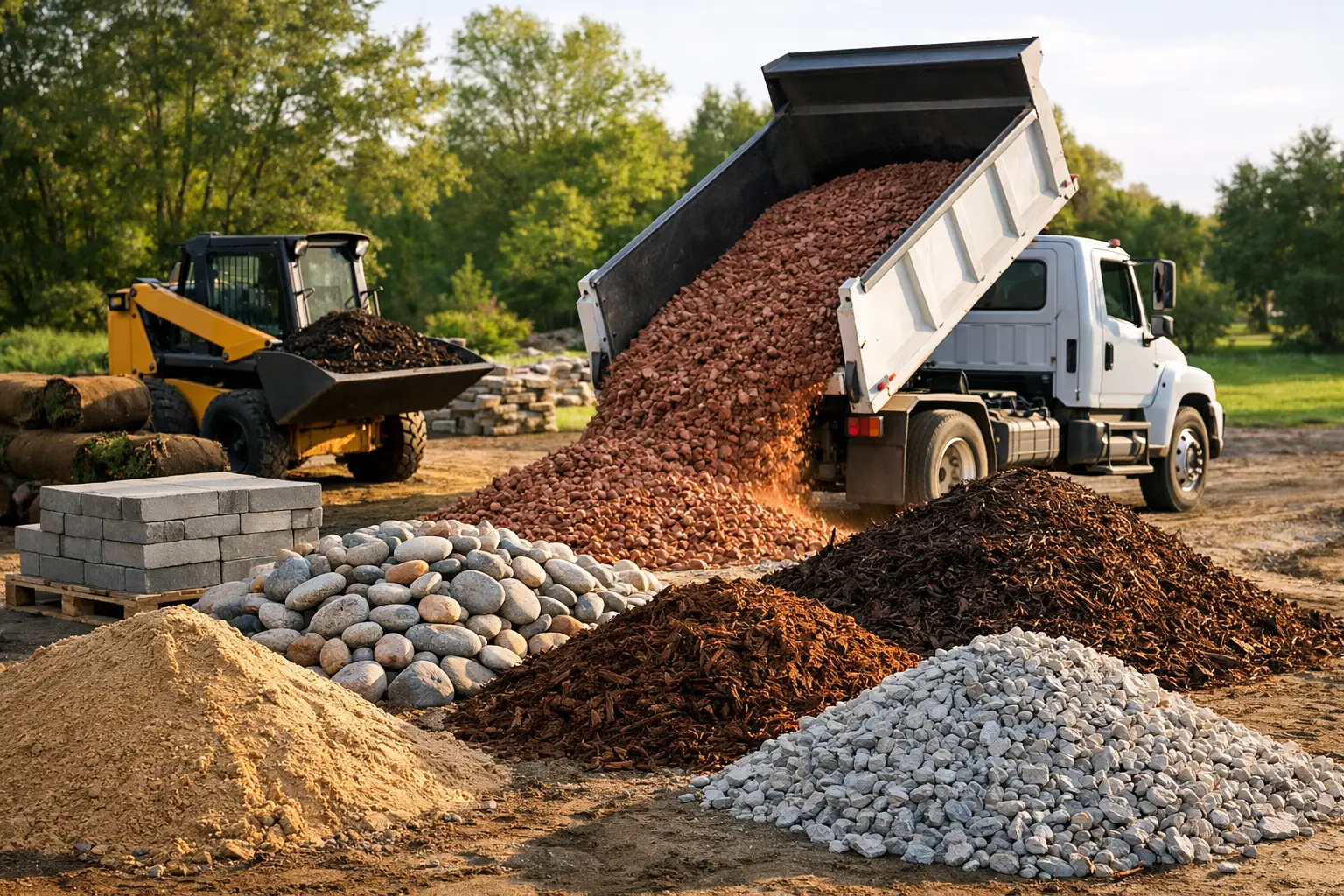
A yard project can get held up fast when the mulch is short, the gravel arrives in the wrong size, or the delivery truck cannot reach the drop spot. The best landscaping material delivery is not just about getting a load of material to your address. It is about getting the right material, in the right amount, placed where it helps your project move forward without extra lifting, cleanup, or delays.
For homeowners, property managers, and contractors in Miami-Dade and Broward counties, that convenience matters. Landscaping materials are heavy, messy, and difficult to transport in a pickup or SUV. A dependable local delivery service can save you multiple trips, protect your vehicle, and keep your outdoor project on schedule.
What Makes the Best Landscaping Material Delivery?
The right delivery service starts with clear communication. Before a truck is dispatched, you should know what material you are receiving, how it is measured, the expected delivery window, and where it can be safely placed. A low advertised price does not help if you end up with a pile of material blocking the driveway or a delivery that arrives after your crew has already left.
Reliable scheduling is especially valuable when several parts of a project need to happen in order. For example, you may need demolition debris removed before bringing in base rock, or you may need fill delivered before a Bobcat can grade the area. Working with a company that understands jobsite flow can reduce the back-and-forth between different providers.
The best service is also realistic about access. Narrow side yards, low tree branches, soft grass, parked vehicles, gates, and overhead wires can all affect where material can be dropped. A quick conversation before delivery prevents avoidable problems on arrival.
Choose the Material for the Job, Not Just the Look
Landscaping materials do different jobs. Ordering based on a photo alone can lead to drainage issues, unstable walkways, or a yard that needs to be redone sooner than expected. Start with the purpose of the area, then select the material that fits it.
Mulch for beds and moisture control
Mulch gives planting beds a clean finished appearance while helping soil retain moisture and limiting weed growth. It works well around trees, shrubs, and flower beds, but it is not a permanent solution. Miami heat, rain, and irrigation break it down over time, so most properties need a refresh periodically.
Keep mulch away from direct contact with tree trunks and plant stems. Piling it too high can hold moisture against the plant and create problems rather than solving them. A moderate, even layer usually looks better and performs better.
Gravel and decorative stone for drainage and durability
Gravel, river rock, crushed stone, and decorative rock are common choices for walkways, side yards, drainage areas, and low-maintenance landscape beds. They hold up longer than mulch, but the trade-off is that they are harder to move later and can spread into grass or nearby areas without proper edging.
For paths or drive areas, the size and type of stone matter. A decorative round rock may look great but shift underfoot. Crushed material generally compacts better for a stable base. If drainage is the main goal, make sure the material and installation plan allow water to move where it needs to go.
Fill dirt, topsoil, and sand for preparation
Fill dirt is often used to raise low spots, support grading, or prepare an area before another material goes on top. It is not the same as topsoil. Topsoil is better for planting because it contains more organic matter, while fill dirt is mainly a structural material.
Sand can be useful for leveling, pavers, and certain drainage applications, but the wrong type can create shifting or washout. If you are preparing a patio, driveway, or paver area, the material underneath is just as important as the finished surface.
Order the Right Amount Before the Truck Arrives
Under-ordering is one of the most common mistakes in landscaping. It may seem safer to buy less, but a second delivery can add time and cost. Over-ordering creates another issue: you may be left with a large pile that has no place to go.
Measure the length and width of the area, then decide on the depth you need. Mulch is commonly spread a few inches deep, while gravel bases and fill areas may require significantly more depth. Sloped areas, uneven ground, and compaction can change the final quantity, so it is smart to allow a reasonable amount for settling and coverage.
Materials are often sold by the cubic yard or by the ton. This is where customers can get confused because volume and weight are not interchangeable. One cubic yard of mulch does not weigh the same as one cubic yard of gravel. When requesting a quote, provide the dimensions of the area and describe what you are building. A knowledgeable delivery team can help confirm whether you need mulch, rock, sand, fill, or topsoil and how much makes sense.
Prepare the Delivery Area First
A little preparation makes delivery faster and safer. Move cars from the driveway, keep pets inside, and clear toys, tools, and loose items from the planned drop area. If you want material placed on a tarp, set it out ahead of time and make sure it is large enough for the full load.
Think carefully about where the pile should go. The closest possible spot is not always the best one. A pile of gravel at the end of a narrow driveway may block access to the garage. Material dumped directly on grass can damage it, especially after rain. And placing heavy stone too close to a fence, drain, or utility box can create an unnecessary headache.
For larger jobs, it may be worth having equipment ready when the material arrives. A Bobcat can move heavy loads much faster than wheelbarrows and shovels, particularly for base rock, fill dirt, or large gravel orders. Coordinating material delivery with site preparation and equipment service helps avoid having supplies sit in the way for days.
Ask These Questions Before Booking Delivery
A good provider should make it easy to understand the basics. Confirm the material type, quantity, price, delivery window, and intended drop location before the job is scheduled. Ask whether the quoted price includes delivery and whether there are access limitations that could affect placement.
It also helps to ask what happens if weather changes the plan. South Florida rain can turn a workable yard into soft ground quickly. A responsible driver may need to avoid entering an area where a loaded truck could get stuck or damage the property. That can be frustrating in the moment, but it is better than repairing ruts, broken pavers, or a damaged lawn afterward.
If your project also involves old fencing, concrete, brush, construction debris, or unwanted materials, plan the removal side at the same time. Clearing the site before new material arrives keeps the workspace safer and makes it easier to see what the project actually needs.
Delivery Is Better When the Whole Project Is Planned
Landscaping is often treated as a simple weekend task until the material starts piling up. A new patio may require demolition, debris hauling, base material, sand, pavers, and final cleanup. A yard refresh may need brush removal, grading, mulch, and disposal of old edging or broken planters.
Using separate providers for every step can work, but it can also create scheduling gaps and extra stress. A&D Junk Removal LLC supports projects with material delivery, junk removal, dumpster rental, demolition, and Bobcat services, making it easier to handle the messy work around the landscape upgrade. The goal is simple: get the old material out, bring the new material in, and leave you with a jobsite that is ready for the next step.
The cheapest load is not always the best value if it arrives late, is placed poorly, or forces you to arrange another truck for cleanup. Look for a provider that answers the phone, gives straight answers, respects your property, and treats your time like it matters.
A well-planned delivery turns a pile of material into real progress. Measure the space, prepare the drop area, confirm the details, and schedule help that can keep the entire project moving without the hassle.