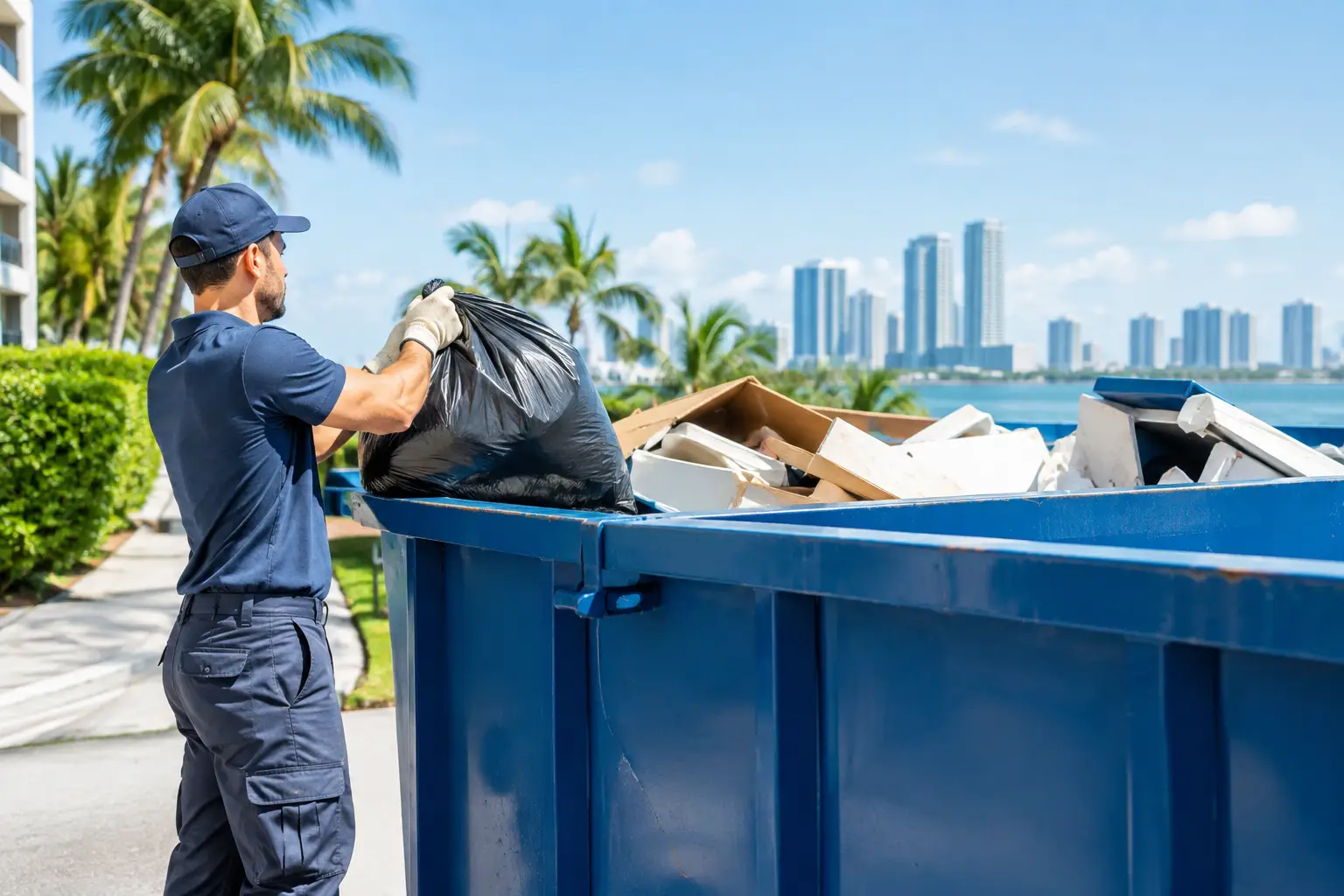
A garage cleanout can start with a few boxes and end with an entire driveway full of old furniture, broken equipment, and renovation debris. Knowing what can go in dumpsters before the trailer arrives keeps your project moving, helps avoid extra fees, and makes pickup day simple.
For most home, rental, business, and construction cleanups, a dumpster is the easiest way to handle large amounts of ordinary solid waste. The key word is ordinary. Most bulky items and project debris are fine, while hazardous materials, chemicals, and a few specialty items need a different disposal plan.
What Can Go in Dumpsters for Most Cleanup Jobs
Dumpsters are built to handle the materials that are hard to fit in a regular trash bin or too time-consuming to haul away yourself. If it comes from clearing out a home, office, rental property, yard, or job site, it is often accepted.
Common household and bulky junk usually includes furniture, mattresses, carpeting, boxes, toys, clothes, shelving, bicycles, non-working small appliances, and general garage clutter. Old tables, chairs, couches, dressers, and bed frames are typical dumpster items. So are bagged household trash, paper, plastic, and other non-hazardous materials from a move-out or estate cleanout.
Yard debris is also usually a good fit. Tree limbs, leaves, brush, palm fronds, grass clippings, and small amounts of soil can often be loaded into a dumpster. Keep in mind that dirt, concrete, and other dense debris add weight quickly. A trailer that looks only half full can still be very heavy if it is loaded with soil, stone, or wet landscaping material.
For renovation work, dumpsters are especially useful for drywall, lumber, cabinets, doors, trim, flooring, tile, shingles, insulation, and packaging from new materials. Kitchen and bathroom updates create more debris than most people expect. A dumpster keeps broken tile, torn-out cabinets, old vanities, and construction scraps contained instead of scattered across the property.
Commercial customers can generally use dumpsters for office furniture, shelving, displays, non-sensitive paperwork, retail fixtures, breakroom items, and non-hazardous debris from tenant turnover. Property managers also use them for apartment cleanouts, damaged furnishings, abandoned belongings, and maintenance debris.
Materials That May Need Their Own Dumpster
Some materials can go in dumpsters, but they need to be separated because disposal facilities handle them differently. This is especially true for heavy materials.
Concrete, brick, block, asphalt, pavers, gravel, dirt, and roofing materials may require a dedicated load or a specific dumpster size. They are recyclable or recoverable in many cases, but only when they are kept relatively clean. For example, a load of concrete mixed with household junk, wood, and plastic is harder and more expensive to process than clean concrete alone.
If you are removing a driveway section, breaking up a patio, demolishing a shed, or clearing fill dirt, say so when scheduling. A&D Junk Removal can help you choose an option that makes sense for the material and the amount you have. This prevents overloading and keeps the job safer for everyone.
Appliances are another item to ask about in advance. Many appliances can be removed, but refrigerators, freezers, air conditioners, and dehumidifiers may require special handling because of refrigerants. Washers, dryers, stoves, and dishwashers are often easier to manage, though requirements can vary by disposal facility.
What Should Not Go in a Dumpster
A dumpster is not a catch-all for every item on a property. Materials that can leak, ignite, contaminate other waste, or harm workers need separate disposal. Tossing them into a load can lead to rejected pickups, added charges, or unsafe conditions.
Do not place these items in a regular dumpster unless you have received clear approval for a special arrangement:
- Paint, stains, solvents, thinners, fuel, propane tanks, motor oil, antifreeze, and other chemicals
- Batteries, car batteries, electronics, televisions, computers, monitors, and fluorescent bulbs
- Tires, medical waste, pharmaceuticals, fire extinguishers, and ammunition
- Asbestos-containing materials, radioactive materials, and other regulated hazardous waste
- Refrigerators, freezers, air conditioners, and similar units that still contain refrigerant
Paint deserves extra attention. A fully dried, solid latex paint product may sometimes be handled differently than liquid paint, but wet paint should never be poured into a dumpster. The same rule applies to oils, cleaners, pool chemicals, pesticides, and any container with unknown contents. When in doubt, keep it out of the load and ask first.
Electronics are also commonly misunderstood. An old television or computer may look like ordinary junk, but it contains components that require specialized recycling. South Florida residents should use approved recycling or household hazardous waste options for these materials rather than mixing them with general debris.
How to Load a Dumpster Safely and Efficiently
The way you load matters almost as much as what you load. Start with large, flat items on the bottom, such as doors, plywood, broken-down furniture, and sheets of drywall. Break down boxes and cabinets when possible. This creates room for smaller pieces and helps you get the most from the container.
Place heavy materials evenly across the bottom instead of piling everything in one spot. Do not stack heavy debris at one end or load material above the top edge. A dumpster needs to be safely covered and transported, and overfilled loads can delay pickup until excess debris is removed.
Keep prohibited items off to the side in a clearly separate area. This is helpful during a fast cleanup, especially when several people are working at once. It is easy for a paint can, battery, or propane cylinder to disappear under bags and boxes if there is no plan for it.
If rain is expected, cover items you want to keep dry, such as reusable lumber, tools, or donation items. Rain can also add a surprising amount of weight to carpeting, mattresses, cardboard, and yard waste. In Miami-Dade and Broward County, a sudden storm can turn a light cleanup load into a much heavier one.
Dumpster Rental or Junk Removal: Which Makes More Sense?
A dumpster rental works well when you want time to sort, load, and work at your own pace. It is a practical choice for remodeling, roofing, landscaping, garage cleanouts, and rental turnovers where debris will build up over a few days.
Junk removal is often the better choice when you want the clutter gone without doing the lifting. If you have a few bulky items, a storage unit cleanout, an old sofa, or a pile of debris that needs to disappear quickly, having a crew load and haul it can save hours of work. It also helps when items are upstairs, in a tight backyard, or too heavy to move safely on your own.
The right option depends on the size of the job, how long the cleanup will take, and how much labor you want to handle. A quick conversation before booking can prevent ordering too much space, not having enough capacity, or including materials that need special handling.
Ask Before You Toss
Every dumpster job is a little different. A simple household cleanout may accept nearly everything you can carry out of the house, while a demolition project with concrete, roofing, appliances, or questionable materials needs more planning. Being upfront about your debris helps the crew recommend the right service and gives you a cleaner, faster pickup.
If you are clearing clutter, renovating a property, or preparing a site in Miami-Dade or Broward County, take a few photos of the pile and separate anything hazardous before loading begins. A&D Junk Removal can help make the rest of the job feel a lot more manageable – so you can clear the clutter and get back to using your space.