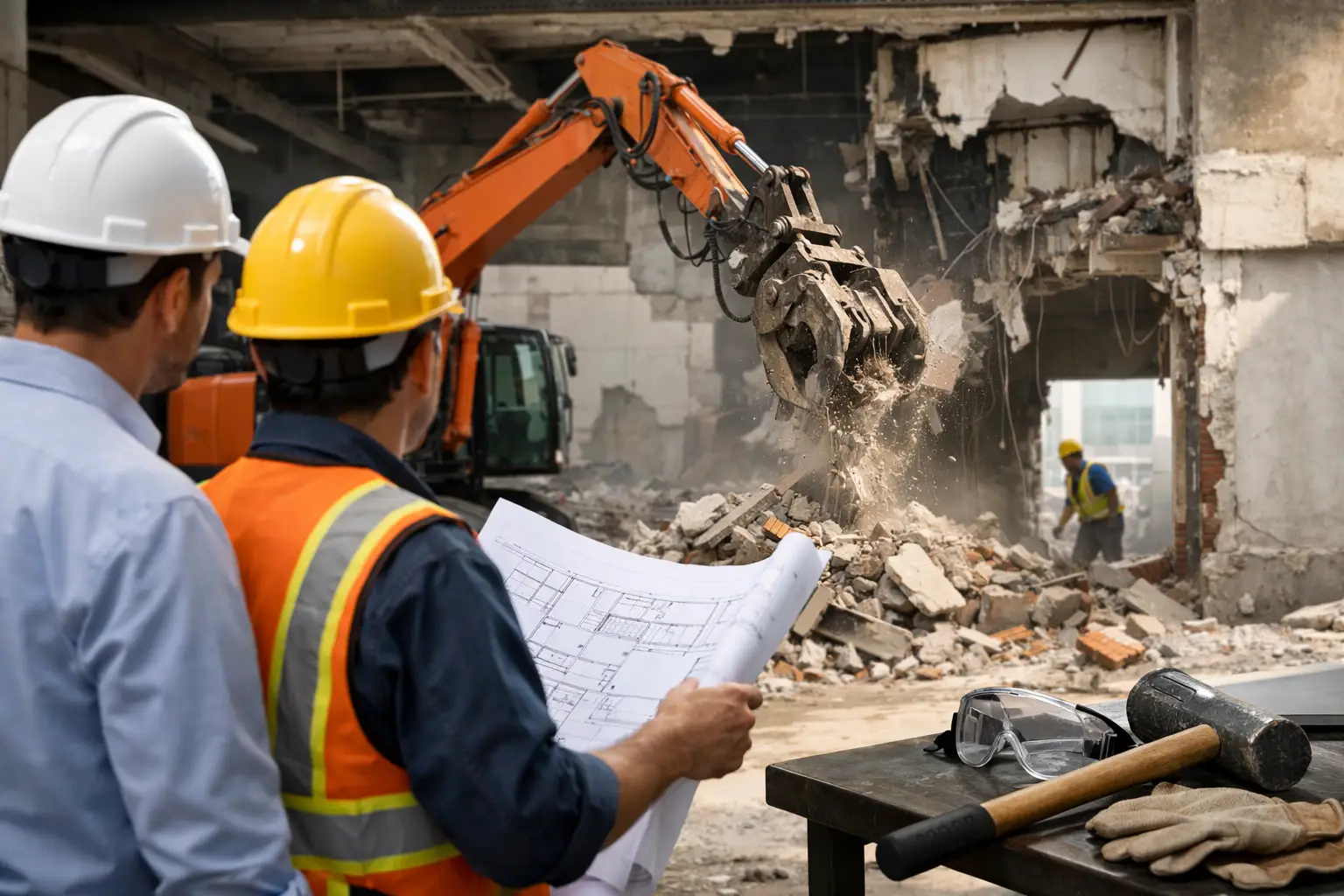
A bathroom remodel can turn into a bigger mess than expected the moment a crew removes the wrong wall, damages a floor that was meant to stay, or lets debris pile up in the driveway. Knowing how to plan selective demolition helps prevent those costly mistakes. It gives your project a clear path: remove what needs to go, protect what stays, and have a reliable way to move debris out quickly.
Selective demolition is not about tearing out everything as fast as possible. It is controlled removal. You may need to take out old cabinets while keeping drywall intact, remove tile without damaging plumbing, or clear out a commercial space while preserving wiring, ceilings, and structural components. The plan matters because the details matter.
Start With What Stays
The first question is not what needs to be demolished. It is what needs to remain untouched.
Walk through the space and identify surfaces, systems, and materials that must be protected. This can include flooring, windows, doors, appliances, HVAC equipment, electrical panels, plumbing lines, load-bearing walls, landscaping, or neighboring tenant areas. Take photos before work begins and mark protected areas clearly.
For a home renovation, that may mean covering a hallway floor before debris is carried out from the kitchen. For a retail or office project, it could mean separating the work zone from an occupied area so dust and noise do not disrupt daily operations.
This step is especially important in older properties. What looks like a simple wall may contain plumbing, electrical wiring, ductwork, or structural support. If you are unsure what is behind a surface, pause and verify before removal begins. A little investigation upfront is far less expensive than repairing a broken pipe or cutting a live line.
Define the Scope Before Anyone Swings a Hammer
A good selective demolition plan is specific. Avoid vague instructions such as remove the old bathroom or clear the back room. Instead, identify exactly what will be removed, what will stay, and where the boundary is between the two.
Your scope should cover the materials involved, such as drywall, tile, cabinets, fixtures, carpet, wood framing, concrete, shelving, or ceiling grid. It should also identify any items that need special handling. Refrigerators, paint, chemicals, batteries, electronics, and certain construction materials cannot simply be mixed into a general debris pile.
If you are working with a contractor, confirm who handles disconnection of water, gas, electrical service, and appliances. Demolition crews should not guess whether something has been safely disconnected. Clear responsibility keeps the job safer and avoids delays.
It also helps to decide whether materials will be saved for reuse. Solid doors, usable cabinets, architectural pieces, pavers, and metal may be worth setting aside. Salvage takes extra time and space, so it only makes sense when the materials have real value or a planned destination.
Check Permits, Safety Risks, and Building Rules
Some selective demolition work requires permits, inspections, or approval from a property manager, homeowners association, or commercial landlord. This depends on the scope of work and whether structural, electrical, plumbing, or mechanical systems are involved.
Before scheduling removal, make sure the project is cleared to move forward. If the property is in a condo, apartment building, or shopping center, ask about work hours, elevator reservations, loading areas, noise restrictions, and where dumpsters or trailers may be placed. These rules can affect the entire schedule.
Safety planning should be just as direct. Older homes and commercial buildings may contain materials that need professional testing or specialized handling, including asbestos-containing materials, lead-based paint, mold-affected materials, or damaged insulation. Do not disturb questionable materials until you know what they are and what removal requirements apply.
There is also the day-to-day jobsite safety side. Plan for shutoffs, ventilation, dust barriers, safe walk paths, personal protective equipment, and a place to keep tools away from children, tenants, pets, and customers. Fast work is good. Unsafe work is never worth it.
Build the Work Sequence Around Access and Cleanup
The best demolition sequence is not always the most obvious one. Think about how workers, tools, and debris will move through the property.
In many projects, it makes sense to remove loose items first, then fixtures, then finishes, and finally framing or heavier materials. Clearing the path early reduces trip hazards and gives the crew room to work. It also makes it easier to separate materials if recycling or salvage is part of the plan.
Access is a major factor in South Florida properties where parking, narrow driveways, gated communities, and busy streets can complicate hauling. Decide where a trailer, dumpster, or pickup truck can safely load. Measure gates and side-yard access if debris needs to come through the back of the property. Make sure the route from the work area to the loading point is protected and clear.
For interior jobs, dust control should be built into the sequence. Remove or cover furniture, seal off nearby rooms, and avoid dragging sharp or heavy debris across finished flooring. If demolition is happening while part of the property remains in use, schedule the messiest work during the least disruptive hours.
Plan Debris Removal Before the Debris Exists
One of the most common project slowdowns is waiting until the pile is already too big to figure out where it will go. Demolition debris takes up space quickly, and materials such as tile, concrete, wood, drywall, and cabinetry can become heavy fast.
Choose the removal method based on the size and pace of the job. A small room refresh may only need a haul-away service after demolition is complete. A multi-day renovation may be better served by a dumpster rental or trailer placed on site. Larger site work may require repeated hauling, equipment support, and coordinated loading.
The right choice depends on your access, the type of debris, available space, and how quickly material will come out. A container can be convenient, but it needs a legal and practical place to sit. On the other hand, scheduled junk removal keeps debris from lingering, but it works best when the pickup timing matches your demolition schedule.
Keep clean materials separated when possible. Metal, cardboard, untreated wood, and reusable items may have different disposal options than mixed construction debris. Responsible disposal takes planning, but it can reduce waste and keep the work area more organized.
Estimate More Than Just Demolition Time
When people set a demolition schedule, they often account for the actual tear-out but forget prep, cleanup, loading, and final sweep-out. Those steps are part of the job, not extras.
Give yourself time to protect surfaces, disconnect fixtures, sort materials, load debris, and inspect the area after removal. If a new contractor is scheduled to begin framing, plumbing, flooring, or installation right after demolition, leave enough room for unexpected issues. Hidden water damage, rotten framing, old repairs, or unmarked lines can change the scope once walls and floors are opened.
A practical schedule also considers weather. Rain can slow exterior demolition, make debris heavier, and create slippery loading conditions. In Miami-Dade and Broward County, it is smart to have a covered area or a quick removal plan when storms are likely.
Communicate the Plan to Everyone on Site
A clear plan only works if the people doing the work understand it. Before demolition begins, walk the space with the crew, contractor, property manager, or homeowner. Point out protected areas, access routes, shutoffs, debris locations, and any materials that require special treatment.
Use simple markings where needed. Tape, paint markers, signs, and photos can prevent confusion when several rooms or crews are involved. If the plan changes, communicate the change before work continues. Do not assume everyone received a text message or understands a quick verbal instruction.
For property managers and business owners, let tenants, employees, or customers know what to expect. A notice about noise, parking changes, dust, or temporary access restrictions can prevent frustration and keep the project moving.
Get the Right Support for the Heavy Work
Selective demolition often calls for more than labor. You may need debris hauling, a dumpster or trailer, material delivery, Bobcat support, or help clearing a site before the next phase begins. Coordinating those services through one dependable local team can reduce the number of calls you need to make and keep the job from stalling.
A&D Junk Removal LLC helps homeowners, contractors, and property managers handle demolition debris and site cleanup without adding another headache to the project. The goal is simple: keep the area clear, remove the waste responsibly, and help you stay ready for what comes next.
The best time to arrange cleanup is before the first piece comes down. When your removal plan is ready, your crew can focus on the work in front of them instead of wondering where the next load of debris will go.