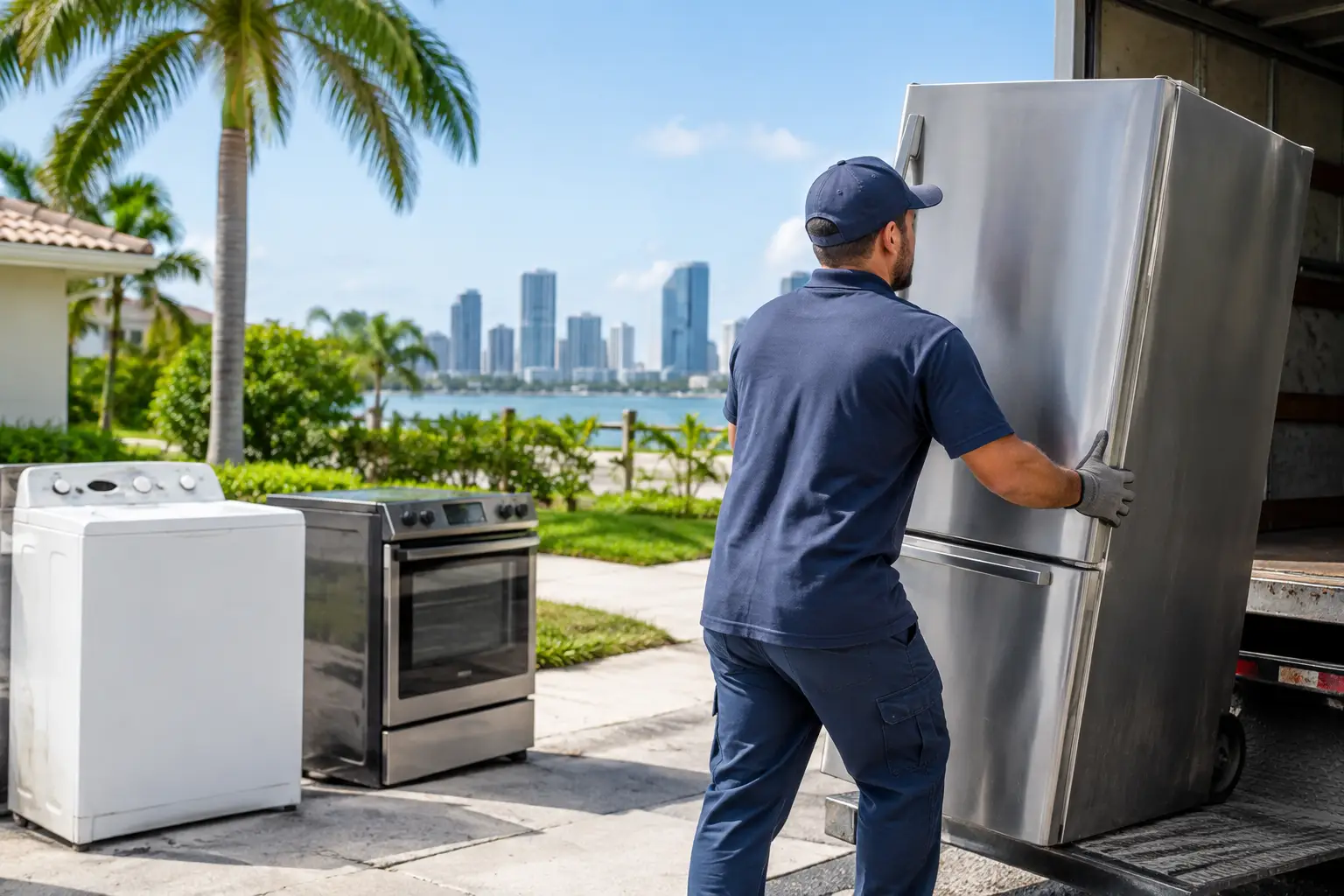
A dead refrigerator in the garage, an old washer blocking a laundry room, or a stove left behind after a move can turn into a bigger headache than expected. If you are searching for how to dispose appliances Dade residents no longer need, the right answer depends on the appliance, its condition, and where you live. The goal is simple: get it out safely, avoid illegal dumping, and reclaim your space without spending your weekend trying to haul heavy equipment.
Start by identifying what kind of appliance you have
Not every appliance belongs in the same disposal pile. Smaller household items such as microwaves, countertop ovens, coffee makers, and fans are usually easier to load and remove. Large appliances such as refrigerators, freezers, washers, dryers, dishwashers, ranges, and water heaters require more planning because of their weight, size, and materials.
Refrigerators, freezers, air conditioners, and dehumidifiers need extra care. These units may contain refrigerant, oil, or other components that should be handled correctly before recycling or disposal. Do not leave one at the curb or take it apart to make it lighter. Damage to cooling lines can create a mess and may complicate proper handling.
The appliance’s condition also matters. If it is clean, safe, and still working, donation or resale may be an option. If it has electrical problems, rust, leaks, mold, missing parts, or years of wear, responsible recycling or junk removal is usually the more practical route.
How to dispose of appliances in Dade County without the runaround
For many homeowners and renters, municipal bulky-waste collection is the first option to check. Rules vary by city, neighborhood, and service provider, so confirm whether your address is eligible, whether an appointment is needed, and what items are accepted. Some programs have limits on the number of items, pickup dates, or appliance types.
This can work well when you have time to wait and the appliance is already outside in the approved pickup area. It is less convenient when you need the item gone quickly, live in a condo or managed property, cannot move it safely, or are clearing several rooms at once.
A transfer station or recycling facility may also accept certain appliances. That option can save money if you have a truck, proper tie-downs, enough help, and time to make the trip. But a washer or refrigerator can easily weigh more than most people expect. One bad lift, loose load, or scratched vehicle can make a do-it-yourself disposal run more expensive than it first appeared.
For fast removal, a local junk removal team can handle the lifting, loading, hauling, and sorting. This is often the best fit after an appliance delivery, tenant turnover, renovation, estate cleanout, or commercial cleanup. You point out what needs to go, and the crew does the heavy work.
Prepare the appliance before removal
A few minutes of preparation makes appliance removal cleaner and safer. First, unplug the unit. For water-connected appliances, turn off the supply and disconnect hoses only if you can do so safely. Drain washing machines, dishwashers, refrigerators with ice makers, and water heaters as needed. Standing water adds weight and can leak through a home, hallway, elevator, or truck bed.
Empty refrigerators and freezers completely. Remove food, shelves that may slide out, and loose bins. Let the unit defrost if possible, then wipe it dry to prevent odors and puddles. If it is sitting for a day or more before pickup, secure the doors so children and pets cannot become trapped. Never leave an unplugged refrigerator or freezer outside with the doors unsecured.
For a stove, dryer, or other appliance with a gas connection, do not disconnect the gas line unless you are qualified to do it. A licensed professional should handle gas disconnection when necessary. Safety comes before speed.
If you are keeping manuals, detachable racks, or accessories for a replacement unit, pull them aside before the removal crew arrives. Let the crew know about stairs, narrow hallways, elevators, gates, parking restrictions, or tight turns. Clear a path from the appliance to the exit. That simple step helps keep the job quick and protects your walls and floors.
Choose the right disposal route for your situation
The cheapest option is not always the easiest one. A city pickup may be a good choice for one appliance when you are not in a rush. Recycling can be a solid choice if you can transport the unit and the facility accepts it. Donation is worth considering when an appliance is genuinely in good working order and meets the organization’s requirements.
Junk removal makes more sense when labor is the real problem. Maybe the old dryer is in a second-floor laundry closet. Maybe a refrigerator needs to come through a narrow kitchen. Maybe you have an appliance plus old furniture, boxes, construction debris, and yard waste. A single service that removes everything can save multiple trips and a lot of coordination.
Property managers often benefit from this approach during move-outs. Waiting for a resident to return for an abandoned appliance can delay cleaning and repairs. Contractors and renovators face a similar issue when old kitchen appliances are mixed with cabinets, flooring, drywall, or demolition debris. Clearing the site quickly keeps the next phase of work moving.
Avoid these common appliance disposal mistakes
Illegal dumping is never worth the risk. Leaving an appliance in an empty lot, alley, roadside area, or dumpster without permission can lead to fines and creates a burden for the neighborhood. It also puts appliances containing refrigerant, wiring, metal, or sharp parts where they do not belong.
Do not assume every dumpster accepts appliances. Rental dumpsters may have restrictions on appliances, tires, paint, chemicals, electronics, and other regulated materials. Ask before loading. If you are renting a dumpster for a renovation or cleanup, sorting restricted items ahead of time prevents delays and surprise disposal charges.
Another common mistake is underestimating the move. Appliances are awkward, top-heavy, and hard to grip. Dragging a refrigerator across tile can crack flooring. Trying to carry a washer downstairs with one helper can cause serious injury. If the route is difficult, professional removal is the safer call.
Finally, do not rely on a “free appliance pickup” offer without asking what is included. Some services only collect working units, require curb placement, or exclude refrigerators and other cooling equipment. Confirm the item type, location, labor involved, and timing before you schedule.
When professional appliance removal is the better choice
Professional appliance removal is built for the jobs that are too heavy, too time-sensitive, or too complicated for curbside pickup. It is especially useful when you need same-day or prompt service, have multiple bulky items, lack a truck, or want to avoid lifting anything yourself.
A&D Junk Removal LLC helps homeowners, landlords, businesses, and contractors clear unwanted appliances along with the rest of the clutter or project debris. The crew can remove items from garages, kitchens, storage areas, apartments, offices, and job sites, then haul them away for appropriate disposal. Instead of trying to coordinate a truck, helpers, a disposal location, and your schedule, you can get the space cleared in one visit.
Before booking, have a basic list of what needs to go and mention any large cooling appliances, stairs, or access challenges. Photos can also help provide a clearer estimate. Clear communication up front leads to faster scheduling and fewer surprises on removal day.
That old appliance has already taken up enough room. Choose the disposal option that fits your timeline, protect your property and your back, and get your space ready for what comes next.