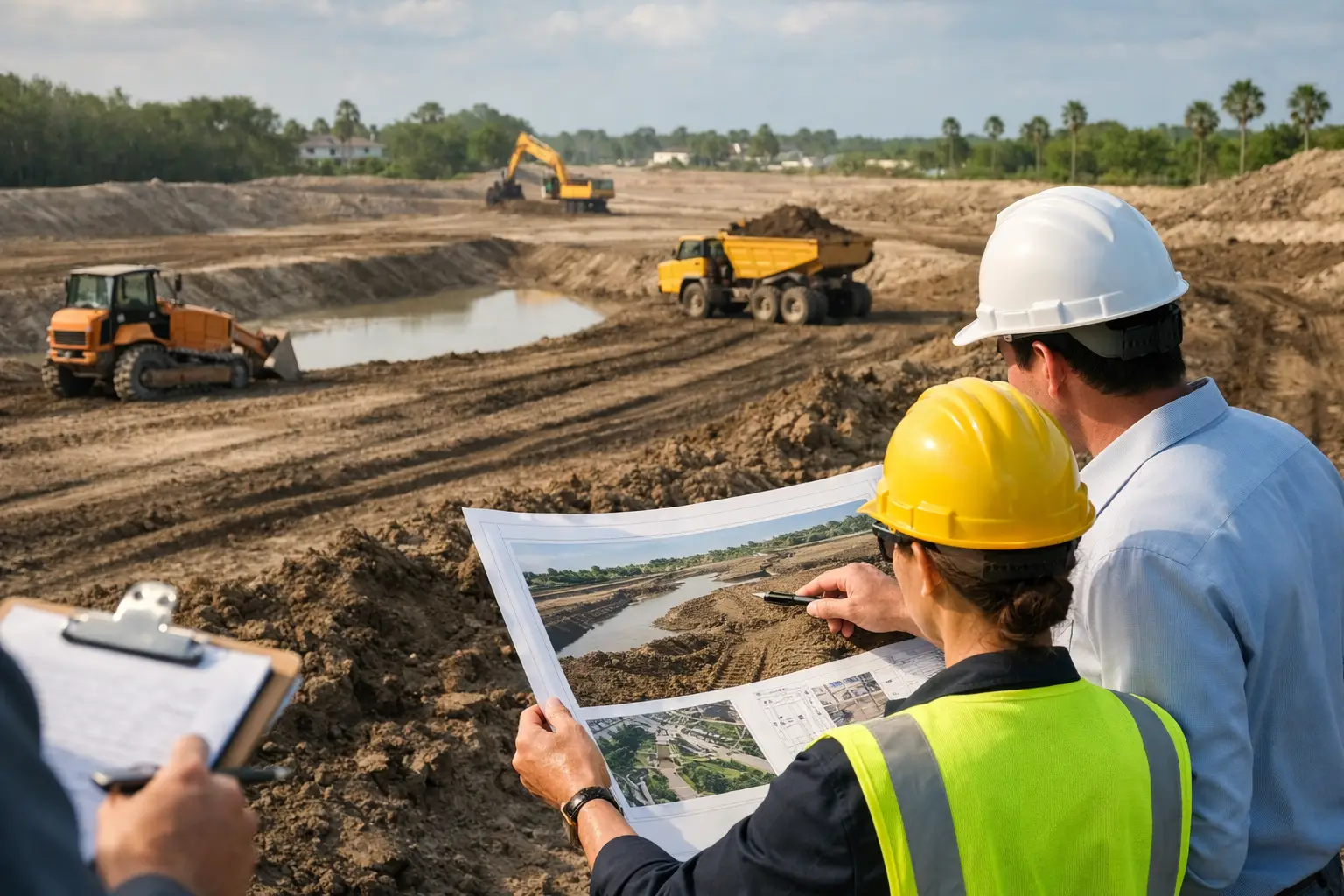
A grading job can look finished at first glance and still create expensive problems after the next hard rain. Strong Dade grading project results are not just about making a lot look flat or moving dirt from one side of a property to another. They show up in how water moves, how equipment can access the site, and how ready the ground is for the next phase of work.
For homeowners, contractors, property managers, and business owners, proper site preparation removes a major source of project stress. Whether you are clearing a yard for a new patio, preparing a lot for construction, cleaning up after demolition, or improving access around a property, the goal is a clean, usable site that does not hold up the work ahead.
What Good Dade Grading Project Results Look Like
The best grading results are practical. The site should have the right shape and slope for its intended use, without unnecessary low spots, loose piles, or uneven access areas. A finished project may not look dramatic in photos, but crews working on the property should immediately notice the difference.
Water has a clear place to go
Drainage is one of the biggest reasons grading matters in Miami-Dade and Broward County. Heavy rain can expose problems quickly. If water collects near a structure, driveway, walkway, or work area, it can lead to muddy conditions, erosion, and delays.
A properly prepared site directs water away from buildings and areas that need to stay stable. The exact slope depends on the property, soil, existing drainage, local requirements, and the plans for the site. There is no one-size-fits-all grade that works for every yard or commercial lot. The right result is one that supports drainage without creating runoff problems for neighboring areas.
The ground is ready for the next crew
Grading is often one part of a larger job. Concrete crews, landscapers, paver installers, roofers, fence contractors, and builders all need room to work safely and efficiently. A site with debris, uneven piles of material, or poor access can slow everyone down.
Good results leave a clear path for the next trade. That can mean removing old fencing and brush before equipment arrives, hauling away demolition debris, leveling access areas, or delivering base material where it is needed. When those details are handled early, the rest of the project has fewer surprises.
Access is cleaner and safer
A property does not need to be a major construction site to benefit from better access. A soft backyard, a narrow side yard filled with debris, or a rough driveway entrance can make simple work much harder. Bobcat support and material handling can help prepare these areas when the scope and access allow it.
The goal is not to overwork the property. It is to create a practical working area for the job at hand. That may mean clearing a route for materials, removing a damaged shed, or cleaning out a section of the lot so a contractor can start without working around old junk.
Grading Is Only as Good as the Cleanup Around It
Site grading and cleanup are closely connected. Dirt, concrete, tree waste, broken block, old lumber, roofing material, and household junk can all get in the way of equipment and create unnecessary work. Leaving waste on the property after site prep also makes it harder to see whether the area is truly ready.
That is where project support makes a difference. A&D Junk Removal LLC helps customers handle the debris and logistics that often surround a grading or site-prep job. Instead of booking separate companies for cleanup, dumpster rental, hauling, demolition, and material delivery, you can coordinate the services needed to keep the project moving.
For smaller residential jobs, that might mean removing an old playset, shed, or piles of yard waste before a landscaper starts. For a renovation or commercial property, it may involve a dumpster trailer, demolition debris removal, and a clear loading area for incoming materials. The best approach depends on the size of the job, the site layout, and what needs to happen next.
Before-and-After Results Matter More Than Freshly Moved Dirt
Freshly graded soil can make a property look clean, but appearance is only part of the result. Before calling a job complete, take a practical look at the site.
- Are there visible low spots where water is likely to collect?
- Is debris removed so the next crew has clear room to work?
- Can vehicles, trailers, or equipment reach the needed area safely?
- Are materials placed where they can be used without creating another obstacle?
- Has the site been left clean enough for the owner to understand what was completed?
These questions matter because cleanup and access problems do not disappear on their own. They usually become someone else’s delay, added labor, or disposal bill. A clean site gives you a more accurate picture of the work completed and helps prevent last-minute scrambling before the next scheduled service.
Common Problems That Hurt Project Results
One common mistake is treating grading as a quick fix for standing water without identifying where the water should go. Filling a low area may simply push water toward a home, a neighbor’s lot, or another low point. Drainage decisions should account for the full property and any applicable local requirements.
Another issue is starting equipment work before unwanted materials are removed. Buried concrete, scrap metal, old landscape edging, and construction debris can interfere with grading and damage equipment. Clearing the area first is often faster and safer than stopping midway through the job to deal with hidden waste.
Poor scheduling can also create avoidable trouble. If demolition debris is still sitting on the site when fill, gravel, or other materials arrive, valuable working space disappears. On tight properties, it helps to plan the order of operations: remove what is in the way, prepare access, bring in materials, and haul away the remaining debris as the work progresses.
When You May Need More Than Basic Site Preparation
Some projects require engineering, permits, drainage design, utility locating, or specialized excavation work. This is especially true when the work affects a building foundation, large drainage changes, property lines, public sidewalks, or underground utilities. In those cases, site support and debris removal still play an important role, but they should be coordinated with the appropriate licensed professionals and local rules.
For straightforward cleanup, material movement, light demolition, dumpster rental, and Bobcat-related site support, the focus is simpler: make the property easier to work on. Clear clutter, remove debris, create room for the job, and keep waste from taking over the site.
Plan for a Cleaner Start and a Better Finish
The fastest projects are rarely the ones that rush through the first day. They are the ones that make room for equipment, materials, and workers before the schedule gets tight. A quick walkthrough of the property can reveal what needs to be hauled away, where a dumpster trailer can sit, and whether access needs attention before work begins.
If your property has old debris, demolition waste, unwanted structures, or material piles standing between you and a finished project, handle those obstacles early. A clean, accessible site gives every contractor a better place to work and gives you a clearer path from project plans to real results.