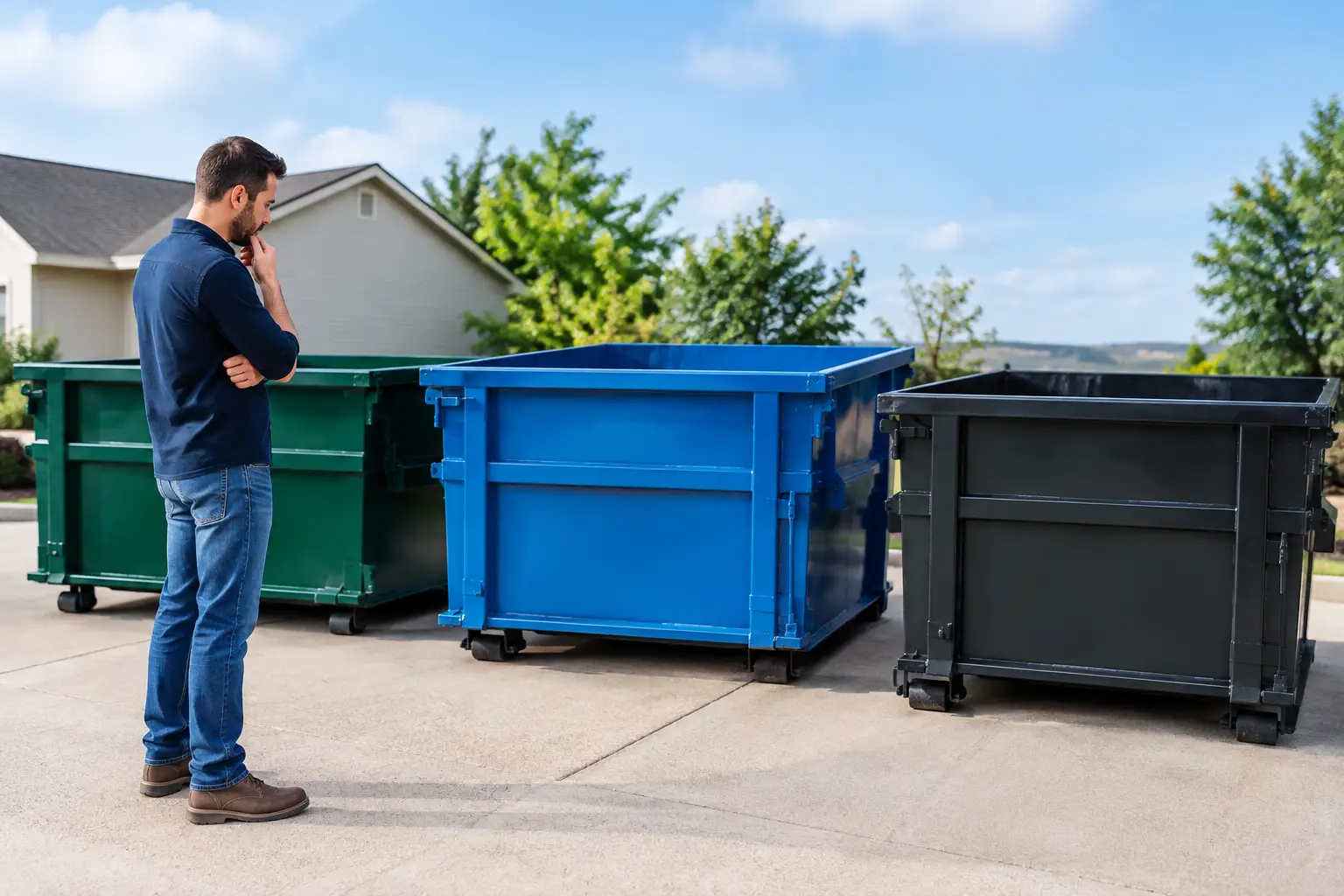
A garage cleanout can look manageable until the old furniture, bags, boxes, and broken equipment start piling up. Dumpster size selection is what keeps a simple cleanup from turning into an overflowing trailer, a second pickup, or money spent on space you never use. The right size depends on what you are throwing away, how bulky it is, and how much room you have for a container at your property.
For homeowners, contractors, property managers, and business owners, the goal is straightforward: get enough capacity to finish the job in one run without paying for more than the project needs. A little planning before delivery makes the rest of the job easier.
Start With the Type of Debris
Not all debris fills a dumpster the same way. A trailer full of flattened cardboard and bagged household clutter weighs far less than one loaded with tile, concrete, dirt, roofing material, or wet construction debris. That difference matters because container capacity is measured by volume, while disposal limits can also be affected by weight.
Household cleanouts often include furniture, clothing, toys, shelving, boxes, mattresses, and general clutter. These items can take up a lot of space quickly, especially couches, recliners, dressers, and bulky outdoor items. A small container may work for one room, but a whole-house cleanout or move-out usually needs more room than people expect.
Renovation debris is different. Drywall, lumber, cabinets, flooring, and bathroom fixtures can fill a container fast. Tile, concrete, brick, and soil are even heavier. A large dumpster is not always the best answer for dense materials because weight limits may apply. In some cases, separating heavy debris into a smaller load is the safer, more cost-effective choice.
Yard waste also depends on how it is prepared. Loose branches, palm fronds, brush, and landscape debris create a lot of air space. Cutting branches down and loading them efficiently can reduce the size you need. If your cleanup includes dirt, sod, rocks, or concrete, mention that before scheduling so the right hauling plan can be arranged.
Dumpster Size Selection by Project Scope
Think about the job in rooms, truckloads, or work phases rather than guessing from one pile. A few bags at the curb may be better handled with junk removal. A steady stream of debris from a renovation is usually a better fit for a rental container that stays on site while work continues.
Small cleanouts and single-room projects
A smaller dumpster is often a good fit for clearing a bedroom, small storage area, closet, shed, or a limited amount of yard debris. It can also work for minor repairs, such as replacing a small amount of flooring or removing old cabinets from one area.
The trade-off is simple: smaller containers are easier to place and cost less upfront, but they fill faster when furniture is involved. If you have a mattress, sofa, dining set, or large shelving unit in the pile, do not judge the project by the number of items alone. Bulky pieces take up capacity fast.
Medium renovations and larger cleanouts
A medium-size option usually makes sense for garage cleanouts, several rooms of household items, kitchen or bathroom renovations, flooring removal, deck tear-outs, and rental property turnovers. This size gives you breathing room without taking up more driveway or jobsite space than necessary.
For many projects, this is the practical middle ground. You can load throughout the workday, keep the site cleaner, and avoid stopping in the middle of demolition to figure out where the debris will go. If you are unsure between a small and medium size, the medium option can prevent an extra haul when the project has mixed debris or hidden clutter.
Major renovations, construction, and property cleanups
Larger dumpsters are built for bigger jobs: full-home cleanouts, major remodeling work, demolition debris, commercial cleanups, roofing projects, and substantial landscape clearing. They are useful when multiple workers are generating debris or when you need one central place to keep a busy site clean.
More capacity does not mean you should overfill it. Debris must stay level with the top of the container so it can be transported safely. Plan for large items, but break down boxes, remove table legs when practical, and stack materials carefully. Smart loading can make a noticeable difference in how much the container holds.
Measure the Space Before Delivery
The right dumpster has to fit the property as well as the debris. Before scheduling, look at your driveway, parking area, alley, or jobsite entrance. Consider vehicle access, overhead tree branches, low wires, gates, parked cars, and tight turns. A container that looks perfect on paper can be difficult to place if the delivery truck cannot safely reach the spot.
Choose a firm, level location whenever possible. Keep enough clearance for loading and for the driver to place and retrieve the dumpster. If you are using a driveway, ask about protecting the surface with boards under the contact points. This is especially helpful for pavers, decorative concrete, and surfaces that may be more vulnerable to pressure.
For properties in Dade and Broward counties, space can be tight. Townhomes, multifamily buildings, active construction sites, and commercial properties may also have association rules, parking restrictions, or permit requirements. Check those details early instead of waiting until the dumpster is on the way.
Do Not Underestimate Weight
Weight is one of the biggest reasons a rental can become more expensive than expected. A container may still have open space but be too heavy for standard disposal limits. Tile, concrete, asphalt shingles, brick, dirt, sand, and wet lumber add up quickly.
Be direct about the materials in your load. If a project includes heavy debris, say so when you book. A good provider can help determine whether you need a specific container size, a separate load, or a different disposal plan. Trying to hide heavy material among general junk can cause delays, extra charges, or unsafe hauling conditions.
The same goes for items that require special handling. Paint, chemicals, fuel, batteries, propane tanks, certain electronics, tires, and other restricted materials may not be accepted in a regular dumpster. Set those items aside and ask before loading. Responsible disposal protects your property, the hauling crew, and the community.
Choose Rental, Pickup, or Full-Service Removal
A dumpster rental gives you control over the pace of the project. It works well when you are doing the labor yourself, working over several days, or managing a renovation with ongoing debris. You load it as you go, and the container is hauled away when the job is done.
Full-service junk removal is often better when you do not want to lift, sort, or load anything. It is a strong option for furniture removal, estate cleanouts, move-out clutter, appliances, and situations where time is short. The crew does the heavy lifting, which can be a major relief when access is difficult or the items are too large to handle safely.
If you are coordinating demolition, material delivery, or site preparation, choosing one local team for multiple services can also keep the work moving. A&D Junk Removal LLC helps customers match the cleanup plan to the project instead of forcing every job into the same container size.
Ask These Questions Before You Book
Before confirming your dumpster, know what you are removing, where the container will sit, and how long you need it. It also helps to estimate the largest items, not just the number of trash bags. A couch, cabinet set, or pile of drywall can change the recommendation quickly.
Send photos if they are available. A clear picture of the debris pile and placement area can help a provider recommend a size with more confidence. It is one of the fastest ways to avoid guessing, particularly for first-time renters.
The best choice is not always the biggest dumpster. It is the one that fits your debris, your property, your schedule, and your budget. When you are ready to clear the clutter or keep a project site under control, ask for a recommendation based on the actual job. A quick conversation upfront can save you a second haul later.