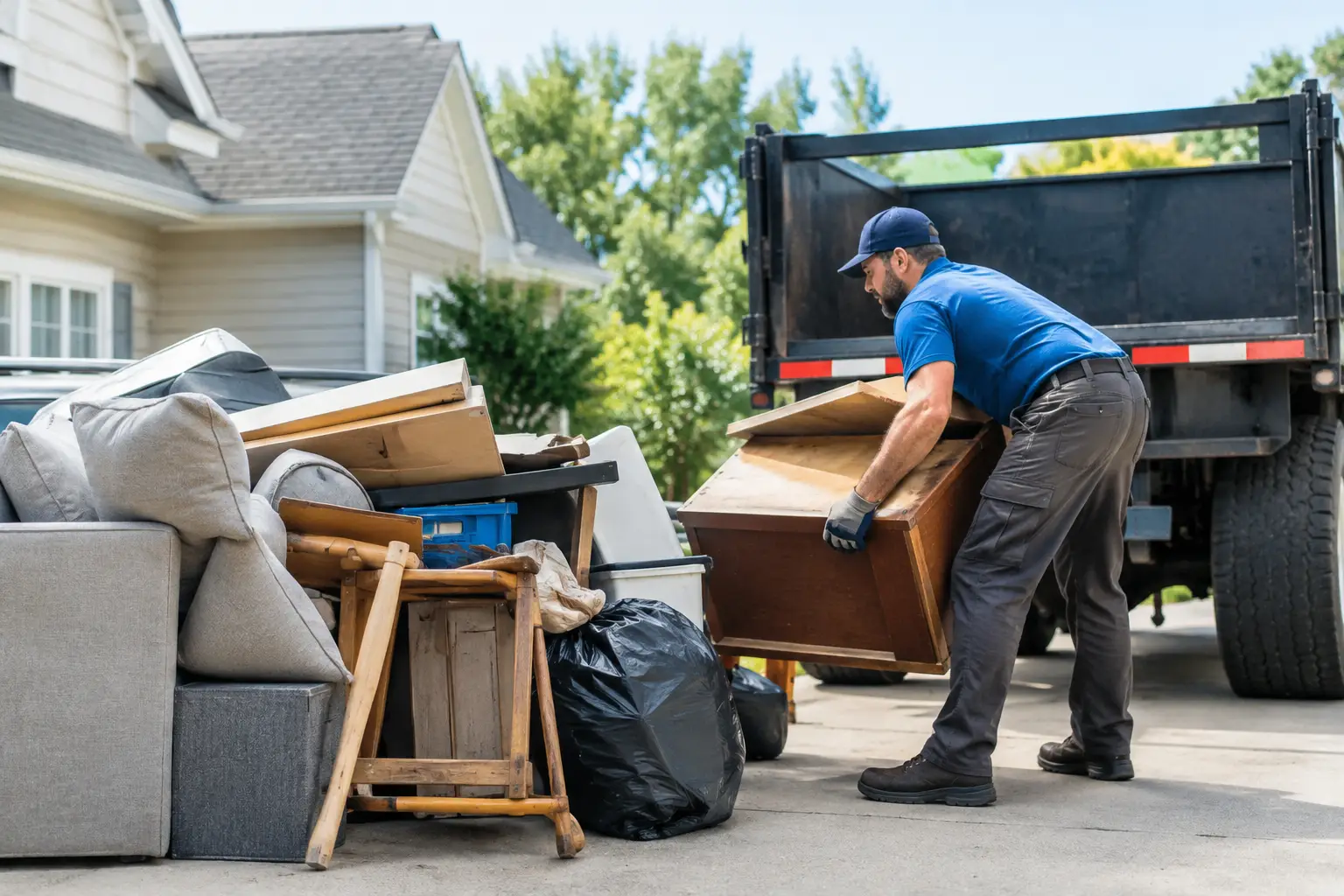
A garage packed with old furniture, a rental unit full of abandoned belongings, or a renovation pile that keeps growing can turn into a major headache fast. So, what can junk removal take? In most cases, a professional crew can haul away the bulky, awkward, and time-consuming items that will not fit in your regular trash bin or vehicle.
The exact answer depends on the item, its condition, local disposal rules, and whether it contains hazardous materials. A dependable junk removal team will explain what can be loaded, what needs special handling, and the best next step when an item cannot go in the truck.
What Can Junk Removal Take? Common Household Items
Junk removal is built for the things that are hard to move, hard to dispose of, or simply not worth dealing with on your own. For homeowners and renters, that often means clearing a garage, storage room, backyard, apartment, or entire home before a move.
Crews commonly remove furniture such as couches, recliners, mattresses, bed frames, dining tables, desks, chairs, dressers, bookshelves, and patio sets. Even heavy or worn-out pieces can usually be removed as long as the crew can safely access them.
Many everyday household items can go too, including:
- Boxes, bagged clutter, old decorations, and general household debris
- Toys, clothing, rugs, exercise equipment, and small appliances
- Televisions, computers, monitors, printers, and other electronics
- Refrigerators, washers, dryers, stoves, dishwashers, and microwaves
- Old grills, bicycles, lawn equipment, and outdoor furniture
Appliances and electronics may require different disposal methods than regular debris. That is normal. Items with refrigerants, batteries, or electronic components should be handled responsibly instead of tossed into a landfill with everything else.
Yard Waste, Garage Cleanouts, and Outdoor Junk
South Florida weather makes outdoor spaces useful year-round, but it also means clutter can build up outside just as easily as it does indoors. Junk removal can help clear branches, brush, leaves, bagged yard waste, damaged fencing, old sheds, and worn patio furniture.
It is also a practical option after a storm cleanup, a landscaping project, or a long-overdue backyard reset. If you have a pile of branches mixed with old household items, separating them before pickup can make the job faster and help the crew plan the right load-out.
Garage cleanouts are another common call. Old paint cans, broken tools, tires, boxes, shelving, and years of stored items can take over the space meant for your car. A crew can handle the lifting and hauling so you can reclaim the room without spending a weekend making landfill trips.
What About Tires and Car Parts?
Tires, auto parts, batteries, and fluids often have specific disposal requirements. Some junk removal companies can take certain items for an added fee, while others may need to leave them behind or direct you to a proper drop-off location. Always mention these items when requesting an estimate so there are no surprises on pickup day.
Construction and Renovation Debris
For contractors, property managers, and homeowners remodeling a space, debris can slow down the whole project. Junk removal is often a good fit for smaller demolition jobs, room renovations, tenant turnovers, and cleanup between project phases.
Depending on the load and local rules, removal crews can usually take materials such as drywall, lumber, flooring, carpet, cabinets, doors, trim, fencing, tile, concrete pieces, bricks, and roofing debris. Fixtures like toilets, sinks, countertops, and vanities can often be hauled away as well.
Heavy materials need a little more planning. A truck can only carry a safe amount of concrete, dirt, tile, or roofing material at one time. For a larger project, a dumpster rental may be the better choice because you can fill it as work moves forward. If debris needs to be removed immediately or there is no room for a dumpster, a haul-away service may make more sense.
A&D Junk Removal LLC can also support projects that need more than a pickup, including demolition, material delivery, and Bobcat services. That can save time when you are preparing a site, clearing debris, and moving materials on the same schedule.
Items That Need Special Handling
Most junk is straightforward. A few categories are not. Hazardous materials can create safety and environmental risks, so professional junk removal crews generally cannot place them in a standard load.
Common restricted or special-handling items include:
- Gasoline, propane tanks, diesel, oil, and other fuels
- Paint, stains, solvents, pesticides, and harsh chemicals
- Medical waste, needles, prescription medications, and biohazards
- Asbestos-containing materials and certain industrial waste
- Explosives, ammunition, fireworks, and pressurized containers
Do not try to hide these items inside bags or boxes. Let the removal company know what you have. In some cases, dried paint or empty containers can be handled differently than full cans, but that depends on the material and disposal rules.
Large amounts of dirt, contaminated debris, and commercial waste may also require a separate plan. The right service will be upfront about those limits and help you avoid an unsafe or rejected load.
Donation, Recycling, or Disposal: It Depends on Condition
Not every unwanted item is truly trash. A clean, working appliance or usable piece of furniture may be suitable for donation. Metal, cardboard, electronics, and some construction materials may be recyclable. The practical option depends on the item’s condition, local facility rules, and the time involved.
For most customers, the goal is simple: clear the space quickly and responsibly. Junk removal takes the logistics off your plate by sorting loads as needed and delivering items to the appropriate disposal, recycling, or donation destination when possible.
That does not mean every item can be saved. Damaged, wet, broken, or heavily worn items may need to be disposed of. The key is avoiding unnecessary dumping and using a team that treats responsible disposal as part of the job.
How to Prepare for a Junk Removal Pickup
You do not need to drag everything to the curb before the crew arrives. In fact, full-service junk removal is meant to reduce the physical work on your end. Still, a little preparation helps the appointment go smoothly.
Start by identifying what stays and what goes. Check drawers, cabinets, and pockets for documents, jewelry, medications, and personal items before furniture or boxes are removed. If something is fragile or not part of the pickup, move it out of the work area or clearly label it.
Next, make a clear path where possible. Move vehicles from the driveway, unlock gates, and let the crew know about stairs, elevators, narrow hallways, or difficult access. For a commercial property or occupied rental, confirm that the right person can provide entry when the crew arrives.
Finally, be honest about the load. Photos and a clear description help a junk removal company estimate truck space, labor, and any special disposal needs. If the pile grows before your appointment, send an update. Accurate information helps keep pricing fair and prevents delays.
When Junk Removal Is Better Than Doing It Yourself
A pickup truck and a few friends may work for one small item. But the job changes when you are dealing with heavy furniture, multiple rooms, a tenant cleanout, construction debris, or an item that cannot be left at the curb.
Professional removal is often worth it when time is short, lifting could cause an injury, disposal locations are unclear, or you need the space cleared in one visit. It is also a practical choice for landlords and property managers who need to turn a unit quickly without coordinating several separate trips.
For customers across Dade and Broward counties, the best first step is to describe the job clearly and ask about any items you are unsure about. A good crew will give you a straight answer, arrive ready to work, and leave you with the space you needed back.