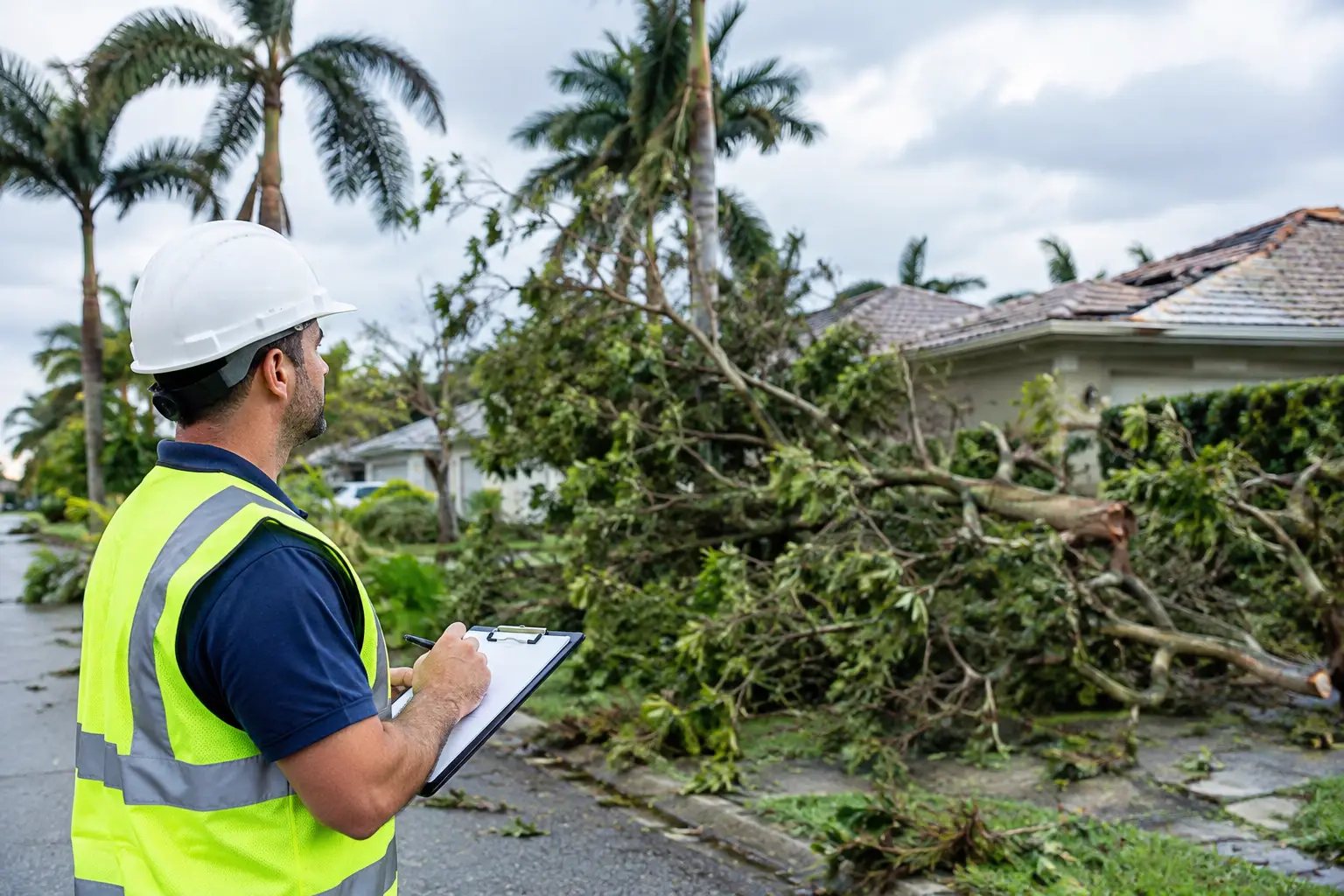
A storm can turn a manageable property into a pile of wet branches, damaged furniture, torn fencing, and debris in a matter of hours. For Dade County storm cleanup, the first goal is not making everything look perfect. It is making the property safe, preventing more damage, and getting a clear plan for what needs to go.
Whether you are clearing a home, rental property, storefront, or job site, a little organization saves time, reduces risk, and makes disposal much easier. Start with the urgent issues, separate debris correctly, and bring in hauling help when the pile is more than your vehicle, schedule, or back can handle.
Start Dade County Storm Cleanup With Safety
Before moving a single item, walk the property carefully. Storm debris can hide hazards that are not obvious from the driveway. Standing water may cover holes, sharp materials, or downed electrical lines. Damaged trees can remain under tension, and saturated drywall, insulation, and furniture can be much heavier than they look.
If there are downed power lines, a damaged electrical panel, a gas smell, major structural damage, or flooding near electrical outlets, stay clear and contact the appropriate utility or emergency professional first. Do not attempt to cut limbs near power lines or climb onto a damaged roof. Those are not cleanup jobs to take lightly.
For debris you can safely handle, wear closed-toe work boots, gloves, eye protection, and long sleeves. A mask is a smart choice when you are dealing with wet drywall, insulation, moldy materials, or dust from damaged building materials. Take photos of damage before hauling anything away if you may need them for an insurance claim.
Stop Damage From Spreading
Once the area is safe, focus on protecting what can still be saved. Move dry belongings away from leaks or standing water. Open doors and windows when conditions allow to improve airflow, and use fans or dehumidifiers in damp rooms. The longer wet materials sit, the more likely you are to face mold, odors, warped flooring, and ruined walls.
Do not assume every wet item needs to be thrown away. Hard plastic, metal, glass, and some solid wood pieces may be cleaned and dried. On the other hand, soaked mattresses, particleboard furniture, carpet padding, insulation, and upholstered items often hold moisture deep inside and may not be worth the risk or effort to restore.
There is a trade-off here. Saving an item can make sense if it is valuable, sentimental, or only lightly affected. But spending days trying to dry out a low-cost, waterlogged item can delay the bigger job of getting your property clean and usable again.
Sort the Pile Before You Haul It
Mixing everything into one large pile may feel faster in the moment, but it can complicate pickup and disposal. Create separate areas for vegetative debris, household junk, construction materials, and items that need special handling. You do not need a perfect sorting system. You simply need enough separation to avoid burying important items and to keep unsafe materials out of the wrong load.
Yard debris
Branches, leaves, palm fronds, shrubs, and small limbs are usually the most visible part of a storm cleanup. Keep them away from sidewalks, driveways, fire hydrants, mailboxes, and drainage areas. Cutting oversized limbs into manageable sections can make loading easier, but leave tall, tangled, or unstable trees to a qualified tree service.
Household items
Damaged furniture, ruined boxes, wet carpet, appliances, and garage clutter can add up fast. Remove personal documents, valuables, and anything you intend to keep before placing items in the discard pile. If you are cleaning out a rental, take clear photos of the condition and keep records before disposal.
Construction and repair debris
Storm repairs often create a second wave of waste: broken drywall, lumber, shingles, tile, damaged cabinets, and old fencing. This material is heavier than most people expect. A trailer or professional hauling crew can prevent repeated trips and keep a repair project from getting stalled by a growing debris pile.
Materials requiring special handling
Paint, chemicals, fuel, batteries, propane tanks, and certain electronics should not be tossed into a general junk load. Keep these items separate and ask about the proper disposal route. If you are unsure whether something is safe to haul with regular debris, set it aside until you can confirm how it should be handled.
Do Not Block Access or Drainage
In South Florida, another round of rain can arrive before the first cleanup is finished. Keep drains, curbs, gutters, and driveway entrances clear whenever possible. A pile of branches placed over a drain can contribute to pooling water right where you do not need it.
The same goes for access. Contractors, insurance adjusters, repair crews, and delivery vehicles may need to reach the property quickly. Put debris where it can be loaded without blocking the garage, gate, walkway, or work area. This small step keeps the cleanup from creating new delays.
Know When a Dumpster or Hauling Crew Makes Sense
A few bags of leaves and a broken patio chair may be a do-it-yourself job. A driveway full of branches, soaked furniture, fencing, and renovation debris is different. The best option depends on the amount of material, the space available, and how quickly you need the property cleared.
A dumpster rental can work well when you expect debris to build over several days, such as during roof repairs, interior demolition, or a large cleanup after water damage. It gives you a place to contain the mess while work continues. The downside is that you still need to load it yourself, and some materials may have disposal restrictions.
Full-service junk removal is often the simpler choice when you want the pile gone without handling all the lifting and loading. A crew can remove bulky items, load debris, and clear the area so you can focus on repairs, tenants, customers, or your family. For heavy storm debris, that convenience can be worth far more than trying to make multiple trips with a pickup truck.
For properties that need grading, material movement, or heavier debris handling, Bobcat services may be the better fit. Large branches, broken concrete, dirt, and demolition waste are not just inconvenient. They can be difficult to move safely without the right equipment.
Avoid These Common Cleanup Mistakes
The rush to get back to normal can lead to expensive problems. Avoid burning debris, especially near homes, fences, dry landscaping, or utility lines. Do not overload a trailer or truck bed, and do not stack materials so high that they can shift during transport.
It is also wise not to wait too long to remove wet junk. Florida heat and humidity can turn a damp pile into an odor, pest, and mold problem quickly. If a damaged sofa, carpet, or pile of boxes is sitting against the house, getting it removed promptly can protect the rest of the property.
Finally, check local pickup guidance before placing large amounts of debris at the curb. Pickup schedules and accepted materials can vary by area and may change after a major storm. Planning around those rules can save you from moving the same pile twice.
Get the Property Clear Without Making It a Bigger Job
Storm cleanup is hard enough without figuring out where every load will go. A&D Junk Removal LLC helps homeowners, property managers, contractors, and businesses clear unwanted debris with dependable hauling, dumpster rentals, demolition support, material delivery, and equipment services. The right solution depends on the size of the mess, but the goal stays the same: get the debris out, keep the site clean, and make room for the next step.
If the cleanup has grown beyond a few bags and a weekend, do not let it sit there becoming a larger problem. Clear the clutter, reclaim your space, and give yourself a safer place to start repairs.