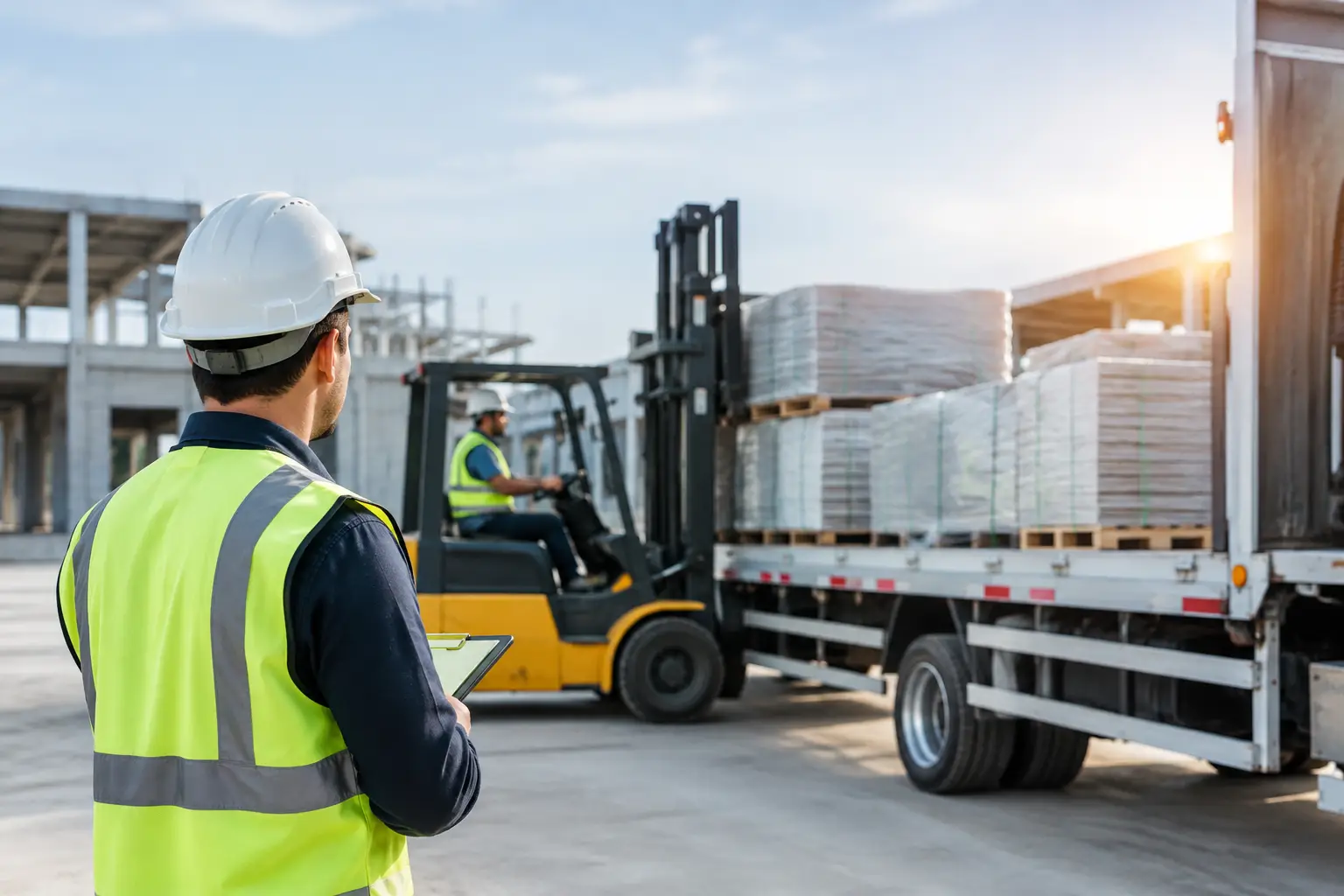
A driveway project can come to a stop over something as simple as a missing load of gravel. A landscape crew can lose half a day making supply runs. A homeowner can spend a weekend trying to fit mulch, sand, or fill into a vehicle that was never meant to haul it. Material delivery takes that heavy, time-consuming part of the job off your plate so work can keep moving.
Whether you are refreshing a yard, preparing a construction site, filling a low spot, or handling a renovation, getting materials where they need to go matters as much as choosing the right materials. The right delivery plan saves trips, protects your vehicle, and gives you more time to focus on the project itself.
Why Material Delivery Makes a Real Difference
Picking up bulk materials yourself sounds simple until you account for loading, unloading, cleanup, and disposal of torn bags or loose debris. Even a smaller project can require more weight and volume than a pickup bed, SUV, or trailer can safely handle. Multiple trips also mean fuel costs, traffic, and time away from the work that actually needs your attention.
Professional material delivery is especially useful when the material is loose, heavy, or needed on a tight schedule. Gravel, sand, soil, mulch, shell rock, and fill can turn into a major hauling job quickly. Instead of coordinating a rental truck, finding straps, and figuring out where to unload, you can arrange for the load to come to your property or jobsite.
For contractors and property managers, the benefit is even more direct: crews stay productive. If workers are waiting for material, labor costs keep adding up while the job stands still. A scheduled delivery helps crews begin prepared and maintain momentum throughout the day.
Start With the Job, Not the Truck
The best material delivery starts with a clear picture of what your project needs. Before scheduling, consider the material type, the quantity, the delivery location, and when it needs to arrive. Those details help avoid ordering too little, overloading a space, or placing a pile where it blocks access.
A few extra minutes of planning can prevent a frustrating delivery day. Think through these practical questions:
- What material does the project call for, and is it being delivered loose or bagged?
- How much do you need based on the area, depth, or scope of work?
- Where can the truck safely pull in, turn around, and unload?
- Is there a gate, low branch, parked vehicle, soft ground, or overhead line that could limit access?
- Do you need the material delivered before demolition, excavation, landscaping, or another crew arrives?
If you are unsure about quantity, it is smart to ask your contractor, landscaper, or supplier before booking. Ordering a little extra can make sense for uneven ground or grading work, but too much material can create another cleanup problem. Every project is different, and the right amount depends on the surface, depth, and intended use.
Choose an Unloading Area Carefully
Where material is placed affects how much work comes next. A pile dropped close to the work area saves wheelbarrow trips, but it should not block a garage, sidewalk, dumpster, or neighbor’s access. It should also stay clear of storm drains and areas where loose material could wash into the street during rain.
For residential jobs, driveways are often the easiest unloading spot, provided the surface can handle the load and you do not need immediate vehicle access. For larger projects, a designated area on the site may work better. Let the delivery team know about narrow entrances, tight turns, or any concern about access before they arrive. Clear communication gives everyone a better chance of getting the load placed efficiently.
When Delivery Beats Doing It Yourself
There are times when hauling material yourself is perfectly reasonable. A few bags of potting soil or a small amount of mulch may fit easily in your vehicle. But the equation changes when the job involves bulk quantities, repeated trips, or heavy material.
Delivery is often the better choice when you are working against a deadline, lack a truck or trailer, need to keep a site clean, or are already managing demolition debris and equipment. It is also a safer option when lifting and loading could cause injury or damage your vehicle. A compact SUV is not a dump truck, and an overloaded pickup is not worth the risk.
In Dade and Broward counties, travel time can make supply runs especially costly. A job that should take an afternoon can stretch into a full day once traffic, loading lines, and return trips are added. Having materials brought directly to the jobsite keeps the schedule more predictable.
Match Delivery to the Rest of the Project
Material delivery works best when it is coordinated with the full job. If you are removing an old patio, clearing a yard, or tearing out damaged structures, make room for the incoming material before it arrives. Trying to manage debris, equipment, and a fresh load in the same limited space creates unnecessary delays.
This is where using one local team for more than one service can make life easier. A&D Junk Removal LLC can help clear unwanted material, provide dumpster support for debris, handle demolition or Bobcat work when needed, and deliver the material that helps move the next phase forward. That means less time coordinating separate companies and fewer chances for the schedule to fall apart between steps.
The order matters. In many cases, debris removal or demolition comes first, then site preparation, then delivery of fill, gravel, mulch, or other material. For a landscaping project, you may need old sod, brush, broken pavers, or yard waste removed before new material is placed. For a renovation, debris should be cleared before staging fresh supplies. Planning the sequence keeps the property safer and easier to work on.
Keep Access Open on Delivery Day
A little preparation makes a noticeable difference. Move vehicles out of the delivery path, open gates, secure pets, and let tenants or crew members know when the truck is expected. If the material needs to go behind a building or through a narrow side yard, discuss that access in advance rather than hoping it will work on arrival.
Be realistic about placement. Delivery teams can bring material to the property, but final placement depends on site conditions, safety, and equipment access. A pile may need to be placed at the nearest safe location rather than exactly where you would like it. Knowing this ahead of time helps you plan for wheelbarrows, labor, or equipment to move the material the rest of the way.
Reliable Service Is More Than Showing Up
Price matters, but dependable delivery is not just about the cheapest load. It is about clear scheduling, responsive communication, safe unloading, and a team that respects your property. When a project has multiple moving parts, you need to know whether the material is coming and whether the delivery team understands the access plan.
A reliable provider should make the process straightforward. Share the material needed, estimated quantity, address, desired delivery window, and any site limitations. In return, you should get clear expectations about scheduling and what needs to be ready before arrival. That kind of direct communication helps prevent surprises for homeowners, renters, contractors, and property managers alike.
If your project is ready for the next load, do not let hauling logistics become the reason it stalls. Prepare the delivery area, confirm the details, and arrange the material before the crew is left waiting. A well-timed delivery can be the simple step that turns a cluttered, unfinished space into a job that is finally moving forward.