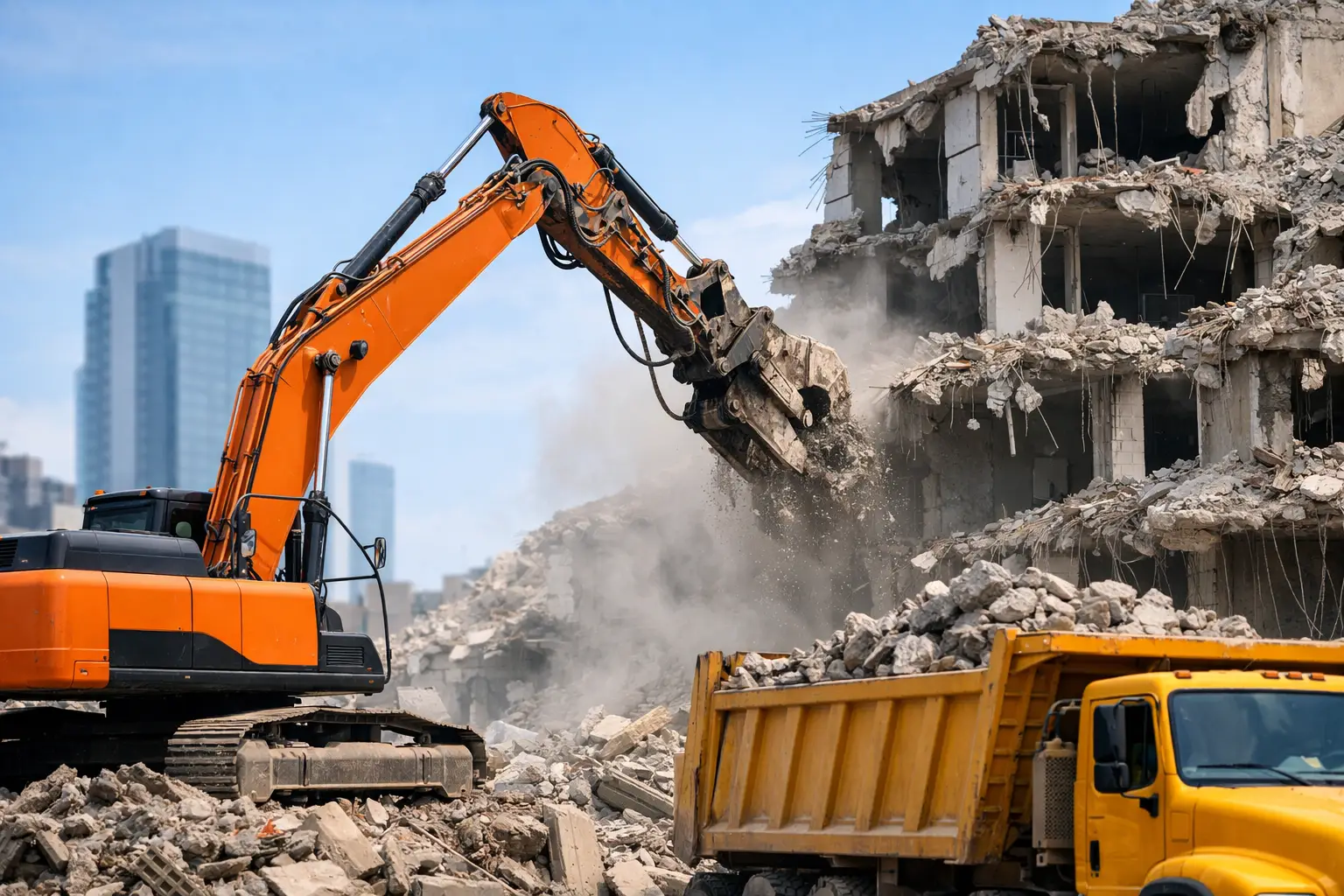
A worn-out kitchen, damaged shed, old flooring, or unwanted concrete patio can hold up an entire project. The hard part is rarely deciding what needs to go. It is figuring out how to remove it safely, control the mess, and get the debris off the property without losing days to hauling and disposal. Professional demolition services turn that difficult stage into a clear, manageable job.
For homeowners, property managers, contractors, and business owners, the right crew does more than tear things down. They help prepare the space for what comes next. That may mean a cleaner renovation site, a faster tenant turnover, or a lot that is ready for new work.
What Demolition Services Can Handle
Demolition does not always mean taking down a whole building. In many cases, selective demolition is the better fit. This means removing only the materials, structures, or finishes that are in the way while protecting the areas that will stay.
Interior demolition is common before a remodel. A crew may remove cabinets, countertops, drywall, tile, carpet, bathrooms, built-in fixtures, or nonstructural walls. This gives your contractor a clean starting point without leaving you to carry broken materials to the curb or make repeated trips to a disposal facility.
Exterior work can include sheds, fences, decks, patios, small structures, concrete, old landscaping materials, and storm-damaged items. Commercial and rental properties may need damaged interiors cleared out, abandoned materials removed, or spaces opened up between tenants.
The scope matters. Removing a few cabinets and hauling the debris is very different from breaking up concrete or taking apart a detached structure. A dependable provider should ask questions about the material, access, size of the area, and what needs to remain untouched before giving you a clear plan.
Why Cleanup Is Part of the Job
Demolition creates debris quickly. Wood, drywall, tile, concrete, metal, insulation, and old fixtures can fill a driveway or work area faster than most people expect. If debris sits too long, it can limit access, create trip hazards, and slow down the trades coming in behind it.
That is why demolition and debris hauling work best together. Instead of coordinating one company to remove materials and another to haul them away, customers can keep the process simple with one team handling the teardown, loading, and disposal. For larger jobs, a dumpster rental may be the practical choice. For smaller projects or tight timelines, direct loading and hauling can keep the site clear without a container sitting in the way.
Responsible disposal also matters. Not every material belongs in the same waste stream. A professional crew can sort and remove debris appropriately, helping reduce the stress of figuring out where everything should go.
The Right Approach Depends on Your Project
There is no one-size-fits-all demolition plan. A bathroom demolition in a condo has different challenges than a backyard shed removal in a single-family home. Access, parking, stairs, elevator rules, working hours, nearby landscaping, and shared walls can all affect the work.
For example, a property owner may want the fastest possible removal after a water-damaged cleanup. A homeowner planning a kitchen remodel may care more about protecting floors, surrounding walls, and the path through the house. A contractor may need a crew that can work around a schedule and leave the site ready for framing, plumbing, or material delivery.
Good planning keeps small complications from becoming expensive delays. Before work starts, it helps to identify what is being removed, what must be protected, where the debris will go, and who is responsible for any required approvals or utility disconnections. Structural changes, electrical work, plumbing work, and hazardous materials may require specialized professionals or permits. Do not assume every wall is safe to remove just because it looks simple.
What to Expect From a Professional Demolition Crew
The best demolition jobs feel organized from the beginning. You should know what work is included, how debris will be handled, and what the property will look like when the crew leaves. Clear communication is especially valuable when a renovation has several moving parts.
A practical process usually starts with a look at the job and a discussion of your goals. The crew considers access for trucks or trailers, the amount and type of debris, and whether equipment such as a Bobcat is needed. They can then recommend the most efficient way to complete the work.
On job day, the team should work carefully around the parts of the property that are staying. Once materials are removed, the debris is loaded or placed in a dumpster, and the work area is cleaned up as much as the scope allows. The goal is not just to make a mess disappear. It is to leave you with usable space and a project that can keep moving.
Speed matters, but rushing is not the same as working efficiently. Fast turnaround is valuable when you have a contractor scheduled, tenants waiting, or materials being delivered. Still, careful removal and a clean haul-away plan protect your property and prevent avoidable headaches.
How Demolition Pricing Usually Works
Most customers want a simple answer: what will it cost? The honest answer is that demolition pricing depends on the job. The size of the structure or area, material type, labor required, access, equipment needs, disposal volume, and cleanup all affect the total.
A small, easy-to-access removal may be straightforward. A project with heavy concrete, multiple floors, limited parking, or a long carry distance will take more time and labor. If materials need to be separated or if a dumpster must be placed in a specific location, that can also shape the estimate.
The lowest number is not always the best value. An incomplete quote can lead to surprise disposal fees, extra labor charges, or a property still covered in debris after the crew leaves. Ask what is included in the price: demolition, loading, haul-away, disposal, and final cleanup. A clear estimate makes it easier to compare options and plan your budget.
Prepare Your Property Before Demolition Starts
A little preparation helps the crew work faster and helps protect items you want to keep. Remove personal belongings, furniture, vehicles, and loose items from the work area. Mark anything that should not be removed, especially if it could be mistaken for debris. If there are access codes, gate restrictions, pets, or building rules, share those details before the appointment.
For interior projects, make sure the path from the work area to the loading area is clear. For exterior work, point out irrigation lines, landscaping features, or areas where equipment should not travel. These details are easy to overlook, but they can prevent delays and damage.
If you are coordinating other trades, schedule demolition early enough that debris can be removed before new materials arrive. A clean site gives everyone more room to work and reduces the risk that new supplies get damaged or buried under old materials.
A Local Team Makes the Logistics Easier
When a project is already demanding, you should not have to chase down separate providers for demolition, dumpsters, junk removal, and site support. A&D Junk Removal LLC helps customers across Dade and Broward counties clear spaces, remove debris, and prepare properties for the next step.
Whether you are removing one room of old finishes or clearing out a larger exterior project, the right support saves time, reduces stress, and keeps the property safer. Get clear on the scope, choose a crew that can handle the cleanup, and give your project the clean start it deserves.