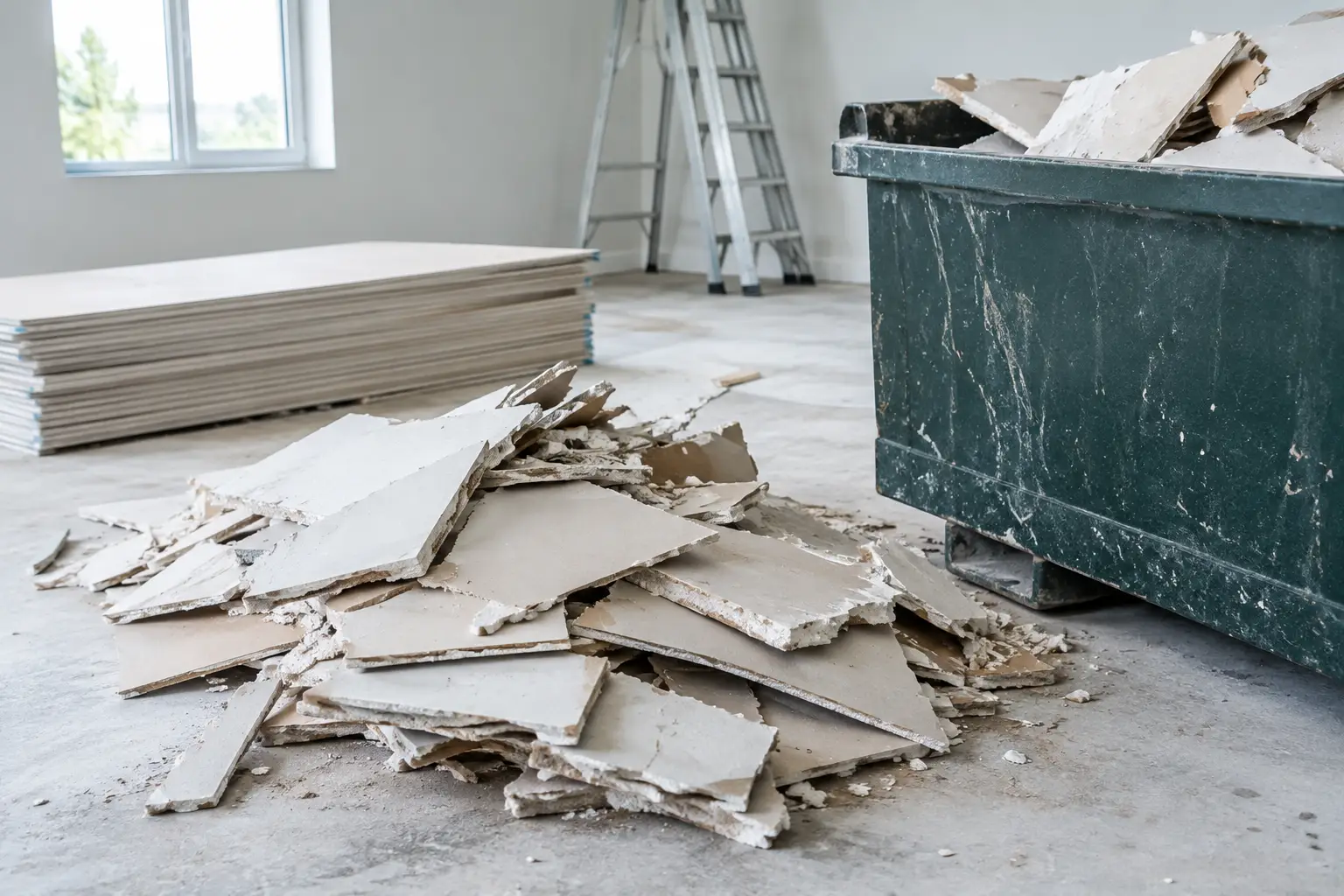
A bathroom remodel can create more drywall waste than most people expect. A few removed walls, damaged ceiling panels, and a pile of offcuts quickly turn into heavy, dusty debris that will not fit neatly in a regular trash cart. The right drywall disposal methods keep the work area safer, prevent costly cleanup delays, and get the debris off your property without adding another job to your list.
Drywall is not complicated to remove, but it does need to be handled correctly. The best option depends on how much material you have, whether it is clean or contaminated, and what your local collection provider accepts. For homeowners, contractors, landlords, and property managers, a little planning makes the difference between a clean project site and a frustrating pile that sits around for days.
Start by separating drywall from other debris
Before loading anything into a trailer, dumpster, or pickup truck, separate drywall from wood, metal, insulation, tile, and general junk. This protects workers from sharp objects, makes hauling more efficient, and may give you more disposal options.
Clean drywall offcuts from a new installation are the easiest material to manage. These pieces are generally dry, free of adhesives, and not mixed with other construction debris. Demolition drywall is different. It may have nails, screws, wallpaper, paint, insulation, caulk, mold, or moisture damage attached to it.
Do not assume every white wallboard panel is drywall. Older properties may contain plaster, and some older building materials can require special handling. If you are renovating a home or commercial space with materials that may contain asbestos, especially where the age and history of the building are unclear, stop work and arrange appropriate testing or professional guidance before disturbing more material. That step protects everyone on site.
Drywall disposal methods that fit the job
There is no single best answer for every cleanup. A small repair may be manageable through local waste collection rules, while a full kitchen renovation calls for a larger hauling solution. Choose the method based on volume, weight, time, and the condition of the material.
Use regular trash only for small, accepted amounts
A few small pieces from a patch job may be accepted with household trash if they are cut down, bagged securely, and placed out according to local rules. Never force large sheets into a cart or leave loose debris beside it unless your collection provider specifically allows it.
Drywall gets heavy fast, especially after rain or water damage. Keep bags light enough to lift safely, and use sturdy contractor bags to contain dust and small fragments. This approach works for a minor repair, not for a room demolition or a remodel that produces multiple sheets of wallboard.
Take a manageable load to an approved disposal facility
If you have a truck, trailer, and a modest amount of debris, self-hauling can be a practical option. Confirm the facility accepts construction and demolition debris before loading up. Some locations have separate rules for drywall, mixed loads, roofing materials, or items containing paint, insulation, and other contaminants.
Self-hauling can look less expensive at first, but account for loading time, fuel, disposal fees, truck cleanup, and the risk of overloading your vehicle. Drywall dust gets into truck beds, cab floors, and equipment quickly. If the material is wet, the weight can increase enough to make a one-trip plan unrealistic.
Recycle clean drywall when a local outlet accepts it
Gypsum, the core material in drywall, can sometimes be recycled into products such as soil amendments or new building materials. Recycling is a worthwhile option when you have clean, source-separated drywall and a local processor that accepts it.
The trade-off is availability. Recycling programs and acceptance requirements vary, and many facilities will not take painted, moldy, wet, or mixed demolition drywall. Call ahead rather than loading a separate pile based on an assumption. If recycling is not available for your material, proper construction debris disposal is still the responsible choice.
Rent a dumpster for ongoing renovation debris
A dumpster or debris trailer is often the most convenient choice when drywall is only one part of the project. It gives you a central place for wallboard, framing lumber, flooring, cabinets, and other approved renovation debris as work continues.
The key is selecting the right size and knowing what can go inside. Drywall is bulky and dense, and loading it flat when possible helps use the space efficiently. Keep the container accessible for workers, but avoid blocking driveways, sidewalks, fire lanes, or neighboring properties. Also keep it covered when rain is expected. Wet drywall becomes heavier, messier, and harder to handle.
For a renovation with a tight timeline, having a trailer delivered and removed on schedule can save repeated trips to a disposal site. It also keeps materials contained instead of spread across the yard, hallway, or parking area.
Book full-service junk removal for fast cleanup
When the drywall is already piled up, you do not have a suitable vehicle, or your crew needs to stay focused on the project, full-service removal is usually the easiest route. A hauling team can load the debris, clear the area, and take it to the proper destination without requiring you to handle the heavy lifting.
This option is especially useful after a tenant turnover, water-damage cleanup, partial demolition, or last-minute project push. It reduces the chance that debris will be left at the curb, dumped improperly, or allowed to create a safety issue on the property. For Dade and Broward County projects, A&D Junk Removal can provide responsive hauling support for drywall and mixed renovation debris, helping you clear the mess and keep work moving.
Avoid these common drywall disposal mistakes
The fastest way to create a disposal problem is to treat drywall like ordinary household garbage. Leaving full sheets at the curb, piling debris in an empty lot, or mixing questionable materials into a load can lead to rejected pickup, extra fees, property damage, and possible code issues.
Another common mistake is waiting until the end of demolition to plan removal. A growing drywall pile takes up valuable workspace and can hide nails, screws, and broken materials. Set aside a designated debris area from day one. If you are using a container, load heavy and flat pieces first, then fill gaps with smaller items that are allowed in the load.
Do not burn drywall. Burning construction debris is unsafe, may violate local rules, and creates unnecessary air-quality risks. Drywall should also stay dry whenever possible. Covering the pile with a tarp before pickup limits dust, prevents extra weight, and makes loading safer.
Keep workers and property safe during cleanup
Drywall removal creates fine dust, even when you are careful. Wear gloves, eye protection, a suitable dust mask or respirator, long sleeves, and closed-toe work boots. Use a utility knife to score panels where possible instead of smashing them apart. Controlled removal creates less dust and fewer sharp fragments.
Carry sheets with two people when they are large or awkward. Do not stack debris higher than a vehicle bed or container wall, and never overload a truck simply to avoid a second trip. Loose panels can shift in transit, while overloaded vehicles are harder to control and may not be accepted at a disposal facility.
Inside a home, protect finished flooring and keep pathways clear. Sweep or vacuum drywall dust with equipment designed for fine particles, not a basic household vacuum that can blow dust back into the room. A clean exit path makes the final haul faster and leaves the property in better shape for the next phase of work.
Plan disposal before demolition starts
The most practical drywall disposal plan is decided before the first sheet comes down. Estimate how many rooms are being removed, identify whether the load will be clean or mixed, and choose between self-hauling, a rental container, or a removal crew. That small bit of planning prevents clutter from taking over the job site.
A clean project site is not just about appearances. It gives your crew room to work, helps protect the property, and makes the renovation feel manageable from start to finish. Handle the drywall early, and the rest of the cleanup gets much easier.