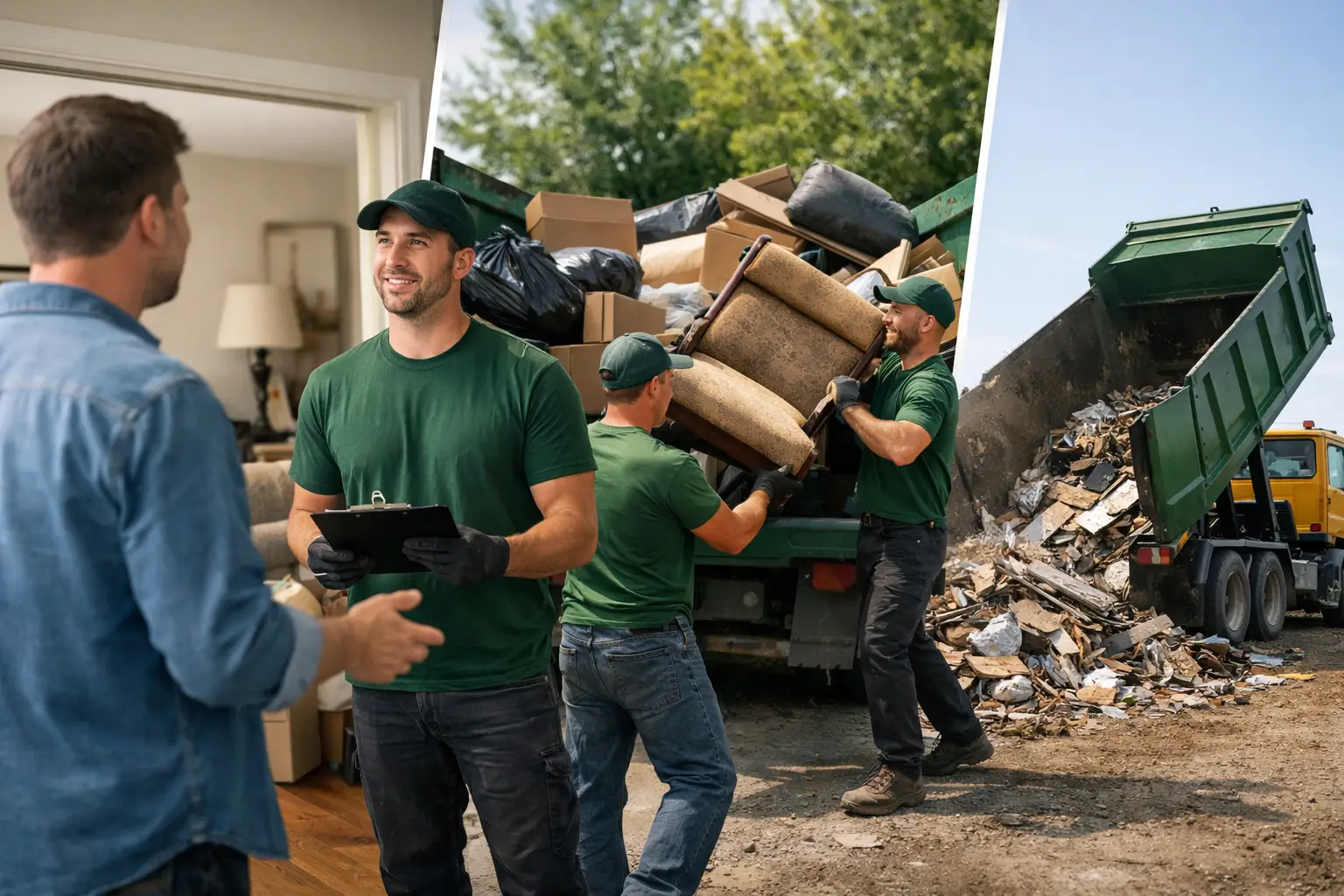
That old couch in the garage usually sits there longer than anyone plans. Then a remodel starts, a tenant moves out, or the office back room gets packed with broken furniture and debris, and suddenly the question is urgent: how junk removal works, and what you actually need to do to get the mess gone.
The short answer is simple. You book a pickup, a crew shows up, they remove the items, load the truck or trailer, sort what can be donated or recycled, and haul the rest away for proper disposal. But the details matter, especially when you are comparing costs, dealing with heavy materials, or trying to clear a property fast without creating more work for yourself.
How junk removal works in real life
Most junk removal jobs start with one problem: too much stuff, not enough time, and no easy way to haul it yourself. That could mean household clutter, yard waste, construction debris, old appliances, office furniture, or leftover material from demolition work.
Once you contact a junk removal company, the first step is usually scheduling. Some jobs can be quoted from photos or a description. Others need an on-site estimate, especially if the load includes mixed materials, large furniture, concrete, or debris from a renovation. If timing matters, same-day or next-day service may be available depending on the size of the job and the crew schedule.
When the team arrives, they look at what needs to go and confirm the price before anything is loaded. That part is helpful because it gives you a chance to ask questions, point out extra items, or separate anything you want to keep. After approval, the crew handles the lifting, loading, and cleanup. You do not need to drag everything to the curb unless the company specifically offers curbside-only service.
That is the basic process, but every job has its own variables. A single mattress pickup works differently than a full garage cleanout. A trailer full of yard debris is different from a post-demo haul with tile, drywall, and lumber. Good service means the process adjusts to the job instead of forcing you into a one-size-fits-all option.
What happens before pickup
A lot of customers assume they need to sort, bag, stack, and organize everything before the crew shows up. Sometimes that helps, but it is not always necessary. For standard junk removal, the main goal is access. If the team can safely reach the items, they can usually do the rest.
Still, a little prep can save time. If you are keeping certain items, move them clearly out of the work area or label them. If there are narrow hallways, locked gates, elevator restrictions, or debris in the backyard, mention that when booking. Those details affect labor time and truck space, which can affect the quote.
For commercial properties, apartment turnovers, and job sites, access matters even more. Loading zones, stairwells, tenant timing, and debris type all shape how the removal gets done. The smoother the access, the faster the job moves.
How pricing usually works
This is where people tend to hesitate, mostly because they are not sure what they are paying for. In junk removal, pricing is often based on volume, weight, labor, and disposal costs. A small pickup of a few items costs less than a full truckload, but heavy materials can shift the price even if they do not take up much space.
For example, an old dresser, a sofa, and a few boxes may be priced by how much room they take in the truck. Concrete chunks, roofing material, dirt, or tile debris may be priced more heavily because disposal is more expensive and loading takes more effort. If the crew has to carry items down several flights of stairs or clear out a packed shed in the heat, labor is part of the equation too.
That does not mean pricing should feel confusing. A reliable company should explain the quote in plain terms before starting. If there are extra charges for special items like tires, paint, refrigerators, or hazardous materials, you should know up front. Clear pricing is part of no-hassle service.
What junk removal companies will and will not take
Most companies will take common non-hazardous junk such as furniture, appliances, mattresses, yard waste, office equipment, renovation debris, and general clutter. Many also handle heavier project material, especially if they offer demolition, dumpster rental, or site support.
The main limits usually involve hazardous or restricted items. Chemicals, fuel, wet paint, certain batteries, asbestos-containing material, and some medical waste are not handled the same way as ordinary junk. Local disposal rules matter, and a professional company should tell you if something needs special handling.
This is one of those areas where it depends. A broken washer may be fine. A fridge may be accepted if certain requirements are met. A pile of wood scraps is routine. A load mixed with solvents and chemicals is a different story. If you are unsure, send photos or ask before the appointment.
What happens after the truck is loaded
A lot of people think everything goes straight to the dump. Sometimes it does, but not always. Part of how junk removal works behind the scenes is sorting materials for the right destination.
Reusable items may be donated when they are still in decent condition. Scrap metal, cardboard, certain appliances, and some construction material may be recycled. General waste that cannot be reused or recycled goes to the proper disposal facility. The exact mix depends on the material, local rules, and whether the items are clean enough to be diverted from the landfill.
That sorting process matters because it affects cost, environmental impact, and efficiency. It is also one reason experienced crews can save you time. They already know what can be separated, where it needs to go, and how to move the load without turning your cleanup into a multi-stop project.
Full-service junk removal versus renting a dumpster
If you are trying to decide between junk removal and a dumpster rental, the difference comes down to who is doing the labor and how long the project will take.
Full-service junk removal is best when you want the items gone quickly and do not want to load them yourself. This makes sense for furniture removal, move-outs, estate cleanouts, office clear-outs, and jobs where speed matters. The crew does the lifting, hauling, and disposal, which keeps the job simple.
A dumpster or dump trailer rental works better when you are cleaning out over several days or generating debris gradually during a remodel, roofing project, or landscaping job. You load at your own pace, then the container gets picked up when you are done. That option can be more practical for ongoing work, but it also means you are handling the labor.
Some customers need both. A contractor might want a trailer on-site for debris, then book a final haul-off once the project wraps up. A homeowner might use full-service removal for bulky items and a rental for the rest of the renovation. Convenience usually comes from matching the service to the job instead of forcing the wrong setup.
Why speed and professionalism matter
Junk removal sounds simple until a job gets bigger than expected. A few pieces of furniture can turn into a full cleanout. A small bathroom demo can create more debris than one pickup truck can handle. That is where experience shows.
A dependable crew knows how to load efficiently, protect floors and walls during removal, and keep the site from getting messier in the process. They also know when a job needs heavier support, whether that means extra labor, a larger trailer, or equipment for bulky material. For customers in Dade and Broward County dealing with fast timelines, tenant turnover, storm cleanup, or active renovation work, that responsiveness is often the difference between a manageable day and a major delay.
This is also why people hire a service instead of calling friends or making multiple dump runs. You are not just paying for a truck. You are paying to avoid the lifting, sorting, disposal guesswork, and wasted time.
How to make your pickup go smoothly
If you want the easiest possible appointment, be clear when booking. Mention what types of items you have, where they are located, and whether there are stairs, tight access points, or especially heavy debris. If you are on a deadline, say that early.
On pickup day, make sure someone can approve the final load and price. Separate anything that is staying. If the job may grow once you start clearing space, tell the crew before loading begins. Good communication keeps the work moving and helps avoid surprises.
Companies like A&D Junk Removal LLC build their reputation on making this process straightforward. Customers usually do not want a long explanation or a complicated plan. They want the junk gone, the area cleaned up, and the job handled without chasing callbacks or waiting around all day.
If you have been putting off a cleanup because it feels like too much to deal with, that is usually the point where junk removal helps most. The right service takes a messy, time-consuming problem and turns it into one appointment.