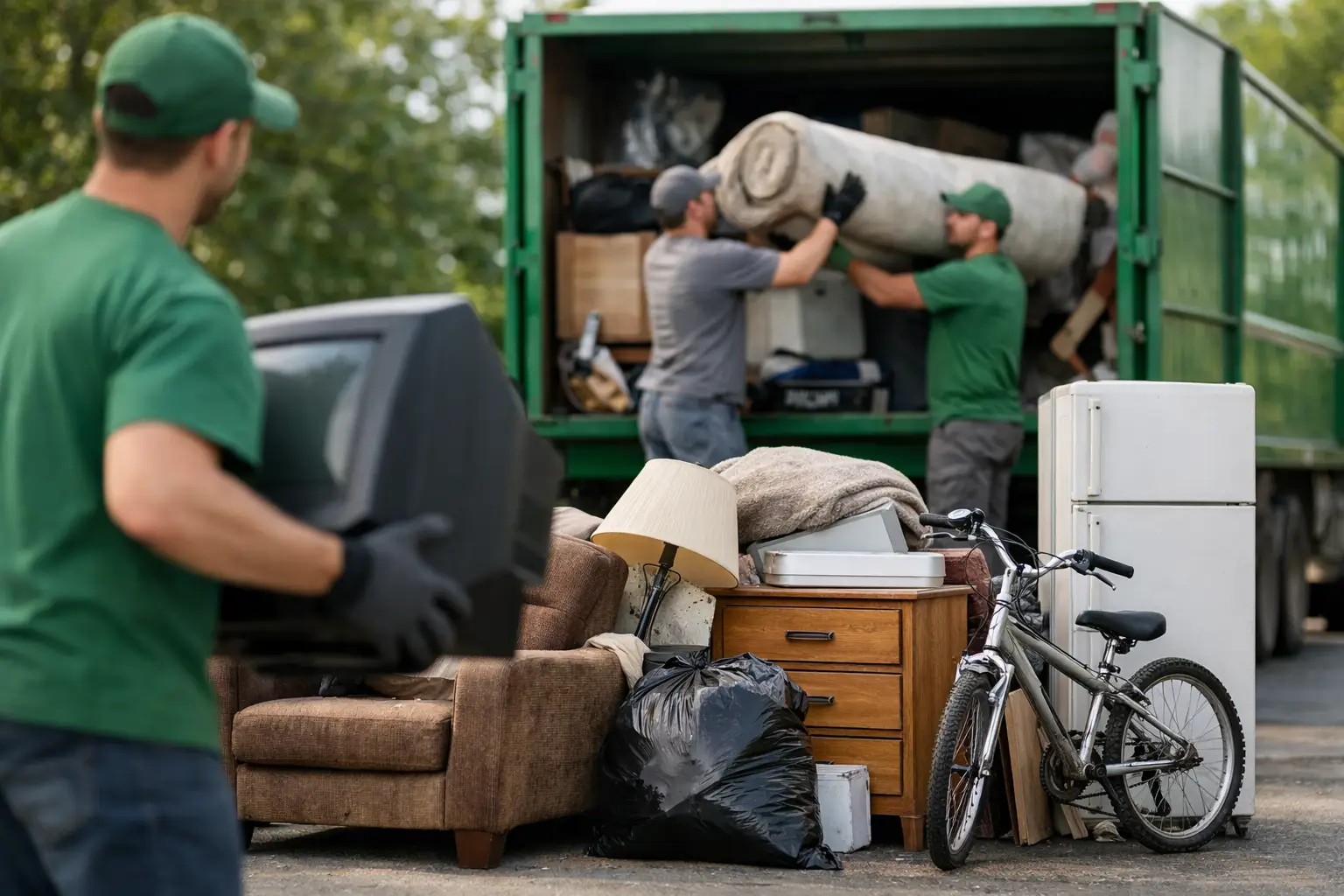
The couch that has been sitting in the garage for six months usually tells the whole story. Most people do not call for junk removal because they enjoy cleanup projects. They call when the pile gets too heavy, too bulky, too messy, or too time-consuming to deal with alone. That is why understanding the top items junk haulers remove can help you figure out whether your cleanup job is quick and simple or part of a bigger project.
Some jobs are basic curbside pickups. Others involve stairs, broken materials, tenant move-outs, construction debris, or tight schedules. Either way, the most common items tend to fall into a few clear categories.
Top Items Junk Haulers Remove for Homes
Household junk makes up a big share of removal jobs because it builds up slowly and takes up valuable space fast. Furniture is one of the most common calls. Old couches, mattresses, dressers, dining tables, recliners, bed frames, and entertainment centers are hard to move and even harder to dispose of properly if you do not have a truck and extra help.
Mattresses deserve special mention because they are awkward in every possible way. They are bulky, heavy, and difficult to tie down for transport. In many cases, people keep them longer than they should simply because getting rid of them feels like a project. The same goes for box springs and bedroom sets that are too large for normal trash pickup.
Appliances are another frequent item. Washers, dryers, refrigerators, ovens, microwaves, and dishwashers often need more than just muscle. They may need to be disconnected, maneuvered through narrow spaces, and loaded carefully. Older appliances can also come with disposal rules that make DIY hauling less convenient than it first appears.
General household clutter is common too. This includes bags of unwanted items, broken shelving, toys, storage bins, old decor, damaged flooring materials, and random leftovers from years of putting things aside to deal with later. A garage, spare room, or shed can turn into a holding area faster than most people expect.
The Items That Show Up After Moving or Evictions
Move-outs create a different kind of junk problem. Once the furniture is gone, what is left behind is often the stuff no one wanted enough to pack. That can include worn chairs, cheap desks, damaged bed frames, stained rugs, old TVs, piles of clothing, and boxes of mixed junk.
For renters, landlords, and property managers, speed matters. A delayed cleanup can slow down repairs, staging, or the next lease. This is one reason junk haulers are often called in right after a tenant leaves. The goal is not just to remove trash. It is to get the property ready for what comes next.
Estate cleanouts can look similar on the surface, but they usually need more care and more time. Those jobs often include furniture, household goods, garage contents, yard waste, and storage areas packed over many years. In those situations, the biggest challenge is not just hauling. It is sorting what stays, what goes, and what needs to be handled responsibly.
Top Items Junk Haulers Remove on Outdoor Jobs
Outdoor cleanup jobs are common year-round, especially after storms, landscaping projects, or long periods of neglect. Yard debris is one of the top items junk haulers remove because it adds up quickly and is harder to bag and move than most people think.
Tree limbs, branches, palm fronds, brush, leaves, fencing, dirt-covered materials, and broken outdoor furniture all show up often. If you have ever finished trimming a yard and looked at the pile afterward, you know the problem. The work is not really done until the debris is gone.
Old hot tubs, sheds, swing sets, grills, and patio furniture also come up regularly. These items are tough because they are usually weathered, oversized, or partially broken. They may need to be taken apart before removal. That is where experience matters. A simple pickup can turn into a small demolition job depending on the condition of the item and where it is located.
Renovation and Construction Debris
Cleanup during remodeling is where many property owners realize regular trash service is not built for the job. Construction debris is heavy, messy, and often restricted by local pickup rules. Even a small bathroom or kitchen update can leave behind more waste than expected.
Common debris includes drywall, tile, wood, cabinets, vanities, sinks, toilets, flooring, insulation, doors, windows, and scrap lumber. Roofing materials, fencing, and concrete also come up, especially on larger exterior projects. These jobs are less about one bulky item and more about volume, weight, and repeat loads.
There is also a trade-off here. If the project is ongoing, a dumpster rental may make more sense than repeated junk pickups. If the work is already done and the debris is sitting in piles, hauling it away in one visit can be faster and easier. It depends on the size of the project, the amount of space on site, and how quickly you need the area cleared.
Business and Commercial Junk Removal
Small businesses and commercial properties deal with many of the same items as homeowners, just on a different scale. Office furniture, cubicles, desks, filing cabinets, waiting room chairs, display fixtures, shelving, and outdated equipment are common removal items.
Retail spaces often need help after a remodel, closure, or inventory reset. Restaurants may need old kitchen equipment or storage clutter removed. Warehouses and small commercial properties may have pallets, damaged materials, scrap, and abandoned equipment taking up room that should be used for operations.
In commercial settings, downtime matters. The value of junk removal is not only in clearing space. It is in helping a business move forward without pulling employees away from their actual work.
What Junk Haulers May Not Take
Most people are surprised by how much can be removed, but there are still limits. Hazardous waste is the biggest one. Paints, chemicals, oils, fuels, solvents, and certain batteries may require special disposal. The same goes for asbestos-containing materials or items that need licensed handling.
Electronics can be accepted in some cases and restricted in others depending on local rules and the type of item. Tires, propane tanks, and refrigerant-based equipment may also come with disposal requirements. This is why it helps to ask first instead of assuming everything in the pile can go in one load.
The good news is that an experienced team will usually tell you quickly what is straightforward, what needs special handling, and what alternative option makes the most sense.
How to Know If Your Job Needs a Junk Hauler
If an item is too heavy for one person, too large for curbside pickup, or too messy to bag and move safely, it is probably a good fit for junk removal. The same is true if you are dealing with multiple categories at once, like furniture, yard debris, and renovation waste in the same cleanup.
Time is another factor people underestimate. A do-it-yourself haul means lifting, loading, transport, unloading, and figuring out where each material can legally go. That may be worth it for a few light items. It usually stops feeling efficient once you are dealing with appliances, dense debris, or a packed-out garage.
For homeowners, renters, contractors, and property managers in Dade County and Broward County, convenience is often the real deciding factor. Getting the job done quickly, cleanly, and without extra trips saves more than effort. It keeps the whole project moving.
A&D Junk Removal LLC handles many of these common jobs because most cleanup problems are not really about junk. They are about getting your space back, keeping a project on schedule, and avoiding one more stressful task on an already full list.
If you are looking at a pile and wondering whether it is worth dealing with yourself, that is usually your answer. When the clutter is in the way of using your home, finishing a renovation, or turning over a property, getting it removed is not just cleanup. It is progress.