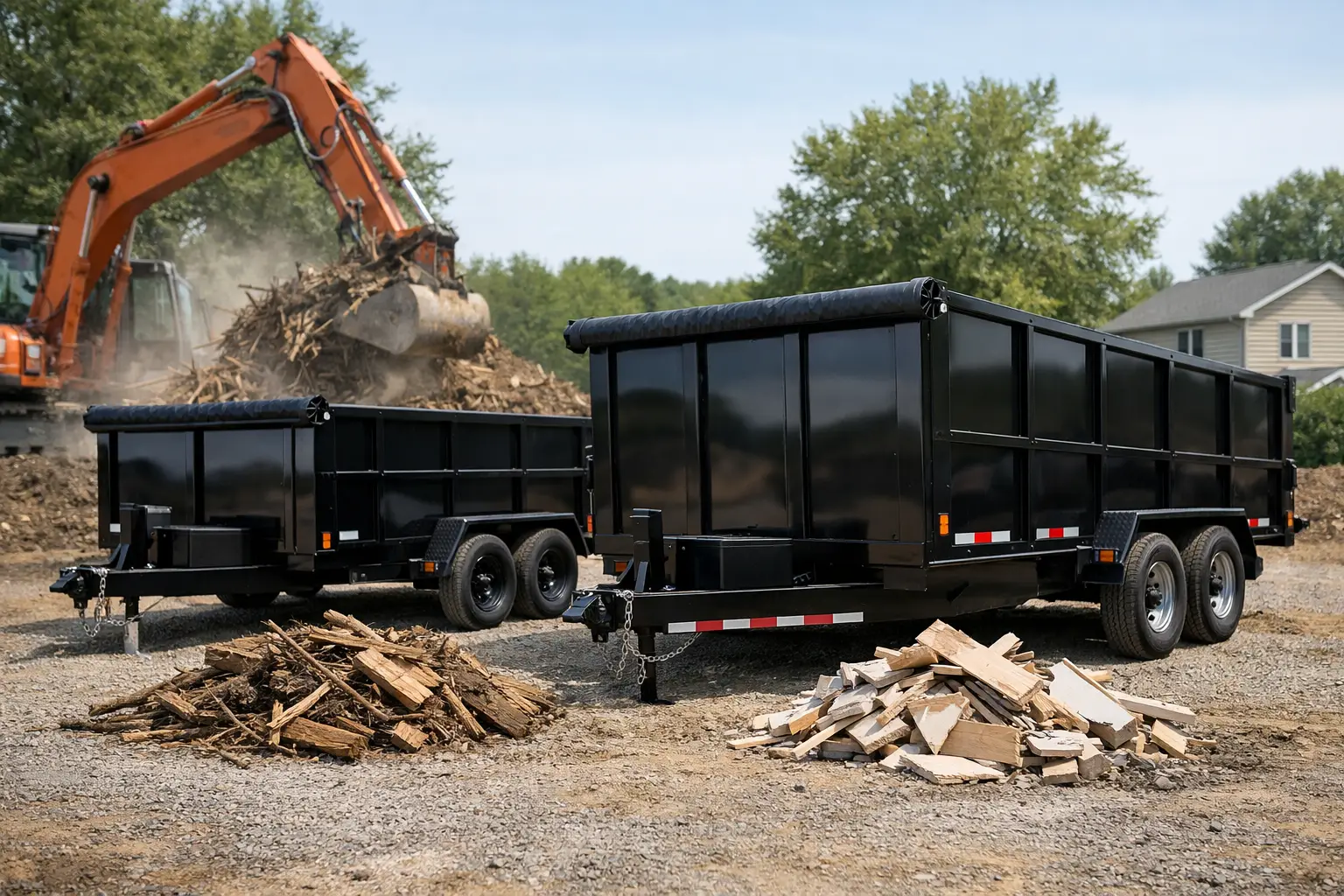
A trailer that is too small creates a second trip, extra labor, and a mess that sits longer than it should. A trailer that is too big can mean paying for space you never use. If you are trying to figure out how to choose debris trailer options for a cleanup, renovation, or property job, the right answer usually comes down to what you are loading, how heavy it is, and how easy the pickup process needs to be.
For most customers, this is not really about trailers. It is about keeping a project moving without wasting time. Whether you are cleaning out a rental, tearing out a kitchen, trimming a yard, or dealing with construction debris, the best choice is the one that fits your material, your timeline, and your property.
How to choose debris trailer for the job
Start with the debris itself. Volume matters, but weight matters just as much. A trailer full of tree branches takes up a lot of room without adding a huge amount of weight. A trailer loaded with concrete, tile, shingles, dirt, or plaster can hit weight limits fast even when it does not look full.
That is where many people get tripped up. They estimate by how much space the pile takes up, but not by what the pile is made of. If your job is mostly household junk, furniture, packaging, or storm cleanup, you may need more volume than weight capacity. If it is a roofing tear-off or demolition project, a smaller trailer may still be the safer and smarter pick because the material is dense.
The easiest way to think about it is simple. Light and bulky debris usually calls for more space. Heavy debris calls for careful sizing and loading.
Match the trailer to the material
Household cleanouts are usually mixed loads. That means bags, boxes, old furniture, small appliances, and general junk. These jobs often benefit from a medium trailer because the material stacks unevenly and can eat up space quickly. The weight is usually manageable unless the load includes a lot of books, tile, or water-damaged contents.
Yard debris is different. Palm fronds, branches, brush, and fencing can look massive, but they do not always weigh that much. For these jobs, the main issue is how much room you need and whether the trailer allows easy loading for awkward pieces.
Remodeling debris can go either way. Drywall, cabinets, flooring, vanities, countertops, and framing lumber create a mixed load. One bathroom remodel might fit easily in a smaller trailer. A full kitchen demo might need much more room, especially if you are tearing out cabinets, backsplash, drywall, and old fixtures at the same time.
Construction and demolition debris needs more caution. Concrete, brick, block, tile, dirt, and shingles are heavy fast. This is where underestimating weight turns a simple cleanup into a problem. If you are unsure, always describe the material first before focusing on trailer size.
The three questions that matter most
Before you book anything, ask yourself three things. What are you throwing away. How quickly do you need it gone. Will you load it yourself or want help.
That first question affects size and pricing. The second affects scheduling. The third affects what kind of service makes the most sense. Some people want a trailer dropped off so they can load over a day or two. Others want the debris gone the same day with labor included. Both can be the right choice depending on the job.
If speed matters more than flexibility, a full-service haul-away may save more time than a trailer rental. If you are working in stages, a delivered debris trailer can make more sense because you can load as the project moves along.
Think about access before size
A bigger trailer is not always better if your property layout makes delivery or loading difficult. Driveway length, gate width, overhead wires, tree branches, parked cars, and soft ground all matter. You also want to think about where people will stand while loading and how far they need to carry debris.
For residential jobs, convenience matters more than people expect. A trailer placed close to the work area can save a lot of lifting and walking. That is especially helpful for garage cleanouts, backyard debris, and remodel work where materials add up throughout the day.
For commercial properties and managed sites, placement affects traffic flow, safety, and tenant access. In those situations, it helps to plan around loading windows and pickup timing so the trailer does not become an obstacle.
Common sizing mistakes to avoid
The biggest mistake is booking based on guesswork alone. People often see a pile and assume it is smaller than it really is, especially if the debris is spread out in a garage, side yard, or multiple rooms. Once everything gets stacked into a trailer, the volume becomes real fast.
The next mistake is ignoring prohibited or special materials. Not every trailer load is priced or handled the same way if it includes things like paint, chemicals, tires, appliances with refrigerant, or certain electronics. If your debris includes anything outside standard junk or construction material, say that up front. It avoids delays and keeps disposal compliant.
Another common problem is mixing very heavy material into a general load. A few buckets of concrete or stacks of old tile may not seem like much, but they can change the load completely. When that happens, the right move may be a separate trailer or a different haul plan.
How long will the job take
Trailer choice is not only about what fits. It is also about how your job unfolds. A one-day cleanout has different needs than a weeklong renovation. If debris will build gradually, you need enough room to keep the site clean without stopping work. If pickup needs to happen fast, scheduling matters just as much as size.
For contractors and property managers, timing often matters more than squeezing every possible item into one load. Delayed pickups can slow crews down, create safety issues, and leave a poor impression on tenants or clients. Paying a little more for the right trailer and reliable turnaround can save money overall.
For homeowners, the trade-off is usually between cost and convenience. A smaller trailer may be cheaper upfront, but not if you end up needing a second load. A larger trailer may cost more, but it can reduce stress and keep the project from dragging out.
When to rent a debris trailer vs. hire full-service removal
If you have labor available and want to load on your own schedule, a debris trailer rental is often the practical option. It gives you flexibility and keeps cleanup close to the work area. That works well for remodels, yard projects, estate cleanouts, and rental turnovers.
If the debris is already piled up and you just want it gone, full-service removal may be the better call. The same goes for heavy lifting, bulky items, or situations where you do not want to sort, load, and haul. There is no prize for doing the hard part yourself if the goal is simply to get the space cleared.
This is where working with a company that handles both can help. Instead of forcing one option onto every job, you can choose based on what actually makes your project easier.
A simple way to choose with confidence
If you are stuck, do not start by asking for the biggest trailer available. Start by describing the debris in plain terms. Say whether it is household junk, yard waste, renovation debris, roofing material, or heavy construction waste. Estimate how many rooms, how many pickup truck loads, or what part of the property it covers. Mention access issues and whether you want to load yourself.
That kind of information is far more useful than a rough guess on trailer size alone. It leads to better recommendations, more accurate pricing, and fewer surprises on pickup day. In Dade and Broward County, where weather, traffic, and tight property access can all affect scheduling, getting specific early saves time.
A good debris trailer choice should make your cleanup easier, not give you one more thing to manage. If you are unsure, ask questions before booking. The right provider will help you match the trailer to the job instead of pushing you toward something that is too much, too little, or simply inconvenient. Clear the clutter, keep the project moving, and choose the option that makes the work lighter from day one.