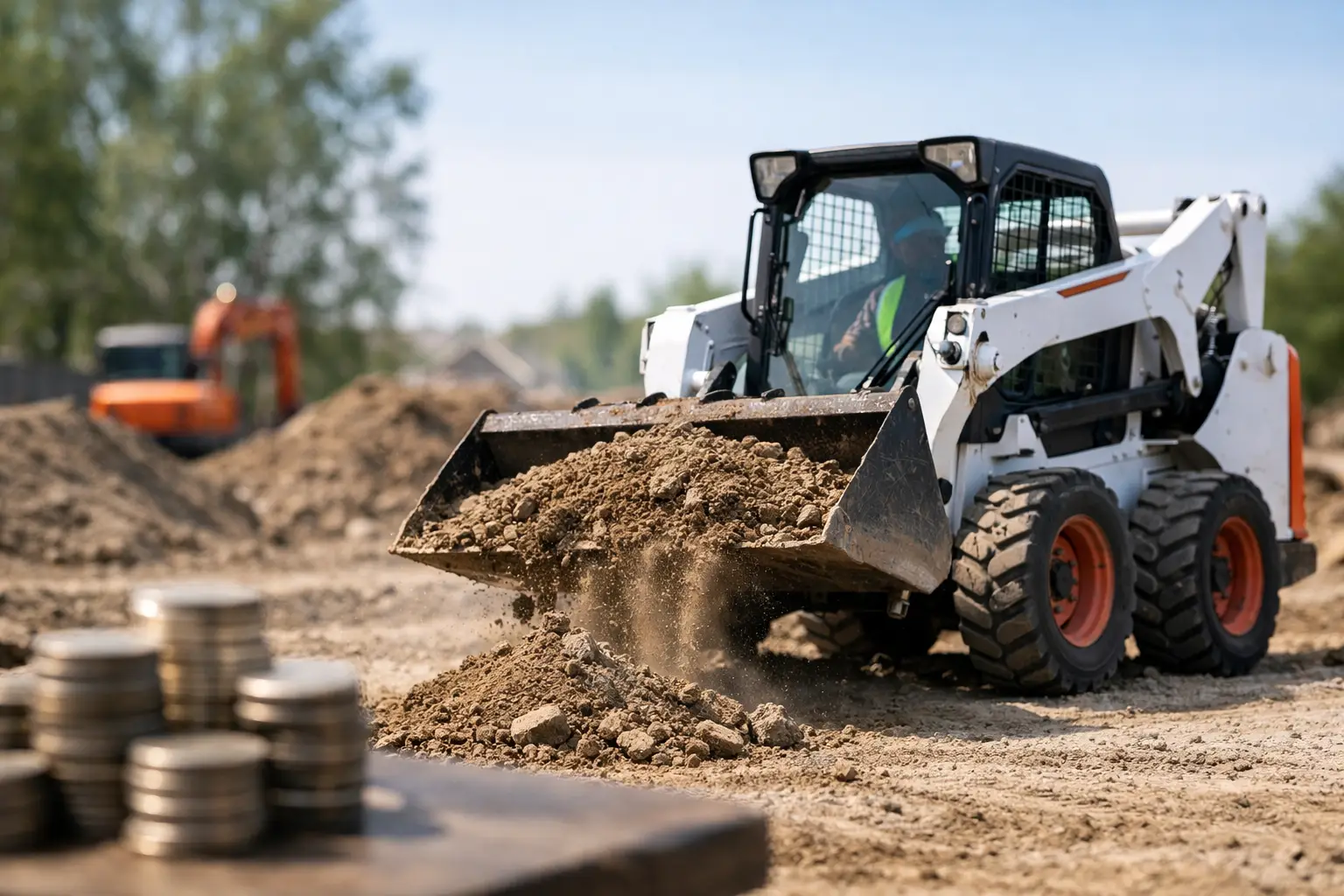
A quick driveway grading job can take an hour. A backyard cleanup with tight access, heavy debris, and multiple material moves can take half a day or more. That is why when people ask how much does bobcat work cost, the honest answer is: it depends on the job, the site, and how much needs to get done.
Most customers are not just paying for a machine to show up. They are paying for the operator, travel, fuel, time on site, and the skill to get the work done safely and efficiently. If the work includes hauling debris, loading trailers, spreading gravel, clearing brush, or moving dirt, those details all affect the final price.
How much does bobcat work cost for most jobs?
For smaller residential jobs, bobcat work often starts with a minimum service charge. That is common because even a short visit still includes loading the machine, transporting it, unloading it, and getting set up on site. In many markets, a simple bobcat job may fall somewhere around a few hundred dollars for a short visit, while larger or more involved projects can run much higher.
A light job like moving a pile of mulch, spreading gravel in a compact area, or clearing loose debris may cost less than a site cut, demolition cleanup, or major land clearing project. If a customer needs several hours of machine time, the total price usually reflects both hourly work and the size of the project.
In practical terms, many bobcat jobs are priced one of two ways: by the hour with a minimum, or by the project. Hourly pricing can make sense when the scope is not fully clear. Flat project pricing tends to work better when the job is easy to define, like grading a small lot section or removing a known amount of material.
What changes the price of bobcat work?
The biggest price factor is the type of work. Bobcat services cover a lot of ground, and not all machine work is equal. Spreading fill dirt is usually more straightforward than tearing out concrete, loading mixed construction debris, or cutting and leveling uneven ground.
Site access matters more than many people expect. If the machine can get in easily and has room to turn, work moves faster. If access is tight, fenced in, muddy, blocked by landscaping, or limited by overhead lines, the operator has to work slower and more carefully. That adds time.
Material also changes cost. Loose dirt, gravel, sand, and mulch are different from broken concrete, stumps, dense brush, or demolition debris. Heavier and more difficult material means slower loading, more wear on equipment, and sometimes extra hauling needs.
Travel and equipment transport can also be part of the price. Bobcats do not drive down the road to your property. They have to be trailered in. If your site is farther away or the job requires special scheduling, you may see that reflected in the estimate.
Then there is job complexity. A flat, open lot is one thing. A property with slopes, soft ground, hidden obstacles, underground utilities, or cleanup scattered across different areas is another. The more conditions that slow the job down, the more the cost can change.
Common bobcat jobs and what you are really paying for
Homeowners often hire bobcat services for yard leveling, driveway prep, dirt spreading, gravel placement, brush removal, and cleanup after landscaping or renovation work. Property managers may need lot cleanup, storm debris handling, or fast site preparation between tenants. Contractors often use bobcat work for loading debris, moving materials, and keeping a project moving without tying up their own crew.
In each case, the machine is only part of the value. What customers really want is faster work, less manual labor, and a cleaner site when the job is done. A bobcat can turn a full day of hand work into a much shorter service call.
That matters when you are dealing with concrete chunks, piles of dirt, torn-out fencing, roofing debris, or palletized materials that need to be moved quickly. Paying for bobcat work often saves money on labor hours, delays, and repeated trips trying to handle the job by hand.
Hourly vs flat-rate bobcat pricing
If you are comparing quotes, ask whether the price is hourly or flat rate. Hourly pricing may look lower at first, but the final bill depends on how long the work takes. That can be fair when the site conditions are unknown or when the customer may add tasks once the operator arrives.
Flat-rate pricing gives more certainty. If the scope is clear, many customers prefer one number up front so they can budget with confidence. This works well for straightforward grading, material spreading, or debris loading where the amount of work is easy to estimate.
Neither option is automatically better. Hourly pricing can be the right fit for open-ended cleanup. Flat-rate pricing can be better for planned site work. The key is making sure the estimate is based on the actual conditions, not just a rough guess over the phone.
How to get an accurate answer to how much does bobcat work cost
The fastest way to get a useful estimate is to share clear details. Photos help. Measurements help even more. If you know the size of the area, the type of material involved, and whether hauling is needed, pricing gets much more accurate.
It also helps to explain the goal, not just the tool. Saying you need a bobcat is a start, but saying you need to level a side yard, remove a dirt pile, spread three yards of gravel, or load demolition debris into a trailer gives much better information. A good service provider can then recommend the right approach and price the job correctly.
If the project is in Miami, Dade County, or Broward County, local conditions can matter too. Soft ground after rain, narrow residential access, and tight urban properties can all affect how quickly machine work gets done.
Watch for extra costs before you book
The lowest quote is not always the lowest final bill. Some bobcat jobs involve separate charges for hauling, disposal, extra labor, waiting time, or additional materials. If debris has to be removed from the property, that is usually a different cost than simply moving it from one spot to another.
Ask whether the estimate includes transport, operator time, fuel, and cleanup. If you need fill dirt, gravel, or other material delivered and spread, confirm whether that material is included or priced separately. If there is demolition debris, mixed waste, or heavy concrete involved, disposal fees may apply.
This is where working with a service company that handles both machine work and cleanup can make life easier. If one team can move material, load debris, haul it away, and leave the area clean, the whole project tends to go smoother.
When bobcat work is worth the money
If the job is small enough to handle with a shovel and wheelbarrow in an hour, renting machine time may not make sense. But that is not most projects people call about. Once there is serious weight, repeated trips, tough access, or a deadline involved, bobcat work starts paying for itself.
It is especially worth it when speed matters. A property cleanup before listing, site prep before concrete or pavers, post-demo debris removal, or moving large amounts of gravel and dirt are all jobs where delays cost more than the machine service.
Customers also underestimate the physical strain and mess. Manual cleanup sounds cheaper until it turns into two weekends of work, a rented truck, disposal problems, and a half-finished yard. A dependable crew with the right equipment can knock that out much faster.
The smartest way to compare bobcat quotes
Do not compare price alone. Compare scope. One quote may include machine time only, while another includes the operator, hauling, cleanup, and disposal. One company may budget for the real site conditions, while another gives a low number that grows once the work starts.
Look for clear communication, realistic scheduling, and straightforward pricing. That matters as much as the hourly number. If a company is responsive, explains what is included, and shows up ready to work, that reliability has real value.
A&D Junk Removal LLC sees this all the time with cleanup and site support jobs. Customers usually want more than equipment – they want the work handled without delays, confusion, or a mess left behind.
The real answer to how much does bobcat work cost is not a one-size-fits-all number. It is the price of getting your site cleared, leveled, loaded, or cleaned up the right way. If you can give a few solid details up front, you can usually get a fair quote and avoid surprises later. That makes the whole job easier from the start.