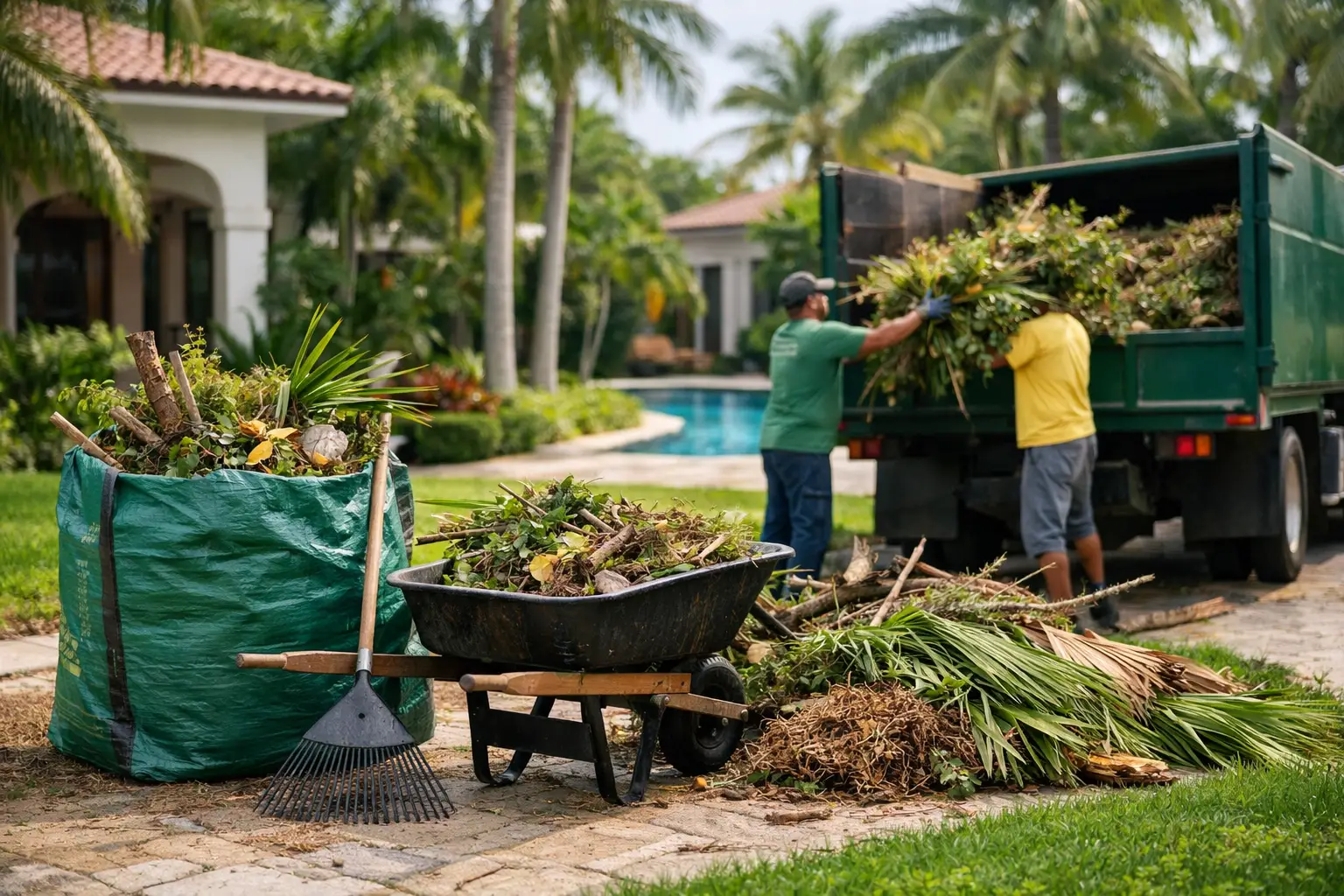
After a storm, a hedge trim, or a full backyard cleanup, yard debris piles up fast. If you are searching for yard waste removal Miami property owners can rely on, you probably do not need a long lecture. You need to know what can go, what it may cost, and whether hauling it yourself is worth the hassle.
In Miami, yard waste is not just a few bags of leaves. It can mean palm fronds, heavy branches, rotted fencing, shrub cuttings, bamboo, dirt mixed with roots, and piles of storm debris that are too bulky for normal pickup. That is where hiring a local removal team starts to make more sense than trying to cram everything into a pickup bed or waiting on limited curbside options.
When yard waste removal in Miami makes sense
Some yard cleanups are manageable with a few contractor bags and a free afternoon. Others turn into a bigger job the second you start cutting. The difference usually comes down to volume, weight, and time.
A small trim around the front walkway might be easy enough to handle yourself. But if you just cleared out overgrown landscaping, removed a tree line, replaced sod, or cleaned up after high winds, the debris gets heavy fast. Palm fronds are awkward. Branches do not stack neatly. Root balls drag dirt everywhere. If you live in a neighborhood with strict pickup rules or limited curbside collection, the pile can sit longer than you want.
That is why many homeowners, property managers, and contractors choose yard waste removal in Miami instead of piecing together a disposal plan. One pickup can clear the mess, save the back-and-forth trips, and keep the property from looking half-finished for days.
What counts as yard waste and what does not
Most people assume yard waste only means leaves and branches, but real cleanup jobs are rarely that clean. In practice, yard debris often includes mixed materials, and that affects how removal should be handled.
Typical yard waste includes tree limbs, brush, hedge trimmings, palm fronds, weeds, plants, leaves, and small logs. It can also include bundled landscaping debris from routine maintenance or larger cleanouts. In some cases, fencing, old planters, broken pavers, or bagged outdoor debris get added to the pile because they were part of the same project.
The catch is that not every load is pure green waste. Once dirt, rocks, lumber, concrete, or demolition debris get mixed in, disposal becomes a different kind of job. That does not mean it cannot be hauled away. It just means the pricing, equipment, and dump plan may be different.
This is where a quick conversation matters. A straightforward removal company will tell you whether your pile is simple yard debris, mixed outdoor junk, or a cleanup that needs heavier support.
The real trade-off between DIY and hiring help
DIY sounds cheaper at first. Sometimes it is. If you have a trailer, the right vehicle, a place to unload legally, and enough time, self-hauling can work for a smaller job.
But Miami yard waste jobs often stop being small once the cutting starts. Wet debris weighs more than people expect. Loose branches scratch truck beds and shift in transit. Dumping rules are not always simple, especially if the load includes mixed material. Then there is the cleanup after the cleanup – sweeping, raking, loading, unloading, and doing it all again if the first trip is not enough.
Hiring a crew costs more than doing it yourself, but it can save hours of labor and a lot of frustration. For landlords between tenants, contractors on a schedule, or homeowners trying to get a property cleaned up before the weekend, speed matters. The cheaper option is not always the better value if it drags the job out.
What affects the cost of yard waste removal Miami services
The biggest factor is volume. A few bundled branches at the curb cost less than a backyard packed with brush and tree cuttings. Weight also matters, especially when the debris is wet or mixed with dirt, logs, or stumps.
Access is another major factor. If the pile is right by the driveway, loading is faster. If the crew has to carry debris from the backyard through a side gate or around obstacles, labor goes up. The type of debris matters too. Palm fronds and loose brush take space quickly. Heavy wood, root balls, and mixed outdoor debris can require more time and equipment.
Timing can also affect pricing. If you need same-day or next-day service after a storm or before a project deadline, availability may shape the final quote. That said, many customers still prefer paying for fast removal instead of letting debris sit on-site and slow everything else down.
The best quotes are usually the clearest ones. If you can describe the pile well or send photos, you are more likely to get an accurate estimate up front.
Why yard debris often needs more than a pickup truck
There is a reason yard cleanup jobs stall out. The cutting is usually the easy part. The removal is what wears people down.
Branches do not compact neatly. Palm debris is bulky even when it is light. Bags tear. Dirt spills. If you are dealing with landscaping waste from a larger cleanup, one truckload can turn into several. That is before you factor in disposal fees, fuel, and the time spent securing the load.
For bigger properties or active job sites, having access to hauling support or a dumpster-style solution can be the better move. It gives you room to keep working without creating a growing pile that blocks access or makes the property look neglected. If the job includes more than green waste, that flexibility matters even more.
Choosing the right removal company for the job
Not every junk removal company is a fit for outdoor debris. Some are geared toward furniture and household pickups and are less prepared for heavy brush, storm cleanup, or mixed exterior waste.
You want a team that asks practical questions. How much debris is there? Is it bagged or loose? Is there backyard access? Is it only yard waste, or are there other materials mixed in? Those details tell you whether they understand the work or are just throwing out a generic number.
Responsiveness matters too. When yard debris is sitting outside, most people do not want a long booking process. They want a clear answer, a fair quote, and a pickup window they can count on. That is especially true for property managers, contractors, and business owners trying to keep a site clean and usable.
A local company like A&D Junk Removal LLC often makes more sense for that reason. The service is straightforward, scheduling is responsive, and the goal is simple: clear the debris without turning the job into another project for you.
Storm cleanup is a different kind of yard waste job
Regular yard maintenance is one thing. Post-storm cleanup is another.
After strong winds or heavy rain, debris is usually scattered, soaked, and more difficult to handle. Limbs can be cracked but still tangled in shrubs or fencing. Piles may include outdoor furniture parts, damaged wood, or other materials that are not technically yard waste anymore. In those cases, the job is part cleanup and part hauling problem.
This is where waiting too long can make things worse. Wet piles get heavier. Access gets harder if debris blocks walkways or driveways. If you manage multiple properties, delays can pile up fast. A prompt removal service helps restore order quickly so the property is safer, cleaner, and easier to move forward with.
How to make pickup faster and easier
You do not need to prep the pile perfectly, but a little organization helps. If possible, keep yard debris separate from construction material, trash, or household junk. Make sure gates can open and pets are secured. If you have a rough idea of the pile size, share that when you call.
Photos help more than people think. A quick set of images from different angles can save time, improve quote accuracy, and help the crew show up ready for the job. If the cleanup may need extra labor or a larger hauling setup, it is better to know that before anyone arrives.
If your outdoor cleanup has been sitting on the to-do list longer than it should, there is no prize for dragging branches one bundle at a time. Clear the clutter, reclaim your space, and get the property back to looking the way it should.